Healthy eyes

Type of Glaucoma

Recognizing different types of glaucoma: What are the differences between open-angle, closed-angle, congenital, and normal-pressure glaucoma?

Glaucoma is not a single disease but a group of eye conditions that damage the optic nerve. Although elevated eye pressure is the main risk factor, some patients may still develop glaucoma even if their eye pressure is normal. Common types include open-angle glaucoma, closed-angle glaucoma, congenital glaucoma, and normal-tension glaucoma, each with different causes and symptoms.

Angle-shaped glaucoma

Primary angle-closure glaucoma is the most common type of glaucoma, accounting for about 6 to 8 percent of cases. The anterior chamber appears open, but as the function of aqueous humor drainage in the eye gradually declines, the drainage is obstructed, causing chronic elevated eye pressure and long-term pressure on the optic nerve. Age, family history, high myopia, diabetes, and hypertension all increase the risk of developing the disease.

Early open-angle glaucoma has almost no obvious symptoms. The central vision usually remains normal. Patients are not easily aware of it. As the condition worsens, the peripheral vision gradually narrows, and they may feel a lack of peripheral vision, have difficulty walking, and see things as if a part of them is blocked; however, many people do not seek medical attention until the visual impairment is significantly impaired.

Angle-closure glaucoma

Primary angle-closure glaucoma is more common in Asians, mainly due to the anatomy of the eyeball: the anterior chamber is abnormally narrow or closed, and the lens is thicker, which prevents aqueous humor from flowing properly into the trabecular meshwork and causing a significant increase in eye pressure within a short period of time, leading to angle-closure glaucoma.

Symptoms are very noticeable during an acute angle-closure glaucoma attack, including severe eye pain, red eyes, sudden blurred vision, rainbow-colored halos when looking at lights, severe headaches, nausea, and even vomiting. It is an emergency for ophthalmology, requiring immediate medical attention to prevent rapid damage to the optic nerve. In chronic angle-closure glaucoma, the angle gradually closes, with more subtle symptoms, such as occasional eye swelling and slight blurred vision. Over time, this can also narrow the field of view.

Congenital glaucoma

Congenital glaucoma mostly occurs in infants or young children. Typical symptoms include the eyeball being larger than that of a normal infant, the cornea being cloudy or grey-white, sensitivity to light, frequent tearing of the eyes, and frequent rubbing of the eyes with hands. This may lead to delayed visual development.

The cause of congenital glaucoma is structural abnormalities in the drainage system during development, leading to elevated intraocular pressure from an early age. This is related to genetic or developmental issues in the eye during fetal development, and is usually diagnosed within the first three years of life. Since children may not be able to express discomfort, parents should arrange for an eye examination as soon as possible if they notice abnormal eye appearance or persistent light sensitivity in their child.

Normal ocular pressure glaucoma

The characteristic of normal ocular pressure glaucoma is that the eye pressure is within the normal range, but the optic nerve still shrinks. The optic nerve gradually loses its function. The medical community believes that this is a similar condition to angle-closure glaucoma; however, some patients have particularly sensitive optic nerves to eye pressure, or the blood flow to the optic nerve is poor, and even if the eye pressure is not particularly high, it can still be damaged.

The symptoms are similar to those of chronic open-angle glaucoma; in the early stages, there are almost no self-conscious symptoms; the patient is usually only discovered during a detailed visual nerve examination, OCT scan, and visual field analysis. If treatment is not initiated in time, the field of vision will gradually narrow, and in severe cases it can even lead to blindness.

Can Glaucoma and Cataracts Be Caused by Each Other?

Cataracts and Glaucoma are common eye diseases, but the pathological mechanisms are not the same;CataractThe main effect of crystalline lens opacity on vision is blurred vision; cataracts are damage to the optic nerve. They do not directly cause each other; however, factors such as age, diabetes, and long-term use of steroids can both increase the risk of cataracts and are also associated with some types of cataracts, so they often occur simultaneously in older adults.

Additionally, severe cataracts thicken the lens, potentially making the anterior chamber increasingly narrow, increasing the risk of developing acute angle-closure glaucoma; while some glaucoma surgeries can affect the lens, increasing the risk of developing cataracts in the future. Therefore, if you already have one of these conditions, you should schedule regular checkups with your doctor for any other problems as well.

Dr. Tong Wenyue, an ophthalmologist, said, "In cases of eye diseases caused by glaucoma, patients usually have high eye pressure, so they check whether the optic nerve shows signs of glaucoma. If there are signs of glaucoma, the pupil will expand, and the doctor will perform more detailed examinations, such as using a visual field chart or optical coherence tomography to check whether the visual field has narrowed and whether the optic nerve has become thinner due to damage."

How to prevent glaucoma?

Although Glaucoma cannot be completely prevented, it can be reduced through regular check-ups and maintaining healthy lifestyle habits. Dr. Tong Wenjie, an ophthalmologist, recommends:

  • People aged 40 or older should undergo a comprehensive eye examination once a year, especially those with a family history of glaucoma, high myopia, or diabetes.
  • Controlling blood pressure, blood sugar and cholesterol levels, managing cardiovascular and metabolic diseases, and reducing damage to the optic nerve blood flow.
  • Avoid smoking and excessive drinking, maintain adequate sleep and a balanced diet, and consume more antioxidant and Omega‑3 fatty acid foods.
  • When using electronic products, take a 20–30-minute break every 20–30 minutes to reduce excessive eye fatigue and avoid looking at the phone for long periods of time in extremely dark environments.

Cataract causes permanent damage to the optic nerve in the eye. Once the vision is lost, it cannot be restored. Therefore, “early detection and early treatment” is the key to protecting vision. Even if there are no symptoms, it is recommended to undergo a comprehensive eye examination regularly, especially for high-risk individuals, and to visit the eye doctor for regular check-ups as recommended by the eye doctor.

Common problems

Recognizing different types of glaucoma: What are the differences between open-angle, closed-angle, congenital, and normal-pressure glaucoma? Read More »

How to deal with recurring eye infections? The doctor tells you: it may be a daily habit you’ve been ignoring.

How to deal with recurring eye infections? The doctor tells you: it may be a daily habit you’ve been ignoring.

My eye problem just got better a little while ago, but then I got it again last month? Even though I've already seen a doctor, taken medicine, and applied ointment, it keeps coming back every few months?Many women aged 30 to 50 years old ask the same question: "Why do my eye infections keep coming back? I take great care of my hygiene, I wash my face every day." In fact, there are many possible reasons behind the recurring infections: it could be a matter of eye hygiene habits, a genetic factor, hormonal changes, or a chronic problem in the eyelid itself.To truly eliminate recurrence, you first need to identify the true cause of your recurring episodes, not just every time you give birth.

You have had eye infections three times in your first year of life. What are you going through?

If you get eye infections three times a year, think about how you spent that year. With each infection, not only is there physical discomfort, but also psychological suffering. You have to take constant sick leave to see a doctor, and every time it takes at least half a day. The workload is overwhelming; your colleagues have to help you with the workload, and you feel like you can’t get through it.

For someone who has to go back to work to meet clients, you might not dare to make the first move every week when you have a zit because you feel it looks bad and affects your professional image. When you meet clients, you might feel insecure and constantly wonder if the other person is looking at your eyes. If your company has a big project to pitch right now, but you just got a zit, your presentation might come out very insecure and you might be absent during the entire meeting. In this situation, your work performance will definitely be affected.

But what’s even more distressing is the psychological pressure. You start to feel very anxious, wondering when the cycle will start again. Every time you wash your face and put on makeup, you’re so careful that you worry that it might trigger it again. You start to refuse to wear eye makeup and wear contact lenses, which has affected your confidence in your appearance. When friends ask you to take photos together, you find ways to push them away because you’re afraid that you might get another outbreak. This long-term psychological burden is even more painful than the actual eye infection itself.

Many people ask, “Why do I keep getting eye infections?” In fact, most recurrences have a reason and can be prevented. The problem is that if you don’t know where the source is, you’ll keep repeating this cycle: getting an eye infection → getting it treated → getting it again after a few months → getting it treated again → getting it again. Every time this cycle repeats, you have to endure more of this pain.

Many people ignore eye hygiene habits

People who repeatedly develop eye infections often have some problems with their eye hygiene habits, but they may not even be aware of them. These seemingly small habits, when accumulated over time, increase the chances of eye infections recurring.

The first common question is about the use of cosmetics. If you wear makeup, especially eye makeup, be sure to check the expiration date after opening the product. Using the same product for extended periods of time, plus coming into contact with the skin around the eyes each time you apply it, can increase the risk of bacteria growth. Although the recommended expiration dates for different products vary, in general, eye makeup should be replaced regularly after opening to maintain hygiene.

The second problem is the makeup removal routine. Often, when returning home late from work or feeling too tired, people may not remove their makeup thoroughly. The remnants of eye makeup accumulate at the base of the eyelashes and the edges of the eyelids, blocking the openings of the eyelid glands. Over time, this can lead to inflammation. Especially for waterproof eye makeup products, it is even more necessary to use specialized makeup removers to thoroughly clean them.

The third problem is the habit of rubbing your eyes with your hands. When your eyes feel itchy or there is a foreign object in them, many people will involuntarily rub them with their hands. But our hands come into contact with many things every day, and there are many bacteria on them. If you rub your eyes frequently with your hands, you will bring bacteria into your eyes, increasing the risk of infection.

The fourth issue is the sharing of cosmetics or tools. Sometimes, when you share cosmetics with friends, go to a makeup store to try products, or have a makeup artist use the same set of tools to apply makeup to different people, there is a chance of cross-infection. Especially for eye products, because they are directly in contact with the eyes, the risk is higher.

But keep in mind that these hygiene habits are only one part of the problem. If you have already improved your hygiene habits but your eye infections keep recurring, it may indicate a deeper problem that needs to be addressed.

Why do people still get sick despite improving their hygiene habits? The root cause is the key issue.

When people with recurrent eye infections undergo detailed eyelid examinations, they often discover underlying causes that lie deep within the eye. This may be chronic conjunctivitis, a mite problem, or dysfunction of the eyelid glands. These problems cannot be resolved through improved hygiene practices; they require professional treatment.

Many people don't know that after your eye infections recur for a period of time, your eyelids undergo some deep changes. You can't see these changes yourself, but they keep causing you to get eye infections. The first problem is chronic eyelid inflammation, which means that the edges of your eyelids are in a state of inflammation for a long time. You may feel that your eyelids sometimes itch, sometimes have a sticky secretion, and your eyes feel dry. But you think that this is normal. Actually, these are all symptoms of eyelid inflammation.

Conjunctivitis causes dysfunction in the eyelid gland function, and the secreted oil becomes turbid and gets blocked, which makes it easy to form eye infections. Every time you get an eye infection, it makes the conjunctivitis even worse, creating a vicious cycle. You think you’ve cured it, but in reality you’ve only cured the acute infection; the chronic inflammation remains, so it will recur after a while.

The second problem is mites. There are actually small amounts of mites in the base of our eyelashes called Demodex. Normally, if the number is low, it’s not a problem. But in some cases, the number of mites may increase, clogging the eyelid glands and causing inflammation. If this is the cause, a doctor needs to perform a detailed examination and treatment.

The third problem is eyelid gland dysfunction. Especially in women aged 30-50, hormonal changes can affect the oil secretion of the eyelid glands. If the oil secretion is too abundant or becomes too thick, it will become particularly easy to clog it. And every time you get a stye, it will damage the eyelid glands, making their function deteriorate further. At some point, even if you don’t wear makeup or pay strict attention to hygiene, you’ll keep getting styes because your eyelid glands have already become problematic.

If you have improved your hygiene habits but your eye infections still keep coming back, it may indicate a deeper problem that needs to be addressed. To completely resolve it, you need to see an ophthalmologist for a detailed examination to identify the true cause of your recurring infections and then undergo targeted treatment.

Repeated episodes can cause permanent damage, and it is important to treat them early.

Many people think eye infections are just a minor problem that happens after giving birth. But here’s a sobering fact: If your eye infections keep recurring and you don’t take any preventive measures, your eyelid glands can cause lasting damage that’s difficult to repair.

Some people start getting eye infections as early as their youth, but they always go to the doctor when they get them. Once they’re cured, they never think about doing any prevention. By the time they reach their 40s, they start to feel that their eyes are very dry, uncomfortable, and they always feel like sand is in their eyes. They’ve seen many doctors, and everyone says it’s dry eye syndrome, and they’ve been given a lot of eye drops, but it hasn’t improved much.

Why? Because upon detailed examination, it is found that most of the meibomian glands have shrunk and become blocked. Over the long term, repeated inflammation damages the meibomian glands, which accumulates over decades. Eventually, most of the meibomian glands lose their function. The meibomian glands are responsible for secreting oil to protect the eyes; without this oil, tears evaporate quickly, resulting in long-term dry eyes.

If preventive treatment had been started decades ago to control blepharitis, we wouldn’t have reached this point. Many people only realize that eye infections are not a minor problem until the problem becomes severe. The damage at this stage is difficult to completely recover from, requiring lifelong use of artificial tears, and the eye infections will continue to occur because the eyelid gland function is already very poor.

This is not an isolated case. Many people ignore the problem of recurrent outbreaks, but in fact each outbreak is actually a single damage to the meibomian glands. When you are young, the meibomian glands function well and may recover even if damaged. But after age 30, the regeneration ability of the meibomian glands starts to decline, and each damage may be permanent.

So if you experience more than 2-3 eye infections within a year, don't keep thinking that "it's okay to treat them after giving birth." You need to figure out why they keep recurring, and then implement targeted preventive treatment to stop the eyelid glands from continuing to damage your eyes. Because once they reach a point of permanent damage, there's no turning back. We don't want you to suffer from long-term dry eye discomfort in the future.

💬 Book an eye examination immediately

Persistent eye problems? Book an appointment for detailed assessment and treatment plan.


WhatsApp inquires about eye problems

For women in their 30s, starting prevention now isn't too late. But if you wait another few years and start at age 40, it might be too late. The sooner you see a doctor for a detailed examination to identify the true cause of recurring outbreaks, the better you can protect your eyelid gland function and prevent future permanent damage.

Common questions FAQ

▶ 1. I’ve been very careful about hygiene, so why do I keep getting eye infections?

There are many reasons for recurrent eye infections; hygiene habits are only one part of the problem. If you have been experiencing recurrent infections for a while, you may have conjunctivitis, mite problems, or eyelid gland dysfunction. These deep-rooted problems cannot be detected by improving hygiene habits alone; seeking professional medical advice is necessary to find the true cause.

▶ 2. Is it too much to have eye infections twice a year? Do I need to undergo preventive treatment?

Having it happen twice a year is considered recurrent scarring. You should see a doctor to check if there are any underlying problems. If it isn’t treated, it may become more frequent and cause cumulative damage to your eyelid glands. The sooner it is treated, the better; don’t wait until it causes permanent damage before you regret it.

▶ 3. After preventive treatment is completed, will I never have another eye infection?

Preventive treatment can greatly reduce the chance of recurrence, but that doesn't mean that 100% of cases won't recur. You must continue to maintain good eye hygiene habits, replace your makeup regularly (eyelash glue every 3 months), and visit the clinic once a year to maintain the results in the long term.

▶ 4. Severe damage to the eyelid gland function significantly affects the quality of life.

Damage to the eyelid gland function can lead to long-term dry eyes and the continuous growth of eye infections, seriously affecting quality of life. Moreover, some of the damage is persistent, and even with the best treatment, it is difficult to completely recover. Therefore, early prevention is crucial; don’t wait until permanent damage occurs before you regret it.

▶ 5. Even when I don't wear makeup, I still get eye infections repeatedly; is there no way to cure it?

Even without makeup, it keeps coming back. You should definitely see a doctor. This is very likely an eyelid inflammation or a mite problem that requires professional treatment. The good news is that these problems are treatable; they’re not incurable, but you need to address them early.

▶ 6. Can I wait until the eye infection clears before seeing a doctor?

Of course you can, but then you will have to keep repeating this cycle, constantly plagued by eye inflammation problems and psychological stress. Instead of constantly treating the problem, it’s better to do preventive treatment to solve the problem at once. Moreover, the longer you delay, the more severe the cumulative damage to the eyelid glands will be, and eventually it may reach the point of permanent damage.

▶ 7. Do cosmetic products need to be replaced regularly?

After opening eye makeup products, there are recommended usage periods because they come into contact with air and skin, which can increase the risk of bacteria growth. Although the recommended usage periods for each product vary, the general professional recommendation is to regularly check and replace them. If you keep getting eye infections, you may consider replacing your eye makeup more frequently to see if it improves. If the infections continue despite following hygiene practices, you should see a doctor to check for any underlying deeper problems.

How to deal with recurring eye infections? The doctor tells you: it may be a daily habit you’ve been ignoring. Read More »

眼瘡定眼挑針?醫生話你知:你可能已經浪費咗2星期做錯嘢

Eye infection or eye pick needle? The doctor tells you: You might have already wasted 2 weeks doing the wrong thing | Eye diagnosis

My eyelid is swollen. I searched online and found that you should apply heat to it. So I started applying it diligently every day, but after 2 weeks, the swelling hasn't gotten any smaller and it's getting harder and harder?Many people have experienced this situation: the lump under the eye has been there for 3 weeks, and I have applied heat packs 3-4 times a day, morning and night. I have been following the online instructions diligently. In the first week, I thought, “Maybe it’s not enough time,” but in the second week I started to wonder, “Why isn’t it working?” By the third week, the lump not only didn’t get smaller, but it got bigger, and that’s when I decided to see a doctor.The results showed that this was not acute granuloma but chronic shingles. In this case, heat therapy was no longer effective and surgical removal was necessary.At this point, many people will inevitably ask, “So I’ve been doing nothing for the past three weeks?” The answer is: Yes. If you had gone for a diagnosis at the beginning, you could have had the surgery done and recovered in the first week, so you wouldn’t have wasted so much time. Today, I’ll tell you why things went wrong and how to avoid it.

The cost of wasting 3 weeks: What are you enduring?

If you waste three weeks on ineffective treatment, you end up having to have surgery. During those three weeks, you have to endure the hard lump; you see it every day when you look in the mirror, and every day when you go out you think, “Will other people see it?” Friends ask you to take a photo together, but you push them away. If you want to apply makeup to cover up the spot, you’re afraid it might irritate it. This kind of situation is really excruciating.

What would be different if you went for a diagnosis from the very beginning? You could have the surgery done in the first week, and be completely recovered by the second week. You wouldn't have to endure the psychological stress of those three weeks, wouldn't have to worry about when the lump will heal every day, and wouldn't have to avoid all social gatherings. In order to avoid seeing a doctor, you ended up wasting three weeks and having to endure so much psychological stress.

But what’s even more distressing is the mental torment you’ve been experiencing these past three weeks. Every day you look in the mirror and see that lump, you start to think: “Will it keep getting bigger?” “Will it get worse?” “Is it because I’ve been born with some strange thing?” When you search online, you see all sorts of possibilities, and the more you look, the more scared you get. Even when you’re sleeping at night, you keep thinking about it, which affects your quality of sleep. This kind of mental stress follows you day and night.

This is the real cost of making a mistake. It’s not just a waste of 3 weeks of time; you have to endure the presence of the tumor, the psychological stress, and the impact on daily life and social interactions for 3 weeks. All of this could be avoided if you seek medical diagnosis from the very beginning and receive the most appropriate treatment.

Why does online information waste your time?

Many people ask, "Isn't it possible to find the answer by searching online?" The problem is that the information online usually says, "You need to apply heat to your eyes," "You can treat eye puffiness yourself," but they rarely tell you that there are two completely different types of eyelid swelling and that both require completely different treatment methods.

In medicine, eyelid swelling is divided into papule (acute bacterial infection) and abscess (chronic gland blockage). Papules appear suddenly, are painful, become red and swollen, and may contain pus. Heat therapy may be helpful in this situation. In combination with rest and medication, it may take a few days to a week to heal. Abscesses, on the other hand, form slowly, are painless, and are hard lumps. The tissue in these cases has already become fibrous; heat therapy is limited in its effectiveness. Surgery is the most effective and thorough method for removing these chronic hard lumps.

The problem is that in Cantonese, everyone commonly calls them "eye blisters" or "eye pickles," so when you search online for "how to treat eye blisters," the information you find may be for barley blisters, but you might actually have a stye. Then you follow ineffective methods and waste time.

What’s even more troublesome is that if you don’t treat a pimple properly and let it fester for too long, it will eventually turn into a pustule. So at first, you might actually have a pimple, and applying heat to it is effective, but because you’re too busy to properly treat it or don’t do it frequently enough, it ends up turning into a pustule. By this point, continuing to apply heat is useless.

Many people experience this. At first, when the eyelids swell, they think it’s a stye, so they start applying heat packs. But they’re too busy, so they only have time to apply them at night. After a few days of doing this, they still don’t see any improvement. Then they think, “Maybe I’m not applying it enough; let’s try applying it more often.” But by that time, it’s already turned into a stye, and even if you apply it more often, it won’t help. So they try it for a month, and in the end they have to have surgery. If they went to the doctor during the first week, maybe the stye was still a stye at that time, and taking the right medicine might have helped. Even if it’s already a stye, you can have the surgery a month earlier.

You think you know, but in reality you are mistaken.

Some people will say, "I looked it up online; I know if I have a corn or a cyst." But a lot of times, they're wrong. Because the two conditions sometimes look the same and can change over time. Today you might have a corn, and in a few days it could turn into a cyst. How would you know?

Some people will go online after reading the information and say, "I know I have a granuloma because it doesn't hurt and it's a hard lump. I want to make an appointment for surgery right away." But after the examination at the clinic, the doctor might say, "You have a granuloma, not a granuloma." The hard lump you feel is because it's deep inside, but there's still acute inflammation inside. If we operate now, it will only make the inflammation spread and we have to wait until it's stable before doing it. We need to take medicine after the operation, and then we'll come back for a follow-up visit.

At this point, you might be quite surprised to find that you have figured it all out. But even as a doctor, you need to use an instrument to confirm the diagnosis. Even if you look at information online, how can it be 100% accurate? Often, after taking the medication, the swelling goes away on its own, and you don't even need to undergo surgery. Fortunately, going for a checkup was a good thing; otherwise, it could have caused a much bigger problem.

There is also a more troublesome situation. Some people have two types of inflammation at the same time. On the outside, there is a corn cyst, but inside there is actually an old abscess. So how do you tell the difference? You might think, “It’s painful now and there’s swelling, so it must be a corn cyst,” so you apply heat and take medicine. The acute inflammation goes away for a while, and you think it’s all over. But in fact, the abscess inside is still there; after a while, it will flare up again, and you think you’re getting another corn cyst, and you follow the same method again, and the cycle just keeps repeating.

In these cases, it’s impossible to tell for yourself by looking online. You need a professional ophthalmologist to use equipment to examine you, so that you can accurately determine your specific condition. Instead of guessing and wasting time trying ineffective methods, it’s better to diagnose at the beginning and use the fastest and most appropriate method to solve the problem.

"Try it first" is the most time-wasting option.

Many people's mindset is, "Let me try it myself first, and only see a doctor if it doesn't work." That sounds reasonable and seems like a good way to go. But in reality, this is the most time-wasting approach.

Suppose you come to the doctor right from the start. If it’s a corn wart, the doctor will give you medicine to take for 5-7 days. If it’s a chalazion, make an appointment for surgery immediately; it can be done within a week. You’ll be completely recovered within two weeks. In total, it takes up to two weeks to resolve the problem.

But if you decide to “try it first.” The first week you apply heat packs yourself; there’s no improvement. The second week you go to the pharmacy and ask about eye drops and ointments; they still don’t work. The third week you start to worry; you do a search online and try other methods; still no improvement. The fourth week you finally decide to see a doctor, but you have to make an appointment and wait a few days. The fifth week you finally see a doctor; the diagnosis is a hordeolum; you make an appointment for surgery. The sixth week the surgery is performed; the recovery takes seven to eight weeks.

It took a total of two months to resolve it. You thought trying it out first would make it more stable, but in fact you wasted half a month of time.

But what’s more torturous is, what are you enduring these six weeks? Every day you look in the mirror and see that lump, and you ask yourself, “Why hasn’t it gotten smaller yet?” “Will it keep getting bigger and bigger?” Every time you go out, you worry that people will see it. When friends invite you to a gathering, you push them away. When you want to take a selfie and post it on Instagram, you hesitate. In these six weeks, your daily life, social life, and mood have all been affected.

This kind of situation is not uncommon. Because of avoiding seeing a doctor, trying several ineffective methods for a few weeks resulted in a waste of time and also caused a lot of unnecessary psychological stress. This is the most profound lesson.

So “trying it first” is not a reliable approach; it’s the most wasteful practice. The truly efficient approach is to immediately seek medical advice when a problem is detected, and to solve it using the fastest and most appropriate method. The time saved and the psychological distress avoided are the most important things.

💬 Book an eye examination immediately

Persistent eye problems? Book an appointment for detailed assessment and treatment plan.


WhatsApp inquires about eye problems

Common questions FAQ

▶ 1. I looked up the information online myself and found out what it was. Can I avoid seeing a doctor?

Even if you think you know, you might still be wrong. And the situation can change over time; today it might be a follicular cyst, but in a few days it could turn into a choriocarcinoma. Instead of wasting time guessing wrong, it’s better to get diagnosed and start the right treatment.

▶ 2. If it doesn't work after 3 days of trying, should I see a doctor?

Yes. The third day is a very critical time. If there is no improvement or even worsening within three days, it means the situation is not simple and requires professional evaluation. Don't wait any longer; the longer you wait, the more troublesome it becomes, and for every day you wait, you waste one day of time.

▶ 3. My friend had an eye infection last time; applying heat for a few days helped it get better. Why can't I do the same?

Because you may not be in the same situation. Your friend may have a granuloma; heat therapy is effective. But you may have a granuloma; heat therapy won’t work. Or maybe you originally had a granuloma, but because you didn’t treat it properly it has turned into a granuloma. That’s why you can’t rely on guesswork; you need a diagnosis.

▶ 4. Do I need to undergo multiple tests to confirm the diagnosis?

No need. In most cases, a doctor can tell by looking at you; at most, they’ll use a device to get a clearer picture. The process is quick, but it can save you a lot of time and avoid wasting weeks trying ineffective methods.

▶ 5. If it's a granuloma, do I need to have surgery?

If the lump has been present for more than 2 weeks, it is usually recommended to consider surgery to remove it, as this is the most definitive solution. I have seen patients who waited for six months and the lump still remained, and in the end they had to undergo surgery.

▶ 6. Will the surgery be painful? Do I need to be hospitalized?

Local anesthesia is painless. In outpatient surgery, you can go home the same day after the procedure. You don't need to stay in the hospital. The surgery takes only 5-10 minutes.

▶ 7. Can I wait until I have time to see a doctor first?

This is why so many people waste so much time. The longer you wait, the bigger the problem becomes, and the longer the treatment time you ultimately need. If you have a cyst, the longer you wait, the bigger the cyst gets, and the more complicated the surgery will be. Why not schedule an appointment now and get it resolved sooner?

▶ 8. "Try it first" isn't very reasonable, right? Why is it said to be the most time-wasting?

Because the process of trying is in itself a waste of time. If you guess wrong, you might waste weeks doing ineffective treatments, and in the end you still have to see a doctor. You have to endure this hard spot for the next few weeks, bear the psychological pressure, and affect your daily life and social interactions. Once this time is gone, these psychological torment are unnecessary.


In conclusion: Don't waste time trying to figure it out anymore.

Many patients eventually realize that early diagnosis can avoid unnecessary waiting and psychological stress. From now on, no matter what illness it is, they will see a doctor immediately for a diagnosis, and they will no longer “try it first.”

When too many people come to the clinic, they always say, "If I had come in from the beginning, I wouldn't have had to try it myself for so long." But time has already been wasted, and there's no turning back. If you have swollen eyelids now, don't go online to guess what it is or try this or that. The fastest way is to see a doctor for a diagnosis, and then use the most appropriate method to treat it.

The time you save and the psychological torment you avoid are the most precious things. Don't use "try it first" as an excuse to procrastinate anymore; every day you try it is a waste of time and an unnecessary psychological burden.

We recommend that you contact your doctor as soon as possible to schedule an examination to determine your specific condition, so that we can provide the fastest and most effective treatment plan.

💬 Book an eye examination immediately

Persistent eye problems? Book an appointment for detailed assessment and treatment plan.


WhatsApp inquires about eye problems

Eye infection or eye pick needle? The doctor tells you: You might have already wasted 2 weeks doing the wrong thing | Eye diagnosis Read More »

生眼瘡解決方法:熱敷藥膏都無效?割眼瘡手術幫你徹底解決 | 眼科醫生專業指南

How to treat stye: Are heat compresses and ointments ineffective? Eye stye surgery can help you get rid of it completely | Ophthalmology Guide

The eye infection has been recurring for more than two weeks; I’ve tried applying heat packs and applying ointment, but the swelling persists. Every day I look in the mirror and see my eyelids swollen and distorted, affecting my professional image and making it difficult for clients to see me without covering up.I have seen many patients in their 30s to 50s in my clinic who came seeking treatment after trying various home remedies and self-medication online; but in fact, they had delayed the best treatment time. When the eye infection persists and forms a hard lump, it indicates that it has entered the chronic stage, at which pointOnly an eye ulcer surgery can completely solve the problem.This outpatient minor surgery only takes 15 minutes, requires no hospitalization, and leaves minimal scarring, allowing you to recover quickly.

Why haven't your eye infections ever gotten better?

Many patients in their 30s and 50s come to the clinic and ask me the same question: "Why did my eye infections get better in a few days when I was younger, but now they persist and don't go away?" Actually, there is a very clear medical reason behind this.

As we age, our metabolism gradually slows down, the sebum secreted by the meibomian glands becomes thicker and more likely to clog up. Coupled with long hours of computer work, frequent late nights, and insufficient sleep in modern workplaces, these all reduce the immune system's function and weaken the body's ability to handle inflammation. So even though eye infections may resolve on their own in younger people, they become particularly persistent in this age group.

More importantly, many people mistakenly believe that eye infections are small problems caused by heat or lack of cleanliness, so they tend to self-treat for a while. But when you notice that the eye infection feels hard and not very painful but persists without resolving, it actually represents a transition from acute inflammation to chronic cyst (chloasma). In this case, the tissue within the cyst has become fibrous and hardened, and it cannot disappear on its own; it must be removed through surgery. This is also the real reason why so many methods you have tried have been ineffective.

Why are the viral eye infection remedies online not effective?

After discovering the eye infection, most people will first search online for solutions or ask friends for alternative remedies. Let me analyze the actual effectiveness of these common methods from the perspective of an ophthalmologist.

Heat compress method (hot chicken eggs, hot towel)

This is the most common method used online; there are even detailed instructions on how to apply it 4-5 times a day for 15 minutes each time. Theoretically, applying heat can help dissolve the blocked oil, but only if the eye infection is in its early stages and is only mildly swollen. The problem is that for busy working professionals, it is simply impossible to maintain this frequency every day. You have to rush to work in the morning, work at the office during the day, and then go home in the evening. It’s simply not possible. Moreover, if the eye infection has already formed pus or a chronic cyst, no matter how much heat you apply, it won’t dissolve on its own because the hardened tissue won’t dissolve on its own due to heat.

Antibiotic eye drops or ointments

Some people go to the pharmacy to buy eye drops or ointment, or after seeing a doctor, take the prescribed medication. Antibiotics can indeed control bacterial infections and prevent the situation from worsening, but they are only “controlling” rather than “healing.” For already formed abscesses or cysts, the medication simply does not reach the deeper lesions. I have seen many patients use the medication for 2-3 weeks, and the eye sore still remains swollen there; it is a waste of time and money.

Self-pressuring or tearing apart

This is the most unrecommended and dangerous approach. I know that when seeing pus-filled eye blisters, many people will involuntarily try to squeeze them out, hoping to solve the problem quickly. However, the blood vessels around the eyes are very complex and connected to the blood vessels in the brain. If squeezed by yourself, the bacteria may be pushed deeper into the tissue, and in severe cases, it can even lead to vasculitis or an infection in the brain.

Why aren't these methods effective for you?

If you have tried the above methods for more than 2-3 weeks without improvement, it is very likely that the eye infection has entered a chronic stage or is caused by a chalazion that is growing deep within the eyelid gland. At this point, continuing with conservative methods will only delay the condition; not only will it waste time, but you will also have to endure the discomfort and appearance problems caused by the eye infection every day. In this case,The eyelid surgery is the fastest, most effective, and most thorough solution.

Under what circumstances should eyelid surgery be considered?

When a patient presents with the following symptoms, I recommend that they seriously consider surgical treatment:

First, conservative treatment that lasts more than 2-3 weeks is ineffective.If you have tried heat therapy, medications, and other methods but your eye infection still hasn't subsided, this means conservative treatment is no longer effective for your condition; continuing to wait will only prolong the pain.

Second, the eye blisters are hard to the touch, not very painful, but they persist.This is a typical symptom of chronic cyst (sclerodermal cyst). The hardened cyst will not disappear on its own; it must be surgically removed. Many patients think that the painlessness indicates a recovery, but in fact, it is exactly the opposite; it indicates that the condition has entered a chronic phase.

Third, the eye infection continues to swell, beginning to affect vision or appearance.For working professionals who often have to deal with clients, meetings, and photo shoots, eye problems not only affect health but also seriously impact professional image and self-confidence. Instead of worrying about this every day, it is better to resolve the problem early through surgery.

Fourth, the same location keeps recurring.If your eye infection always occurs in the same area and you experience painful swelling every time, it means that the eyelid gland in that area is already damaged. Instead of allowing it to recur repeatedly, it is better to surgically completely clear the lesion.

What is the process of eye surgery?

Many patients are worried when they hear the word "surgery," but in fact, eyelid surgery is a very simple and safe outpatient procedure that may be completely different from what you imagine.

Basic information about the surgery:

  • Time: 10-15 minutes
  • Anesthesia: Local anesthesia
  • Hospitalization: Not required; you can go home the same day.
  • Wound size: 3-5 mm (the size of a grain of rice)
  • Scar: Almost invisible

The entire process is as follows: First, the medical staff will clean and disinfect your eyes. Then the doctor will inject local anesthesia into the eyelid area. At this point, you will feel a brief sting, but it will only last a few seconds. After that, you will not feel any pain during the entire surgical procedure; at most, there will be only a slight sensation of pressure.

After the anesthesia takes effect, the doctor will use specialized equipment to gently fix the eyelid, then make a small incision at the optimal location. If the chalazion is located on the outside of the eyelid, the incision will follow the skin texture and heal almost imperceptibly; if the chalazion is located on the inside of the eyelid, the incision will be made on the inside of the eyelid and will be completely invisible to the eye.

Next, the doctor carefully removes the pus, the contents of the cyst, or the inflamed tissue completely, ensuring that the wound does not bleed. Finally, an antibiotic ointment is applied, and the entire procedure is complete.

The anesthesia effect lasts after the surgery, so you won’t feel any pain. You can go home immediately and rest. There may be slight discomfort after the anesthesia wears off that night, but you can relieve it with ordinary painkillers.

How long after the surgery can I resume normal activities?

This is the most pressing issue for working professionals. Simply put:

Time phase Recovery status Notes
On the day of the surgery Half a day of time needs to be reserved. Including pre-operative preparation and post-operative rest
Day 2 You can work normally. Avoid overworking. If your work requires frequent meetings or client visits, your eyes may still be slightly swollen; you can wear glasses to cover them up.
Days 3-7 Normal work and life Take your medication on time, be careful to keep your wound clean, and avoid touching water. You can continue with your normal work and activities during this period, just don't engage in strenuous exercise.
7th-14th day Completely restored The follow-up visit allows the doctor to check on the recovery. Basically, she has already fully recovered and can wear makeup (but it is recommended to replace new eye makeup).

The entire recovery process takes about 1-2 weeks. The most important part is taking the medication as directed by the doctor, keeping the wound clean, and avoiding rubbing the eyes. After the surgery, it is important to eat a light diet, avoid staying up late, and give the body enough time to heal.

Why should I see an ophthalmologist?

Although eye infections are common, doctors can accurately determine the type of infection, assess whether surgery is really necessary, and choose the most suitable incision location and method. Follow-up after surgery is equally important. Doctors provide detailed post-operative care guidance, regularly schedule follow-up visits to assess recovery, and provide preventive recommendations based on your individual situation. This comprehensive treatment and follow-up can truly help you completely resolve your eye infection problem.

💬 Book an appointment now

Persistent eye problems? Book an appointment for evaluation and treatment options.


WhatsApp inquires about eye problems

Common questions FAQ

▶ 1. Will the eye surgery hurt a lot?

The surgery uses local anesthesia; the process is completely painless; there is only a brief tingling sensation during the injection of anesthesia lasting a few seconds. Mild discomfort after the procedure can be relieved with over-the-counter painkillers.

▶ 2. Will there be any scarring after the surgery?

Modern ophthalmic surgical techniques are sophisticated, with wounds measuring only 3-5 millimeters in size. They are also performed either along the skin texture or from the inside, leaving virtually no scarring after the procedure.

▶ 3. What is the approximate cost of the surgery?

Costs vary depending on the clinic and the individual case. It is recommended to inquire directly with the eye clinic. Some medical insurance plans may cover this surgical cost.

▶ 4. Will the infection return after the surgery?

Surgery can completely remove the lesion in that area, and the chance of recurrence in the same area is very low. However, if eye hygiene is not taken seriously, new eye infections may still develop in other areas, so post-operative care is important.

▶ 5. Do eye infections always need surgery?

Mild eye infections can be treated with heat therapy and medication initially. However, if conservative treatment is ineffective after 2-3 weeks or if a chronic cyst forms or recurrent episodes occur, surgery is the most effective solution.

▶ 6. Can people with diabetes have surgery?

Yes, but special attention should be paid to blood sugar control. Before the procedure, you should inform the doctor so that he or she can assess the risk and adjust the medication regimen.

▶ 7. How long after the surgery can I wear makeup?

It is recommended that you do not wear makeup for at least 1 week after the procedure, and that you replace all your eye makeup with new products to prevent bacteria from the old makeup from causing a new infection.


In conclusion: Don't delay anymore; timely treatment is the best solution.

While eye problems may seem like minor issues, if not treated properly or delayed, they can not only affect appearance and self-confidence, but also lead to more serious complications. For working adults aged 30 to 50, time is money; rather than spending every day worrying about eye problems and trying various ineffective methods, it is better to seek the help of an ophthalmologist as soon as possible.

The eyelid surgery is a simple, safe, quick, and effective treatment method. This small 15-minute procedure can completely solve the problem that has been troubling you for a long time, allowing you to regain clear vision and a professional appearance.

If your eye infection has lasted for more than 2 weeks, and you have tried both heat therapy and medication without success, or the recurring episodes are affecting your daily life, do not hesitate to contact us to schedule a detailed examination. We will provide a comprehensive assessment and recommend the most suitable treatment plan for you. Addressing the issue early can lead to a faster recovery.

How to treat stye: Are heat compresses and ointments ineffective? Eye stye surgery can help you get rid of it completely | Ophthalmology Guide Read More »

What is conjunctivitis? An ophthalmologist explains in detail

Iritis is an eye disease that mainly occurs in the iris part of the eye. The iris is a colored tissue located around the pupil that is primarily responsible for controlling the pupil size and regulating the light entering the eye. When the iris becomes inflamed, it can cause symptoms such as eye redness, pain, and blurred vision. This condition may be associated with other eye or systemic diseases such as rheumatoid arthritis, autoimmune diseases, or infections. Early diagnosis and treatment are crucial for preventing visual impairment caused by iritis.

What is conjunctivitis?

Retinal inflammation, also known as anterior uveitis or iridocyclitis, is characterized by the presence of noticeable red blood spots near the eye. It is usually caused by diseases such as infection, trauma, or immune system abnormalities. The iris is the part located between the cornea and the crystalline lens, which contracts or relaxes in response to the intensity of light to adjust the pupil size and control the intensity of light entering the eye. The iris has many blood vessels and pigments that nourish the eyes. When the iris becomes inflamed, the eyes become red and painful, and vision may also be affected. Retinal inflammation can be divided into acute and chronic types, and may also recur. Once symptoms of inflammation appear, it is essential to seek medical attention immediately to control the condition early on and reduce the severe complications that retinal inflammation can cause.

Are conjunctivitis and pink eye the same eye diseases?

For some people, conjunctivitis andRed-eye syndromeThe symptoms are also red eyes, so it is often mistaken for the same eye condition; only the name is different. In fact, although both conjunctivitis and red eye are inflammation of the eyes, the location of the inflammation and the symptoms are different.

As the name suggests, conjunctivitis occurs in the conjunctiva of the eye. If you observe closely, the blood vessels of conjunctivitis extend from the black eye towards the white of the eye. Red eye syndrome is also known as conjunctivitis, and when the conjunctiva becomes inflamed, the inner capillaries become swollen and swollen, causingThe eyes turn redUnlike that, in red-eye syndrome, the swelling usually spreads from the white part of the eye towards the black part.

Iris inflammationRed-eye syndrome (conjunctivitis)
SymptomsRed eyes, eye pain, glare, blurred vision, dilated pupils, increased floatersThe eyes are swollen, painful, and light-sensitive. There is tearing, foreign body sensation, itching, and the secretion is sticky white or yellow. In severe cases, there may be subconjunctival hemorrhage and damage to the cornea.
Treatment methodsSteroid eye drops, vasoconstrictors, immunosuppressantsAntibiotic eye ointment eye drops cold compress
Contagious無Yes

Types of conjunctivitis

Acute conjunctivitis

Acute conjunctivitis usually develops suddenly within a few hours or days, with obvious symptoms including red eyes, pain, and sensitivity to light. It usually affects only one eye. Acute conjunctivitis is usually not contagious unless caused by an infection. Doctors usually examine the anterior chamber and the cornea of the eye to diagnose the condition, and may perform imaging tests if necessary. Acute conjunctivitis requires immediate treatment to prevent rapid worsening of the condition. This type of conjunctivitis can also recur, especially in patients with autoimmune diseases.

Chronic conjunctivitis

Chronic conjunctivitis symptoms are generally mild at first, but they persist for a long time, and the disease usually progresses over a period of more than 3 months. Therefore, regular eye examinations are essential. Treatment for chronic conjunctivitis includes long-term use of low-dose steroid eye drops, and sometimes oral immunosuppressive agents are required. Like acute conjunctivitis, chronic conjunctivitis is usually not contagious. Both acute and chronic conjunctivitis can recur, so it is important to follow your doctor’s instructions regarding medication and regular check-ups.

Iris inflammation symptoms

  • Red eyes
  • Eye pain
  • Fear of light
  • Blurred vision
  • Pupillary distortion
  • Flying flies increased

Causes of conjunctivitis

Currently, the cause of most cases of conjunctivitis is unknown; doctors generally do not focus on what may be the underlying cause of the condition. However, if the conjunctivitis continues to recur, doctors may recommend blood tests or more detailed physical examinations to determine whether it is caused by an autoimmune disorder. The most common causes of conjunctivitis are as follows:

  • Autoimmune diseases:Conditions such as rheumatoid arthritis and ankylosing spondylitis may cause a disruption in the body's immune system, leading to conjunctivitis.
  • Infection:Infections with bacteria, viruses, or fungi can cause conjunctivitis, especially in patients with weakened immune systems.
  • Trauma:After an injury or surgery to the eye, inflammation of the iris may occur.

Complications after iridocyclitis

If left untreated, conjunctivitis can lead to conjunctival scarring that impairs the normal function of the pupil, resulting in blurred vision. Other more serious complications of conjunctivitis include cataracts, glaucoma, and corneal inflammation, and may even lead to blindness. Therefore, if you notice any signs of conjunctivitis in your eyes, you should seek immediate medical attention from an ophthalmologist for examination and treatment.

Treatment methods for iridocyclitis

Common treatments for conjunctivitis include eye drops, dilating agents, and immunosuppressants; however, the specific treatment method will be determined based on the patient’s condition. Ophthalmologists may combine two or more medications to help patients more effectively improve their conjunctivitis; therefore, please do not use over-the-counter prescriptions recommended online without medical advice. If you have any eye problems, please consult a doctor immediately.Consult with an eye specialist.That's right.

Steroid eye drops

The most common treatment method is the use of steroid eye drops to relieve conjunctivitis symptoms. Steroids can effectively reduce the inflammation of the conjunctiva, but they should be used under the guidance of a doctor to avoid side effects.

Dilating lens

Eye dilators can help enlarge the pupil and prevent the iris from sticking to the cornea. They also help relieve pain and photophobia, but long-term use may require monitoring of eye pressure.

Immunosuppressive agents

For chronic conjunctivitis caused by autoimmune diseases, immunosuppressive drugs may be needed to control the condition. These medications can reduce the immune system's attack on the conjunctiva and reduce the risk of inflammation.

Irritant food and drink prohibitions for conjunctivitis

It is recommended that patients should try their best.Foods that can boost the body's immune system should be avoided.This leads to an overactive immune system, which in turn attacks healthy body tissues or worsens the condition. Additionally, the patient also needs toReduce alcohol intake、High sugar、SpicyEat foods that stimulate the immune system to prevent exacerbating the inflammation of conjunctivitis. In addition to the doctor's prescription, you can also consume omega-3 fish oil, flaxseed oil, and foods rich in vitamins C and E in moderation on a daily basis to suppress and reduce eye inflammation.

Common problems

How long does conjunctivitis usually take to get better?

The recovery time for conjunctivitis depends on the severity of the condition and the treatment method. Acute conjunctivitis can usually be controlled within a few weeks, but chronic conjunctivitis may take several months or even longer to recover.

Can conjunctivitis be transmitted?

Conjunctivitis itself is usually not contagious unless caused by an infectious disease. In this case, contact with the source of infection may increase the risk of transmission.

Will the conjunctivitis recur?

Choroidal vasculitis can recur, especially in patients with autoimmune diseases. Therefore, regular eye examinations and continuous immunosuppressive therapy are crucial for preventing recurrence.

Should I refrain from drinking alcohol with conjunctivitis?

For patients with conjunctivitis, fasting and appropriate dietary adjustments help reduce inflammation. Avoiding high-sugar, high-fat, and spicy foods and consuming more foods rich in antioxidants helps maintain eye health.

Can conjunctivitis be cured?

Whether conjunctivitis can be completely cured depends on the cause that triggered the inflammation. If it is caused by an infection, once the infection is controlled, the inflammation may not recur. However, for conjunctivitis caused by autoimmune diseases, long-term treatment may be required to control the condition and prevent recurrence.


Can conjunctivitis heal on its own?

Some mild cases of conjunctivitis may resolve on their own, but in most cases medical intervention is required to prevent vision damage and other complications. Therefore, it is recommended that any symptoms of conjunctivitis be treated promptly to ensure proper treatment.

What is conjunctivitis? An ophthalmologist explains in detail Read More »

Is eyelid swelling the same as eye twitching? Ophthalmologist Explains the Causes and Treatment Options for Eyelid Swelling

Ephelides are a common condition; swelling can occur on both the upper and lower eyelids. Some are painless, while others are accompanied by red, itchy eyelids.

Common causes of eyelid swelling

There are many different causes of eyelid edema. The most common is edema. Possible causes of edema include drinking too much water before bed or consuming too much salt, which can lead to swelling. In addition, lack of sleep and stress can also be the cause of edema in the upper and lower eyelids, but these types of eyelid swelling usually do not cause pain or itching; they can usually be eliminated by making appropriate lifestyle and dietary changes.

However, in some cases, eyelid swelling may be caused by more serious factors. If you notice persistent swelling of the eyelids accompanied by pain, it is advisable to consult a doctor to determine the cause of the eye swelling and undergo appropriate treatment.

The following are some reasons why eye swelling may require medical intervention:

Eye allergies

Swollen eyes or a feeling of swelling may be caused by allergies to dust, pollen, certain foods, or medications. Eye allergies that cause swelling may also occur only on one side of the eyelid; this may be caused by contact with an allergen and then touching the single eye.

Cornoid cyst

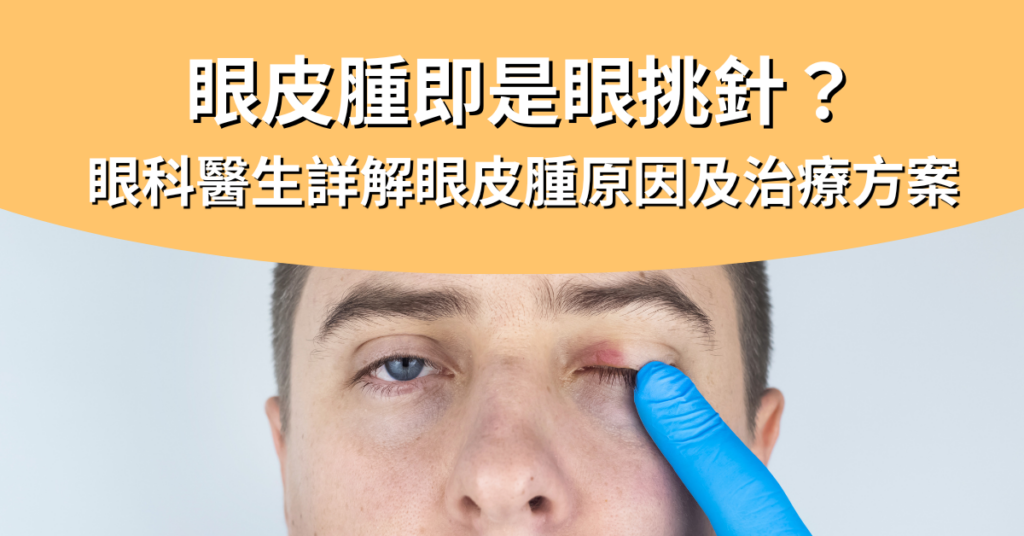
Cornoid cystAlso known asEye pick needleThe main reason for this is blockage of the oil glands at the edge of the eyelids, which causes inflammation or bacterial infection, resulting in painful swelling of the inner and outer eyelids. The eyelids may appear noticeably swollen and the appearance may make the eyelids appear swollen.

Conjunctivitis

ConjunctivitisAlso known as red eye syndrome, it is usually caused by viruses, bacteria, or allergies. Conjunctivitis causes red eyes, burning and dryness, increased secretion, and painful sensation in the eyes and eyelids. Generally, patients with conjunctivitis are accompanied by swelling of the upper and lower eyelids, so it is recommended to seek medical advice from an ophthalmologist for appropriate treatment.

Blepharitis

Blepharitis can occur on the upper or lower eyelids. This inflammation causes the eyelids to become red, itchy, and painful. The causes of blepharitis include an overgrowth of Staphylococcus aureus, chronic skin inflammation, or prolonged failure to remove makeup, which can lead to allergic reactions in the eyelids.

Hyperthyroidism

Hyperthyroidism (HT) is a condition characterized by an autoimmune disorder. When the body’s immune system mistakenly identifies a healthy part of the body as a foreign invader, it releases antibodies to attack the healthy cells. HT attacks the outer surface of the eye, the eye cavity, and the eyelid tissue, leading to swollen eyelids, swollen and bulging eyes, and in severe cases, the risk of blindness.

Cellulitis

Sinusitis caused by a cold if not treated properly may lead to serious complications such as conjunctivitis. Patients with conjunctivitis may experience swollen eyes, red eyelids, burning and pain, and sudden visual impairment.

Insect bites

If the eyelid swelling is unilateral and accompanied by itching, blinking may cause some pain in the eyelid. This may be due to a mosquito bite. If you take good care of your eyes, the swelling will usually subside within a few days. However, there is also a possibility of further inflammation and swelling of the eyelid. It is advisable to monitor the condition at all times and seek medical attention if necessary.

Ways to get rid of eye swelling

Ice pack

Appropriate ice packs can help relieve the feeling of swelling and burning in the upper and lower eyelids caused by mosquito bites or allergies, but this does not have any therapeutic effect and can only temporarily alleviate discomfort.

Heat compress

Applying heat can promote blood circulation and also help soften and drain blocked oil or pus. Proper heat therapy can resolve eye problems such as hordeolum and eyelid inflammation.

Massage the eye area

Lightly pressing your index or middle finger around your eyes can help reduce swelling and relieve the itching sensation. It is important to note that you should thoroughly clean your hands before performing the massage to avoid eye infections caused by bacteria.

Drug treatment

Antibiotics, eye ointments, and eye drops can effectively control bacterial infections and the symptoms of inflammation and swelling of the eyelids. Since there are many causes of eyelid swelling, different causes and severity of symptoms may require different treatment options, such as antihistamines, thyroid medications, immunosuppressants, etc. Therefore, patients must follow their doctor’s prescription and instructions to properly treat the problem of eyelid swelling.

Surgical treatment

In cases of more severe conditions such as barley corn cyst, follicular inflammation, and hyperthyroidism, if the desired results are still not achieved after a series of treatments, the doctor will recommend that the patient consider surgical treatment to address the underlying problem of eyelid swelling.

In short, there are many causes of eyelid swelling; it is crucial not to take it lightly. If you notice persistent swelling and pain in your eyelids, it is recommended to seek immediate medical attention from an ophthalmologist for further examination and active treatment.

Common problems

How to get rid of eye bags?

The simplest way to relieve eyelid swelling is to apply ice or heat. In addition, maintaining good sleep and rest is also crucial. If you are unsure of the cause, you should still consult an ophthalmologist for an examination.

What should I do if my lower eyelid swells?

Under-eye puffiness may be caused by allergies, eyelid inflammation, or edema. It is recommended to use ice packs to reduce swelling and seek the help of an ophthalmologist to determine the cause.

Do I need to see a doctor for eyelid swelling?

If the eyelid swelling does not subside or is accompanied by other symptoms such as pain or visual impairment, it is recommended to seek medical attention immediately.

Why do the upper and lower eyelids suddenly swell but don't hurt?

Sudden swelling of the upper or lower eyelids that is not painful may be caused by minor allergies or infection; it may also be just water retention. If the symptoms persist or worsen, it is recommended to see a doctor for examination.

What to do if your eyelids are swollen when you wake up in the morning?

If your eyelids are swollen in the morning, it may just be simple swelling; it usually resolves on its own, and you can also apply ice to help reduce the swelling.

Is eyelid swelling the same as eye twitching? Ophthalmologist Explains the Causes and Treatment Options for Eyelid Swelling Read More »

眼角膜受損

Damaged cornea can lead to blindness! What should I do first?

The cornea is located at the front of the eyeball. Because it is exposed to the external environment, the cornea is more susceptible to damage. If the injured cornea is not treated carefully, the wound may not heal for a long time, leading to ulcers and even permanent visual impairment.

When we encounter wounds on the skin, we can use tape or ointment to promote wound healing; but if the cornea is unfortunately damaged, what should we do to avoid scarring or other complications?

What is the cornea?

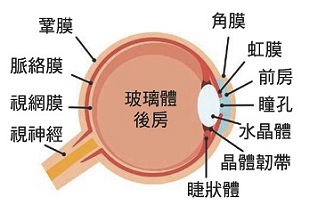
The cornea is a transparent thin membrane located in the front chamber of the eye, in front of the iris and pupil, which is the frontmost part of the eye. Its main function is to allow light to enter the eyeball, thereby forming a clear visual image. The cornea not only prevents bacteria from entering the eye, but also has a highly developed sense of touch; if any foreign object touches the cornea, the eyelids immediately close to protect the eyes.

Causes of corneal damage

There are many causes of corneal damage; common ones include:

  • Foreign object intrusion:In case of eye injury caused by sand, a nail puncture, or other sharp objects, it may result in a corneal abrasion. After the cornea is injured, vision may immediately become blurred and the patient may experience pain. Additionally, accidental exposure to chemical substances can also damage the cornea, even leading to severe corneal ulcers.
  • Eye diseasesSuch as eyelash falling out, eyelid closure incomplete,Dry eye syndromeThis will all lead to painful eyes, stinging eyes, and damaged corneas.
  • Improper use of contact lenses:Using improper techniques to insert contact lenses into the eyes can easily cause damage to the cornea. Therefore, when wearing contact lenses, you should strictly follow the instructions and be careful when placing the lenses in the eyes. Ultraviolet rays from snow can also cause eye pain.
  • Misuse of eye drops:Long-term use of eye drops containing steroids may lead to thinning of the cornea and even perforation.
  • Ultraviolet radiation:Prolonged exposure to ultraviolet light (snow, sea surface) can cause death of the corneal cells and severe pain.

Symptoms of corneal damage

Symptoms of corneal damage include:

  • Vision decline:After the cornea is injured, vision becomes blurred; when looking at things, one may feel a transparent membrane covering the eye or a mist in the eye; the clarity of vision noticeably decreases.
  • Eye pain:Patients may experience painful or tingling eyes, especially when exposed to light.
  • Feeling foreign object in the eye:When the cornea is damaged, the eye may feel like there is a foreign object in it and have a blurry appearance, as if there were a transparent membrane in the eye.
  • Other symptoms may also include involuntary movements.Crying、ConjunctivitisWait.

Treatment for corneal injury

Mild corneal damage generally heals naturally within 1 to 2 days. However, when corneal damage occurs, prompt treatment is essential. If you experience severe discomfort in your eyes, it is recommended to immediately visit an ophthalmologist to treat the injury. Here are some common treatment methods:

  • Immediately rinse your eyes:If you experience a foreign body sensation or discomfort in your eyes, you should immediately rinse your eyes with eye drops to remove the foreign body from your eyes and avoid rubbing your eyes to prevent further damage to the cornea.
  • Drug treatmentDamage to the cornea is usually treated with eye drops; using antibiotic eye drops or artificial tears can reduce the risk of infection and help the cornea heal. If the patient continues to experience pain or the condition worsens, they should seek immediate medical attention.
  • Take proper rest:Reducing eye time spent using devices, especially avoiding excessive use of electronic devices, helps the cornea to self-repair.

Complications after corneal damage

If the eye is not treated promptly and appropriately after injury, serious complications may occur. Common complications of corneal damage include:

  • Permanent loss of vision:If scarring occurs, it may lead to a decrease in vision and may not be fully restored even after surgery.
  • Corneal ulcer:Untreated corneal injuries can lead to corneal ulcers, a potentially dangerous condition that can cause blindness.
  • Light-sensitive:After corneal injury, the eyes may become more sensitive, leading to an increased sensitivity to light.

Consult an ophthalmologist immediately.

Eye injuries can be minor or serious. If you experience any discomfort in your eyes, you should consult and have an examination with an ophthalmologist as soon as possible to allow a professional ophthalmologist to develop an effective treatment plan to maintain eye health.

Common problems

How long does it take for the cornea to heal after an injury?

How long it takes for the corneal abrasion to heal depends on the extent of the damage. Generally, minor corneal abrasions may heal within a few days, while more severe corneal injuries may take several weeks to fully recover.

Can corneal damage heal on its own?

Yes, corneal damage has some self-healing ability. Mild damage usually heals within a few days, but severe damage may require medical intervention. Using appropriate eye drops for corneal damage can also promote healing.

Will corneal damage recover?

In most cases, corneal damage can be completely restored; especially mild damage. However, if severe sequelae or corneal ulcers occur, it may lead to permanent visual impairment.

How to know if the cornea is damaged?

If you experience a foreign body sensation in your eyes, blurred vision, or stinging pain, this may be a sign of damage to the cornea. If you experience sudden decrease in vision or symptoms such as sensitivity to light, the possibility of corneal damage should also be considered.

Will the cornea heal within a few days after being injured?

The healing time for corneal injuries is usually between a few days and a week. Mild injuries usually heal quickly, but severe injuries may take longer and should be treated by a professional doctor.

Will the cornea regenerate?

Yes, the cornea has some regenerative ability. The corneal epithelial cells usually regenerate quickly after injury, thereby repairing minor abrasions. However, deeper corneal damage may require a longer recovery time and may leave scarring that affects vision.

Damaged cornea can lead to blindness! What should I do first? Read More »

精選圖片_麥粒腫 : 原因、症狀、治療及預防指南

Corns: Causes, Symptoms, Treatment, and Prevention Guide

Corns of the eye, also known as eye pickers, although they are not a serious eye disease, the sudden appearance of a small lump on the eyelid can cause some inconvenience in daily life. Although this condition is common and in most cases does not require medical intervention, understanding its causes, symptoms, treatment methods, and preventive measures is essential to reduce the incidence and accelerate recovery.

This article will comprehensively introduce the relevant information about blepharitis, allowing you to better understand and manage this eye problem.

What is granuloma?

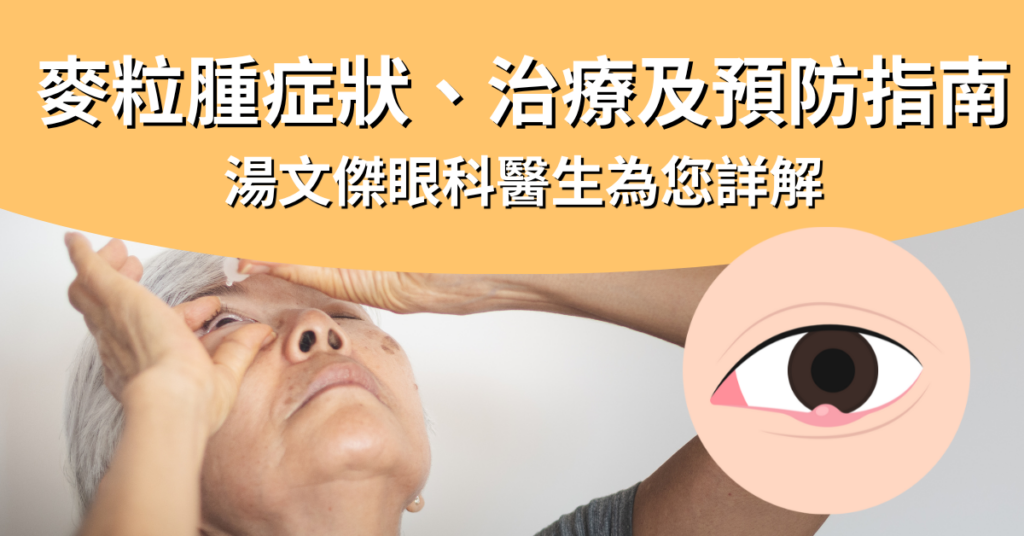
Corns of the eyelid, also known as "conjunctivitis" or "stye," are a common eye inflammation. The cause of cornification is mainly due to blockage of the oil glands at the edge of the eyelid, which leads to bacterial infection and inflammation of the gland or hair follicles, resulting in a small and painful abscess. Corns usually form on the inner or outer side of the eyelid, presenting with redness, pain, and localized heat sensation.

Additionally, many people mistakenly believe that cornoid cyst and chalazion are the same eye inflammation. In fact, the causes and severity of pain are different. Chalazion is a painless swelling caused by chronic inflammation of the eyelid glands, while cornoid cyst is caused by bacterial infection and is usually red, swollen, and painful. Chalazion is usually larger and less painful, while cornoid cyst is smaller but more painful.

Type of cornflower edema

There are mainly two types of cornoid tumors: external cornoid tumors and internal cornoid tumors.

  • External otitis: located at the base of the eyelashes, it causes a yellow pus abscess that usually heals quickly.
  • Inner eyelid cyst: located inside the eyelid, the inflammation is longer lasting and usually more painful than outer eyelid cyst.

Symptoms of wheat germ inflammation

  • Swollen eyelids
  • Local eyelid pain
  • Local heat sensation in the eyelids
  • Small abscesses appear at the edge or inside of the eyelids
  • Eye foreign body sensation
  • Eye tears
  • Swollen eyelids

Causes of cornflower edema

The cause of blepharitis usually results from excessive gland secretion from the meibomian glands, which leads to the formation of oil-filled particles within the eyelids. When these particles block the hair follicles or glands, bacteria can multiply and cause infection, leading to inflammation within the eyelids. Additionally, poor eye hygiene practices, touching the eyes, using contaminated cosmetics, and wearing contact lenses can also increase the risk of blepharitis.

Treatment methods for cornflower edema

Orbital inflammation is not a serious eye condition. In the early stages of blepharitis, you can self-treat with heat packs and massage at home to help remove the oil from the inner eyelids. This method should usually resolve the blepharitis within a short time. If heat packs and massage do not improve the condition, seek the help of an ophthalmologist to treat the blepharitis. Treatment options include using blepharitis ointment, oral antibiotics, and surgery.

  1. Heat compressApply 4-5 times daily for about 10-15 minutes each time, helping the abscess to drain out on its own.
  2. MassageUse your fingers to gently push. If the eyelash is on the upper eyelid, push the fingers down from the eyelid; if the eyelash is on the lower eyelid, push them up from the eye bag.
  3. Macular edema ointmentUse eyelid inflammation ointment or eye drops under doctor's guidance to control the infection.
  4. Oral antibioticsIn cases of severe infection or complications, doctors may prescribe oral antibiotics.
  5. Surgical drainageFor cystic acne that cannot be removed on its own, doctors may perform minor surgery to drain the pus.

How to prevent the formation of cornflower edema

  1. Keep your eyes cleanRegularly clean the eyelids to prevent bacteria from growing.
  2. Avoid touching the eyesBefore touching your eyes, wash your hands to reduce the risk of bacterial infection.
  3. Do not share towels or cosmetics with othersReduces the risk of cross-infection.
  4. Replacing cosmeticsChange your eye makeup regularly, especially the mascara and eyeliner.
  5. Using contact lenses correctlyWhen wearing contact lenses, follow hygiene guidelines to avoid bacterial infections.
  6. Managing skin healthTreating skin diseases such as acne and seborrheic dermatitis reduces the risk of ingrown eyelashes.

By understanding the causes, symptoms, and treatment methods of conjunctivitis, we can better prevent and manage this common eye problem.

If you experience persistent or severe symptoms, please seek medical attention immediately to receive professional treatment recommendations. If you have any further questions, we recommend that you contact your doctor at any time.The ophthalmologist conducted an examination.。

Common problems

Is a corn wart the same as a papule?

No, granuloma is a painful abscess caused by a bacterial infection, while a sebaceous cyst is a painless lump caused by gland blockage.

Will the pimple disappear on its own?

Yes, many cases of follicular lymphoma resolve on their own within a few days to a week, but proper treatment can speed up the recovery process.

How long does a corn cyst usually take to disappear?

It usually takes one to two weeks, but if the infection is severe or not treated properly, it may take longer.

Can you squeeze a pimple?

It is not recommended to squeeze the pus-filled cyst; doing so may worsen the infection and cause complications.

Do I need to see a doctor for granuloma?

If the granuloma does not subside, the pain worsens, or it affects vision, you should seek medical attention immediately.

What can't you eat with cornflower edema?

There are no specific dietary restrictions, but maintaining a balanced diet and good nutrition can help improve immunity.

Does cornflower edema have a contagious nature?

Corns are not contagious in themselves, but the bacteria that cause infection can spread, so good personal hygiene should be maintained.

Can you puncture a corn blister?

It is not recommended to puncture the corn itself; doing so may lead to serious infections such as cellulitis and inflammation in the brain; it is recommended to have it treated by a doctor.

Corns: Causes, Symptoms, Treatment, and Prevention Guide Read More »

黃斑病變食療

Treatment for macular degeneration: 6 essential nutrients at a glance

Macular degenerationMacular degeneration often occurs in people over 65, hence it is also known as age-related macular degeneration (AMD). People who suffer from this eye condition experience blurred central vision and distorted images, and in severe cases it can even lead to blindness.

Since macular degeneration is an incurable eye disease, once it is detected, only certain treatment methods or dietary supplements can slow down the progression of macular degeneration. Therefore, preventing macular degeneration has become very important, and changing certain dietary habits or eating patterns to prevent macular degeneration is one of the most direct methods. This article will introduce the important nutrients and dietary habits for macular degeneration treatment to help everyone maintain eye health.

6 Major Nutrients for Preventing Macular Degeneration

The following are reference values for nutrients and some corresponding foods that are helpful in preventing macular degeneration:

  • Lutein: Spinach, asparagus, carrots, cauliflower, pumpkin, etc.
  • Vitamin A: Red sweet potatoes, egg yolk, beef liver, mango, goji berries, etc.
  • B vitamins: Salmon, pork, beef tallow, milk, nuts, etc.
  • Vitamin C: Lemons, Guavas, Oranges, Papayas, Strawberries, etc.
  • Vitamin E: Salmon, almonds, cashew nuts, wheat germ, olive oil, etc.
  • Zinc: Whole grains, seafood, meat and beans

Flavonoids

Beta-carotene is an important substance that forms the retina and the macular region. It is the main pigment source of the retina. It not only has antioxidant effects but also absorbs harmful light, reducing the damage to the eyes and reducing the risk of macular degeneration.

Vitamin A

Adequate supplementation of vitamin A can maintain the normal function of retinal epithelial cells and help promote the metabolism of the cornea and retina.

Vitamin B group

Vitamin B complex includes various vitamins such as B1, B2, B6, and B12, which effectively maintain visual acuity and retinal nerve cells and prevent cell aging. These vitamins help promote blood circulation in the eyes, eliminate eye fatigue, and are recommended for people with excessive eye strain to supplement these nutrients regularly to prevent macular degeneration.

Vitamin C

In addition to helping prevent macular degeneration, supplementing with vitamin C can also prevent eye diseases such as cataracts, glaucoma, and retinal degeneration. Vitamin C possesses extremely powerful antioxidant properties that protect the eyes from free radical damage, and also promotes blood circulation in the microvessels of the retina, thereby preventing macular degeneration.

Vitamin E

Vitamin E has the ability to remove free radicals and also slows down the oxidation of lutein, maintaining eye health and preventing macular degeneration. In addition, vitamin E is mainly concentrated in the retinal pigment epithelial cells and photoreceptor cells, making it one of the essential nutrients for maintaining retinal health.

鋅

Zinc itself possesses considerable antioxidant capacity, and has been confirmed by many scholars to effectively maintain eye health and prevent macular degeneration. Additionally, zinc in the eye helps vitamin A function in metabolism, maintaining normal retinal epithelial function and maintaining eye health.

Dietary habits to prevent macular degeneration

In addition to specific nutrients, good dietary habits are also key to preventing macular degeneration. Here are some dietary practices that can help improve vision health:

Low-glycemic diet

People with diabetes are more likely to develop macular degeneration or a range of eye diseases than the general population. This is because high blood sugar levels can damage the retina and even cause it to detach. Therefore, ophthalmologists generally recommend diabetics follow a low glycemic diet to reduce glycation end products and control blood sugar levels while also preventing eye diseases such as macular degeneration and retinal detachment.

A low-glycemic diet, as the name suggests, is one that:Eat low-carbohydrate foods to reduce fluctuations in blood sugar levels, such as whole grains, vegetables, and lean meat.Both of these are low-glycemic foods; while white rice, white bread, and processed meats are high-glycemic foods.

In addition to people with diabetes, ordinary people can also consider adopting a long-term low-glycemic index diet to maintain their health. The simplest way to implement a low-glycemic index diet is to follow the diabetic diet, which not only prevents macular degeneration but also prevents the onset of diabetes.

Mediterranean diet

A study in Australia found that participants who followed the Mediterranean diet were 41 percent less likely to develop macular degeneration than those who did not follow the Mediterranean diet, confirming that the Mediterranean diet can prevent macular degeneration.

Mediterranean dietConsists primarily of fresh vegetables, fruits, fish, olive oil, and nuts, with a small amount of red meat and dairy products.This diet is rich in antioxidants and unsaturated fatty acids, which can effectively reduce the inflammatory response in the eyes and help prevent macular degeneration.

If you want to prevent or improve macular degeneration through a Mediterranean diet, it is recommended to consult an ophthalmologist for further advice or to get more knowledge and recipes to prevent macular degeneration from your nutritionist.

Balanced diet

If you are unable to follow the low-glycemic diet or Mediterranean diet for preventing macular degeneration due to work or other reasons, then try to ensure a balanced daily intake of nutrients as much as possible.Eat two servings of fruit and five different colors of vegetables dailyReduce your intake of fast food or high-fat, high-salt, and high-sugar foods. If necessary, you can also have a nutritionist create a preventive eye disease treatment plan for you or take appropriate supplements. Maintaining a balanced diet not only helps prevent macular degeneration but also maintains good health.

If you suspect you have macular degeneration, do not blindly rely on folk remedies or alternative treatments; it is essential to consult an ophthalmologist as soon as possible and undergo a detailed examination so that a professional doctor can develop the most effective treatment plan for you.Treatment plan。

Common problems

What are some recommended remedies for macular degeneration?

If you only want to prevent macular degeneration, you can simply drink any soup containing the appropriate amount of various nutrients; for patients who have already been diagnosed with macular degeneration, you can consult a nutritionist or ophthalmologist to choose a soup that is effective in treating macular degeneration.

Will eating alone cure macular degeneration?

As of current medical knowledge, macular degeneration has no cure, but proper treatment and dietary management can slow the progression of macular eye disease. It is recommended that if you suspect macular degeneration, you should seek immediate medical attention.

Treatment for macular degeneration: 6 essential nutrients at a glance Read More »

飛蚊症原因及治療方法

Causes, Symptoms, and Treatment Methods of Glaucoma: An Eye Specialist Explains in Detail

Floaters are a common vision problem in which patients see floating black dots, jellyfish-like shapes, and threadlike structures in their field of vision. There are many different types of floaters, and each patient’s description of the shape is unique. Is it possible to cure floaters? Will floaters resolve on their own? Dr. Tong Weijian, an ophthalmologist, will answer these questions for you.

What is fly eye syndrome?

Floaters are medically known as vitreous degeneration. There is a transparent gel-like substance called the vitreous in the eye, located in the center of the eye, behind the crystalline lens, and before the retina. In normal conditions, the vitreous fills the entire vitreous cavity, supporting the shape of the eye and allowing light to be refracted smoothly onto the retina, thereby forming an image. If the vitreous degenerates, the gel-like substance within the vitreous will undergo liquefaction, forming tiny fibers that float within the vitreous cavity, which is what patients see as black spots.

What causes fly eye syndrome?

The main causes of fly-eye can be roughly divided into three types: physiological, degenerative, and pathological. If there is any suspicion, patients are advised to seek immediate medical attention from an ophthalmologist.

Rationality

Retinal vein occlusion is common in people under 40 years of age or those who spend long hours looking at screens, such as car painters, teachers, and those who work at computers for long periods of time. In general, up to 80% of cases of retinal vein occlusion are considered physiological, and patients may feel black dots in their eyes or see lines; these are impurities in the vitreous humor. There are currently no medications or surgeries to treat this type of retinal vein occlusion, but there is no need to worry; these black dots will disappear over time within the field of view.

Degradation

There is a transparent gel-like substance called the vitreous body inside the eye, located behind the lens and before the retina. As we age, this vitreous body deteriorates and flakes off, forming tiny fibers that float inside the vitreous body, causing us to see blurry images.There are black spots on the eyes.Or it may be a black spot; for some people, however, they see a series of insect-like objects. As long as the black spots in the eye do not become more numerous or remain relatively fixed in position, it is considered a benign form of fly-eye and there is no need to be overly anxious.

Pathological

The cause of pathological floaters is due to other eye problems or systemic vascular diseases, such as external force pulling or impact, or systemic vascular diseases such as eye floaters caused by wind in the eyes, diabetes, and high blood pressure. These can all lead to vitreous detachment and bleeding, with black spots or even black patches in the eyes. If this type of floaters is not treated aggressively, it can lead to permanent blindness. Patients are advised to seek treatment for improving floaters as soon as possible.

What are the symptoms of fly eye syndrome?

The early symptoms of Glaucoma are easy to recognize. Patients may feel a floating object in their eyes, which they can see but cannot grasp. This is especially noticeable in situations with strong light or a bright background. There are many different visual forms of Glaucoma, so the shape seen by each patient is also different:

If you experience worsening symptoms of fly eye syndrome, such as a dramatic increase in the number of flies, flashing lights in the eyes, dark shadows in the eyes, blocked vision, or blurred vision, you should immediately seek medical advice from an ophthalmologist for a detailed examination and to receive treatment from a doctor to improve the symptoms of fly eye syndrome.

Treatment methods for fly eye syndrome

In the early stages of fly-eye, no immediate treatment is necessary. Most people adjust to the presence of the dark spots after a period of time. Over time, these dark spots may settle at the bottom of the vitreous humor and no longer affect vision. However, if you notice more dark spots, black shadows in your eyes, or feel that these dark spots are affecting your daily life, you may consider laser treatment or a fly-eye surgery to improve the dark spots in your eyes.

Laser therapy

Laser treatment is suitable for larger and concentrated vitreous fibers. By shattering these fibers into smaller fragments with a laser, it can improve and eliminate the symptoms of fly-eye. Laser treatment is performed under local anesthesia; there is no pain during the procedure, and the entire treatment takes about 15 to 20 minutes. However, not everyone is suitable for this treatment; it is not advisable if the fibers are loose or located too close to the retina or lens, as this could cause scarring.CataractOr secondary complications such as macular damage.

Corneal transplant surgery

Glaucoma surgery involves removing the vitreous humor from the eye through a small incision and replacing it with a solution to maintain the eye’s shape. The procedure takes about 10 to 15 minutes. Although this procedure can effectively remove the vitreous humor, it can also lead to bleeding or retinal tearing, which in turn forms new floaters. Therefore, most doctors do not recommend using this procedure to treat glaucoma.

Additionally, many patients try to improve their eye degeneration symptoms by taking eye drops. They ask ophthalmologists to recommend eye drops for glaucoma. It is important to note that eye drops cannot penetrate the vitreous humor, so simply using eye drops alone cannot treat vitreous degeneration. Dr. Tu reminds us to never blindly follow the recommendations of non-professional eye doctors for glaucoma.

Prevention methods for fly eye disease

Migraine is mostly caused by age increase andHigh myopiaThis leads to degeneration of the vitreous humor. Currently, there is no complete solution to prevent the development of fly-eye syndrome. However, we can slow down the symptoms of eye degeneration through daily care. Here are some ways to prevent the development of fly-eye syndrome:

  • Avoid excessive use of electronic devices (use them for 1 hour, take a 5-10 minute break).
  • Read or work under as much natural light as possible to avoid worsening myopia.
  • Ensure a balanced daily diet and reduce the intake of foods high in oil, salt, and sugar.
  • Eat a variety of foods containing various nutrients such as carotenoids, anthocyanins, and vitamins.
  • Regularly undergo physical examinations and eye examinations

Common problems

How to eliminate fly eye syndrome?

If the black spots in front of your eyes are causing significant disruption to your daily life, you may consider laser treatment or vitreous removal surgery to eliminate the floaters.

Why do I suddenly develop fly eye syndrome?

The occurrence of fly-eye may be caused by physiological, degenerative, or pathological factors. It is recommended that you consult a qualified ophthalmologist to accurately determine the cause and treatment method of your fly-eye condition.

Will fly eye disease disappear on its own?

Migraine headaches do not go away on their own, but most people gradually adjust to their presence after a period of time.

What will happen if I ignore the fly eye?

Benign floaters generally do not require treatment, but it is important to note whether the spots become more numerous. If you feel that your field of vision is severely obstructed, you must seek medical attention immediately to avoid delaying treatment and causing blindness.

Is blepharitis a side effect of cataract surgery?

The complications of hernia surgery do not include fly eye syndrome. Some patients have this condition because of other conditions.After undergoing cataract surgeryPeople often discover they have a retinal detachment after the surgery because their vision was too blurry before the surgery, which meant they didn't realize they had the condition in the first place.

Causes, Symptoms, and Treatment Methods of Glaucoma: An Eye Specialist Explains in Detail Read More »