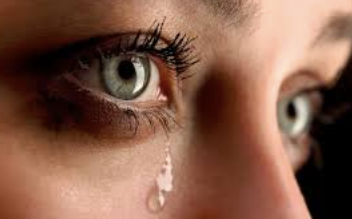
The cornea is located at the front of the eyeball. Because it is exposed to the external environment, the cornea is more susceptible to damage. If the injured cornea is not treated carefully, the wound may not heal for a long time, leading to ulcers and even permanent visual impairment.
When we encounter wounds on the skin, we can use tape or ointment to promote wound healing; but if the cornea is unfortunately damaged, what should we do to avoid scarring or other complications?
What is the cornea?
The cornea is a transparent thin membrane located in the front chamber of the eye, in front of the iris and pupil, which is the frontmost part of the eye. Its main function is to allow light to enter the eyeball, thereby forming a clear visual image. The cornea not only prevents bacteria from entering the eye, but also has a highly developed sense of touch; if any foreign object touches the cornea, the eyelids immediately close to protect the eyes.

Causes of corneal damage
There are many causes of corneal damage; common ones include:
- Foreign object intrusion:In case of eye injury caused by sand, a nail puncture, or other sharp objects, it may result in a corneal abrasion. After the cornea is injured, vision may immediately become blurred and the patient may experience pain. Additionally, accidental exposure to chemical substances can also damage the cornea, even leading to severe corneal ulcers.
- Eye diseasesSuch as eyelash falling out, eyelid closure incomplete,Dry eye syndromeThis will all lead to painful eyes, stinging eyes, and damaged corneas.
- Improper use of contact lenses:Using improper techniques to insert contact lenses into the eyes can easily cause damage to the cornea. Therefore, when wearing contact lenses, you should strictly follow the instructions and be careful when placing the lenses in the eyes. Ultraviolet rays from snow can also cause eye pain.
- Misuse of eye drops:Long-term use of eye drops containing steroids may lead to thinning of the cornea and even perforation.
- Ultraviolet radiation:Prolonged exposure to ultraviolet light (snow, sea surface) can cause death of the corneal cells and severe pain.
Symptoms of corneal damage
Symptoms of corneal damage include:
- Vision decline:After the cornea is injured, vision becomes blurred; when looking at things, one may feel a transparent membrane covering the eye or a mist in the eye; the clarity of vision noticeably decreases.
- Eye pain:Patients may experience painful or tingling eyes, especially when exposed to light.
- Feeling foreign object in the eye:When the cornea is damaged, the eye may feel like there is a foreign object in it and have a blurry appearance, as if there were a transparent membrane in the eye.
- Other symptoms may also include involuntary movements.Crying、ConjunctivitisWait.
Treatment for corneal injury
Mild corneal damage generally heals naturally within 1 to 2 days. However, when corneal damage occurs, prompt treatment is essential. If you experience severe discomfort in your eyes, it is recommended to immediately visit an ophthalmologist to treat the injury. Here are some common treatment methods:
- Immediately rinse your eyes:If you experience a foreign body sensation or discomfort in your eyes, you should immediately rinse your eyes with eye drops to remove the foreign body from your eyes and avoid rubbing your eyes to prevent further damage to the cornea.
- Drug treatmentDamage to the cornea is usually treated with eye drops; using antibiotic eye drops or artificial tears can reduce the risk of infection and help the cornea heal. If the patient continues to experience pain or the condition worsens, they should seek immediate medical attention.
- Take proper rest:Reducing eye time spent using devices, especially avoiding excessive use of electronic devices, helps the cornea to self-repair.
Complications after corneal damage
If the eye is not treated promptly and appropriately after injury, serious complications may occur. Common complications of corneal damage include:
- Permanent loss of vision:If scarring occurs, it may lead to a decrease in vision and may not be fully restored even after surgery.
- Corneal ulcer:Untreated corneal injuries can lead to corneal ulcers, a potentially dangerous condition that can cause blindness.
- Light-sensitive:After corneal injury, the eyes may become more sensitive, leading to an increased sensitivity to light.
Consult an ophthalmologist immediately.
Eye injuries can be minor or serious. If you experience any discomfort in your eyes, you should consult and have an examination with an ophthalmologist as soon as possible to allow a professional ophthalmologist to develop an effective treatment plan to maintain eye health.
Common problems
How long it takes for the corneal abrasion to heal depends on the extent of the damage. Generally, minor corneal abrasions may heal within a few days, while more severe corneal injuries may take several weeks to fully recover.
Yes, corneal damage has some self-healing ability. Mild damage usually heals within a few days, but severe damage may require medical intervention. Using appropriate eye drops for corneal damage can also promote healing.
In most cases, corneal damage can be completely restored; especially mild damage. However, if severe sequelae or corneal ulcers occur, it may lead to permanent visual impairment.
If you experience a foreign body sensation in your eyes, blurred vision, or stinging pain, this may be a sign of damage to the cornea. If you experience sudden decrease in vision or symptoms such as sensitivity to light, the possibility of corneal damage should also be considered.
The healing time for corneal injuries is usually between a few days and a week. Mild injuries usually heal quickly, but severe injuries may take longer and should be treated by a professional doctor.
Yes, the cornea has some regenerative ability. The corneal epithelial cells usually regenerate quickly after injury, thereby repairing minor abrasions. However, deeper corneal damage may require a longer recovery time and may leave scarring that affects vision.