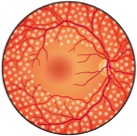
Central retinal vein occlusion, also known as CRVO, is a condition in which part or all of the main vein that carries blood away from the retina becomes blocked. This can cause blurred vision and other eye problems.
Reasons
Most CRVO patients develop it in one eye. Moreover, although diabetes and high blood pressure are risk factors for CRVO, the exact cause is still unknown. What we do know is that CRVO is caused by a clot or a reduction in the flow of blood to the central retinal vein, which then drains the retina.
The occurrence of CRVO in both eyes may be associated with systemic diseases; in these cases, the tendency for blood to coagulate abnormally is more common, leading to the detection of so-called “hypercoagulable states.”
Diagnostic tests
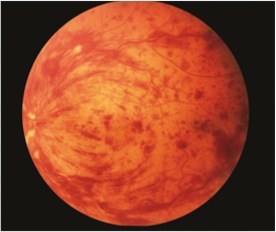
CRVO is usually a clinical diagnosis, that is, a diagnosis based on medical signs and symptoms reported by the patient. When the retina specialist looks at the eye, a typical retinal hemorrhage (bleeding) phenomenon occurs, and a diagnosis is made (Figure 1). Common conditions that cause CRVO include diabetic macular edema (macular disease) and retinal diseases associated with low blood count, such as anemia and platelet deficiency (thrombocytopenia).
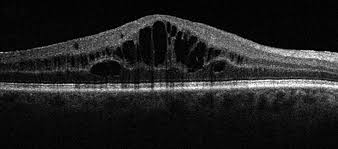
Optical coherence tomography measures the extent of macular edema.
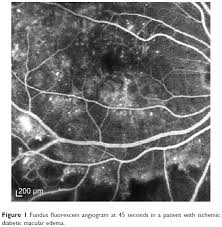
Fluorescence vascular imaging seeks the growth of new abnormal blood vessels
Treatment and prognosis
CRVO has a better prognosis in younger people. In older patients who have not undergone treatment, about one-third improve on their own, about one-third remain unchanged with aging, and about one-third worsen.
Patients with CRVO have elevated vascular endothelial growth factor (VEGF); this leads to macular edema and new blood vessels that are prone to bleeding.
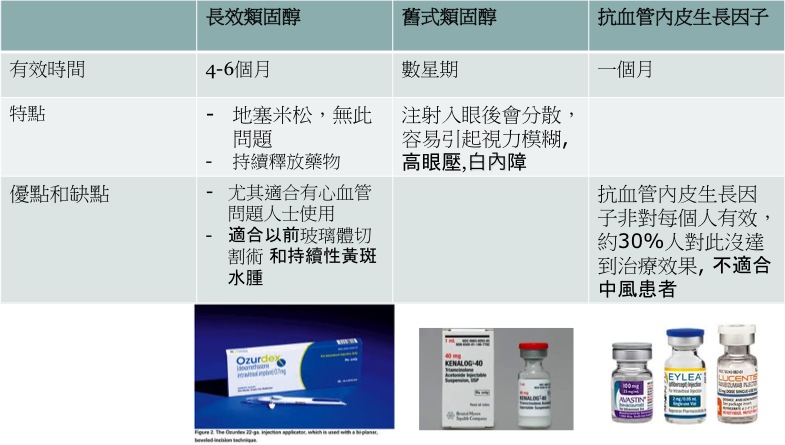
The most common treatment method is the periodic injection of anti-VEGF medications into the eye to reduce the growth and swelling of new blood vessels. Anti-VEGF medications include bevacizumab (Avastin®), ranibizumab (Lucentis®), and aflibercept (Eylea®).
Long-acting steroid therapy for persistent macular edema
Laser photocoagulation of the retina alleviates peripheral retinal ischemia