Q and A
Q1: Does having a refractive index in children mean that they actually have myopia?
A1: Children can have pseudo-myopia due to their more powerful adjustment of the ciliary muscles. After looking at close objects, turning to distant objects causes blurred vision, resulting in a degree of myopia that is more similar to pseudo-myopia. When children wear glasses for myopia, the discomfort in their eyes is caused by the factors that cause contraction of the ciliary muscles not being relieved, so doctors use eye drops containing a muscle relaxant to dilate the pupils and relax the ciliary muscles, thereby distinguishing between true and pseudo-myopia.
Q2: Does using smart products affect children's myopia?
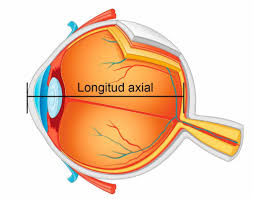
A2: Any form of close-up work will cause nearsightedness. Long-term close-up focusing work places additional strain on the ciliary muscles, causing the eyeball to become elongated. The American Academy of Pediatrics has issued guidelines advising that children under the age of two should not be exposed to electronic devices; for children aged 2 or older, the maximum time spent using electronic devices should not exceed two hours, with adjustments made as needed based on the child’s learning needs.
Q3: Can delaying the start of wearing glasses or wearing glasses with a shallower prescription slow down the progression of myopia?
A3: Glasses with the appropriate prescription can help you easily identify distant objects, and they won't cause headaches or eye fatigue. If children cannot see clearly or if the lens prescription is not suitable, they may develop myopia, which can worsen the condition. Of course, even with children wearing glasses with the appropriate prescription, myopia may still worsen, possibly due to the child's eye's continuous development and elongation, the natural increase in prescription, or poor eye habits (such as staring at a screen for a long time).
Q4: What is the purpose of correcting children's visual acuity?
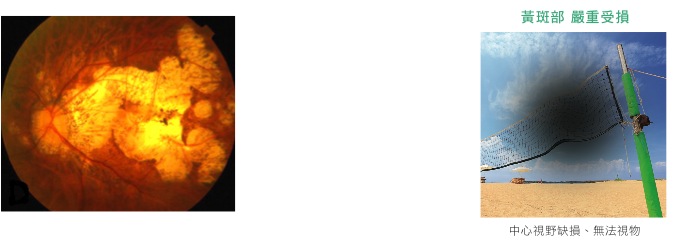
A4: The purpose of correcting myopia in children is not to completely stop the progression of myopia, but to slow down the progression of myopia. If a child increases their myopia by 100 degrees each year, it is considered to be a rapid progression of myopia. Therefore, it is advisable to consider treatment. For children, the ideal progression rate for myopia is within 50 degrees per year. It should be noted that people with severe myopia (more than 500 degrees) are at a higher risk of developing eye diseases.
Q5: Can pediatric eye drops slow the progression of myopia?
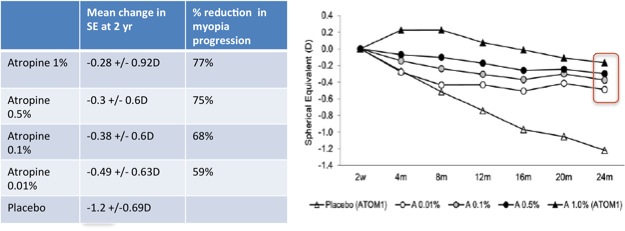
A5: Yes, low-dose atropine eye drops are commonly used by ophthalmologists as a first-line method to slow down children's myopia. A large-scale study found that this method can effectively slow the rate of progression of children's myopia by up to six percent, and side effects are rare.
Q6: What is an OK lens?
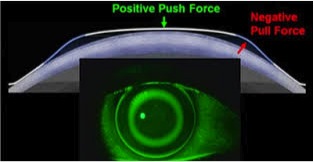
A6: The OK lens is a corneal reshaping lens that is worn at night. It uses special rigid corrective contact lenses and the tension of tear fluid to change the curvature and shape of the cornea. For children undergoing refractive surgery, they only need to wear the corrective lens at night to sleep. The advantage is that they do not need to wear glasses in the morning. The only concern is that children may unintentionally rub their eyes during sleep, causing corneal damage or infection. Therefore, this method is only suitable for children who are able to manage themselves well and are at least 8 years old.
Q7: What are the latest children's vision correction methods?
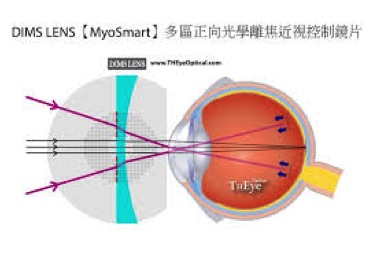
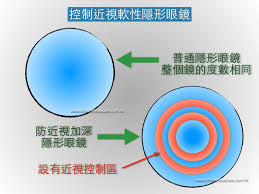
A7: A lens for "multi-zone positive optical defocusing" (DIMS) glasses designed by Hong Kong Polytechnic University has been proven to slow down the progression of myopia in children participating in the study by up to 60%. The lens consists of a "central optical zone" used to correct refractive errors, and a "multi-zone continuous negative optical defocusing" extending around the central zone to the periphery of the lens. When wearing the glasses, DIMS lenses provide clear vision and negative optical defocusing to correct visual acuity.
Q8: In addition to receiving treatment, what other methods are there to protect eyesight?
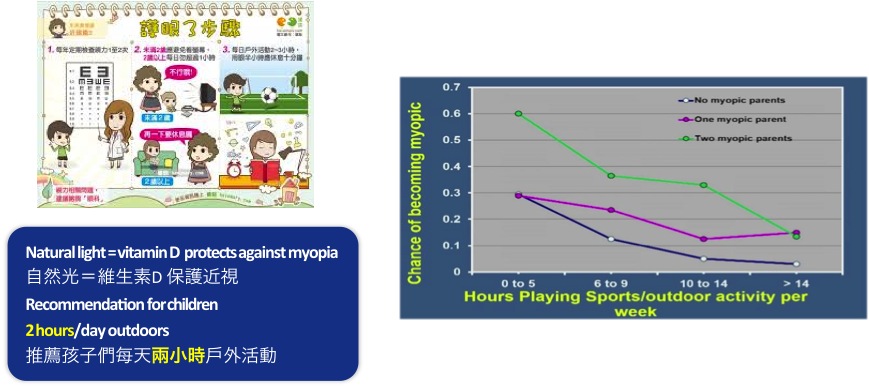
A8: When reading on a phone or tablet, please remember to do so in well-lit environments, reduce the brightness of electronic devices, adjust the font size and spacing to a suitable level, and reduce eye strain. For every 20 minutes of reading, look 20 feet away for 20 seconds and take a 20-second break to allow the ciliary muscles to rest and relax. Australian research has found that children spend up to 14 hours outdoors each week, which helps stimulate the release of dopamine and slow the progression of myopia.
Q9: Can exercises such as massaging the area around the eyes help slow down children's myopia progression?
A9: There is no evidence that these types of exercises can control myopia. On the contrary, overstraining the muscles around the eyes can cause an increase in eye pressure. Furthermore, people with high myopia who rapidly move their eyeballs are at risk of retinal detachment, so caution is necessary. It is best to encourage them to participate in outdoor games to delay the progression of myopia.
Q10: Laser refractive surgery can reverse nearsightedness and ensure that you will always have perfect vision.
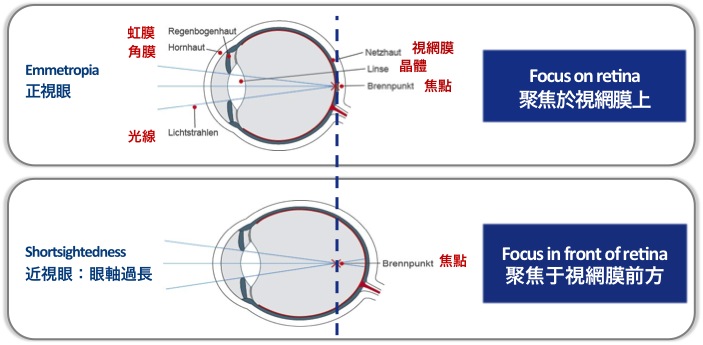
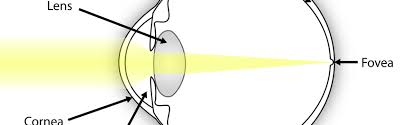
A 10: nearsightedness means the eyeball is enlarged. There is currently no way to shrink the eyeball back to its normal size, but laser vision correction can help eliminate the need for glasses or contact lenses. The surgery does not shorten the eyeball; instead, it changes the shape of the cornea so that light can still focus on the retina without the help of glasses or contact lenses.