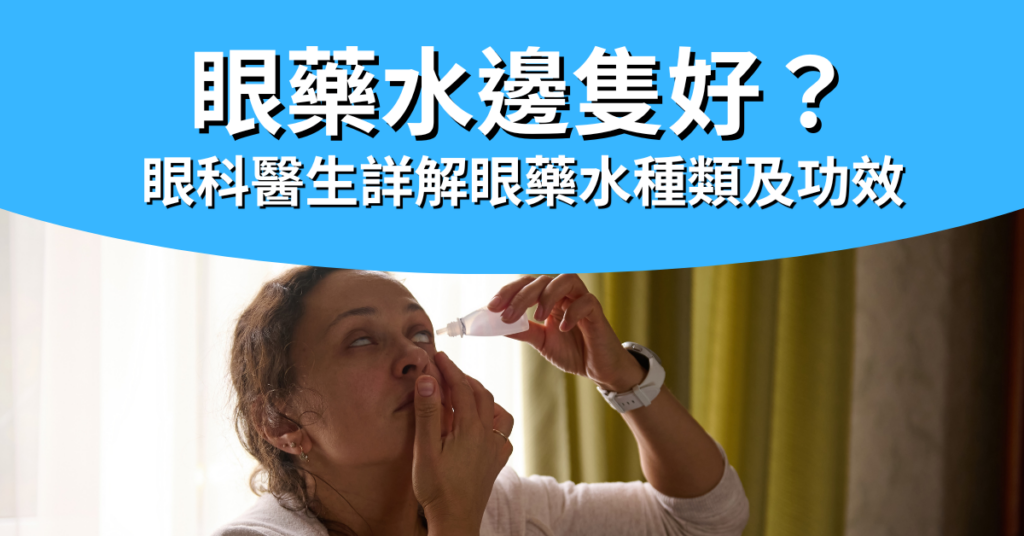
Eye drops are common eye care products used in modern life, whether to reduce eye fatigue, treat eye allergies, or relieve dry eyes.Dry eyesSymptoms: Eye drops can provide immediate and effective relief. However, if not used properly, they not only fail to provide relief but may even worsen the symptoms. Therefore, before choosing an eye drop, it is necessary to understand the different types of eye drops and their effectiveness, to avoid purchasing unsuitable eye drops that could harm the eyes instead.
Types of eye drops
Artificial Tears
Artificial tears are eye drops used to moisturize the eyes and relieve dry eye symptoms. Their ingredients mimic natural tears, including water, electrolytes, and some lubricants such as polyethylene glycol and carboxymethylcellulose. The best situations for using artificial tears are when the eyes are dry, fatigued, or exposed to air conditioning. These types of eye drops usually have no noticeable side effects, but for some people they may cause irritation or discomfort.Severe dry eye syndromeFor patients, disposable artificial tears that do not contain preservatives may be more suitable.
Antihistamine eye drops
Antihistamine eye drops contain antihistamines or growth factor stabilizers and are an effective way to prevent and alleviate eye sensitivity. These eye drops are suitable for patients with allergic conjunctivitis or seasonal allergies. Anti-allergic eye drops are generally prescription medications in Hong Kong, so they must be used according to the doctor’s instructions to avoid causing eye diseases such as cataracts and glaucoma.
Eye drops that constrict blood vessels
Eye drops containing vasoconstrictors can quickly relieve the symptoms of eye redness. Their ingredients are usually tetrahydrozoline or naphazoline. These eye drops are suitable for short-term use to quickly eliminate eye swelling. However, long-term use may lead to rebound swelling, which can worsen the red eye symptoms, so they are not recommended for long-term use.
Anti-inflammatory eye drops
Anti-inflammatory eye drops are suitable for red eye syndrome, corneal inflammation, and preventing inflammation after eye surgery. Anti-inflammatory eye drops contain ingredients such as steroids and antibiotics, so they must be used according to the instructions; long-term or improper use may lead toCataractSide effects such as cataracts.
Contact lens eye drops
Dry eyes and red eyes are common problems for people who wear contact lenses. Prolonged wear of contact lenses can cause dry eyes because the lenses themselves thin the lipid layer of the tear fluid, causing the cornea to become more sensitive, which in turn affects the function of the eyelid glands and accelerates the destruction of the tear film integrity, leading to dry eyes and even red eyes. Therefore, contact lens wearers need eye drops more than those who do not wear contact lenses.
Contact lens-specific eye drops usually contain gentle and non-irritating ingredients, making them the first choice for long-wearing contact lens wearers. These eye drops typically include moisturizing ingredients such as hyaluronic acid and collagen, which help to lubricate the contact lens and eyes during contact, reducing friction and discomfort, and have fewer side effects. However, caution should be taken to avoid any reactions with the lens material.
How to choose the right eye drops?
Consider eye symptoms
There are many types of eye drops available; never be tempted to buy the first one you see on the store shelf. Before purchasing an eye drop, you should first understand the specific symptoms of your eye condition and then choose the appropriate eye drop to relieve the discomfort. There are many reasons for watery eyes; if they are caused by inflammation of the cornea or conjunctiva, anti-inflammatory eye drops can be used to relieve the pain; if they are caused by obstruction of the nasal and lacrimal ducts, eye drops are not effective and you need to seek the advice of an ophthalmologist.
Additionally, some people will not want to spend money on it.Surgery for cataractHowever, purchasing eye drops specifically designed for treating cataracts does not provide any reliable evidence that they are effective in Hong Kong; therefore, it is recommended that they not be used lightly.
Ingredient safety
Before purchasing eye drops, it is recommended to first have a general understanding of their ingredients and side effects. Especially for those with a tendency to allergies, it is advisable to choose eye drops that are non-irritating, low in preservatives, or free of preservatives to avoid causing eye sensitivity or worsening symptoms. If you are concerned about purchasing an unsuitable eye drop or unsure whether the ingredients of that eye drop will affect your eyes, it is recommended to seek further consultation and treatment from an ophthalmologist.
Are eye drops containing preservatives harmful to the eyes?
The addition of preservatives to eye drops is intended to extend their shelf life and ensure their effectiveness. The normal concentration of preservatives in eye drops is strictly controlled within safe limits. Eye drops purchased through a legitimate channel will not harm the eyes as long as they are used correctly. However, if they are not taken in accordance with a doctor’s advice and used incorrectly over a prolonged period, dry eye syndrome may develop.
For those who are allergic to preservatives or feel that preservative eye drops worsen eye sensitivity, they can choose preservative-free eye drops. Preservative-free eye drops are also known as disposable eye drops. To ensure effectiveness and avoid bacterial infections, disposable eye drops should only be used once after opening; regardless of whether they have been used up or not, they must be discarded; the price is also relatively expensive.
Correct eye drop method
After using eye drops, you may feel a bitter taste in your throat. There are mainly two reasons for this: One, it may be due to improper method of using the eye drops, which causes the eye drops to flow from the nasal passages into the nasal cavity and then into the throat. Two, the amount of eye drops used is too much, so the medicine is expelled through the nasal passages, causing a bitter taste in the throat.
Using the wrong method for eye drops not only causes the drops to enter the throat, but also greatly affects the effectiveness. Here is the correct method for using eye drops:
- Clean hands
- When sitting, standing, or lying down, tilt your head backward; place your index finger on the lower eyelid and gently pull it down to form a pocket.
- Squeeze a drop of water into the lower eyelid.
- Close your eyes.
Overall, eye redness may not necessarily be dry eyes or eye sensitivity; it could be conditions such as corneal inflammation or red eye syndrome. For example, using the wrong eye medication not only fails to improve the situation but may even worsen it. To ensure proper treatment for the eyes, it is recommended to consult an ophthalmologist and use the eye medication recommended by the doctor.