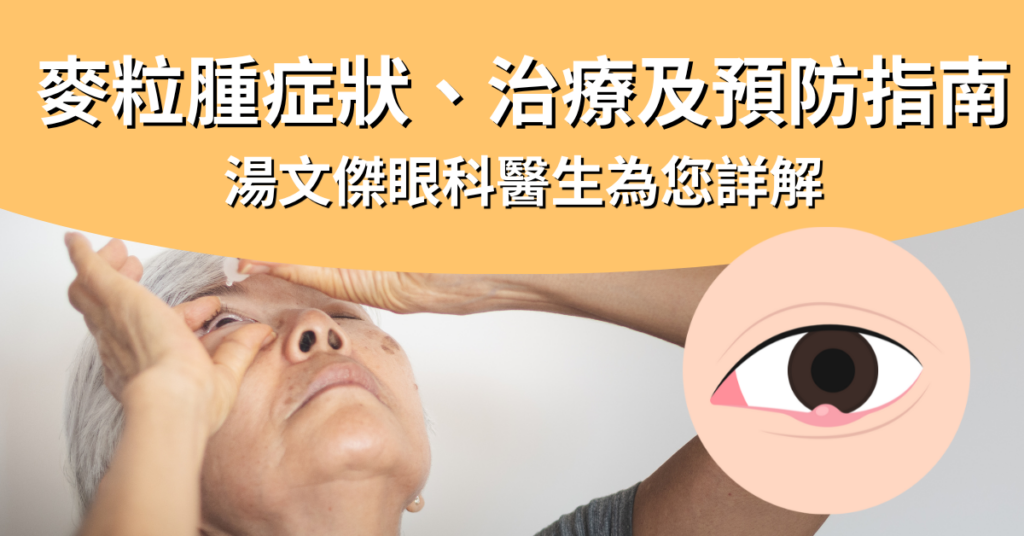
Corns of the eye, also known as eye pickers, although they are not a serious eye disease, the sudden appearance of a small lump on the eyelid can cause some inconvenience in daily life. Although this condition is common and in most cases does not require medical intervention, understanding its causes, symptoms, treatment methods, and preventive measures is essential to reduce the incidence and accelerate recovery.
This article will comprehensively introduce the relevant information about blepharitis, allowing you to better understand and manage this eye problem.
What is granuloma?
Corns of the eyelid, also known as "conjunctivitis" or "stye," are a common eye inflammation. The cause of cornification is mainly due to blockage of the oil glands at the edge of the eyelid, which leads to bacterial infection and inflammation of the gland or hair follicles, resulting in a small and painful abscess. Corns usually form on the inner or outer side of the eyelid, presenting with redness, pain, and localized heat sensation.
Additionally, many people mistakenly believe that cornoid cyst and chalazion are the same eye inflammation. In fact, the causes and severity of pain are different. Chalazion is a painless swelling caused by chronic inflammation of the eyelid glands, while cornoid cyst is caused by bacterial infection and is usually red, swollen, and painful. Chalazion is usually larger and less painful, while cornoid cyst is smaller but more painful.
Type of cornflower edema
There are mainly two types of cornoid tumors: external cornoid tumors and internal cornoid tumors.
- External otitis: located at the base of the eyelashes, it causes a yellow pus abscess that usually heals quickly.
- Inner eyelid cyst: located inside the eyelid, the inflammation is longer lasting and usually more painful than outer eyelid cyst.
Symptoms of wheat germ inflammation
- Swollen eyelids
- Local eyelid pain
- Local heat sensation in the eyelids
- Small abscesses appear at the edge or inside of the eyelids
- Eye foreign body sensation
- Eye tears
- Swollen eyelids
Causes of cornflower edema
The cause of blepharitis usually results from excessive gland secretion from the meibomian glands, which leads to the formation of oil-filled particles within the eyelids. When these particles block the hair follicles or glands, bacteria can multiply and cause infection, leading to inflammation within the eyelids. Additionally, poor eye hygiene practices, touching the eyes, using contaminated cosmetics, and wearing contact lenses can also increase the risk of blepharitis.
Treatment methods for cornflower edema
Orbital inflammation is not a serious eye condition. In the early stages of blepharitis, you can self-treat with heat packs and massage at home to help remove the oil from the inner eyelids. This method should usually resolve the blepharitis within a short time. If heat packs and massage do not improve the condition, seek the help of an ophthalmologist to treat the blepharitis. Treatment options include using blepharitis ointment, oral antibiotics, and surgery.
- Heat compressApply 4-5 times daily for about 10-15 minutes each time, helping the abscess to drain out on its own.
- MassageUse your fingers to gently push. If the eyelash is on the upper eyelid, push the fingers down from the eyelid; if the eyelash is on the lower eyelid, push them up from the eye bag.
- Macular edema ointmentUse eyelid inflammation ointment or eye drops under doctor's guidance to control the infection.
- Oral antibioticsIn cases of severe infection or complications, doctors may prescribe oral antibiotics.
- Surgical drainageFor cystic acne that cannot be removed on its own, doctors may perform minor surgery to drain the pus.
How to prevent the formation of cornflower edema
- Keep your eyes cleanRegularly clean the eyelids to prevent bacteria from growing.
- Avoid touching the eyesBefore touching your eyes, wash your hands to reduce the risk of bacterial infection.
- Do not share towels or cosmetics with othersReduces the risk of cross-infection.
- Replacing cosmeticsChange your eye makeup regularly, especially the mascara and eyeliner.
- Using contact lenses correctlyWhen wearing contact lenses, follow hygiene guidelines to avoid bacterial infections.
- Managing skin healthTreating skin diseases such as acne and seborrheic dermatitis reduces the risk of ingrown eyelashes.
By understanding the causes, symptoms, and treatment methods of conjunctivitis, we can better prevent and manage this common eye problem.
If you experience persistent or severe symptoms, please seek medical attention immediately to receive professional treatment recommendations. If you have any further questions, we recommend that you contact your doctor at any time.The ophthalmologist conducted an examination.。
Common problems
Is a corn wart the same as a papule?
No, granuloma is a painful abscess caused by a bacterial infection, while a sebaceous cyst is a painless lump caused by gland blockage.
Will the pimple disappear on its own?
Yes, many cases of follicular lymphoma resolve on their own within a few days to a week, but proper treatment can speed up the recovery process.
How long does a corn cyst usually take to disappear?
It usually takes one to two weeks, but if the infection is severe or not treated properly, it may take longer.
Can you squeeze a pimple?
It is not recommended to squeeze the pus-filled cyst; doing so may worsen the infection and cause complications.
Do I need to see a doctor for granuloma?
If the granuloma does not subside, the pain worsens, or it affects vision, you should seek medical attention immediately.
What can't you eat with cornflower edema?
There are no specific dietary restrictions, but maintaining a balanced diet and good nutrition can help improve immunity.
Does cornflower edema have a contagious nature?
Corns are not contagious in themselves, but the bacteria that cause infection can spread, so good personal hygiene should be maintained.
Can you puncture a corn blister?
It is not recommended to puncture the corn itself; doing so may lead to serious infections such as cellulitis and inflammation in the brain; it is recommended to have it treated by a doctor.