Myopia

年青人 黃斑病變

Do all young people develop macular degeneration?

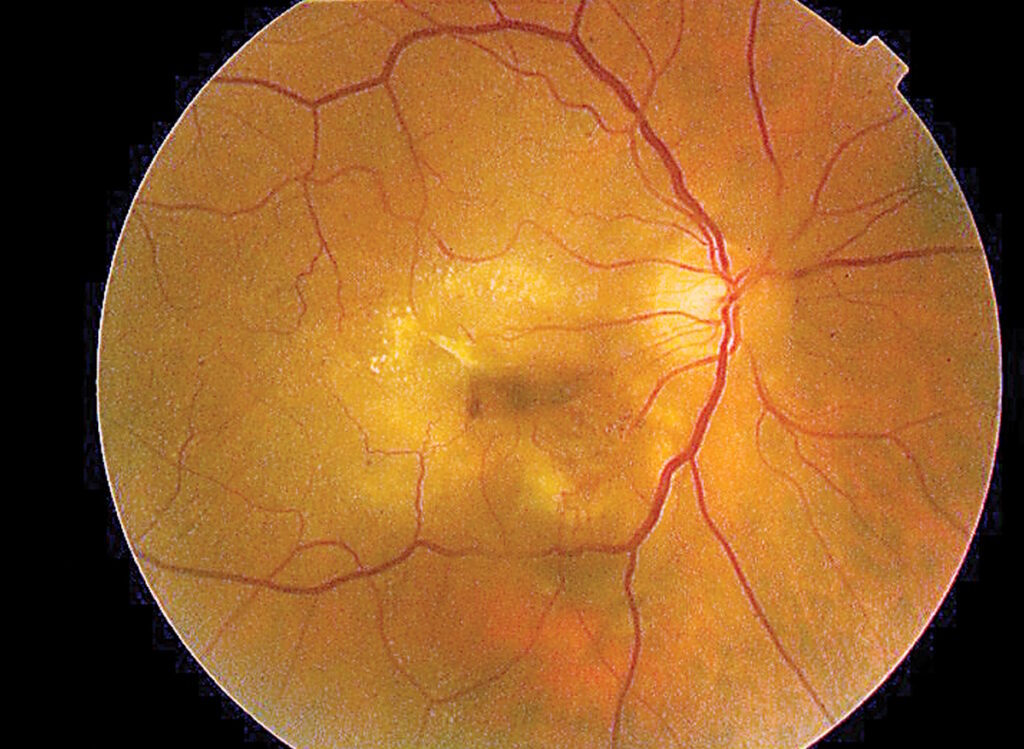
Many people think macular degeneration is an eye disease that only affects older adults. However, young people are not completely at risk. Although macular degeneration is more common in older adults, people with nearsightedness have their eyeball stretched, and the retina and macular tissue may be pulled and thinned, increasing the chance of near-sighted macular degeneration. If a person has high myopia, they are more likely to develop macular degeneration.

Dr. Tong Wenjie, an ophthalmologist, explained that the macular area, located in the center of the retina, is the most densely populated area of photoreceptors, which dominate and control our central vision. In essence, it is like the film in a camera. Once the macular area is damaged, it can lead to severe visual impairment. The loss of central vision can lead to deformation and even scarring, and in some cases, blindness.

年青人 黃斑病變

Near-sightedness and the macular area are related

The relationship between macular degeneration and the pathological changes that can be caused by high myopia is profound. The deeper the nearsightedness and the longer the eyeball, the more likely the macular and peripheral retina may be damaged by prolonged stretching, even leading to holes, atrophy, or abnormal blood vessel growth. This type of disease can cause a decline in central vision and may also result in distorted images or shadows blocking out the view. For those with myopia of 600 degrees or more, or a family history of macular disease, heightened vigilance is even more necessary.

Causes of the trend towards youthification

Age remains the main risk factor, but if young people have high myopia and lack the habit of protecting their eyes, the risk of macular degeneration may occur earlier. The aging of macular degeneration is closely related to modern lifestyle habits.

  • Long-term use of mobile phones, computers, and tablets puts the eyes under a high load for a long time, which can easily exacerbate the development of myopia.
  • Reduced outdoor activities, insufficient sunlight, lack of sleep, and too close a distance between the eyes can all cause myopia to deepen.
  • Imbalanced diet, a lack of antioxidant nutrients, and habits such as smoking can also weaken the health of the retina.

Prevention of macular degeneration

To prevent macular degeneration, the key is to monitor and protect the eyes early. People with high myopia should undergo regular comprehensive eye examinations, especially fundus examinations, to detect macular or retinal abnormalities early. In daily life, you can increase your intake of foods containing lutein, zeaxanthin, vitamins C, E, and zinc, such as deep green vegetables, fish, and orange fruits. When going out, wear sunglasses with UV protection to reduce the harmful effects of ultraviolet rays; also quit smoking, control blood pressure, blood lipids, and blood sugar, and avoid prolonged near-sighted use of the eyes. These methods can effectively reduce the risk of macular degeneration and slow its progression.

Laser vision correction for nearsightedness

SMILE Laser VisionThe main role is to correct nearsightedness by changing the curvature of the cornea and improving the position of light focus, thereby reducing or eliminating the nearsightedness. It is suitable for patients with nearsightedness within 1,000 degrees and within 500 degrees of farsightedness. It is important to note that laser vision correction cannot directly treat macular degeneration; those who were previously considered to have high myopia still have a risk of macular degeneration. To effectively treat macular degeneration, it depends on whether it is early dry or late wet macular degeneration. For more details, please refer toMethods for treating macular degeneration。

As the number of people with myopia increases and eye-care habits change, the trend towards macular disease is worth paying attention to. The earlier people establish the habit of checking, protecting their eyes, and controlling their refractive error, the better they can protect the health of the macula and avoid damage to central vision. For people with severe myopia, regular eye examinations and professional assessments can effectively reduce the risk.

Common problems

Do all young people develop macular degeneration? Read More »

高度近視 眼球結構

Why is it more likely for people with high myopia to have retinal detachment?

Why is retinal detachment more likely in high-myopes? High myopia is not just a high refractive index; when the near distance exceeds 600 degrees, the eye structure often undergoes significant changes. The eye tissue becomes thinner and more fragile, making the retina more prone to tear holes, leading to fluid infiltration and retinal detachment. Many people may only experience blurred vision on a daily basis, but in fact, high-myopes need regular eye examinations to detect problems early on.

How does high myopia change the eye structure?

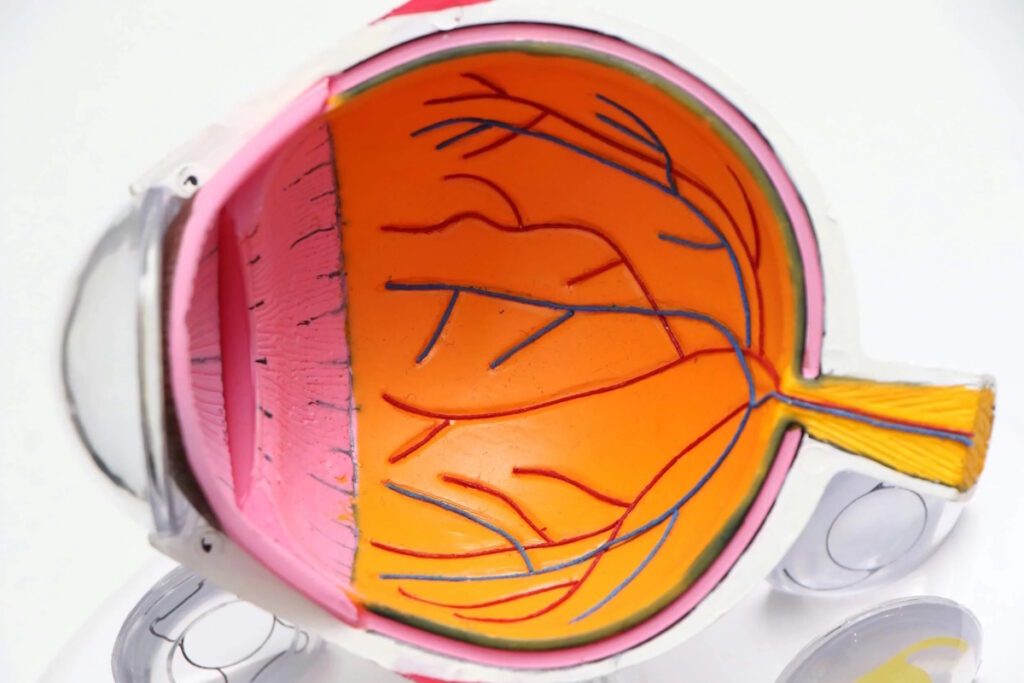
The reason why high myopia is easily prone to retinal detachment is that the eye is elongated, and the eye tissue also becomes thinner and more fragile. The normal human eye is about 24 millimeters long, but the eye of a person with high myopia gradually elongates, and some even exceed 26 millimeters or more. After the eye is elongated, the retina behind the eyeball also becomes thinner.

The retina is an important organ responsible for vision. When it becomes thin and degenerates, cracks, deformation, and even holes easily appear around it. High myopia causes the vitreous humor to liquefy and deteriorate earlier, increasing the pull on the retina and increasing the risk of retinal detachment. As age increases, the vitreous gradually shrinks, and if it pulls on the fragile retina, it can cause retinal tears.

Causes of retinal perforation and detachment

Retinal detachment usually does not occur suddenly; rather, it begins with a “retinal tear.” When a small tear develops in the retina, the aqueous humor in the eye may leak into the retina, causing the retina to separate from the eye wall, resulting in retinal detachment.

Common causes include:

  • High myopia causes thinning of the retina
  • Retinal degeneration pulls at the retina
  • External impact, high impact motion
  • Aging factors

When the retina begins to detach, the patient may experience the following symptoms:

  • Flashing lights suddenly increased
  • Flash sensation
  • The field of view is obscured by the shadows.
  • Vision rapidly declines

If not treated promptly, severe damage to vision may result permanently. If any abnormal symptoms appear, seek medical attention as soon as possible.

Why retinal surgery is often combined with cataract surgery

When performing retinal surgery on patients with high myopia, ophthalmologist Dr. Tong Wenjie will recommend simultaneously treating cataracts; this is because high myopia itself is more likely to cause early cataract development, and retinal surgery can also accelerate it.Cataract formationIf the two surgeries are performed separately, not only will the recovery period be longer, but there is also a risk of re-entering the eye; combined surgery can address both problems simultaneously in a single treatment, improving retinal repair results.

High-degree myopia treatment: SMILE refractive surgery

In addition to wearing glasses and contact lenses, more and more people have chosen to SMILE refractive surgeryIt can treat myopia; it is suitable for patients with myopia of up to 1,000 degrees and hyperopia of up to 500 degrees. However, please note that SMILE can only correct refractive errors; it cannot restore the normal length of the eye axis that has already been stretched. Therefore, it cannot eliminate the retinal risk associated with high myopia itself. After undergoing SMILE, you still need to undergo regular eye examinations to effectively reduce the risk of visual impairment.

If you have high myopia or have recently experienced sudden increases in halos, flashes of light, black shadows in your vision, or blurred vision, it is recommended that you seek evaluation from an ophthalmologist as soon as possible.

💬 Book an eye assessment

WhatsApp inquiry

Common problems

Why is it more likely for people with high myopia to have retinal detachment? Read More »

Can an LBV laser correction solve both myopia and hyperopia at the same time?

Can an LBV laser correction solve both myopia and hyperopia at the same time?

Mobile phone messages are easier to read when you look closer; looking up to see them clearly takes up too much energy; you have to replace the glasses with reading glasses. You alternate between wearing the near glasses and the reading glasses; when you take them off, you have to find another pair; many people aged 40 to 60 have the same problem. It is said that the LBV laser eye correction for presbyopia can correct presbyopia; but if you already have myopia, does that mean you can’t also wear both glasses? Does wearing both glasses after the procedure really mean you don’t have to wear both glasses?

In most cases, people with both myopia and hyperopia can be treated simultaneously with LBV (Laser Blended Vision). But “most” is the key: the myopia degree, corneal thickness, degree of hyperopia, and your expectations for post-operative vision are all important factors that determine whether LBV is suitable for you.

Myopia and Presbyopia: Two different problems that both trouble you

Myopia and farsightedness are two vision problems that are completely different mechanisms. Myopia is caused by the eyeball being too long, causing distant images to focus in front of the retina, making distant objects blurry. Farsightedness, on the other hand, is caused by the crystalline lens gradually becoming stiffer and losing elasticity with age, making it difficult to focus on close objects.

Traditional laser vision correction surgery (such as LASIK or SMILE) is used to correct myopia by cutting the cornea and changing the curvature; in doingi monovision, vision at the distance is clear after the procedure, but vision at intermediate distances is unclear.
No additional depth of focus is added
Color and contrast sensitivity may decrease
Reduced sense of three-dimensionality and distance perception

Although progressive lenses cover both near and far distances at the same time, they take a long time to adjust. Many people experience dizziness and distortion when looking at things from the side, making them particularly inconvenient in situations where frequent changes in distance are required. For people aged 50 to 65 who also have to commute to work, take care of grandchildren, or travel, the inconvenience caused by wearing glasses is often much greater than one might imagine.

How does LBV correct both nearsightedness and farsightedness at the same time?

The core principle of LBV (Laser Blended Vision) is to utilize the division of labor between the two eyes to combine depth perception: the primary visual eye (usually the habitual eye) is primarily used to correct distance vision, while the non-primary visual eye corrects to a mild near focus, allowing you to clearly see text and objects at close range.

The biggest difference between LBV and traditional "monovision" is that both eyes retain a superimposed "blend zone," allowing the eyes to not be responsible for just one distance at a time but instead have a common mid-distance visual area. The brain can naturally fuse the images from both eyes, making the visual experience more natural and avoiding the imbalance that traditional monovision can easily cause.

If the patient already has myopia, the doctor can also take the myopia degree into account when designing the LBV program, so that both eyes can correct their respective farsighted and nearsighted focus while simultaneously eliminating the original myopia, achieving the effect of improving distance, near, and intermediate vision with a single surgery.

💬 Book an eye assessment

If you have myopia and hyperopia, is it suitable to undergo LBV? Please feel free to contact us for more information.

WhatsApp inquiry

What conditions need to be evaluated before performing LBV for people with both myopia and hyperopia?

Not everyone with presbyopia and hyperopia is a good candidate for LBV. The following factors are particularly critical during the pre-operative evaluation:

Evaluation factors Generally suitable conditions Special evaluation is required
Near-sightedness About 1000 degrees or below People with high myopia have a larger cutting amount; the remaining corneal thickness must be evaluated.
Corneal thickness Corneal thickness sufficient Those with thin corneas need to calculate the remaining thickness of the underlying tissue after surgery.
Degree of farsightedness Presbyopia range from 100 to 250 degrees Those with severe farsightedness will see limited improvement.
Eye coordination Good eye-hand coordination Patients with strabismus or amblyopia require individual evaluation.
Other eye health No blue light eye problems, no severe dry eye syndrome Any eye problems should be treated first.

Preoperative evaluation typically includes corneal topography, eye pressure measurements, fundus examinations, and tear fluid analysis to ensure the surgical design is precise and the cornea has sufficient thickness to support the amount of cutting. Some people may not be able to correct all the degrees of nearsightedness and farsightedness at the same time due to corneal conditions; the doctor will develop the most suitable plan based on the individual's situation.

💡 Brain adaptation period: A unique transition phase of LBV

After LBV, the brain needs time to learn to integrate images from the primary and non-primary visual fields. Most people adjust within a few days to a few weeks, with occasional minor visual instability during this period, especially at night or in low-light conditions. After the adaptation period, visual perception tends to become natural and smooth. This transition is a normal phenomenon; understanding it before the procedure helps reduce unnecessary anxiety.

What can I expect after LBV surgery?

After undergoing LBV and correcting nearsightedness and farsightedness at the same time, in most cases, daily life no longer requires the use of glasses, including for distance vision (driving, walking, watching TV) and near vision (reading, using a mobile phone, looking at restaurant menus). For those who wish to travel and take clear photos, play cards without having to frequently change glasses, and take their grandchildren out for outings without needing to frequently change glasses, the improvement in convenience in daily life is usually more noticeable.

What you need to know is that presbyopia is a physiological phenomenon that continuously deteriorates. LBV can only correct the degree of presbyopia at the time of surgery, but cannot prevent the progression of presbyopia in the future. Over the years, some people may need to wear mild glasses for near vision in the future, which is a normal process of eye aging and not a surgical problem.

Common questions FAQ

Q1: With both myopia and hyperopia, can the LBV really solve both problems at once?

In most cases, it is possible. When designing the cutting plan for LBV, near-sightedness and farsightedness can be taken into account simultaneously, allowing both eyes to correct their respective near and far focal points while simultaneously resolving near-sightedness. Post-operative vision is improved in both distance and near vision. The final ability to correct both problems at once depends on corneal thickness, near-sightedness, and farsightedness levels, which must be determined individually before surgery.

Q2: How is LBV different from traditional monovision?

Traditional monovision involves seeing things from one eye while focusing on the other, with each eye focusing on a different area. There is no common visual overlap between the two eyes; some people find it unnatural or experience problems with depth perception. LBV adds a blend zone to the depth of field, allowing the two eyes to overlap in mid-distance vision, making the brain’s integration of the images from both eyes more smooth and the adaptation period usually shorter. The daily visual experience is also more natural.

Q3: I have a near-sightedness of 600 degrees, can LBV correct it?

Near vision with a power of 600 degrees is generally within the range of consideration for LBV. Primarily, it is necessary to assess whether the corneal thickness is sufficient to support the required amount of ablation for both nearsightedness and farsightedness. Preoperative corneal topography and precision measurements can determine the actual correction range and the respective ablation design for both eyes.

Q4: Does the post-LBV visual acuity really not require the use of glasses?

In most cases, everyday near and far vision can be achieved to the extent that glasses are no longer necessary. However, "completely not wearing glasses" varies from person to person; some people may still need mild glasses in specific situations (such as fine reading or driving at night). Before the procedure, it is important to clearly communicate with the doctor about one's expectations for post-operative vision.

Q5: Will the farsightedness that develops after LBV surgery continue to worsen?

LBV can correct presbyopia during surgery, but it cannot prevent the progression of presbyopia as people age. Several years after the surgery, some people may need to wear mild reading glasses due to increased presbyopia, especially when reading for long periods of time. This is a normal physiological aging process.

Q6: How long should I stop wearing contact lenses before having LBV?

It is generally recommended to stop wearing soft contact lenses for at least one to two weeks before the procedure. Hard contact lenses require a longer period of discontinuation (usually four weeks or more). The reason is that contact lenses can affect the corneal shape; after discontinuation, the cornea returns to its natural state; the corneal topography measurement before the procedure can accurately reflect the true data. The specific time depends on the guidance of the primary physician.

Q7: With the LBV lens with multi-focus lens, which one should I choose?

LBV involves laser cutting in the cornea, is an external eye surgery, and does not require entry into the eye. Multi-focus intraocular lenses are implanted in the eye after removing the natural lens; this is an intraocular surgery. If the patient also has early cataracts, replacing the lens may be a more suitable step to take; if the corneal condition is good and there is no cataract, LBV is a less invasive option. Each has its own appropriate conditions; it is recommended to undergo a pre-operative evaluation by a doctor based on the individual eye condition.

💬 Book an eye assessment

If you want to know if nearsightedness and farsightedness are suitable for LBV, please feel free to contact us for inquiries and reservations.

WhatsApp inquiry

Can an LBV laser correction solve both myopia and hyperopia at the same time? Read More »

SMILE 手術後視力恢復時間

After SMILE surgery, how long does it usually take for vision to recover?

SMILE surgery (micro-incision lens extraction) is a minimally invasive near-sighted correction surgery. Vision recovery is usually rapid and has become a popular choice for many near-sighted patients. Most patients experience noticeable improvement on the day of the surgery, but complete stabilization takes several weeks to several months.

Recovery time after SMILE refractive surgery

Dr. Tong Wenyue, an ophthalmologist, stated that on the day after SMILE surgery, most people were able to feel a significant improvement in their vision, with 6–8% of them regaining 100% vision. Most people were able to regain their best vision within 2–7 days, and they could resume daily activities such as reading or working without major difficulties. However, each person’s body is different, and a small minority may require 1–3 months to recover.

Factors affecting visual recovery

The recovery rate of vision after refractive surgery varies from person to person; of course, younger patients (under 40 years old) recover faster, while older people have a slower corneal healing process. Other factors include:

Pre-surgery myopia and hyperopia levelsThe higher the degree of nearsightedness, the longer the adjustment time for the nerves and cornea may be.

Eye habitsLong periods of staring at a screen or phone can slow down progress; it is recommended to take a 5-10 minute break every 30 minutes.

Is post-operative care in place?Whether to take eye drops at the right time and avoid rubbing your eyes can have a big impact.

Is there a dry eye condition?For those with more severe dry eyes, the initial blurred vision may persist for a longer period.

Which eye conditions are considered normal?

Common normal symptoms after surgery include slight blurred vision (on the day or 1-3 days), dry eyes (due to corneal nerve repair, lasting 1-4 weeks), sensitivity to light, halo around lights, and fatigue after prolonged eye use; these are mostly temporary and subside with healing.

If you experience severe pain, persistent and significant decline in concentration, excessive secretion, worsening swelling, or signs of infection, you should seek immediate re-evaluation. This may be a problem with the wound or an infection. Dry eyes or glare that do not improve after more than a week should be promptly evaluated by an ophthalmologist.

Tips for aftercare after SMILE laser vision correction

Completed SMILE Laser Vision CorrectionLater, to achieve faster and more stable vision recovery, Dr. Tong Wenjie, an ophthalmologist, recommended the following points:

  • Eye drops are used to reduce infection and dry eyes.
  • Wear sunglasses to reduce UV and strong light stimulation
  • Swimming is not recommended within three months after the surgery.
  • Except swimming, you can start exercising after a week.

SMILE surgery recovery rates are generally faster; most people recover their daily activities within a few days, but it still takes several weeks to months to achieve stable and clear vision. As long as post-operative care is proper and abnormal conditions are observed, most people can recover smoothly and enjoy clear vision. The success of the surgery is influenced by multiple factors; it is strongly recommended to consult an ophthalmologist and undergo a comprehensive examination before making a decision.

💬 Book an SMILE laser vision correction consultation

WhatsApp Booked SMILE Laser Vision Consultation

After SMILE surgery, how long does it usually take for vision to recover? Read More »

矯視後度數反彈的情況常見嗎

Is it common for presbyopia to rebound after refractive surgery?

The so-called "regression of vision" refers to the situation where the vision that had already been corrected returns after completing laser refractive surgery, resulting in nearsightedness, farsightedness, or astigmatism. However, after a period of time, the nearsightedness or astigmatism returns, requiring the need to re-wear glasses or contact lenses, or even considering undergoing another refractive surgery.

In most cases, the rebound is relatively mild, such as recovering 50 to 100 degrees, and it will not return to the near-sighted state seen before the surgery. Slight fluctuations in vision are normal; for example, in the first few weeks or months after the surgery, vision may be good or bad, with night glare and halos gradually stabilizing as the cornea recovers; this is not necessarily considered a "true rebound."

The main reasons for the rebound after refractive surgery

Corneal repair and deformation

The structural changes of myopia are still ongoing, especially in young patients with a pre-operative refractive error that is higher than normal. If surgery is performed before the myopia is fully stabilized, the eyeball may continue to elongate and the refractive error will naturally increase again.

Excessive eye strain and working close up often

Long-term use of computers, mobile phones, and reading close objects by Hong Kong people causes the ciliary muscles to contract continuously, keeping the eyes strained. In the long run, this can worsen the development of myopia and, if left untreated after refractive surgery, it also increases the risk of recurrence.

Improper post-operative care or no follow-up

Failure to visit the eye doctor on time, discontinuing medication without consulting a doctor, not following the doctor's instructions to avoid rubbing the eyes, and engaging in strenuous exercise can all affect the corneal recovery and stability, increasing the risk of unstable or even progressive vision loss.

How to reduce the risk of rebound after refractive surgery?

It is generally recommended that the near-sightedness be stable for at least 1–2 years without any significant deepening before considering refractive surgery to avoid surgery during the development phase of myopia and reduce the effectiveness of the treatment.

Wear sunglasses

Sunglasses can effectively block the ultraviolet light from damaging the fragile cornea, prevent dust and foreign objects from entering the eyes, and reduce the sensitivity and discomfort of the eyes to strong light.

Strictly follow the doctor's instructions

Take your eye drops on time, avoid rubbing your eyes, stop swimming for 3 months, and visit the doctor on time to allow the cornea enough time to recover and stabilize.

Long-term eye-care habits

Use a near-distance screen for 20–30 minutes each day to rest your eyes and stare at distant objects for a few minutes; this will reduce the long-term tension in the ciliary muscles; maintain adequate sleep and proper lighting.

如何減低矯視後反彈風險

What should I do if the rebound occurs?

Professional eye and cornea examinations

An ophthalmologist or optometrist will examine the current refractive error, corneal thickness and shape, eye pressure, and anterior chamber to determine whether it is a minor physiological fluctuation or a true refractive recovery, and to rule out problems such as corneal expansion.

Wearing glasses or contact lenses

If the refractive error is not significant, or the patient no longer wishes to undergo surgery, they can wear glasses with a moderate prescription or soft or hard contact lenses to restore clear vision.

Evaluate whether it is appropriate to undergo a "second refractive surgery"

With the safety assessment passed, there is a chance to recommend a second refractive surgery. Dr. Tong Wenyang, an ophthalmologist, explained that if a second refractive surgery is to be performed, two important conditions must be met. First, through a corneal topography examination, to understand the results of the first laser refractive surgery, such as whether the laser was accurately applied to the center of the cornea. Second, it is necessary to evaluate whether the corneal thickness is sufficient to ensure safe continuation of the refractive surgery.

SMILE Smile Vision Correction Technology

The latest laser vision correction technology is SMILE Smile correction lensThe principle is to use laser to improve nearsightedness and farsightedness based on the patient's refractive index requirements.

Dr. Yu Wenjie, an ophthalmology specialist, explained that SMILE is different from traditional laser vision correction procedures: traditional techniques require creating a 20 mm long incision on the cornea to form a corneal flap, then opening the flap to thin the cornea using laser. In contrast, SMILE requires only a small incision of about 2 to 4 mm, extracting corneal tissue through this tiny wound to correct myopia. This minimally invasive method reduces the area of corneal surface damage and enhances post-operative stability and comfort.

Even if you have good eyesight, it is recommended to have an eye examination once a year to detect changes in vision or problems with the cornea early and treat them promptly.

💬 Book an SMILE laser vision correction consultation

WhatsApp Booked SMILE Laser Vision Consultation

Is it common for presbyopia to rebound after refractive surgery? Read More »

黃斑病變食療

Treatment for macular degeneration: 6 essential nutrients at a glance

Macular degenerationMacular degeneration often occurs in people over 65, hence it is also known as age-related macular degeneration (AMD). People who suffer from this eye condition experience blurred central vision and distorted images, and in severe cases it can even lead to blindness.

Since macular degeneration is an incurable eye disease, once it is detected, only certain treatment methods or dietary supplements can slow down the progression of macular degeneration. Therefore, preventing macular degeneration has become very important, and changing certain dietary habits or eating patterns to prevent macular degeneration is one of the most direct methods. This article will introduce the important nutrients and dietary habits for macular degeneration treatment to help everyone maintain eye health.

6 Major Nutrients for Preventing Macular Degeneration

The following are reference values for nutrients and some corresponding foods that are helpful in preventing macular degeneration:

  • Lutein: Spinach, asparagus, carrots, cauliflower, pumpkin, etc.
  • Vitamin A: Red sweet potatoes, egg yolk, beef liver, mango, goji berries, etc.
  • B vitamins: Salmon, pork, beef tallow, milk, nuts, etc.
  • Vitamin C: Lemons, Guavas, Oranges, Papayas, Strawberries, etc.
  • Vitamin E: Salmon, almonds, cashew nuts, wheat germ, olive oil, etc.
  • Zinc: Whole grains, seafood, meat and beans

Flavonoids

Beta-carotene is an important substance that forms the retina and the macular region. It is the main pigment source of the retina. It not only has antioxidant effects but also absorbs harmful light, reducing the damage to the eyes and reducing the risk of macular degeneration.

Vitamin A

Adequate supplementation of vitamin A can maintain the normal function of retinal epithelial cells and help promote the metabolism of the cornea and retina.

Vitamin B group

Vitamin B complex includes various vitamins such as B1, B2, B6, and B12, which effectively maintain visual acuity and retinal nerve cells and prevent cell aging. These vitamins help promote blood circulation in the eyes, eliminate eye fatigue, and are recommended for people with excessive eye strain to supplement these nutrients regularly to prevent macular degeneration.

Vitamin C

In addition to helping prevent macular degeneration, supplementing with vitamin C can also prevent eye diseases such as cataracts, glaucoma, and retinal degeneration. Vitamin C possesses extremely powerful antioxidant properties that protect the eyes from free radical damage, and also promotes blood circulation in the microvessels of the retina, thereby preventing macular degeneration.

Vitamin E

Vitamin E has the ability to remove free radicals and also slows down the oxidation of lutein, maintaining eye health and preventing macular degeneration. In addition, vitamin E is mainly concentrated in the retinal pigment epithelial cells and photoreceptor cells, making it one of the essential nutrients for maintaining retinal health.

鋅

Zinc itself possesses considerable antioxidant capacity, and has been confirmed by many scholars to effectively maintain eye health and prevent macular degeneration. Additionally, zinc in the eye helps vitamin A function in metabolism, maintaining normal retinal epithelial function and maintaining eye health.

Dietary habits to prevent macular degeneration

In addition to specific nutrients, good dietary habits are also key to preventing macular degeneration. Here are some dietary practices that can help improve vision health:

Low-glycemic diet

People with diabetes are more likely to develop macular degeneration or a range of eye diseases than the general population. This is because high blood sugar levels can damage the retina and even cause it to detach. Therefore, ophthalmologists generally recommend diabetics follow a low glycemic diet to reduce glycation end products and control blood sugar levels while also preventing eye diseases such as macular degeneration and retinal detachment.

A low-glycemic diet, as the name suggests, is one that:Eat low-carbohydrate foods to reduce fluctuations in blood sugar levels, such as whole grains, vegetables, and lean meat.Both of these are low-glycemic foods; while white rice, white bread, and processed meats are high-glycemic foods.

In addition to people with diabetes, ordinary people can also consider adopting a long-term low-glycemic index diet to maintain their health. The simplest way to implement a low-glycemic index diet is to follow the diabetic diet, which not only prevents macular degeneration but also prevents the onset of diabetes.

Mediterranean diet

A study in Australia found that participants who followed the Mediterranean diet were 41 percent less likely to develop macular degeneration than those who did not follow the Mediterranean diet, confirming that the Mediterranean diet can prevent macular degeneration.

Mediterranean dietConsists primarily of fresh vegetables, fruits, fish, olive oil, and nuts, with a small amount of red meat and dairy products.This diet is rich in antioxidants and unsaturated fatty acids, which can effectively reduce the inflammatory response in the eyes and help prevent macular degeneration.

If you want to prevent or improve macular degeneration through a Mediterranean diet, it is recommended to consult an ophthalmologist for further advice or to get more knowledge and recipes to prevent macular degeneration from your nutritionist.

Balanced diet

If you are unable to follow the low-glycemic diet or Mediterranean diet for preventing macular degeneration due to work or other reasons, then try to ensure a balanced daily intake of nutrients as much as possible.Eat two servings of fruit and five different colors of vegetables dailyReduce your intake of fast food or high-fat, high-salt, and high-sugar foods. If necessary, you can also have a nutritionist create a preventive eye disease treatment plan for you or take appropriate supplements. Maintaining a balanced diet not only helps prevent macular degeneration but also maintains good health.

If you suspect you have macular degeneration, do not blindly rely on folk remedies or alternative treatments; it is essential to consult an ophthalmologist as soon as possible and undergo a detailed examination so that a professional doctor can develop the most effective treatment plan for you.Treatment plan。

Common problems

What are some recommended remedies for macular degeneration?

If you only want to prevent macular degeneration, you can simply drink any soup containing the appropriate amount of various nutrients; for patients who have already been diagnosed with macular degeneration, you can consult a nutritionist or ophthalmologist to choose a soup that is effective in treating macular degeneration.

Will eating alone cure macular degeneration?

As of current medical knowledge, macular degeneration has no cure, but proper treatment and dietary management can slow the progression of macular eye disease. It is recommended that if you suspect macular degeneration, you should seek immediate medical attention.

Treatment for macular degeneration: 6 essential nutrients at a glance Read More »

smile vs lasik

Which is better: SMILE or LASIK? Dr. Tong Wenyue explains it in detail for you

SMILE smile lens replacement (English:Small Incision Lenticule Extraction) and LASIK corneal cutting laser vision correction (English:Laser Assisted in Situ Keratomileusis) are two common laser vision correction surgeries with their own characteristics and applications.

LASIK uses ultra-precise laser to create corneal flap and reshape the cornea to correct vision. It is suitable for nearsightedness, farsightedness, and astigmatism. SMILE uses femtosecond laser to create a lens-like tissue inside the cornea and remove it through a small incision. It is mainly used to treat nearsightedness and astigmatism.

Compared to LASIK, SMILE has smaller incisions, faster recovery, and fewer post-operative discomforts and dry eye symptoms. What are the differences between these two eye surgeries? Which groups of people are best suited? How should you choose? The following will explain them in detail.

What is LASIK laser vision correction?

Laser-assisted in situ keratotomy (LASIK) originated in the 1990s and was introduced to Hong Kong in 1992. It is a common eye surgery in Hong Kong.

The basic principle of LASIK surgery is to change the corneal shape by grinding the corneal middle layer with a femtosecond laser. This procedure is used to correct vision problems such as nearsightedness with an angle of up to 1500 degrees, farsightedness with an angle of up to 600 degrees, and astigmatism. By precisely reshaping the cornea with femtosecond laser, the light can be focused correctly on the retina, improving vision.

Since the introduction of LASIK surgery, its technology has continuously improved, making the surgical process more precise and safer. Thousands of patients have already been able to get rid of glasses and contact lenses through LASIK surgery and enjoy clearer vision. Today, LASIK surgery has developed into a highly mature and widely accepted vision correction method.

LASIK Surgery Process

  1. Disinfection and anesthesia: Before the surgery begins, the doctor will disinfect and inject anesthesia around the patient's eyes to ensure that they do not feel discomfort during the procedure.
  2. Making the corneal flap: The doctor uses a femtosecond laser to cut the corneal flap, then lifts it open to expose the lower layer of the cornea.
  3. Laser reshaping of the cornea: Using ultra-precise laser beams, it precisely removes part of the corneal tissue to reshape the cornea.
  4. Replaced corneal flap: After reshaping is completed, the corneal flap is replaced, and the wound will heal naturally, so there is no need for sutures.
  5. Postoperative care: After the surgery, the doctor will provide some care instructions, including the use of antibiotic eye drops and artificial tears, and recommend regular follow-up visits for checkups.

What is SMILE smile correction?

SMILE Laser Vision CorrectionSmall incision lenticule extraction is a new type of laser refractive surgery that was introduced in 2011 and introduced to Hong Kong in 2014. The SMILE refractive surgery principle is to useFemtosecond laserThe procedure involves cutting the middle layer of the cornea through the upper layer of the cornea, then removing it through a small incision to change the curvature of the cornea, thereby achieving corrective vision. This surgical method does not require the creation of large corneal flaps, thus causing less damage to the cornea.

SMILE laser vision correction can be used to treat myopia, hyperopia, and astigmatism.PresbyopiaFor presbyopia, it has the characteristics of high accuracy and low risk. Due to the small incision and shorter post-operative recovery time, patients also experience greater comfort. As technology advances, SMILE eye surgery in Hong Kong has gradually become one of the preferred vision correction procedures for many patients.

In addition, to make it more efficient and safer for ophthalmologists to perform SMILE surgery, a upgraded version of SMILE PRO has recently been introduced. SMILE PRO is a great benefit for patients who are sensitive, nervous, or afraid that their eyes will not be able to focus properly.

SMILE Surgery Process

  1. Disinfection: Ophthalmologists will use sterile eye surgery-grade disinfectant to clean the skin, eyelids, and eyelashes around the eyes.
  2. Corneal Lenses Cut: Ophthalmologists use the SMILE device's laser to cut the corneal lens, which is the middle layer of the cornea. This is the difference between SMILE laser vision correction and LASIK.
  3. Micro-incision creation: Using a laser, a micro-incision of approximately 2 to 4 mm is created in the upper layer of the cornea.
  4. Remove the lens: Use a device to remove the cut cornea lens from the micro incision, then close the incision.
  5. Postoperative care: After the surgery, the doctor will provide care guidance, including the use of antibiotics.Eye dropsIn combination with artificial tears, regular check-ups are recommended.

LASIK vs SMILE Comparison

LASIK and SMILE each have their own advantages, and it is impossible to say which one is better. If you want to correct your vision through surgery, we recommend that you visit a reputable eye clinic to consult with a doctor. After a series of examinations and consultations, I believe the doctor will provide you with the best treatment plan.

LASIKSMILE
Eligible personsUp to 1500 degrees for nearsightedness; up to 600 degrees for farsightedness; up to 600 degrees for astigmatismUp to 1000 degrees for nearsightedness; up to 500 degrees for farsightedness and presbyopia
Surgical time (one eye)About 10 minutesAbout 5 minutes
Laser procedure time (single eye)Production of corneal flap: 10 seconds laser reshaping of cornea: 10~30 secondsAbout 25 seconds (smile pro can be shortened to 10 seconds)
Size of the woundApproximately 20 mmAbout 2-4 mm
Natural healing time of the corneaSeveral weeksWithin several hours/several days
Postoperative discomfortThere may be slight discomfort.Less discomfort
AftereffectsThere may be a risk of corneal flap dislocation.The risk of smile correction surgery is extremely low
AdvantagesRecovery is fast, and visual acuity improves significantly.The incision is small, and the corneal structure is more stable.
DisadvantagesThere is a risk associated with the corneal flapThe technology is newer, and there are fewer long-term effectiveness data.
Dry eyesYesMild
PainThere was almost no pain after the surgery.There was almost no pain after the surgery.

Whether it’s LASIK or SMILE, both are effective vision correction surgeries with their own advantages and applications. Patients should discuss the details with a professional ophthalmologist based on their own eye conditions and needs to choose the most suitable surgical method. With advancements in modern technology, more and more people are expected to be able to break free from the constraints of glasses and contact lenses and enjoy clearer vision and a higher quality of life.

Common problems

Will LASIK and SMILE surgery cause scarring after the procedure?

Data shows that more than 95% of patients maintain good results after LASIK surgery for many years; only a small percentage of them need a second surgery within 10 years to improve their vision; while SMILE smile lens surgery has smaller incisions and a more intact cornea after surgery, and there is usually a lower chance of vision rebounding after the surgery.

What are the prices of LASIK and SMILE? Are they expensive?

The price of LASIK and SMILE depends on individual circumstances. It depends on what vision problems you want to improve, whether the surgery is for just one eye or both eyes, and many other factors that affect the price of LASIK and SMILE. Therefore, we recommend that you schedule an appointment with a trusted ophthalmologist.

How long after surgery can I resume work?

Most people can resume work within 1 to 3 days after LASIK surgery, while the recovery time after SMILE surgery may be shorter. Each person's situation is different, so it is recommended to follow the doctor's advice after the procedure.

How should I care for myself after SMILE surgery?

The most important thing to follow after SMILE surgery is the doctor's instructions regarding medication, regular follow-up visits, and avoiding contact with sewage in the first week. For more information about post-operative care, please visitSMILE Laser Vision CorrectionView.

What are the risks of SMILE vision correction?

SMILE refractive surgery has a lower risk, but still presents some potential complications after the procedure, such as dry eyes, reduced night vision, and sensitivity to light; while inflammation between the layers of the cornea and bacterial infections are more rare.

Which is better: SMILE or LASIK? Dr. Tong Wenyue explains it in detail for you Read More »

老花眼症狀

Symptoms and causes of presbyopia

PresbyopiaEye fatigue is a normal physiological phenomenon. The main characteristic of presbyopia is a decrease in near-vision ability, especially when reading or performing close-up work. Presbyopia is a vision problem that develops with age; symptoms usually begin around age 40, and the cause is the deterioration of the function of the ciliary muscle and the lens, resulting in slower focusing ability.

8 Major Symptoms of Presbyopia

Although presbyopia is not considered a serious eye disease, as people age,PresbyopiaThis will also deepen over time, and the symptoms of presbyopia will become increasingly noticeable. This will greatly affect your daily life and work efficiency. The following are some symptoms that may indicate that you have presbyopia:

  1. When reading or watching on a mobile phone, it takes more than 40 centimeters of distance from the eyes to see the letters clearly.
  2. The eyes are prone to fatigue/dryness/pain.
  3. It is difficult to see nearby objects in dimly lit environments.
  4. When looking at distant objects and then looking closer, the focusing seems to be slower.
  5. You need to blink or rub your eyes frequently to try to adjust the focal length.
  6. Reading time is reduced, requiring more rest time.
  7. You may experience blurred or unclear vision, especially at close range.
  8. Performing fine work, such as detailed drawing or the making of handmade crafts, requires more time and effort.

2 ways to self-test for farsightedness

In fact, the early symptoms of presbyopia are not obvious; many people also believe that they are caused by excessive eye strain or temporary blurred vision. The following provide two methods for you to test at home to see if you have presbyopia. However, this is not a professional diagnostic method; if you notice that you already have presbyopia symptoms, we recommend that you visit a professional eye clinic for a comprehensive examination and develop a treatment plan tailored to your needs.

Banknote testing

  1. Take out a banknote and place it in the most visible place for you.
  2. Then focus on the small print on the banknote.
  3. The visual line leaves the banknote and the object 2 to 3 meters away is seen approximately 5 seconds later.
  4. Then look back at the small text line again to see if you can read it in a few seconds.

If you can focus within 1 second, that’s normal; if it takes more than 1 second, you’re at risk of developing presbyopia; if it takes more than 3 seconds, it’s almost certain that you have presbyopia.

Examination of symptoms of presbyopia

  • When looking at an object, I sometimes want to take off my glasses; wearing them actually makes it clearer to see.
  • You feel that the home or office is dimmer than before.
  • Often misread numbers or letters
  • Often feel tired in the eyes
  • Shoulder and neck pain, stiffness
  • Constantly frowning and feeling dizzy

All of the above are common characteristics of presbyopia. If you have more than 3 symptoms, you may be suffering from presbyopia. It is recommended that you consult an ophthalmologist as soon as possible for professional advice and assistance.

Causes of presbyopia

The main cause of presbyopia is the gradual loss of elasticity and flexibility in the ciliary muscle and lens in the eye, which prevents the eye from adjusting its focal length accurately, resulting in a decrease in near vision and the symptoms of being unable to see near objects. Presbyopia is usually associated with age, but it can also be influenced by other factors.

In addition to natural aging, the following causes can also contribute to the development of cataracts:

  • Genetic factors: Genetics may influence whether a person is susceptible to cataracts and the age at which they develop them.
  • Long-term eye fatigue: Prolonged exposure to electronic screens or other close-up work can lead to symptoms of presbyopia in young people.
  • Environmental factors: Harsh environmental conditions, such as strong ultraviolet radiation or pollutants, can also accelerate the development of cataracts.

How to Prevent and Treat Presbyopia

Almost everyone cannot avoid the symptoms of presbyopia. Although there is currently no mature technology to prevent presbyopia, we can slow down the progression of presbyopia through various methods, such as maintaining good eye-care habits, giving the eyes adequate rest periods, and eating more eye-healthy nutrients.

If you start to notice signs of presbyopia, you don't need to worry too much; you can choose to wear reading glasses or reading glasses with a wide lens.LBV Presbyopia Laser Vision Correction TreatmentPresbymaxPresbyopia correctionGo for surgical methodsImprove farsightedness。

In summary, presbyopia is a vision problem related to age. To slow down the onset of presbyopia symptoms, it is essential to maintain eye health on a daily basis, and undergo regular eye examinations to promptly intervene and treat the condition to effectively maintain good vision and maintain quality of life.

Symptoms and causes of presbyopia Read More »

近視和老花分別_封面圖

What should I do if I have both nearsightedness and farsightedness? Read this article to learn about refractive eye surgery methods.

Myopia andPresbyopiaThese are two different vision problems, but they can indeed coexist in the same person. These common vision problems can affect quality of life and work efficiency, so it is important to identify them early and actively seek appropriate vision correction solutions. The following will help you distinguish between nearsightedness and farsightedness, and how to correct nearsightedness + farsightedness.

What is presbyopia?

Presbyopia is a part of the natural aging process of the eyes; it usually occurs after age 40 and mainly manifests as blurred near vision. As age increases,The degree of old flowersThis gradual increase is due to the crystalline lens of the eye losing its elasticity and weakening its refractive power, making it difficult for the eye to focus on objects at close range, especially in darker environments.

Although the incidence of farsightedness is related to age, with the advancement of technology, almost everyone is surrounded by electronic devices. Long hours of staring at screens lead to prolonged strain on the ciliary muscles, prematurely aging the eyes. In Hong Kong, the incidence of farsightedness among people under 40 has increased by 20 to 30 percent; many people even begin experiencing symptoms of farsightedness between the ages of 35 and 40.

What is myopia?

Unlike nearsightedness and farsightedness, nearsightedness refers to the ability to see clearly when looking at objects at close range, but seeing distant objects becomes blurry. Nearsightedness is usually caused by the cornea of the eye or the length of the eye not matching its refractive power, resulting in the light not being properly focused on the retina.

The causes of myopia are mainly two: hereditary and acquired. However, myopia is mainly caused by acquired factors, such as prolonged near-distance reading or using electronic devices, or using the eyes in overly bright or dark environments. In contrast, the risk of hereditary myopia is relatively low, unless both parents are severely nearsighted.

How to distinguish between farsightedness and nearsightedness?

Presbyopia and myopia are two different vision problems. Presbyopia is the inability to see clearly at close distances; myopia, on the other hand, is the feeling of blurred vision when looking at objects at long distances.

The following chart provides a simple overview of the signs, causes, prevention, and treatment methods for farsightedness and nearsightedness.

PresbyopiaMyopia
SymptomsClose-up images are blurry and difficult to read.The long-distance image is blurry and the road signs are not clearly visible.
CausesAging of the ciliary muscle and stiffness of the corneaExcessive eyeball protrusion
Prevention methodsAvoid excessive eye strain. Eat a healthy diet. Regular eye examinations after age 40* Cataracts cannot be avoided; only the rate of progression can be slowed down.Reading under good lighting helps prevent long-term use of electronic devices and regular eye examinations.
Treatment methodsPresbyopia glasses and contact lensesPresbyopia correction surgeryMyopia glasses and contact lens surgery

Can people with nearsightedness also develop farsightedness?

Yes, even with myopia, it is possible to develop presbyopia in middle age or old age. People with myopia can initially see clearly with their near vision glasses, but after age 40, they may find that they cannot see clearly when looking at near objects, and even need to remove their near vision glasses to see clearly. In this case, they need to replace their glasses with ones that have presbyopia functionality.

How to treat farsightedness and myopia?

Progressive glasses

Wearing glasses is one of the most common and affordable treatment methods. If you also suffer from nearsightedness and farsightedness, you can consider choosing progressive lenses. Progressive lenses can place the degrees of nearsightedness and farsightedness on the same lens, eliminating the hassle of having to frequently replace your farsighted and nearsighted glasses. Using progressive lenses makes it more convenient to meet visual needs at different distances, making it the vision correction option most people will prioritize.

Contact lenses

Today’s contact lenses are not limited to a single function; there are also some that can correct both nearsightedness, farsightedness, and presbyopia at the same time. For those who do not like wearing glasses, you can consider choosing contact lenses that correct both farsightedness, presbyopia, and myopia at the same time. However, if you want to purchase contact lenses that can simultaneously improve near vision, farsightedness, and presbyopia, you need to seek professional eye care to have it fitted by an ophthalmologist after a series of examinations and evaluations to ensure the visual correction is effective and comfortable.

Orthopedic surgery

For some people, refractive surgery may be the best solution for quickly correcting nearsightedness and farsightedness. These surgeries can improve vision by changing the structure of the eye. If you plan to restore your vision through refractive surgery, you must seek out a qualified and professional ophthalmologist for the procedure.

It is important to note that although surgery can solve the problems of nearsightedness and farsightedness, the degree of farsightedness will still increase year by year as one ages. Therefore, before considering surgery, it is advisable to seek advice from an ophthalmologist and thoroughly understand the risks and effects of the procedure. At the same time, patients should be prepared and aware that they may need to re-wear reading glasses or contact lenses after the surgery.

#Presbyopia, myopia, # #presbyopia, myopia, #presbyopia at the same time, presbyopia with age-related myopia

What should I do if I have both nearsightedness and farsightedness? Read this article to learn about refractive eye surgery methods. Read More »

高度近視文章封面圖

High myopia threatens vision; the symptoms of cataracts cannot be ignored

High myopia itself does not directly cause serious harm to vision; there are many methods available on the market to help improve the refractive error of myopia. However, the formation of high myopia is caused by changes in the eye structure, so even if other methods are used to improve vision, a series of complications caused by deep myopia must still be faced, such as cataracts, retinal perforations or even detachment, and glaucoma.

If untreated, these problems can lead to permanent blindness. Therefore, people with high myopia need to deeply understand these potential risks and undergo regular eye examinations to ensure their vision remains healthy and to promptly address any issues that arise.

Definition of high myopia

High myopia is a relatively severe level of myopia.Near-sightedness of 600 degrees or higherIn medicine, it is defined as high myopia. Its formation is related to changes in the length of the eyeball.

High-degree near-sightedness complications

High myopia itself usually does not cause a decrease in vision. However, people with this condition are more likely to develop several other vision-threatening diseases, including retinal detachment, glaucoma, cataracts, and macular degeneration.

High-degree near-sighted examination

The harm caused by high myopia can be great or small; ophthalmologists will advise people with high myopia.Perform 1 to 2 comprehensive eye examinations within a yearOnce symptoms are detected, treatment can be administered immediately, reducing the difficulty of the treatment.

High myopia causes cataracts to deepen faster

People with high myopia develop cataracts more quickly, so they must undergo regular eye examinations to monitor their eye health.

People with high myopia are at higher risk of developing cataracts. If you need cataract surgery, use the 3-minute personal lens pairing test to get an early understanding of the best option for you.

👉 Take the test now

💬 Book an eye assessment

People with high myopia recommend regular check-ups to detect cataracts and other eye diseases early.

WhatsApp inquiry

High myopia threatens vision; the symptoms of cataracts cannot be ignored Read More »