
SMILE Laser Vision Correction
SMILE laser vision correction (English:Small Incision Lenticule Extraction) is a new type of vision correction technology that uses the Carl Zeiss VisuMax femtosecond laser system to improve the vision of patients.MyopiaVision problems such as presbyopia and cataracts. SMILE surgery uses a small 2-4mm incision to remove the middle layer of the cornea to change the curvature of the cornea, thereby achieving vision correction.
To make eye surgeons more efficient and safer during SMILE surgery, an upgraded version of SMILE PRO has recently been introduced. SMILE PRO is especially beneficial for patients who are sensitive, nervous, or afraid that their eyes won’t be able to focus.
SMILE laser refractive surgery is highly popular in Hong Kong. Clinical experiments have confirmed that the satisfaction rate after undergoing SMILE surgery is extremely high, and the results are stable. Compared to traditional laser corneal refractive surgery (LASIK), the risk of SMILE refractive surgery is lower.
Related reading:Which is better: SMILE or LASIK?
SMILE PRO | SMILE | |
| Laser time | 10 seconds | 23 seconds |
| Pre-surgery center positioning | Axis-based assistance navigation system | Manual positioning |
| Rotation positioning during surgery | Automatic adjustment | Manual adjustment |
Why choose Hong Kong Vision Center?
- Technologies such as SMILE PRO result in smaller wounds and reduce the risk of corneal flap displacement.
- High-precision instruments: Using laser equipment such as the Mel 90, highly precise corneal cutting can be achieved.
- Quick and rapid recovery: The surgical procedure takes only a few minutes, and visual acuity is usually restored the next day. Many patients resume normal life within a few days.
- Safety and personalization: Providing detailed pre-surgery examinations, formulating a plan based on the individual's refractive index (up to 1500 diopters for high myopia) and corneal thickness.
Who is suitable to undergo SMILE laser vision correction?
Generally speaking, if you meet the following conditions, you may consider SMILE laser vision correction:
- My near vision is less than 1000 degrees and my farsightedness is less than 500 degrees.
- Age 18 or older
- Within 1 year, the eye's refractive index stabilizes without exceeding a 100-point increase or decrease.
- The physical health is good; there is no impact on the eyes due to illness.
- No severe dry eye or other eye diseases
- No eye injuries
- Cornea normal
However, these are only the most basic conditions; to determine whether SMILE vision correction is suitable for you, a comprehensive eye examination must be conducted by an ophthalmologist.
SMILE Laser Vision Correction Pre-Examination
Preoperative SMILE examination is an essential step before eye surgery. In addition to assessing the patient's eye condition, it also helps determine the feasibility of the surgery and predict the surgical outcome.
Because special careful inspection is required,The pre-surgery examination takes about 2 to 3 hours.。
The SMILE eye examination includes the following:
- Corneal topography examination (including the back side)
- Corneal thickness measurement
- Dry eye syndrome
- Eye pupil size
- Dilated eye examination
- Night vision simulation
- Eye pressure measurement
- Pre-flop analysis
- Sensitivity comparison
- Eye examination
- Vision test
In addition, before undergoing examination, you should stop wearing contact lenses to prevent the cornea from being squeezed, which could affect the measurement data.
- Soft contact lenses (without presbyopia): stopped wearing them 7 days ago
- Soft contact lenses (including presbyopia): discontinued wearing 14 days ago
- Hard contact lenses: stopped wearing them 30 days ago
- Corrective contact lenses: stop wearing them 90 days ago
SMILE Laser Vision Correction Pre-Treatment
After a series of detailed examinations by an ophthalmologist, the doctor will tell you based on the results of the examination whether you are suitable for SMILE laser vision correction to improve your astigmatism/myopia/presbyopia, and will formulate the most suitable correction plan and schedule the surgery.
Before doing so, in addition to remembering not to wear contact lenses, you should also pay attention to the following:
- Try to avoid using any skincare or makeup products for 1-2 days before the surgery, and also avoid using perfume to prevent these tiny particles from entering the eyes and increasing the risk of infection.
- On the day of the surgery, it is recommended that patients wear loose and comfortable clothing to avoid wearing tight-fitting, high-necked, or hooded clothes, as this may cause injury to the eyes or cause the protective eye mask to be lost during dressing.
SMILE Laser Vision Correction Steps
Step 1: Disinfect
First, an ophthalmologist will use sterile eye surgery-specific disinfectant to clean the skin, eyelids, and eyelashes around the eyes.
Step 2: Cut the cornea lens
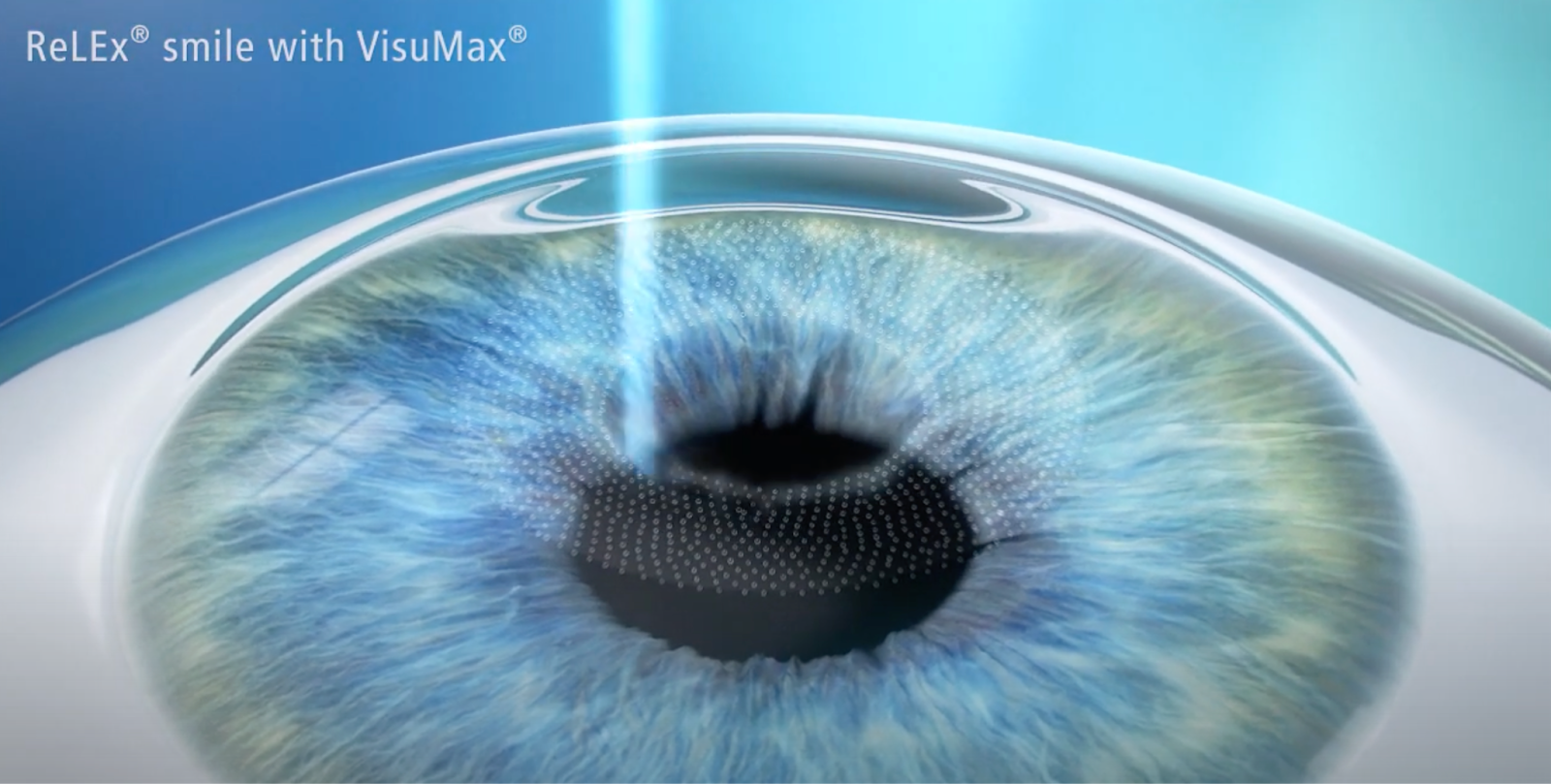
Ophthalmologists use the laser of the SMILE instrument to cut the corneal lens across the upper layer of the cornea, which is the middle layer of the cornea. This is the unique feature of SMILE laser vision correction.
Step 3: Create micro-cuts
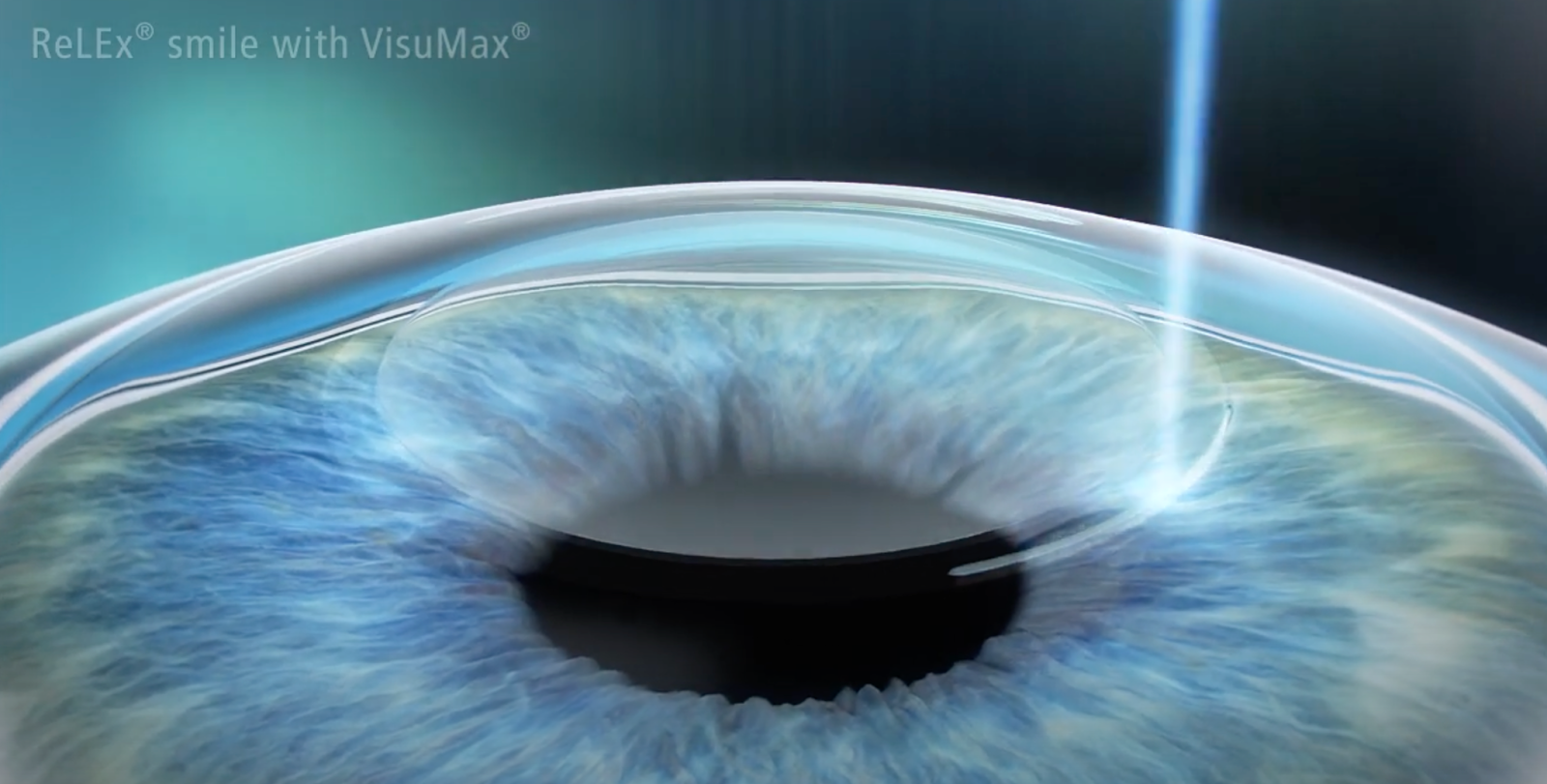
Using a laser, a micro incision of about 2 to 4 mm is made in the upper cornea.
Step 4: Remove the corneal lens
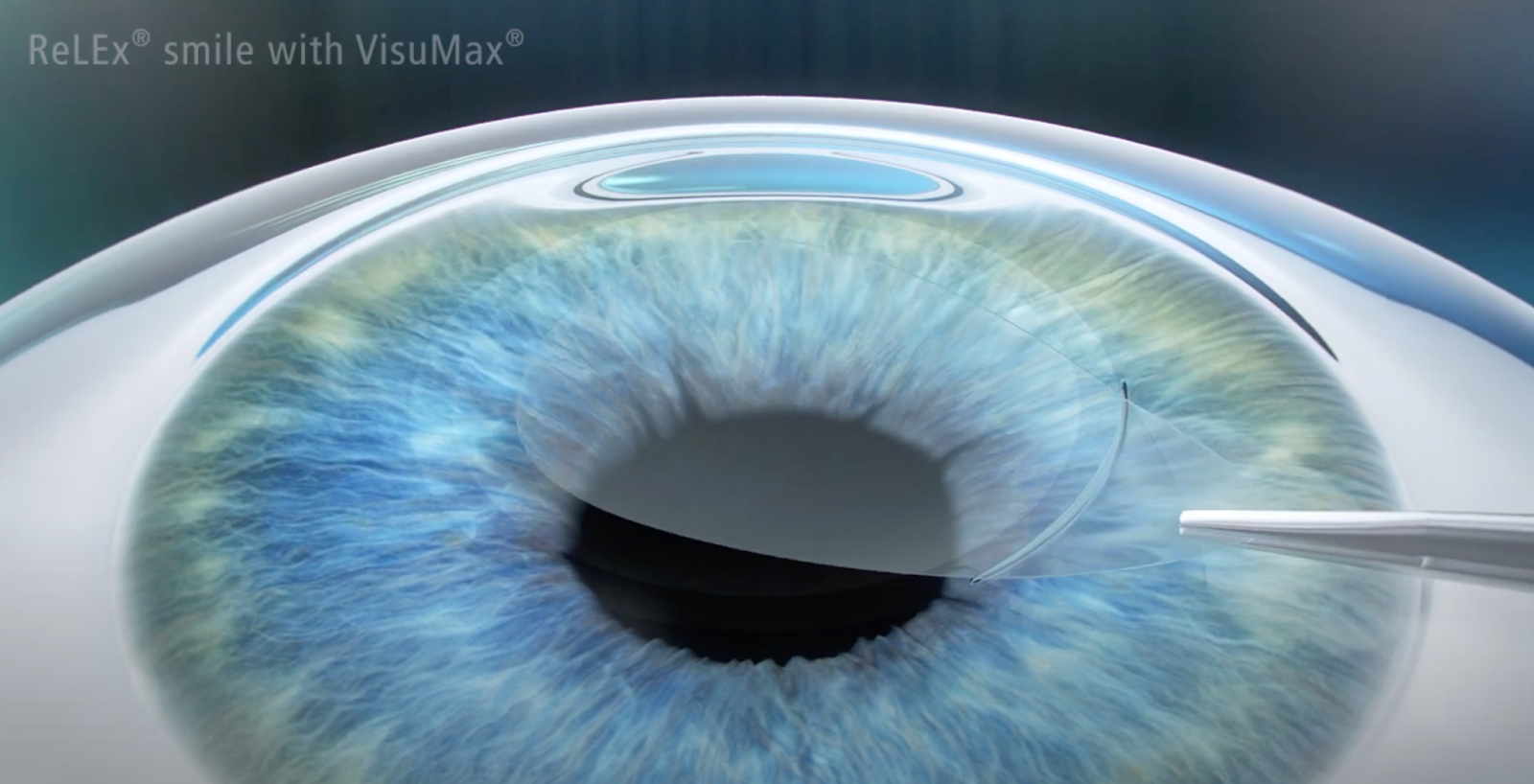
Using a device, the cut cornea lens is extracted from the micro incision, and the incision is then closed.
SMILE post-operative care
Although these types of eye surgery have minimal scarring, post-SMILE care is still very important, helping patients recover quickly and improving the success rate of the surgery.
- Use eye drops or take medication as directed by the doctor.
- Blurred vision or discomfort within a few hours after the procedure is a normal phenomenon; at this time, avoid rubbing your eyes to prevent infection of the wound.
- Do not wash your hair within 24 hours after the procedure.
- For the first week after the surgery, try to avoid contact between the eyes and sewage as much as possible, especially do not swim.
- You must use an eye shield when sleeping within 1 week after the procedure.
- Avoid strenuous exercise and heavy work within 1 week after the procedure.
- Avoid makeup and wearing contact lenses within 2 weeks after the procedure, especially eye makeup.
- The sunglasses should be worn within 1 month after the procedure to prevent UV light from causing irritation to the eyes.
- Regular check-ups and post-operative examinations
SMILE Laser Vision Correction Risks
Although SMILE refractive surgery carries a lower risk, there are still some potential complications after SMILE:
Corneal infection or inflammation
Although the surgical incision is small, there is still a risk of bacterial infection or inflammation occurring; however, if treated promptly, recovery is possible.
Dry eyes
Dry eye symptoms may occur within 3 months after surgery; this is normal and can be treated by using artificial tears appropriately. IfDry eye syndromeIf the condition persists, it is recommended to consult an ophthalmologist for improvement methods.
Visual acuity fluctuations
Some patients may experience fluctuations in vision and it may take a while for it to stabilize.
Increased photosensitivity
Some patients may experience problems such as glare and photophobia, which can especially affect nighttime driving and may persist for several months or even permanently.
Common problems
Am I a good candidate for SMILE laser vision correction surgery?
The basic requirements for SMILE are that the spherical aberration does not exceed 500 degrees and the myopia does not exceed 1000 degrees. As long as it does not exceed the mentioned degrees, a smile laser refractive surgery is still possible. However, there are still many factors that will affect the surgical outcome. It is recommended to consult an ophthalmologist and undergo a comprehensive eye examination to make a decision.
Can SMILE laser vision correction reverse nearsightedness and ensure perfect vision forever?
Increased myopia means the eyeball becomes longer. There is currently no way to shrink the eyeball back to its normal length, but laser vision correction can help eliminate the need for glasses or contact lenses. The surgery does not shorten the eyeball; instead, it changes the shape of the cornea so that light can still focus on the retina without the help of glasses or contact lenses, so we still need to be aware of the complications associated with high myopia.
Is SMILE unsafe?
Corneal refractive surgery is a minimally invasive procedure that requires only local anesthesia to numb the eyes; it is performed on the same day and does not require hospitalization. The incisions are very small, and the complications after SMILE are relatively minor or rare compared to other refractive surgeries. This makes it safer than other refractive surgeries.
How long does it take for SMILE vision to recover?
SMILE laser vision correction is a minimally invasive procedure; after the procedure, you can regain 6 to 8% of your vision the same day. Most people can regain their best vision within 2 to 7 days, but each person’s body is different, and a small minority may require 1 to 3 months to recover.
Which SMILE vision correction method is best?
Any Hong Kong eye clinic that holds a valid business license is suitable for SMILE laser vision correction.
What is the difference between SMILE vision correction and other laser vision correction?
Compared to traditional laser corneal refractive surgery (LASIK), the Smile vision correction procedure does not require the creation of a corneal flap, reducing the wound area by nearly 80%. Therefore, the surgical wound is smaller, and the risk of eye infection is relatively low.
Is SMILE worth the money/is the price of SMILE expensive?
The cost of SMILE varies depending on individual circumstances. Since the price of SMILE for single eyes and double eyes is different, the medications required for post-operative care also vary from person to person. Therefore, we recommend that you schedule an appointment with our specialist doctor.