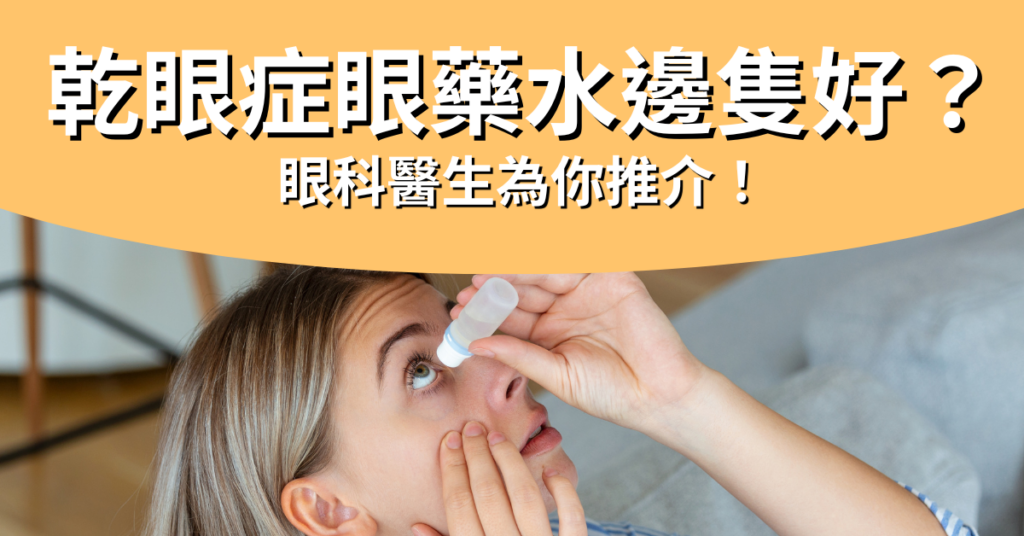
Dry eye syndrome, as the name suggests, is characterized by a feeling of dryness in the eyes. After working for a short time with the eyes, the eyes feel tired and dry. This condition significantly affects the quality of life. Dry eye syndrome is usually caused by insufficient tear secretion or abnormal gland secretion in the eyelids, resulting in dryness of the ocular surface. Symptoms include dry eyes, a burning sensation, blurred vision, a foreign body sensation, and red eyes.
Therefore, many people will casually buy eye drops that claim to treat dry eyes to alleviate the symptoms. However, these eye drops are not necessarily suitable for everyone. Below, we will introduce you to more information about dry eye medications and solutions for dry eyes.
Will dry eye drops be effective?
Dry eye drops can alleviate symptoms to some extent by replenishing the necessary tears in the eyes and reducing friction. However, different eye drops contain different ingredients; some may contain preservatives or pharmaceutical ingredients, and long-term use can cause damage to the eyes. Therefore, it is not recommended to buy eye drops indiscriminately. If you experience dry eye symptoms, it is best to consult an ophthalmologist to determine the cause and choose the appropriate eye drops based on the doctor’s recommendations.
Types of eye drops for dry eyes
Artificial Tears
Artificial tears are the most common eye drops for dry eye syndrome. They are suitable for patients with milder symptoms and contain ingredients such as fibers to maintain consistency, dispersants to prevent evaporation, and preservatives. Artificial tears can alleviate dry eye symptoms, prevent corneal damage, and maintain the smoothness of the eye surface. Artificial tears come in three forms: eye drops, eye drops, and eye ointments. You can consult an ophthalmologist first to choose the appropriate artificial tears to improve dry eye symptoms.
- Pharmaceutical formThis is the most common type of eye drops in aqueous form; each product contains different ingredients for lubrication and moisturizing, so the effects vary accordingly.
- Glycerine-basedIt is more viscous than a water-based formula, has better moisturizing effects, and can prolong the time that moisture remains in the eyes. After applying, slight blurred vision may occur; if you are concerned about affecting your work, you can use it at bedtime.
- Ointment typeThe effect is most lasting; after using it, close your eyes for 5 minutes and rotate your eyes to ensure the ointment is evenly distributed. Since it may cause temporary blurred vision, it is recommended to use it before going to bed at night.
💧 Want to know how severe your dry eye is?
It takes 2 minutes to complete.Dry Eye Syndrome Index (OSDI) assessment questionnaireGet a preliminary understanding of how dry eyes affect your daily life and take early control of your eye condition.
👉 Complete the OSDI Dry Eye Assessment Questionnaire immediately
Autologous serum
Some patients with severe dry eye syndrome may not be able to relieve their symptoms with artificial tears. In this case, ophthalmologists will recommend using autologous serum eye drops. These serum are made from the patient’s own blood and contain growth factors that have anti-inflammatory and healing effects, as well as being effective in moisturizing the eye.
Since this eye drop does not contain preservatives, special care must be taken when using it to avoid contamination of the eye drop.
Anti-inflammatory eye drops
These eye drops contain anti-inflammatory ingredients as well as corticosteroids and cyclosporine. Although anti-inflammatory eye drops can alleviate dry eye symptoms, long-term use of eye drops containing corticosteroids may lead to other more serious eye diseases, so you should seek medical advice before using them.
Is dry eyes caused by dry eyes? Are eye drops the only solution?
Many people often use eye drops recommended by friends and relatives when their eyes are uncomfortable to relieve the discomfort. However, dry eyes are not necessarily caused by dry eye syndrome. Using the wrong medication not only fails to improve the discomfort but may actually worsen the situation.
When you suspect that you have the diseaseDry eye syndromeAt that time, you can self-test based on the following questions:
- Do you often experience dry eyes or fatigue?
- Are your eyelids tight or heavy?
- Blurred vision with a sense of foreign object?
- Do your eyes itch often?
- Do you have a lot of mucus and a thick secretion in your eyes when you wake up in the morning?
- Are your eyes very sensitive to external stimuli such as light, wind, and smoke?
- Do your eyes feel uncomfortable in places with air conditioning?
- Do you experience a burning or tingling sensation in your eyes?
If you experience two or more of these symptoms, it is likely that you have dry eye syndrome. However, before purchasing eye drops for dry eye syndrome, it is necessary to understand the causes of the condition in order to administer the correct treatment. It is recommended that it is best to consult an ophthalmologist after undergoing an examination to determine whether the eye drops are indeed effective.
How to use dry eye medication correctly?
After receiving a doctor's prescription, using eye drops correctly is also very important. If the eye drops are not used correctly, the effectiveness may be reduced, leading to a longer period of time to improve dry eye syndrome. Below is a list of steps for using common eye drops for dry eye syndrome:
- Ensure that your hands are clean.
- With your head tilted back, look up, and gently pull down the lower eyelid into a bag shape.
- According to the doctor's recommendation, drop the eye drops into the eye bag.
- After applying the drops, close your eyes lightly and wipe away any excess eye drops with a clean tissue. At the same time, press lightly on the corners of your eyes and the bridge of your nose with your fingers to prevent the eye drops from evaporating.
In addition to eye drops, what are some other ways to relieve dry eyes?
Eye drops are the most common type.Methods to treat dry eyesIf symptoms cannot be improved, or you need a quick solution to dry eyes, you may consider other faster and more effective treatments:
Intense Pulsed Light (IPL) treatment
Pulse-wave light therapyUsing the energy emitted by pulsed light softens the oil-producing glands in the eyelids, improves the quality of the oil, and helps with inflammation; it is especially suitable for patients with eyelid inflammation.
LipiFlow thermal pulse
LipiFlow thermal pulse therapy is a localized heating massage that melts the oil from the blocked eyelid glands, allowing the oil to be secreted normally and alleviating dry eye symptoms. This treatment method can be effective for 9 months to 3 years, and is especially suitable for patients who cannot apply heat patches.
BlephEx eyelid hygiene
BlephEx is a deep cleansing method that removes bacteria, biofilm, demodex mites, scalp flakes, and accumulated dead cells from the eyelids and eyelashes, keeping the eyelid gland openings open and improving the symptoms of dry eyes.
Laparoscopic carotid artery occlusion surgery
The lacrimal duct occlusion surgery blocks the opening of the lacrimal duct, allowing the tears to remain on the surface of the eye to maintain the stability of the tear film on the eyeball, thereby alleviating dry eye syndrome.
Finally, we recommend that you do not purchase unsuitable dry eye medication on your own, nor casually recommend dry eye medication that you think is effective to others. BecauseCauses of dry eyesDifferent conditions require different solutions. If you feel discomfort in your eyes, you can schedule an appointment with our ophthalmologist for further examination.