

How to treat dry eyes?
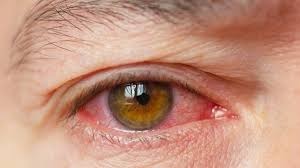
Long-term dry eyes, fatigue, and even headaches and blurred vision are all symptoms of dry eye syndrome. For urban residents, dry eye syndrome is a very common eye disease caused by eyelid gland dysfunction (MGD). Some patients may ignore it, but if it is not treated promptly, dry eye syndrome can become severe and lead to damage to the cornea and the development of corneal ulcers, resulting in impaired vision and even blindness. How should dry eye syndrome be treated? The following section will analyze common methods of treating dry eye syndrome.
Dry eye self-test
If you are concerned that the cost of dry eye testing is too high, you can first self-test for dry eye using the following questions. If you experience 2 or more of these symptoms, it is likely that you have dry eye syndrome. We recommend that you schedule an examination for eyelid gland dysfunction with our ophthalmologist as soon as possible and provide appropriate dry eye treatment.
- Do you often experience dry or tired eyes?
- Are your eyelids tight or heavy?
- Blurred vision with a sense of foreign object?
- Do your eyes itch often?
- Do your eyes feel like they secrete more and thicker mucus when you wake up in the morning?
- Are the eyes very sensitive to external stimuli such as light, wind, and smoke?
- Do you find glasses uncomfortable in places with air conditioning?
- Do you experience a burning or tingling sensation in your eyes?
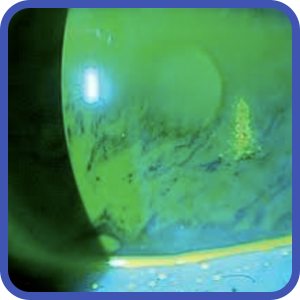
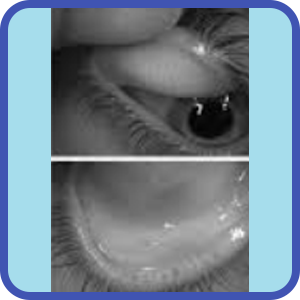
Dry eye syndrome - examination of eyelid gland function
Through eyelid gland dysfunction testing, doctors can understand the patient’s current dry eye condition and provide the patient with professional dry eye treatment methods.
Dry eye examination includes:
- Eye disease index (OSDI)Questionnaire
- Tear permeation pressure measurement (salt content in tears))
- MMP-9 protein level index(Inflammation journal cover)
- Eye-droplet evaporation test (how fast the eye drops evaporate)
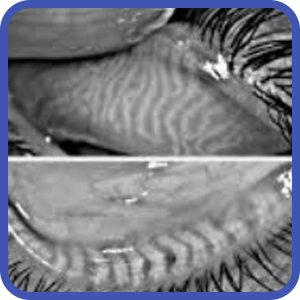
- Infrared eyelid gland imaging (shows the state of the eyelid gland inside the eyelid))
For information about the cost of dry eye examination and treatment, please contact us for more details.
A comprehensive look at dry eye treatment methods
If dry eye syndrome is confirmed after testing, you must be mentally prepared for long-term treatment and care. Because dry eye syndrome is an incurable eye condition, doctors will customize personalized dry eye treatment methods for each patient. Of course, the cost will also vary depending on the individual. Generally, treatment for dry eye syndrome involves using instruments/medicines; here are common dry eye treatment methods:
Treatment plan 1: Intense Pulsed Light (IPL) therapy
It has been proven to effectively improve eyelid gland obstruction, possesses anti-inflammatory properties, and the treatment time is fast and the process is comfortable and painless.
Intense pulsed light (IPL), also known as laser light, has long been widely used in the treatment of skin-related diseases. With the development of technology, intense pulsed light (IPL) has also been proven to be one of the effective treatments for dry eyes. By using the energy emitted by the pulsed light to enhance blood circulation in the eyelids, improve abnormal blood vessels, and selectively regulate oil secretion, it achieves optimal therapeutic effects.
Number of treatments: At least 3 to 4 treatments are required, spaced 2-4 weeks apart, depending on the severity of the condition.
* Especially recommended for patients with eyelid inflammation
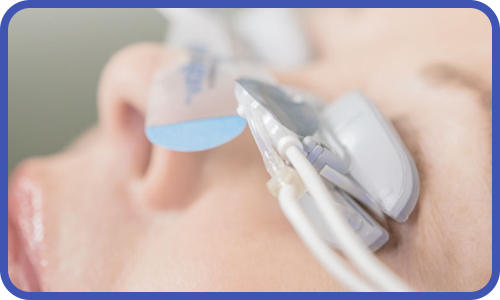
Treatment plan 2: LipiFlow thermal pulsations
Vectored Thermal Pulsation (VTP) treatment
U.S. Food and Drug Administration (FDA) registered and approved eyelid gland dysfunction device for examination and treatment
The process involves inserting a special treatment probe into the eyelid and heating it to massage, which melts the oil that has been blocked in the eyelid gland over a long period of time, promoting oil secretion to achieve the following effects:Relieve eyelid gland blockage and alleviate dry eye symptoms.The therapeutic effect can last for 9 months to 3 years.
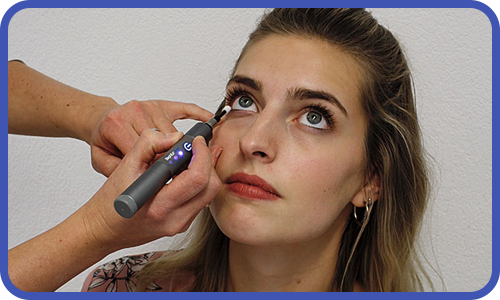
Instrumental treatment plan 3: BlephEx eyelid hygiene
Blepharitis is inflammation of the eyelids. It usually occurs due to excessive growth of bacteria. Therefore, we need to eliminate the accumulated bacteria. BlephEx can help deep clean and remove bacteria from the eyelids and eyelashes, as well as dead skin cells, biofilm, demodex mites, dandruff, and epithelial and necrotic cells. The process is safe and effective for maintaining eye lid hygiene.
Laparoscopic carotid artery occlusion surgery:
Common dry eye treatment methods mainly involve dilating the eyelid glands or administering artificial tears. However, these methods may not be effective for severe cases of dry eye. At this point, a lacrimal duct occlusion surgery may be considered. Lacrimal duct occlusion surgery involves blocking the opening of the lacrimal duct using a stent, with the principle similar to a water tank stopper, allowing the tear fluid to remain on the eye surface to stabilize the tear film on the eyeball, thereby alleviating dry eye symptoms. The cost of the surgery will depend on the examination and consultation required after visiting the clinic. Because not everyone is suitable for this type of surgery.
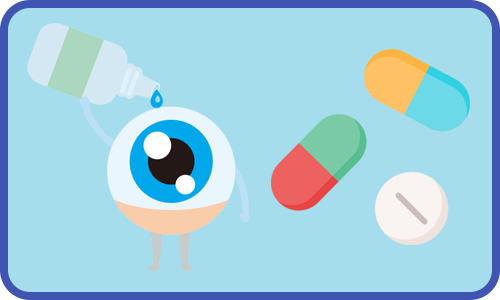
Drug treatment:
- Prescription anti-inflammatory eye drops
- Artificial Tears (Refill Oil)
- Antibiotics: Reduce the bacteria on the surface of the eye and improve the quality of the meibomian gland oil.
Other dry eye treatment methods:
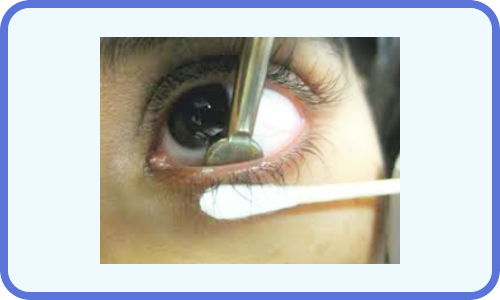
- Oil for eyelid gland compression
Pressing pressure on the patient’s eyelids leads to squeezing out the contents of the meibomian glands.
How should one care for their eyes in daily life if they suffer from dry eyes?
In addition to receiving early treatment for dry eye syndrome, patients can also follow daily care recommendations, including the following three:
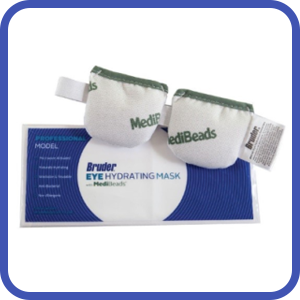
Warm eye compress
Apply warm pressure to the eyes at least once a day for 15 minutes. It is recommended to do this before going to bed.
*A towel soaked in hot water is not a suitable compress because it cannot sufficiently heat the eyelid glands.
Pay attention to humidity and the environment
Increased humidity in the environment and improved working conditions can alleviate symptoms of eye irritation and dryness. It is important to avoid direct blowing of air from fans and air conditioners on the eyes on a daily basis, and to avoid staying in places such as smoking areas or temples for too long.
Eating habits
Taking Omega-3 supplements has been shown to have anti-inflammatory properties.
Although dry eye syndrome cannot be completely cured at present, patients can improve their symptoms and enhance their quality of life through active treatment and care. After developing dry eye syndrome, it is essential to visit the doctor regularly and follow the doctor’s instructions to treat the condition, maintain good eye hygiene and eye habits, and prevent the symptoms from worsening and causing other eye diseases. If you have any further questions, please click the button below to consult our ophthalmologist.

Why do my eyes feel especially dry and tight, even sticky, every morning when I wake up?
Do you wake up with strained, itchy, or even sticky eyes every morning? It’s not just “not getting enough sleep.” Learn about the causes of night-time dry eyes, why they’re more common after age 45, and how to assess and manage them.
Can wearing contact lenses cause dry eyes? Can people with dry eyes wear contact lenses?
Contact lenses provide convenience and beauty for many people, but they also often come with dry eye problems.

Dry eyes, wearing contact lenses? Sore eyes after refractive surgery? The doctor teaches you how to care for the tear film.
I used to wear them all day without any problems, but now I have to take them off after two or three hours to see clearly.
Consultation registration
