Cataract

Cataract is a common eye disease in Hong Kong. Dr. Tam Weng-jei, an ophthalmologist, professionally shares knowledge about the causes, symptoms, treatment methods, lens replacement options, post-operative care, and diet for cataract, helping patients and their families gain a deeper understanding and choose the appropriate treatment plan.

Do cataract surgery need to be "ripe" before it can be performed? Let's break down the 5 major surgical errors, delaying treatment could lead to glaucoma at any time.

Do cataract surgery need to be "ripe" before it can be performed? Let's break down the 5 major surgical errors, delaying treatment could lead to glaucoma at any time.

阿媽話要等白內障「熟」啲先做手術,但你有冇發現佢最近連落樓梯都怕踏空、煮飯時睇唔清調味料、甚至夜晚開車見到對頭車燈就好刺眼?你最擔心嘅係:萬一佢跌親點算?做手術會唔會好危險?幾時做先最好?

其實,等白內障「熟」先做,係幾十年前嘅舊觀念。今時今日,一旦白內障影響生活,就係最佳治療時機。拖得越耐,唔單止手術難度會增加,仲可能引發Acute Glaucoma或葡萄膜炎,造成永久視力損害。現代微創技術已經可以做到傷口細、恢復快,及早處理有助減低風險,保護視力。

白內障幾時做?唔好再等「熟」

好多人以為白內障要等到瞳孔變白、完全睇唔到先需要做手術。呢個觀念喺數十年前或許適用,但喺現代微創手術下已經過時。

正確的治療時機係:當視力模糊已經影響到你嘅日常生活。

例如:你開始睇唔清藥物標籤、落樓梯怕踏空、甚至煮食時睇唔清調味料。如果因為視力問題導致跌倒受傷,後果可能比白內障本身更嚴重。現代醫學建議,只要白內障影響生活,且身體狀況許可,便可考慮手術,無需等待「成熟」。

點解唔可以再等?

過去醫生建議等白內障「熟」,係因為當時嘅手術技術需要較大傷口,手術風險較高。但隨住微創技術嘅發展,而家嘅白內障手術傷口通常只有 2-3 毫米,甚至唔需要縫針。

更重要嘅係,過熟嘅白內障會帶嚟額外風險:

  • 手術難度增加:晶狀體變硬,需要更多超聲波能量去乳化,增加角膜水腫風險
  • 併發症風險上升:膨脹嘅晶狀體可能阻塞房水排出,引發急性青光眼
  • 發炎風險:溶解嘅晶狀體物質可能引致葡萄膜炎
  • 生活質素下降:長期視力模糊影響日常活動,增加跌倒受傷風險

幾時一定要睇醫生?呢啲係警號

如果你或家人出現以下情況,應盡快求醫檢查:

視力變化嘅警號:

  1. 視力持續模糊:即使換新眼鏡都改善唔到
  2. 夜間視力變差:特別係開車時覺得對頭車燈好刺眼
  3. 顏色變淡:睇嘢好似隔住一層黃色或啡色濾鏡
  4. 複視:單眼睇嘢都見到重影
  5. 頻繁更換眼鏡度數:短時間內度數變化好大

影響日常生活嘅情況:

  • 睇電視、睇書有困難
  • 認唔到人面或睇唔清路牌
  • 落樓梯或行路時感到唔安全
  • 做精細工作(如穿針線、煮食)有困難
  • 因為視力問題而減少社交活動

記住:唔需要等到完全睇唔到先處理。一旦影響生活質素,就應該考慮治療。

💬 預約詳細眼科檢查

視力模糊影響生活?立即預約全面白內障評估

WhatsApp inquiry

拖延有咩後果?急性青光眼隨時爆發

好多人覺得白內障只係「睇唔清楚」,最多影響生活質素,但唔會有大問題。呢個諗法其實好危險。

過熟白內障可引發嘅嚴重併發症:

1. 急性青光眼(Phacomorphic Glaucoma)

當白內障發展到晚期,晶狀體會膨脹變厚。膨脹嘅晶狀體會推前虹膜,收窄甚至完全阻塞前房角(房水排出嘅通道),導致眼壓急速上升。

症狀包括:

  • 突然劇烈眼痛、頭痛
  • 視力急劇下降
  • 見到彩虹光圈
  • 噁心、嘔吐

急性青光眼係眼科急症,如果唔及時處理,可以喺幾個鐘內造成永久性視神經損傷,導致失明。

2. 晶狀體溶解性葡萄膜炎(Lens-induced Uveitis)

過熟嘅白內障,晶狀體蛋白會開始溶解,滲漏到眼內。呢啲蛋白質會引起免疫反應,導致眼內發炎。

3. 手術難度同風險大增

過熟嘅白內障會變得好硬,手術時需要使用更多超聲波能量去乳化。與其冒住呢啲風險,不如喺白內障仍然處於早中期時進行手術,安全系數會高好多。

💬 及早評估,減低風險

唔好等到出現併發症先處理,立即預約檢查

WhatsApp inquiry

深度拆解:關於白內障手術的 5 大誤區

為咗讓你或你嘅家人更安心面對治療,我哋逐一拆解坊間最常見嘅誤解:

誤區 1:白內障越熟越好做?

真相:剛好相反,過熟會增加手術風險。

誤區 2:手術過程好痛、好恐怖?

真相:局部麻醉下進行,不適感輕微。

誤區 3:年紀太大唔做得手術?

真相:年齡不係限制,健康狀況才係關鍵。

誤區 4:做完手術要長期入床休息?

真相:無需住院,復原期比想像中快。

誤區 5:傳統手術風險大,無得揀?

真相:現代技術如 FLACS 提升了手術精準度。

人工晶體選擇:唔只係「睇得返」咁簡單

好多人以為白內障手術只係「換返個清嘅鏡」,但其實現代白內障手術唔單止可以恢復視力,仲可以一併處理其他視力問題。冇一種人工晶體係「最好」,只有「最適合你」嘅選擇。建議喺手術前同Ophthalmologist詳細討論你嘅需求同期望,先可以做出最合適嘅決定。

已知有白內障,但唔確定適合哪種Artificial lens?用 3 分鐘做個初步配對測試,幫你根據生活習慣先了解方向。

👉 Take the test now

Common questions FAQ

1. 確診白內障一定要即刻做手術嗎?

唔一定。如果視力未影響生活,可以先定期觀察。但如果視力已造成困擾,或醫生評估有併發症風險,就不應拖延。

2. 白內障手術後會復發嗎?

白內障切除後不會復發。但約有 5-10% 患者喺術後一段時間,包裹人工晶體嘅後囊膜可能會變混濁,只需門診激光治療即可解決。

3. 我有糖尿病,可以做白內障手術嗎?

可以,而且更應該定期檢查。糖尿病患者患白內障嘅風險較高,且容易出現視網膜病變。

4. 白內障手術有冇年齡限制?

白內障手術冇上限年齡限制。只要身體狀況許可,經醫生評估後,任何年齡都可以進行手術。

💬 立即預約白內障評估

為你進行全面評估,制定最適合你的治療方案

WhatsApp inquiry

Do cataract surgery need to be "ripe" before it can be performed? Let's break down the 5 major surgical errors, delaying treatment could lead to glaucoma at any time. Read More »

50 歲後睇嘢有重影?可能係白內障合併散光

最近睇字會出現重影,就算戴住眼鏡都係咁?夜晚睇街燈會見到好多條光線射出嚟,好似「孔雀開屏」咁?你可能以為係散光加深,於是去配眼鏡,但驗光師話你度數冇變,建議你諮詢眼科醫生。其實,好多 50 歲以上嘅人出現呢啲症狀,都唔係單純散光加深咁簡單,而係白內障同散光「夾埋嚟」造成。

白內障會令水晶體混濁,而當水晶體開始變形、厚度不均,就會改變光線嘅折射,令原本嘅散光問題加劇,甚至產生新嘅散光。呢個時候,就算你配一副新眼鏡,都解決唔到問題,因為根源係水晶體本身已經出咗事。好消息係,現代白內障手術有多種晶體選擇,包括特殊嘅 Toric 人工晶體,可以同時處理白內障同散光問題,令你術後視力更清晰。

點解會同時有白內障同散光?

首先要明白,散光其實好常見。散光係因為角膜或者水晶體嘅弧度唔夠圓滑,導致光線入眼後無法聚焦喺同一點,形成影像變形或者重影。

但當你去到 50 歲之後,情況可能會改變。即係話,你可能本身有少少散光,但當白內障出現,散光問題會變得更嚴重。

點樣分辨係散光定白內障?

  • 突然配新眼鏡都解決唔到問題
  • 夜晚睇燈光會見到好多條光線射出嚟
  • 光線猛嘅時候反而睇得更差
  • 睇嘢好似隔住一層霧
  • 顏色變得暗淡、偏黃

如果你發現自己有以上症狀,而且戴眼鏡都無法改善,咁你就應該考慮搵眼科醫生做詳細檢查。

Toric 人工晶體:同時處理白內障 + 散光嘅選擇

對於散光度數較深、希望術後減少對眼鏡依賴嘅患者,Toric 人工晶體係一個有效嘅方案。醫生會根據你嘅具體情況,建議最適合嘅方案。

💬 立即預約詳細檢查

睇嘢有重影?夜晚眩光?為你進行全面白內障及散光評估

WhatsApp inquiry

已知有白內障合併散光,不確定適合哪種晶體?用 3 分鐘做個初步配對測試,幫你根據生活習慣先了解方向。

👉 Take the test now

Common questions FAQ

1. Toric 晶體可以矯正幾多度散光?

現時嘅 Toric 晶體可以矯正由 75 度至 600 度嘅散光。對於大部分患者嚟講已經足夠。

2. Toric 晶體同傳統晶體價錢差幾多?

Toric 晶體嘅費用一般會比傳統單焦點晶體貴數千元,視乎晶體型號同醫療機構而定。醫生會根據你嘅散光度數、生活需要、預算等,建議最適合嘅方案。

3. 手術後散光會唔會復發?

如果 Toric 晶體植入位置準確,而且術後穩定冇移位,散光矯正效果係長期嘅。

4. Toric 晶體會唔會移位?

現代 Toric 晶體設計已經好成熟,大部分都有防旋轉設計,長期穩定。

5. 植入 Toric 晶體後,可唔可以再做激光矯視?

可以。如果術後仍然有少量殘餘散光或近視,可以考慮做激光矯視作為補充。

結語:搵出最適合你嘅方案

如果你睇嘢有重影、夜晚開車見到眩光、配新眼鏡都解決唔到問題,好可能係白內障合併散光。呢個情況唔係單純配眼鏡可以解決,亦唔會自己好轉。記住,及早檢查、準確評估,先可以制定最適合你嘅治療方案。

💬 立即預約詳細檢查

睇嘢有重影?夜晚眩光?為你進行全面白內障及散光評估

WhatsApp inquiry

50 歲後睇嘢有重影?可能係白內障合併散光 Read More »

Precautions for cataract surgery for the elderly

1. 什麼是白內障手術

白內障手術是一種常見的眼科手術,主要用於移除眼睛內的混濁晶狀體,並用人工晶體取而代之。這項手術普遍適用於隨著年齡增長,視力逐漸減退的長者。透過手術,患者通常能夠顯著改善視力,恢復正常的日常生活。

2. 白內障手術的原因和成因

白內障的成因可以多種多樣,主要有年齡因素、糖尿病、高血壓及長期使用類固醇藥物等。

3. 白內障手術的流程

白內障手術通常在局部麻醉下進行,過程大約需要20分鐘,包括微小切口、超聲波乳化及植入人工晶體。手術當天即可回家,無需住院。

4. 長者白內障手術的特殊考量

對於年長患者,醫生會考慮到他們的整體健康狀況,並可能需要進行額外的檢查,以確保手術安全。此類患者還需要遵循特定的術後護理,如減少活動量、遵從藥物治療計劃等。

5. 白內障手術康復時間

大多數患者在手術後幾天內會感覺到視力的逐漸恢復,但完全康復通常需要數周時間。患者應避免夜間駕駛,遵循醫生的復診計劃,定期檢查眼睛。

6. 白內障手術費用與政府資助

白內障手術的費用因地區及醫療機構而異。在香港,患者可以透過公立醫院或診所獲得經濟實惠的手術選擇。

正在考慮白內障手術?用 3 分鐘做個人工晶體初步配對測試,了解最適合日常生活需要嘅晶體方向。

👉 Take the test now

FAQ

1. 白內障手術後的視力會變得更糟嗎?

一般來說,手術後視力會改善,但有少數患者可能出現後囊膜混濁的情況,這可以通過激光治療輕鬆解決。

2. 白內障手術後需要住院嗎?

不需要,通常患者在手術當天即可回家,無需留院觀察。

3. 患有其他疾病的患者適合手術嗎?

患有糖尿病或高血壓的患者通常也可以安全地進行白內障手術,但需要醫生根據病歷進行充分評估。

💬 Book an appointment for cataract evaluation

由眼科醫生為你進行全面評估,了解最適合嘅治療方案

WhatsApp inquiry

Precautions for cataract surgery for the elderly Read More »

預防白內障文章_封面圖

What should I do to prevent cataracts?

CataractEye diseases are caused by cloudy lenses in the eye that affect vision. Clearly, modern medicine has provided effective treatment options for cataracts; however, cataract prevention can prevent patients from experiencing vision loss and the inconveniences associated with the treatment process.

How to prevent cataracts

Cloudy vision due to aging of the eyes is usually caused by cataracts. For senile cataracts, we can achieve the purpose of prevention by changing some lifestyle habits.

  • Avoid ultraviolet and blue lightWhen going out, wear sunglasses to allow your eyes to rest properly.
  • Healthy eatingEat plenty of antioxidants such as vitamins A, C, E, and beta-carotene, and cornstarch.
  • Controlling blood sugar levelsDiabetes is an important risk factor for cataracts.
  • Quit smokingSmokers are 2-3 times more likely to develop cataracts than non-smokers.
  • Regular eye examinationsOne to two procedures per year are performed to detect cataracts early.

If you need cataract surgery, use the 3-minute initial lens pairing test to get an early understanding of the lens direction that best suits your lifestyle.

👉 Take the test now

💬 Book an eye assessment

Early detection of cataracts and early treatment. A comprehensive examination will be performed by an ophthalmologist for you.

WhatsApp inquiry

What should I do to prevent cataracts? Read More »

白內障術後多久可以自己洗頭 白內障手術康復時間 白內障手術後要休息多久 白內障術後太陽眼鏡要戴多久 白內障手術後護理 白內障手術後多久可以正常生活 白內障手術後可以看電視嗎 白內障手術後多久可以碰水 白內障手術後多久可以看清楚 白內障術後禁忌 白內障手術後多久恢復視力 白內障手術多久恢復 白內障手術後遺症 白內障手術後視力恢復時間 做完白內障手術後 白內障手術後洗頭 白內障手術康復期 白內障手術後 白內障術後保養

How should cataract patients care for themselves after the surgery? This article provides a clear overview of care and common concerns among patients.

Cataract surgery involves removing the cloudy lens through a minimally invasive procedure and then implanting a new lens.Artificial lensThe entire process takes about 10 to 30 minutes, but post-surgery care requires up to 1 to 2 months.

In addition to following the doctor's instructions regarding medication use, returning for follow-up visits, and maintaining eye hygiene, what specific steps should patients take to speed up recovery?CataractHow long does it take to recover after surgery? What are the possible complications of cataract surgery? This article will explain in detail how to care for yourself after cataract surgery and answer common questions from patients.

How long do I have to rest after cataract surgery?

Modern cataract surgery is a minimally invasive procedure, usually with a wound of only 0.2 centimeters. Therefore, the length of time after cataract surgery to rest depends primarily on the individual's visual recovery.

Generally speaking, by the 2nd day after cataract surgery, most patients are able to see clearly objects in front of them. Provided they maintain proper care after cataract surgery, they should be able to see clearly again within a few months.You can completely regain your vision within 1 week to 1 month.。 

However, we usually recommend that patients who have undergone cataract surgery use both eyes normally as soon as possible to accelerate recovery time after the cataract surgery. Within a few hours after cataract surgery, if the patient can see clearly, they can engage in some daily activities such as watching television, using a computer, eating, and taking a shower.

Nevertheless, after cataract surgery, you still need to take care of your eyes properly. You should use medication and clean your eyes as recommended by your doctor, avoid strenuous exercise, and avoid lifting heavy objects. When your eyes feel tired, you should take appropriate breaks.

Precautions after cataract surgery

Although cataract surgery is considered a minor procedure, neglecting post-surgery care may lead to eye infections and even the risk of blindness. Therefore, proper post-surgery care is crucial.

  1. According to the doctor’s instructions, clean your eyes and avoid rubbing them.
  2. Avoid collisions, heavy lifting, or strenuous exercise within 1 month after the procedure to prevent interference with wound healing or the dislocation of the artificial lens.
  3. Avoid bending over or washing your hair within 2 weeks after the procedure; avoid splashing water into your eyes when taking a shower.
  4. Wear eye masks before going to bed.
  5. When going out, wear sunglasses to prevent sunlight from damaging your eyes.
  6. If your eyes are uncomfortable for a long time, such as severe pain, severe swelling, or impaired vision, please seek immediate medical attention.

Complications after cataract surgery

Corneal transplant surgery is a safe and effective treatment method, but some potential complications may still occur. However, there is no need to worry excessively; most complications after corneal transplant are minor or rare; as long as you take serious care after the surgery and receive timely treatment, you can regain your vision.

Here are some possible complications after cataract surgery: 

  • Seeing flashes of light or shadows:Feeling some flashes or shadows within a few hours or days after cataract surgery is quite common, but these symptoms will disappear within a short time and you should not worry too much about it. After the surgery, you have a higher chance of pulling it away from the back of the eye, a condition called retinal detachment. This is an emergency situation that can cause vision loss. If you have any of the following, please see an ophthalmologist immediately: If you have any of the following, please see an ophthalmologist immediately: Feeling like a curtain has fallen on your eye, new floaters in your vision, frequent flashes of light.
  • High eye pressureIn some cases, surgery may lead to elevated eye pressure. This phenomenon usually resolves within 24 hours. If the eye pressure continues to rise, it may be due to residual crystalline lens tissue, inflammatory reactions, or residual viscoelastic agents, and immediate medical evaluation is necessary.
  • Light-sensitive:After surgery, patients may become more sensitive to bright light. Therefore, remember to wear sunglasses when going out. Over time, the eyes will naturally adjust and the symptoms of light sensitivity will subside.
  • Posterior membrane congestionDoes the vision become blurred after cataract surgery? Some patients may experience blurred vision due to epithelial cell proliferation in the posterior capsule surrounding the lens. This condition can be corrected through laser treatment, thereby improving the symptoms of blurred vision.
  • Retinal detachmentIf the patient suddenly sees floating objects or flashes of light at some point after cataract surgery, making it difficult to see clearly, it most likely indicates retinal detachment; please consult an ophthalmologist immediately for further treatment.
  • MigraineSome patients notice black spots in their eyes after cataract surgery. This is because their vision was too blurry before the cataract surgery, so they did not notice the presence of fly-eye syndrome. Fly-eye syndrome is one of the symptoms of aging eyes; if the black spots do not increase suddenly, they do not need to be treated.
  • Macular edemaSometimes after surgery, blood vessels in the retina leak. When fluid accumulates in your eyes, it can impair your vision. First, doctors will choose to treat it with eye drops; it may take several weeks or months to recover. In more severe cases, patients may need to have steroids injected into the eye or undergo surgery.
  • Eye infectionBacteria entering your eye during the surgery can cause infection. You may be sensitive to light, or have pain, redness, and vision problems. Infections after cataract surgery are rare; they are usually treated with antibiotics. In some severe cases, doctors may remove the vitreous gel from the center of the eye to prevent the infection from spreading.

Patients should maintain proper care and visit the ophthalmologist on time after cataract surgery. If there is an unusual change in vision after cataract surgery, they should seek immediate assistance from an ophthalmologist.

Common questions about cataract surgery

Planning cataract surgery? First, use the 3-minute initial lens pairing test to understand which lens is best suited to your lifestyle and visual needs, making the pre-surgery discussion more focused.

👉 Take the test now

How should cataract patients care for themselves after the surgery? This article provides a clear overview of care and common concerns among patients. Read More »

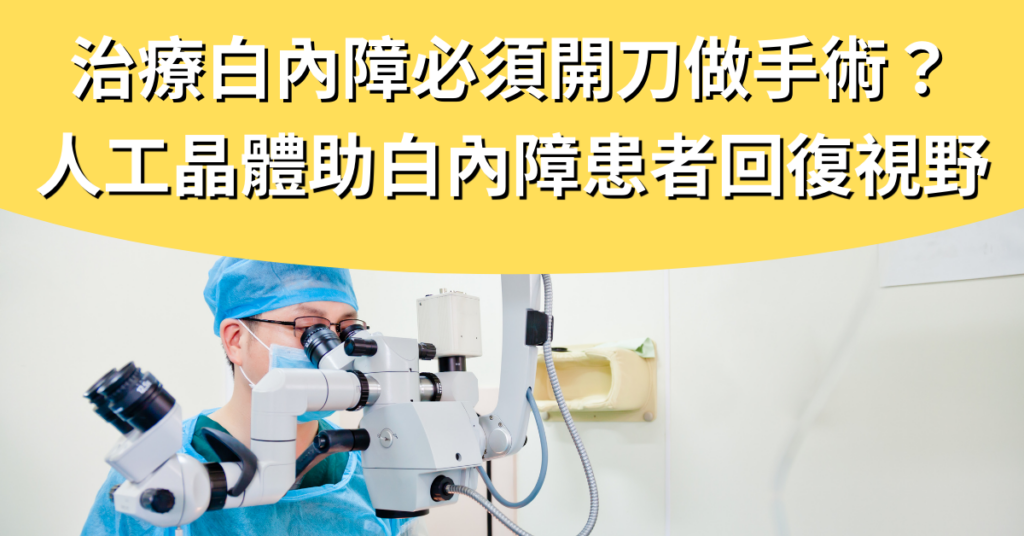
治療白內障必須開刀做手術嗎

Does cataract surgery have to be performed with surgery? Artificial lens can help cataract patients regain vision.

Research data from the World Health Organization shows that there are approximately million people worldwide who are blind due to cataracts, which is the leading cause of blindness worldwide. The most common type of cataract is age-related cataract, which usually occurs after the age of 50. People with diabetes and those with severe nearsightedness are more likely to develop cataracts earlier and experience more severe symptoms. If cataracts become mature, they can lead to a range of complications, such as glaucoma and inflammation of the iris, or even blindness. Therefore, patients undergo cataract surgery to treat the condition with artificial lenses. Through treatment, the eyes are restored to clear vision.

What is cataract?

Cataracts are caused by the cloudy appearance of the transparent lens used to focus light in the eye due to aging or disease. The lens functions like a camera lens, helping the eye to focus accurately, allowing the image to be focused on the retina to form a clear image. The lens is made of proteins and has the function of regulating light. When the lens becomes cloudy, its transparency decreases, and light cannot pass through, resulting in a decrease in vision and the formation of cataracts.

What are the symptoms of cataracts?

The symptoms of cataracts are relatively easy to identify compared to other eye diseases such as dry eye syndrome. The most common symptoms include reduced reading ability, which is mainly caused by blurred vision, and problems with glare. Patients also experience night glare and difficulty distinguishing colors and contrast sensitivity during the later stages of cataract development. The symptoms of cataracts can be further divided into early cataract symptoms and late cataract symptoms:

Early cataract symptoms

  • Fear of light
  • Single-eye retro-reflection
  • The near-sightedness has suddenly skyrocketed in geometric terms.
  • Cataracts are reduced

Symptoms of advanced cataract

  • Blurred vision
  • Notice the glare that appears when looking at things.
  • The image color becomes dim

Why do I get cataracts?

Aging

The main cause of cataracts is the aging of the eyes due to age progression, which is also known as "senile cataract." The cause is the aging and deterioration of the lens. In medicine, cataracts of this type are classified into three categories based on the location of the cloudiness: posterior subcapsular opacity, nuclear opacity, and cortical opacity.

Other diseases cause

Also known as "secondary cataract," it is caused by surgery for other eye diseases, the use of steroids, or other health problems such as glaucoma, diabetes, inflammation of the eye, or high myopia.

Trauma-induced

Trauma is also one of the causes of cataracts. When the eyes have been subjected to severe impact or puncture injuries, or have been exposed to high temperatures or chemical drugs that cause dislocation of the crystalline fiber structure, the possibility of developing pathology such as turbidity and calcification exists. However, some patients do not develop cataracts immediately, but gradually in the future.

Surgery to treat cataracts is the only way out.

Currently, surgery is the only treatment for cataracts. Cataract surgery involves removing the cloudy lens and implanting an artificial lens to treat cataracts and improve vision. Generally, cataract surgery is performed under local anesthesia, using a microscope in the operating room, and using ultrasound emulsification technology to remove the originally cloudy lens and implant an artificial lens suitable for cataract patients. Since this is a minimally invasive procedure, the surgical incision is usually very small, and not necessarily requiring stitches, so the recovery time is relatively short. Cataract surgery is very safe, and complications are not common.

However, since everyone’s circumstances and needs are different, and artificial lenses cannot be easily replaced like eyeglasses, it is advisable to consult a doctor before undergoing cataract surgery to choose the right artificial lens for your specific case.

Before undergoing cataract surgery, patients must decide which type of cataract lens treatment they wish to undergo. Based on overall eye health factors such as dry eye syndrome, corneal refractive error, or macular health, patients can consider their visual needs and lifestyle to determine which type of cataract lens treatment can provide the best results for them, and then undergo cataract surgery.

Currently, there are three main types of artificial lenses that can be chosen for cataract surgery:

  • Single-focus artificial lens — This is the most commonly used artificial lens for cataract patients, and it is also suitable for all patients. However, this artificial lens has only a single focal length; if implanted to improve distance vision, wearing bifocal lenses may be necessary when performing activities at close range, such as reading or playing mahjong.
  • Full-field wide-angle artificial lens — Lengthens the eye focus distance, solving the disadvantage of previous multifocal intraocular lenses that can only see objects at a distance and near, and filling the vision gap at intermediate distances.
  • Three-focus artificial lens — This artificial lens is suitable for patients with cataracts and presbyopia. It is a multifunctional artificial lens that provides full vision in both near, intermediate, and far distances. After surgery, patients with cataracts are less dependent on glasses. However, patients may experience visual disturbances such as halos and glare after surgery, so they may need more time to adjust.

Many patients who undergo cataract surgery to treat cataracts have questions about the lifespan of the artificial lens. In fact, current artificial lenses are made from biocompatible materials such as acrylic or organic silica. This means they do not cause allergic reactions in the human body. For over 100 years, no cases of vision impairment caused by aging of the artificial lens have been reported. Therefore, there is no need to worry about the lifespan of artificial lenses. Artificial lenses have a lifespan that exceeds that of any human being; very rarely do artificial lenses undergo changes that require replacement.

Not sure which type of artificial lens is right for you? Use the 3-minute preliminary pairing test to find the direction that best suits your lifestyle.

👉 Take the test now

When should cataract surgery be performed?

As cataract becomes mature and worsens, it can lead to a range of complications for patients, such as causing glaucoma and retinal inflammation, which can lead to irreversible blindness. Moreover, late cataract surgery is more difficult and the recovery of vision is slower. Therefore, treatment should be started early and cataract surgery performed. Moreover, in the current medical practice, patients do not need to wait until symptoms of cataract complications appear before undergoing cataract surgery. Instead, when visual acuity gradually deteriorates and is insufficient to cope with daily work or life needs, it is possible to consider cataract surgery as a treatment option. Once the patient is detected by a nurse that their vision has declined, and after a doctor’s examination and discussion, they can decide when to undergo cataract surgery.

If surgery is not performed until the late stage of cataracts, the lens will swell or even dissolve, resulting in a series of complications for the patient, such as causing glaucoma and inflammation of the iris, which can lead to irreversible blindness. Moreover, late cataract surgery is more difficult and the recovery of vision is slower.

After cataract surgery, care after surgery

Within a week of undergoing cataract surgery, patients can use eyeglasses, sunglasses, or eye protection to protect their eyes. Do not rub your eyes with your hands to prevent inflammation of the wound. Sterile cotton wool or clean paper towels can also be used to lightly wipe the surrounding area of the eye to prevent infection. After routine cataract surgery, patients can resume normal activities without needing to stay in bed. However, injuries and complex cases such as concomitant glaucoma may require restrictions on activity.

Regarding diet, you do not need to avoid eating after surgery, but you should reduce the intake of irritating foods. People with allergies should also avoid eating foods high in protein.

Within one month of surgery, you should avoid swimming, strenuous exercise, and lifting or carrying objects weighing more than thirty pounds. When bending your head during daily activities, be careful not to bump into anything.

💬 Book an appointment for cataract evaluation

An ophthalmologist will conduct a comprehensive evaluation to determine the most suitable treatment plan for you.

WhatsApp inquiry

Does cataract surgery have to be performed with surgery? Artificial lens can help cataract patients regain vision. Read More »

Cataract surgery

Customizing cataract surgery

CataractSurgeryAdvantages of personalization

The eyes are like fingerprints; each person's two eyes are different, so when a person suffers from an eye disease, the symptoms are also different.CataractThe situation with each eye is not always the same. Many doctors have tried to find a special artificial lens that is suitable for every clinical situation to treat all patients with cataracts; however, no one artificial lens is suitable for all patients, and cataract surgery must be "personalized."

Simply put,Doctors will tailor appropriate artificial lenses based on the patient's needs and the optical aberration curve.

Factors to be considered include:
The patient's age, lifestyle, expectations regarding visual acuity, post-refractive surgery status, corneal topography, tomography, aberration, eye surface health, pupil size, and macular health.

 Current new technologies can accurately evaluate the above factors, allowing doctors to formulate cataract surgery plans based on your eye condition.,With the hope of achieving the best visual results after the surgery.

In addition to evaluating the technical aspects, doctors also recommend determining it based on visual needs.CataractDetails of the surgery: hobbies, whether to choose to wear reading glasses, the amount of work done while working close up, and whether night driving is required.

Cataract surgeryThe best visual acuity after surgery depends on accurate pre-operative evaluation and measurement, surgical technique, and careful selection of the implanted artificial lens.

Procedures tailored to the individual eye condition can also help improve the correction of myopia and/or hyperopia. Myopia refers to light focusing differently, which causes blurred vision at both near and far distances; hyperopia is the loss of near vision as one ages.

 Therefore, cataract patients are no longer limited to simply replacing their cloudy cataracts with artificial lenses; instead, they are now assisted in achieving high-definition vision after cataract surgery through personalized surgical procedures.

Customizing cataract surgery Read More »

白內障_晶狀體功能障礙綜合症

Age-related cataract and crystalline lens dysfunction syndrome

Age-related cataract and crystalline lens dysfunction syndrome: With today's advanced technology, urban residents are constantly surrounded by mobile phones and computers. Prolonged screen time not only makes our eyes tired but also very harmful to our eyes. At the same time,CataractThere is a trend toward youthification.

A middle-aged patient had noticed that his myopia was continuously increasing and that he saw double images when looking at things. After a detailed examination, he was diagnosed with Dysfunctional Lens Syndrome (DLS).

Dysfunctional lens syndrome (DLS) is a widespread disease that has long been overlooked. This condition usually occurs in young people, although cataracts are not yet mature; patients describe it asCataractSymptoms have therefore manifested the characteristic features of the syndrome.

In layman's terms, DLS can be consideredCataractIn the early stages, the crystalline lens begins to harden, losing its ability to focus and near-vision, and contrast and night vision decrease. Ophthalmologists use advanced diagnostics to show this.CataractDensity, the condition of light refracting through the crystalline lens, or slit lamp photographs, help us understand the characteristic features of this pre-synoptic condition and the associated decline in visual acuity in patients.

EarlyCataractThe patient's symptoms are not obvious; common ones include: eyes that are easily fatigued and sensitive to light, problems with glare, seeing double, and frequent changes in refractive index. Traditional thinking is that cataracts must be "ripe" before surgery can be performed; but the truth is exactly the opposite: overripe cataracts only worsen the condition and cause the patient to miss the best opportunity to undergo surgery.TreatmentTiming. If daily life and work are affected by vision problems, surgery can be performed. With advanced diagnostic methods, advanced technology, the selection of multi-functional artificial lenses, and the emergence of laser cataract surgery, complex corneal disorders are more easily identified and treated.

Age-related cataract and crystalline lens dysfunction syndrome Read More »

Cataract

Which people are most likely to develop cataracts?

Which people are most likely to develop cataracts?

Cataracts are characterized by the cloudiness of the lens in the eye, which impairs vision. In the past, cataracts mostly occurred in people aged 60 and older, but in recent years more and more people who are relatively younger are seeking medical treatment for cataracts. They are generally between the ages of 40 and 50, and generally suffer from profound myopia (i.e., 600 degrees or more).

Long-term use of corticosteroids or increased cataract

CataractThere are several risk factors: people with diabetes or who need to use steroids for a long time are at a higher risk of developing cataracts in the long term. One 18-year-old boy with eczema sought medical attention because his vision became blurry, and was eventually diagnosed with cataracts and required surgery.Artificial lensReplacement surgery. Upon detailed examination of the patient’s medical history, it was revealed that the patient had suffered from eczema for many years. He had sought help from various traditional and Western medicine practitioners and even from so-called “god doctors” to control the condition. He suspected that the medication used contained steroids, which could have caused the cataract. Therefore, the patient was advised to use steroid creams under the supervision of a doctor. If the origin or ingredients of the product are unknown, careful verification is necessary.

In addition, conditions such as conjunctivitis, eye trauma, eye surgery, or acute glaucoma are all potential causes of cataracts.

The effect of nearsightedness on cataracts may be even more significant. It is generally estimated that too deep a nearsightedness exacerbates the deterioration problem and leads to cataracts. In younger patients with cataracts, the nearsightedness is usually found to have deepened suddenly by 200 to 300 degrees, requiring frequent replacement of glasses; after trying it for a few times, they find it unusual and seek medical attention.OphthalmologistAfter undergoing an examination, I discovered that I had cataracts. Some patients also experience symptoms such as glare and sensitivity to light when viewing images on a computer monitor; upon undergoing an eye examination, they were diagnosed with cataracts.

Removing cataracts doesn't need to wait for it to "mature."

Cataracts are not only common, but are also the main cause of vision loss. Currently, there is no medication to treat cataracts; patients must undergo surgery to replace the artificial lens to restore their original vision. Many people mistakenly believe that cataracts must be “more mature” to undergo surgery; this is actually a misunderstanding, especially for younger patients whose cataracts have significantly affected daily life and work, especially when reading documents, using a computer, or even driving. In these cases, it is appropriate to undergo cataract removal surgery.

Through a small corneal incision, the doctor removes the cloudy lens and implants an artificial lens. If you have developing cataracts, you do not have to wait until it is mature to remove it; usually, it only takes about 15-20 minutes. In most cases, the doctor can use local anesthesia to speed up the recovery time.


Source: Metro Daily

Which people are most likely to develop cataracts? Read More »

封面圖_白內障_手術前_須知

Pre-surgery information for cataract surgery

Pre-surgery information for cataract surgery

What should patients prepare before undergoing cataract surgery? Here are 5 things to keep in mind:

圖示_男生_冥想

1. You must get enough sleep and relax your mind the night before the surgery.

圖示_T恤

2. It is advisable to wear loose-fitting clothing and avoid wearing high-necked shirts.

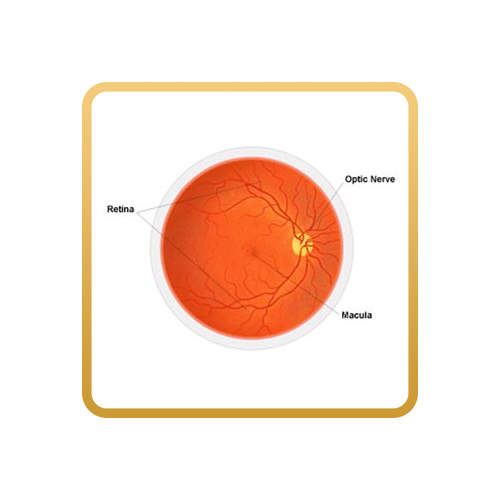
圖示_眼睛解剖學_視神經_視網膜_黃斑

3. You can start using anti-inflammatory medications 3 days before the surgery to reduce the risk of macular edema occurring after the surgery.

圖示_藥物

4. Diabetes and blood pressure medications must continue to be taken.

圖示_建議_醫生

5. If you are using anticoagulants, it is recommended that you discontinue their use for 3 to 7 days after consulting a cardiologist.

圖示_醫生_診斷

You must also know that,
Cataract surgery is a personalized procedure.

Customizing cataract surgery

The eyes are like fingerprints; each person's two eyes are different, so when a person suffers from an eye disease, the symptoms are also different.CataractThe condition of each eye is not always the same.

Many doctors have tried to find a special lens that is suitable for each clinical situation to treat all patients with cataracts. However, no one lens is suitable for everyone, so cataract surgery must be "personalized."

Simply put,
The doctor will base the treatment on the patient's needs and the optical aberration curve.
Appropriate artificial crystals are formulated separately.

Factors to be considered include:

  • The patient's age
  • Lifestyle
  • Expectations for vision
  • State after refractive surgery
  • Corneal topography map
  • CT scan
  • Like difference
  • Healthy eye surface
  • Pupillary size
  • Healthy Macula

Current new technologies can accurately assess the aforementioned factors, allowing doctors to tailor cataract surgery to the patient's eye condition and ensure the best visual outcomes after the surgery.

In addition to evaluating technical aspects, doctors also recommend determining the appropriate artificial lens based on visual needs, such as:

  • Hobbies
  • Whether to choose to wear reading glasses
  • Workload in close proximity
  • Whether you need to drive at night or not, etc.

The best vision after cataract surgery,
It depends on accurate evaluation and measurement before the surgery.
Surgical techniques and the careful selection of artificial lens implants.

Customized procedures based on the individual eye condition can even help patients better correct their astigmatism and other vision problems./Or it could be old cataracts.

Amblyopia refers to light focusing differently, which causes blurred vision at both near and far distances; farsightedness, on the other hand, occurs as people age and leads to loss of near vision.

Today, cataract patients are no longer limited to simply replacing their cloudy cataracts with implanted artificial lenses; instead, they undergo personalized treatment.CataractThe surgical design helps patients achieve high-definition vision after cataract surgery.

Perhaps you are also interested in:

How to choose artificial crystal? 
—Teach you how to choose the most suitable artificial crystal

Suitable for my cataract surgery
—The cataract surgery options offered by our clinic

Pre-surgery information for cataract surgery
—手術前該做好什麼準備呢?

The process of cataract surgery and new technologies
—Tell you how FLACS technology creates different surgical procedures

Common cataract misconceptions
—矯正對白內障認知

Pre-surgery information for cataract surgery Read More »