Even though the glasses are perfectly adjusted, why do I still see blurry images? Watching TV requires me to sit closer and closer, and even walking down the street feels like there’s a difference in contrast. It’s like a layer of fog has been lifted? Many people think this is just “advanced cataracts” or “deep myopia,” hoping to drag it out. In fact, this kind of “ignoring” may be the most dangerous sign. Cataracts are the leading cause of blindness worldwide, accounting for more than 50% of cases of visual impairment. If blurred vision, sensitivity to light, or sudden and rapid increase in nearsightedness occur, these are not ordinary signs of aging; they are the final warnings from the lens. Once cataracts “overmature,” not only will they trigger permanent blindness such as glaucoma, but the surgical risk will also increase significantly.
Blurred vision isn't necessarily a sign of something wrong: Why shouldn't you "wait for it to get better"?
Many elderly people in Hong Kong, even middle-aged individuals, still have the old belief that cataract surgery can only be performed when the lens is completely opaque. However, from the perspective of modern ophthalmology, this idea is actually incorrect.
When cataracts reach an advanced stage, the originally transparent lens becomes extremely cloudy, swollen, or even dissolved. This condition causes increased eye pressure, which in turn leads to glaucoma or retinal inflammation. These complications cause irreversible vision loss. Additionally, overmature cataracts cause the lens fibers to become very rigid, increasing the difficulty of surgery, and restoring vision will be slower.
Early cataract symptoms
Early symptoms may not be noticeable, but the following signs warrant attention:
|
Eyes are easily fatigued and sensitive to light It feels particularly glaring in strong light. |
The problem of glare appears When you look at the headlights at night, you can see a glow. |
|
The image appears to be distorted. That is, single-eye parallax, with the image overlapping. |
The refractive index often changes The near-sightedness suddenly increased within a short period of time. |
These 5 high-risk groups: No matter who they are, they could very well be "seeing no sunlight tomorrow."
Glaucoma is no longer a condition limited to people over 60 years old. In recent years, more and more people in their 40s and 50s are seeking medical treatment for glaucoma. If you fall into the following categories, you need to be especially careful:
Dystrophic retinal disease syndrome (DLS): a warning sign of aging
Nowadays, urban people can’t live without their mobile phones and computers. Long-term screen viewing is extremely harmful to the eyes. In clinical practice, it has been found that young and middle-aged patients develop “dysfunctional lens syndrome” (DLS).
DLS can be considered the early stage of cataracts. The lens remains partially opaque (not "ripe"), but has already begun to harden, losing its ability to focus, resulting in decreased near vision, reduced contrast, and poor night vision. If you notice that your nearsightedness is increasing and that your vision is blurred, it may be a sign of DLS.
Modernized solutions: Personalized surgery and artificial lenses
Corneal transplant surgery is currently the only effective treatment method. Current technology has advanced significantly; the procedure is usually performed under local anesthesia and takes about 20 to 25 minutes.
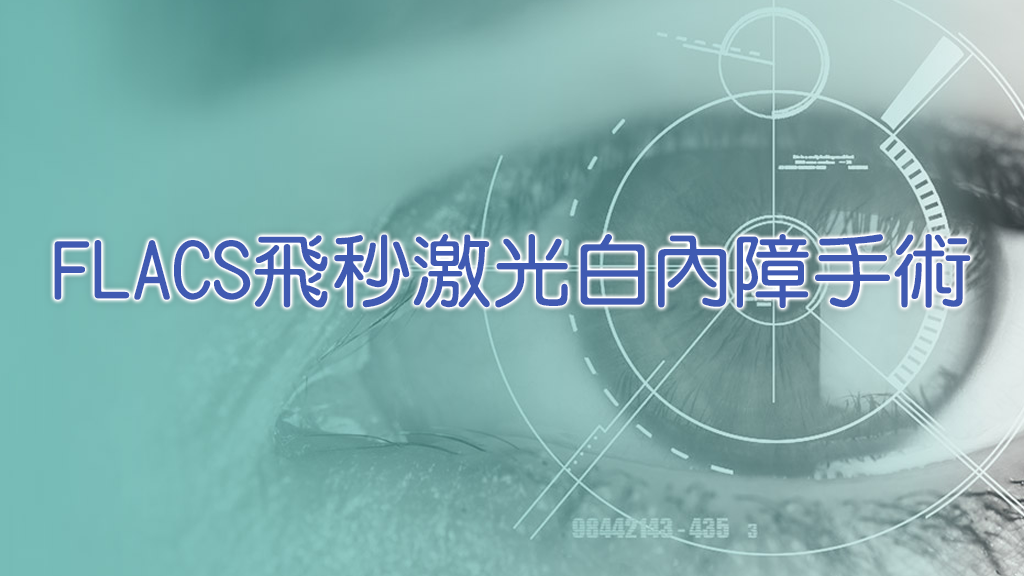
Femtosecond laser-assisted cataract surgery (FLACS)
Compared to traditional ultrasound emulsification technology, FLACS utilizes precise laser to perform corneal incisions and anterior capsule incisions.
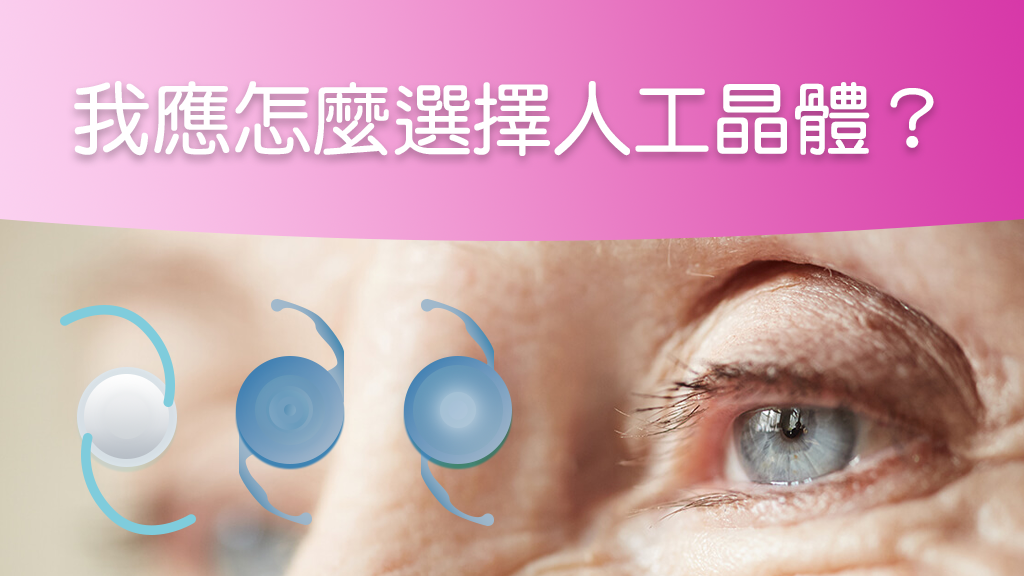
Artificial crystal "personalized" selection
Artificial crystals are meant to last a lifetime, so they must be designed based on individual lifestyle needs.
|
🔵
Single-focus artificial lens |
🟢
Three-focus artificial lens |
🟣
Contact lens artificial lens |
Rather than blindly pursuing expensive lenses, it's better to conduct a detailed examination and choose the best option for you based on your corneal topography, macular health, and visual needs (such as whether you need to drive at night).
💬 Book an evaluation immediately
Blurred vision isn't necessarily presbyopia! Our comprehensive eye assessment will help you grasp the golden treatment period in time.
After cataract surgery: Ensuring success is key
Successful surgery is just the first step; proper post-operative care can ensure optimal vision recovery.
|
👁 Eye cleaning and protection Follow your doctor's instructions to take the drops; avoid rubbing your eyes; and wear eye protection when sleeping. |
🏋️ Avoid strenuous exercise Do not lift heavy objects or engage in impact sports within one month after the procedure to prevent the crystals from shifting. |
|
🚿 Prevent pollution and infection Avoid entering water from the toilet within two weeks after the procedure; be especially careful when washing your hair. |
☀️ Adapt to light At first, you might find the environment very bright; we recommend wearing sunglasses when going out. |
Causes of blurred vision after surgery
If your vision worsens after the surgery, don't worry too much. The most common cause is posterior capsule opacity (commonly known as "recurrent cataract"). This is because the cells in the posterior capsule grow and become thicker, and clear vision can be restored with simple laser treatment in the outpatient setting.
What can a professional inspection help you with?
Many eye symptoms overlap; it is difficult to distinguish them from cataracts, presbyopia, or macular degeneration based on self-perception alone. Professional eye examinations include:
Crater lamp inspection:Directly observe the degree of crystal structure turbidity.
Infrared eyelid gland scan:Evaluate whether you have dry eye syndrome (MGD), as dry eye can affect the accuracy of surgical measurements.
Optical imaging system:Accurately measure the eyeball length and corneal curvature, and calculate the refractive index of the artificial lens.
If your daily life is already affected by vision problems, it is the right time for surgery.
Have you been diagnosed with cataracts or are you considering surgery? Use the 3-minute personal lens matching test to find out which direction your lifestyle is best suited for.
Common questions FAQ
In conclusion: Don't wait any longer; find the clear world as soon as possible.
A decrease in vision can significantly impact quality of life and increase the risk of falls and injuries among older adults. If you notice blurred vision, dark colors, or that changing glasses doesn't solve the problem, don't blindly try health supplements.
Rather than groping in the dark, it’s better to undergo a detailed full-eye examination. By identifying the true cause of vision loss, we can then develop the most suitable treatment plan for you. Addressing the issue early not only makes surgery safer, but also allows you to regain a clear and vibrant life more quickly.
💬 Book an evaluation immediately
Blurred vision isn't necessarily presbyopia! Our comprehensive eye assessment will help you grasp the golden treatment period in time.