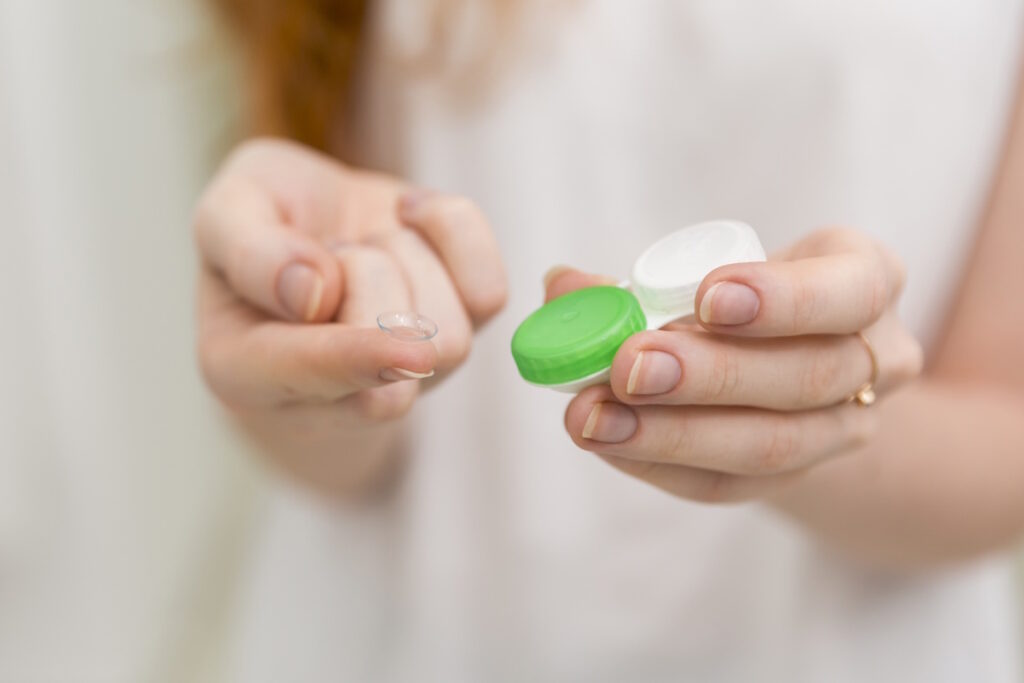
隱形眼鏡為不少人帶來方便與美觀,但同時也常與「乾眼症」劃上關聯。不少人配戴後感到眼乾、刺痛或異物感,便懷疑自己是否得了乾眼症。好多病人都會問:「以前戴足成日 Con 都冇事,點解而家戴兩三個鐘就眼乾眼痛?」又或者:「我本身有乾眼症,仲可唔可以戴隱形眼鏡?」隱形眼鏡本身不一定直接造成乾眼症,但如果淚膜不穩定,再長期戴 Con,就好容易令乾眼問題惡化。
以前戴足全日 Con 都無事,而家戴兩三個鐘就眼紅、乾澀,甚至除 Con 時覺得「吸住」眼球好痛?或者你做完激光矯視手術(LASIK / SMILE)之後,視力雖然清晰咗,但眼睛卻總係有異物感,特別係朝早起身嗰陣?呢啲都係淚膜不穩定嘅警號。隱形眼鏡會吸走淚水,而矯視手術喺恢復期會暫時影響神經反射,減少淚水分泌。如果你嘅瞼板腺本身功能不佳,呢啲因素就會令乾眼症惡化。好消息係,透過適當嘅治療同護理,好多人都可以改善淚膜質量,重拾戴 Con 嘅舒適,或者令矯視後嘅乾眼症狀得到緩解。
點解你會由「Con 友」變成「戴唔住 Con」?
好多人都有類似經歷:以前戴隱形眼鏡可以由朝戴到晚,舒舒服服。但唔知點解,呢一兩年開始戴唔住。可能你啱啱返到公司仲 OK,但到咗下午就開始乾、開始紅、眼睛有好強烈嘅異物感。除 Con 嗰陣,鏡片好似吸實咗喺眼球度,要好用力先「啪」一聲拮出嚟,甚至會痛。
你可能會諗:「係咪我對 Con 有問題?」於是你換咗另一個牌子、試咗日抛、試咗矽水凝膠,但問題仍然係度。其實,問題唔係出喺對 Con,而係你嘅淚膜。
隱形眼鏡對淚膜嘅影響
隱形眼鏡本身就好似一塊「海綿」,會吸收淚水。當你戴上 Con,淚水需要覆蓋嘅表面積增加咗,而且 Con 會不斷吸走淚水。如果你嘅淚水分泌本身已經唔夠,或者蒸發太快(因為瞼板腺功能障礙),咁 Con 就會變乾、變硬,開始摩擦角膜表面。
長期摩擦會造成:
角膜表面損傷
Con 好似砂紙咁摩擦角膜,造成微細嘅損傷(角膜上皮缺損)。你會覺得好痛、有異物感、畏光。
巨大乳突 狀結膜炎(GPC)
上眼瞼內側會長出好多細小嘅「乳突 」(papillae, 好似小粒粒咁),呢啲乳突 會令你戴 Con 好唔舒服,而且會分泌好多黏液。
角膜缺氧
雖然而家嘅 Con 透氧度已經好高,但如果淚水唔夠,氧氣傳遞都會受影響,角膜會缺氧,出現紅筋、水腫。
Have you ever experienced dry, sore, and itchy eyes after just a short period of work, accompanied by uncontrollable blinking that doesn't ease even when you close your eyes to rest? These could be symptoms of dry eye syndrome! Do you think that simply using eye drops, artificial tears, or reducing screen time can fundamentally cure dry eye syndrome?If you think dry eye syndrome will go away on its own soon, you couldn't be more wrong! These methods might only make the symptoms worse.
What is dry eye syndrome?
Dry eye syndrome is a common eye condition affecting 3 out of every 10 people in Hong Kong. It occurs when the eyes cannot produce sufficient tears or when tears fail to function properly, leading to sensations of dryness, pain, and itching.The primary cause of dry eye syndrome is reduced tear production with age. Clinical data indicates that by age 65, the lipid layer of tears decreases by up to 60% compared to age 18. This leads to accelerated tear evaporation, which is why dry eye syndrome predominantly affects older individuals.
How does the composition of tears affect eye health?
Before learning how to alleviate dry eye symptoms, we should understand the protective functions of tears in the eye. Beyond maintaining corneal moisture and providing optical clarity, tears supply oxygen to the cornea and flush out impurities and foreign objects entering the eye. Their antibodies and enzymes also combat external bacteria, safeguarding corneal health.
The tear film on the surface of the eye consists of three layers, each playing a specific role. If any one layer malfunctions, the tear film cannot adequately lubricate the eye, leading to dry eye syndrome.
I. Oil Layer
The outermost layer is the lipid layer, produced by glands beneath the eyelashes. This layer not only prevents the aqueous component from evaporating too quickly but also increases surface tension to maintain the stability of the tear film. Simultaneously, it provides lubrication for the eyelids.
II. Aquifer
The aqueous layer is the middle layer and the primary component of tears, produced by the lacrimal glands. It serves as a vital nutrient source for corneal epithelial cells while containing antimicrobial substances that protect the eye from bacterial infections.
III. Mucin Layer
The innermost layer is the mucin layer, secreted by conjunctival cells. Its primary function is to interact with the corneal and conjunctival epithelium, providing lubrication and ensuring the aqueous layer adequately moistens the cornea.
The composition and function of these three layers of tears must remain adequate, and they need to be evenly distributed across the eye through blinking to maintain comfort. If any layer is insufficiently secreted or unevenly distributed, the eyes will feel dry, sometimes accompanied by a foreign body sensation, eye pain, stinging, burning, or temporary blurred vision. This may even lead to dry eye syndrome.
What are the subjective symptoms of dry eye syndrome?
Have you ever experienced dry, itchy eyes, a foreign body sensation, sensitivity to light, or blurred vision? Or perhaps you feel your eyes produce less tears than others? But does having these symptoms mean you have dry eye syndrome?
In fact, experiencing symptoms of dry eyes is not a disease, but rather eye discomfort caused by external factors. As for dry eye syndrome, most patients will experience the following subjective symptoms, including:
Dry eyes
Foreign body sensation
Burning sensation
Pins and needles sensation
Itchy eyes
photophobia
envy
Prone to fatigue
Blurred vision
Fluctuations in vision
The reason for these symptoms lies in the poor stability of the tear film in individuals with dry eye syndrome, making them prone to the various symptoms mentioned above. This occurs because the discomfort from dry eye stimulates the lacrimal glands, causing them to secrete excessive reflex tears. Simultaneously, patients become highly sensitive to wind and light, frequently experiencing temporary blurred vision.
How can you objectively determine if you have dry eye syndrome?
To accurately diagnose whether you have dry eye syndrome, the most important factor is, of course, a combination of symptoms and examination results. However, if you simply suspect you might have it and want to understand your risk, you can use the internationally recognized Ocular Surface Disease Index (OSDI) to perform a self-assessment for dry eye syndrome.
I. Eye Sensations Over the Past Week
at any time
Most of the time
About half the time
Occasionally
None
Dry
4
3
2
1
0
photophobia
4
3
2
1
0
Redness with blood vessels
4
3
2
1
0
Aching
4
3
2
1
0
Foreign body sensation
4
3
2
1
0
Thick secretions
4
3
2
1
0
Blurred vision
4
3
2
1
0
Poor eyesight
4
3
2
1
0
II. Over the past week, eye discomfort has impacted the following activities:
at any time
Most of the time
About half the time
Occasionally
None
Not applicable
Reading
4
3
2
1
0
NA
Using a mobile phone/computer
4
3
2
1
0
NA
Night driving
4
3
2
1
0
NA
Watching TV
4
3
2
1
0
NA
III. Over the past week, my eyes have felt uncomfortable under the following circumstances:
at any time
Most of the time
About half the time
Occasionally
None
Not applicable
When the wind blows (eyes are sensitive to wind)
4
3
2
1
0
NA
Dry environment
4
3
2
1
0
NA
air-conditioned room
4
3
2
1
0
NA
Dry Eye Disease Scoring Method
OSDI = (Total score × 25) / Total number of questions
OSDI Score
Symptoms
0–12
No, it's normal.
13–22
Mild dry eye syndrome
23–32
Moderate dry eye syndrome
33–100
Severe Dry Eye Syndrome
If you complete this self-assessment and find your score is around 13 or higher, you may need to seek a more accurate examination. To confirm a diagnosis of dry eye syndrome, an ophthalmologist will typically evaluate you using an ocular surface analysis (OSA) device or perform a tear production test (Schirmer's test).
I. Ocular Surface Analysis (OSA)
The Ocular Surface Analysis (OSA) instrument is an advanced diagnostic method capable of precisely evaluating various aspects of ocular health, including the structural function of the tarsal plate, analysis of the tear film lipid layer thickness, tear break-up time, tear meniscus height, automated blink recording, and quantification of glandular disruption.
II. Tear Secretion Test (Schirmer's Test)
The Schirmer test is a common method for measuring tear secretion. A special filter paper strip is placed under the lower eyelid for approximately 5 minutes. The degree of wetting indicates the basal tear secretion level, with a normal value exceeding 10 millimeters. Tear film breakup time refers to the duration until the tear film completely breaks up after blinking, with a normal value exceeding 10 seconds.
According to the above criteria, if a patient only experiences ocular symptoms but no changes in tear secretion are observed during an eye examination, it is diagnosed as dry eye syndrome.If it is merely simple dryness that resolves after applying eye drops, it does not constitute dry eye syndrome. This may simply be a case of eye strain, such as temporary discomfort, dryness, gritty sensation, light sensitivity, tearing, or blurred vision occurring after prolonged reading or computer use.
What causes dry eye syndrome?
Dry eye syndrome has multiple causes, primarily related to the state of the tear film and the function of the lacrimal glands. These include insufficient tear secretion or poor tear quality. Therefore, dry eye syndrome can be classified into two categories:
Aqueous Deficiency Dry Eye Syndrome
Evaporative Dry Eye Syndrome
Many people mistakenly believe that dry eyes simply mean a lack of water, and that avoiding dryness will improve dry eye syndrome. However, the lipid layer on the outer surface of the eye actually prevents tear film evaporation. This lipid layer is secreted by the meibomian glands as a clear oil that locks in and protects the tear film formed on the surface of the eyeball. This makes tears less prone to evaporation and keeps the eyes moist.When the oil secreted by patients is thick or even solidified, it can lead to rapid tear evaporation, causing the eyes to feel dry and becoming a cause of dry eye syndrome.Therefore, dry eye syndrome isn't necessarily caused by insufficient water; it can also stem from insufficient oil. In other words, the causes of dry eye syndrome can be categorized into four main types: insufficient aqueous layer secretion, inadequate lipid layer secretion, uneven distribution of the tear film, and improper mucin layer secretion.
I. Insufficient Secretion of the Aqueous Layer
Insufficient aqueous layer secretion is the most common cause of dry eye syndrome. This may result from age-related decline in tear gland function. Women are also prone to dry eye symptoms after menopause, which may be linked to hormonal changes in the body.Additionally, certain autoimmune diseases (such as rheumatoid arthritis and systemic lupus erythematosus), blood disorders (including lymphoma and leukemia), trauma, infections, autonomic nervous system dysfunction, and prolonged use of specific eye drops or medications can also lead to insufficient tear production.Long-term contact lens wear can also affect tear production. Contact lenses reduce corneal sensitivity, leading to decreased tear secretion and potentially causing dry eye syndrome.
II. Inadequate Sebum Secretion
Inadequate oil layer secretion is another common cause of dry eye syndrome. This typically results from eyelid disorders that impair the function of the meibomian glands in the eyelids, thereby affecting the outer lipid layer of the tear film. Consequently, tears cannot effectively remain on the surface of the eye, leading to dry eye syndrome.
III. Uneven Distribution of the Tear Film
Excessive tear evaporation and uneven distribution of the tear film are also contributing factors to dry eye syndrome.Eyelid disorders may lead to incomplete eyelid closure, causing excessive tear evaporation. Additionally, prolonged activities such as focused driving, watching television, or using computers can reduce blink frequency, thereby affecting tear distribution. Working in air-conditioned environments for extended periods or being exposed to strong winds and dry heat can also compromise tear film stability, contributing to dry eye syndrome.
IV. Improper Mucin Layer Secretion
The mucin layer is the innermost layer of the tear film. Secreted by conjunctival cells, it provides lubrication and maintains even distribution of tears across the ocular surface. Insufficient mucin secretion may result from vitamin A deficiency, chronic conjunctivitis, or conditions like pemphigus, thereby compromising tear stability.Additionally, exposure of the eye to chemicals or harmful substances may damage conjunctival cells, thereby impairing the normal secretory function of the mucin layer.
Who are the "high-risk groups for dry eye syndrome"?
Dry eye syndrome has numerous contributing factors, including age, living environment, autoimmune diseases, and daily habits.
I. Individuals aged 50 and above
Aging is one of the primary causes of dry eye syndrome, as the aging of tear glands and hormonal imbalances can lead to insufficient tear production. The period between ages 50 and 55 is particularly high-risk for developing dry eye syndrome.
II. Long-term wear of contact lenses
Prolonged use of contact lenses may interfere with the normal secretion and distribution of tears, making it easier to develop dry eye syndrome. This is especially true for soft contact lenses. Wearing these water-rich soft lenses is like placing a highly absorbent sponge in water—it will draw all the moisture from the surrounding area.
III. Long-Term Use of Electronic Devices
Prolonged use of electronic devices such as smartphones and tablets reduces blink frequency, potentially leading to insufficient tear production and an increased risk of developing dry eye syndrome.
4. Extended Driving
The air conditioning and ventilation systems inside vehicles can dry out the air, accelerating tear evaporation and leading to dry, uncomfortable eyes. Simultaneously, prolonged focus on the road ahead to monitor traffic conditions causes the eyes to remain concentrated for extended periods, reducing blink frequency and further increasing the risk of dry eye syndrome.
V. Unhealthy Eating Habits
Omega-3 fatty acids are crucial for maintaining healthy tear production and reducing eye inflammation. A diet lacking in omega-3 fatty acids—such as insufficient intake of fish (salmon, mackerel, sardines), flaxseeds, chia seeds, and walnuts—increases the risk of developing dry eye syndrome.
VI. Individuals with chronic conditions or a history of eye injury
Research has found that individuals with conditions such as diabetes, glaucoma, thyroid disorders, and hypertension are more prone to developing dry eye syndrome than others. This is because such chronic diseases may affect tear production or the composition of tears, leading to dryness and discomfort in the eyes.Additionally, prior eye injuries—whether from trauma or surgery—can impair or damage tear gland function. The healing process following such injuries may disrupt tear production and the protective layer on the eye's surface, thereby increasing the risk of developing dry eye syndrome.
What methods can improve dry eye syndrome?
Many patients want to know how long it takes for dry eye syndrome to improve and what methods can provide immediate relief from symptoms. However, the improvement of dry eye syndrome depends on the individual patient's symptoms and the severity of their condition. Currently, the medical community primarily employs methods such as artificial tears, autologous serum, thermal pulsed therapy, and pulsed light therapy to help patients alleviate dry eye symptoms.
I. Artificial Tears
Patients with milder symptoms can improve dry eye syndrome through treatment with traditional artificial tears, available in three forms: solution, gel, and ointment. Using artificial tears can alleviate dry eye symptoms, prevent corneal damage, and maintain the smoothness of the eye's surface.However, the effects of artificial tears may not always be immediately noticeable, and most dry eye patients require a longer period to experience improvement. The timeframe for noticeable improvement varies by individual. While some patients may see results within days, many others require several weeks or even longer for symptoms to subside.
II. Autologous Serum
In recent years, it has been discovered that autologous serum contains components more similar to tear fluid, leading to its use in treating various ocular surface diseases, including improving symptoms in patients with more severe dry eye syndrome.When artificial tears fail to alleviate symptoms, ophthalmologists may recommend combining them with autologous serum eye drops. However, preparing autologous serum eye drops is complex: it requires drawing the patient's blood, centrifuging it to separate the serum, then formulating it into appropriately concentrated eye drops for freezing and dispensing. These serums contain growth factors that possess anti-inflammatory properties and promote healing.A single blood draw typically yields 6 to 10 vials of eye drops. Since they contain no preservatives, careful handling is essential to prevent contamination. While improvement may take longer than with most treatments, these drops can alleviate dry eye symptoms, restoring comfort to patients' daily lives.
III. Thermal Pulsation Therapy
For more severe cases of dry eye syndrome, Lipidflow therapy may be administered. This procedure involves using a device to apply continuous heat at 40°C for 12 minutes while delivering rhythmic pulsations to massage the meibomian glands. This softens and unblocks obstructed glands, alleviating dry eye symptoms and preventing further atrophy caused by gland blockage, thereby improving overall eye health.
IV. Pulsed Light Therapy
Intense Pulsed Light (IPL) therapy is suitable for patients with all degrees of dry eye syndrome. It unblocks obstructed meibomian glands, helps restore normal oil secretion, and reduces tear evaporation. Typically, 3 to 4 treatment sessions are required for dry eye symptoms to gradually improve.
Are over-the-counter dry eye care methods effective?
To alleviate eye strain and dry eye syndrome, many people turn to supplements like lutein. However, while lutein can help filter blue light and prevent retinal degeneration, it does little to improve dry eye symptoms.
Additionally, many people mistakenly believe that dry eyes can be "cured" simply by using eye drops. However, eye drops only provide temporary relief from symptoms. Overuse of eye drops can actually interfere with the eye's natural tear production process, potentially leading to the development of dry eye syndrome.
How can dry eye syndrome be prevented or improved?
Instead of randomly trying the methods mentioned above, it's better to protect your eye health and avoid dry eye issues by adopting proper eye care habits and steering clear of bad ones.
I. Proper Eye Care Habits
When frequently using electronic devices, working, or studying, you should take regular breaks for your eyes. One widely recommended method is the 20-20-20 eye care rule: every 20 minutes, rest your eyes for 20 seconds while shifting your gaze to a distance of about 20 feet (approximately 6 meters). This helps reduce the strain caused by prolonged close-up eye use and contributes to maintaining eye health.
II. Maintain a Good Environment
When working or resting indoors, special attention should be paid to the humidity in the air to avoid the adverse effects of an overly dry environment on the eyes. Additionally, we should avoid direct exposure to the airflow from fans or air conditioners. Adjust the angle of fans or air conditioners to prevent direct airflow toward the eye area, or move away from the direct contact with the airflow whenever possible.
III. Supplementing Antioxidant Nutrients
Antioxidant nutrients are essential for eye health, as the eyes rely on light to form images. Consuming foods rich in omega-3 fatty acids—such as salmon, walnuts, and flaxseeds—can reduce inflammation and stabilize the tear film. Meanwhile, incorporating foods high in vitamins A and C—like carrots, oranges, and kiwis—helps combat free radical damage and protect ocular tissues.
IV. Supplement with Anti-Inflammatory Phytochemicals
Dry eye syndrome is often associated with ocular inflammation. Anti-inflammatory substances can help reduce inflammatory responses in the eyes, alleviate discomfort, and promote the repair of ocular tissues, thereby improving dry eye symptoms. Many phytochemicals possess anti-inflammatory properties, such as quercetin, curcumin, anthocyanins, and eugenol, all of which contribute to alleviating dry eye conditions.
Many daily habits can contribute to dry eye syndrome, so we should avoid them whenever possible and maintain a comfortable environment for our eyes. What methods can we use to prevent dry eye syndrome?
1. Avoid eye irritation When using air conditioning or electric fans, position the airflow away from your eyes and avoid directing it directly at them.
2. Take Appropriate Breaks Whether using electronic devices, working, or studying, remember the 20/20/20 eye care rule. Remind yourself to blink frequently, taking a 20-second break every 20 minutes to focus on an object 20 feet (approximately 6 meters) away. This reduces prolonged close-up and sustained eye strain, helping maintain long-term eye health.
3. Reduce contact lens wear time Due to reduced tear production in dry eye patients, wearing contact lenses may scratch the cornea and harm eye health. Wear time should be minimized, ideally to less than 8 hours per day.
4. Quit Bad Habits Avoid staying up late to allow your eyes to rest adequately. Additionally, refrain from smoking or exposure to secondhand smoke, as smoke irritates the eyes and contributes to excessive tear evaporation.
5. Dietary Habits Moderately supplement foods rich in Omega-3 or Vitamin A, such as choosing salmon, walnuts, and other foods abundant in Omega-3; additionally, carrots, spinach, and similar foods contain ample Vitamin A.