Table of Contents
ToggleCauses of Myopia in Children
Hong Kong has one of the highest rates of myopia in the world, with nearly 18% of children already experiencing nearsightedness by age 6! What exactly causes myopia in children?
Myopia Myopia occurs when the eyeball is too long. In a relaxed state of distant vision, parallel light rays passing through the eye's refractive system focus in front of the retina. This causes distant objects to appear blurry, while near objects appear clearer.
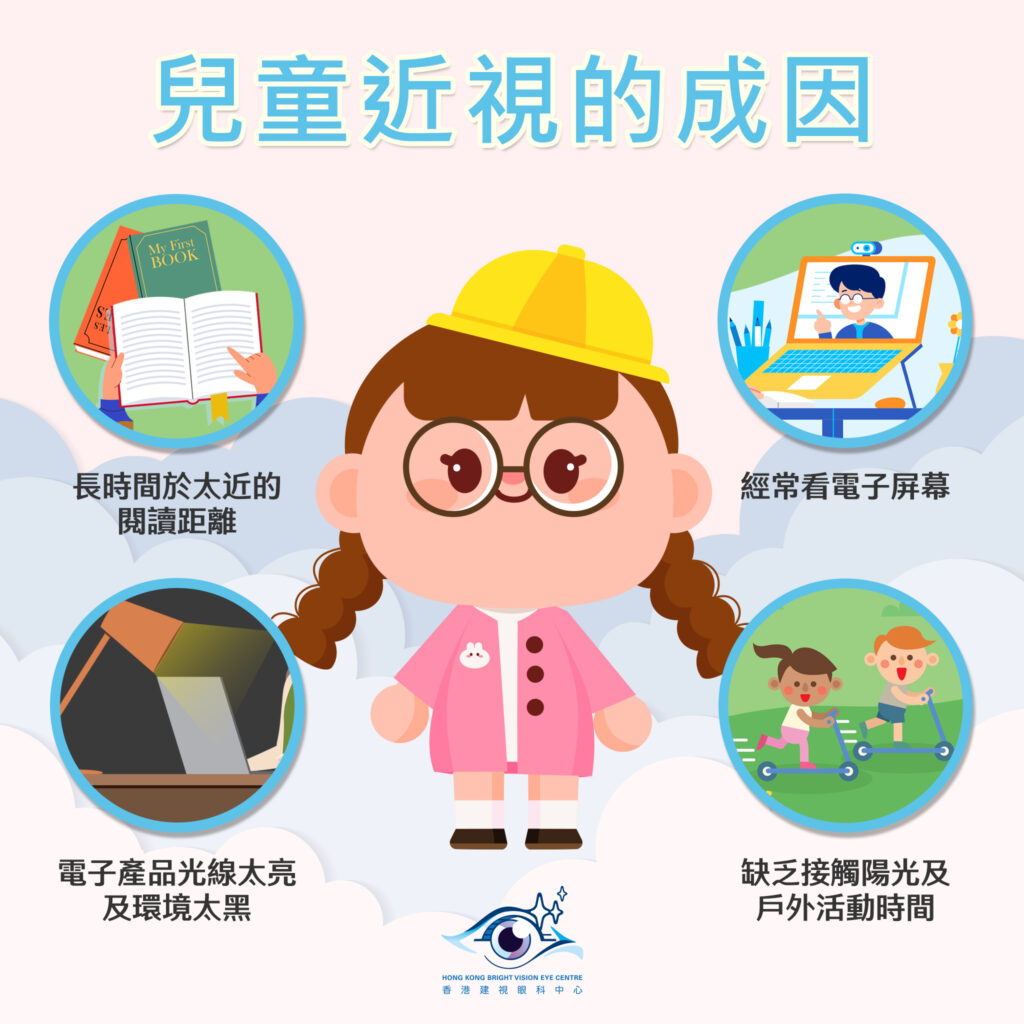
Myopia can be hereditary, but environmental factors are also major contributors to its development, such as:
- Reading at too close a distance for extended periods
- Electronic devices emit excessive brightness, and the environment is too dark.
- Frequently looking at electronic screens
- Lack of exposure to sunlight and outdoor activity time
Symptoms of Myopia in Children
How can you tell if your child has myopia?
Parents should regularly observe whether their child exhibits the following behaviors:
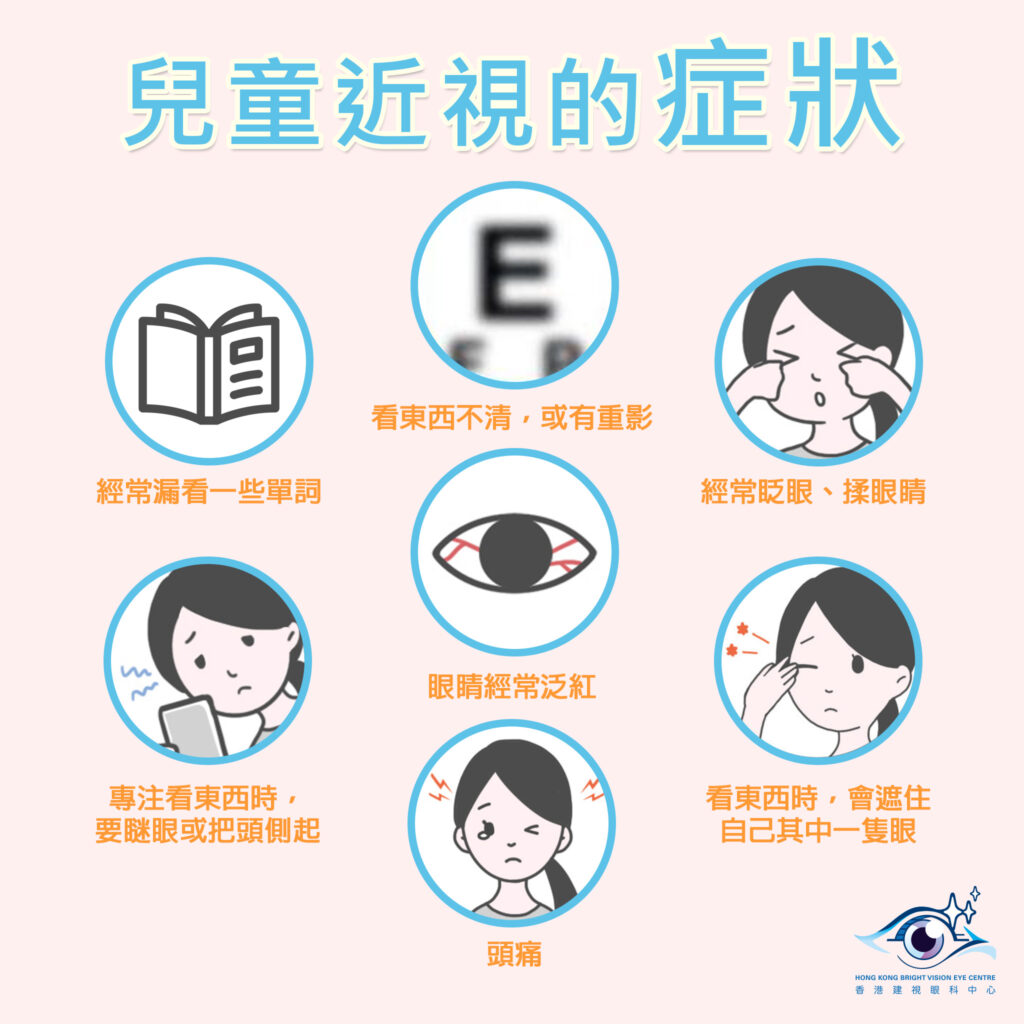
- Complaining of a headache
- Reporting blurred vision (or double vision)
- Frequent blinking and rubbing of the eyes
- Eyes are often bloodshot.
- When focusing on electronic screens or reading books, you need to squint or tilt your head to see clearly.
- When looking at electronic screens or reading books, cover one of your eyes.
- When reading, I often overlook certain words.
If parents notice their child frequently exhibiting the above behaviors, there is a high likelihood they have developed myopia. It is recommended that parents promptly take their child for an eye examination and seek professional advice from an ophthalmologist.
Children's Myopia: Don't Ignore It!
Children who frequently view electronic screens have a significantly increased risk of developing myopia. If parents notice their child has myopia, it is recommended to consult a professional ophthalmologist and pursue appropriate vision correction treatment. Currently, there is a " Children's AI Myopia Control Program ." This program can predict changes in a child's myopia over the next three years, enabling the provision of personalized myopia correction treatment plans for children.
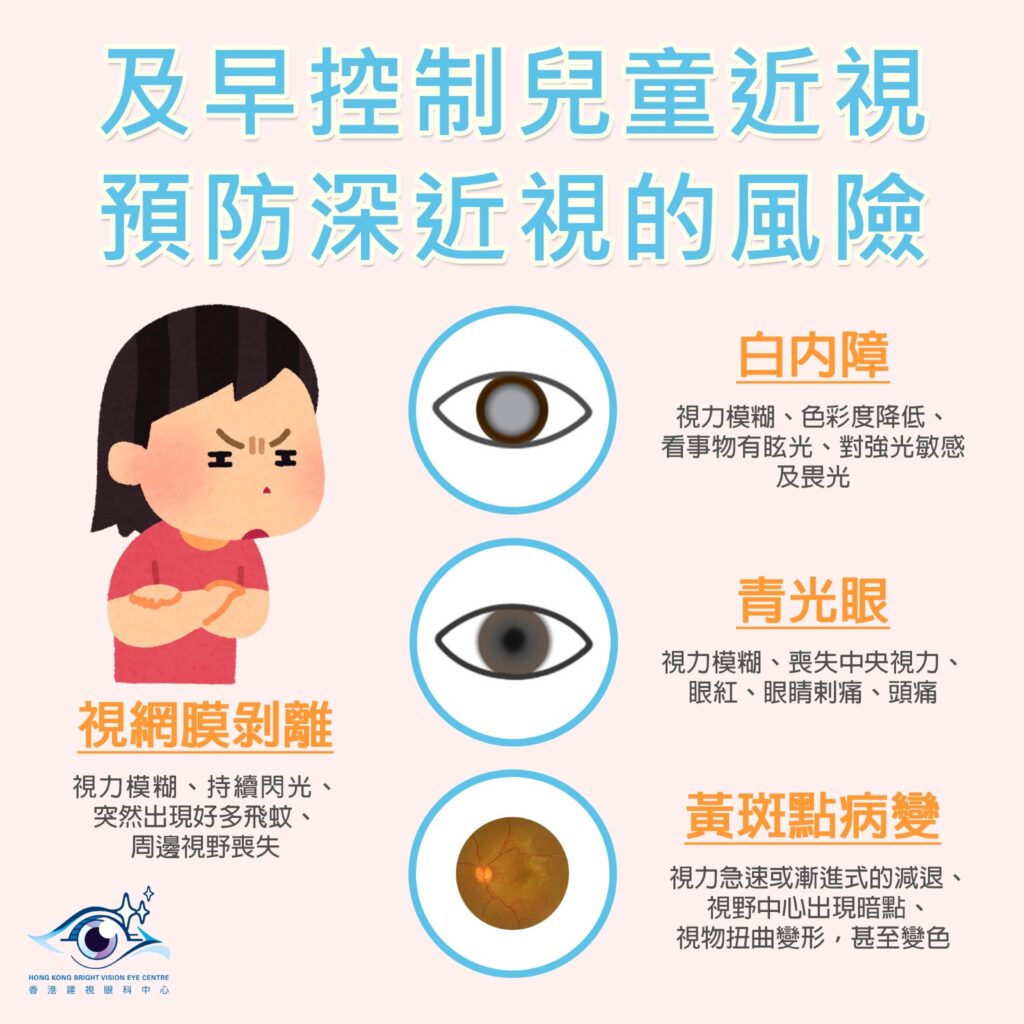
Without corrective treatment, myopia is highly likely to worsen. The elongation of the eyeball will cause the retina to thin progressively, simultaneously increasing the risk of developing various eye diseases, such as retinal detachment and macular degeneration , and glaucoma and cataracts , among others. These complications can impair vision, and in severe cases, lead to blindness or loss of sight. Therefore, it is recommended to control myopia in children as early as possible and ensure timely correction!
Early eye examinations for children can effectively prevent or delay the progression of myopia, reducing the likelihood and risks of developing high myopia in the future.
Parents, please remind your children to start protecting their eyes from an early age by improving their daily habits!