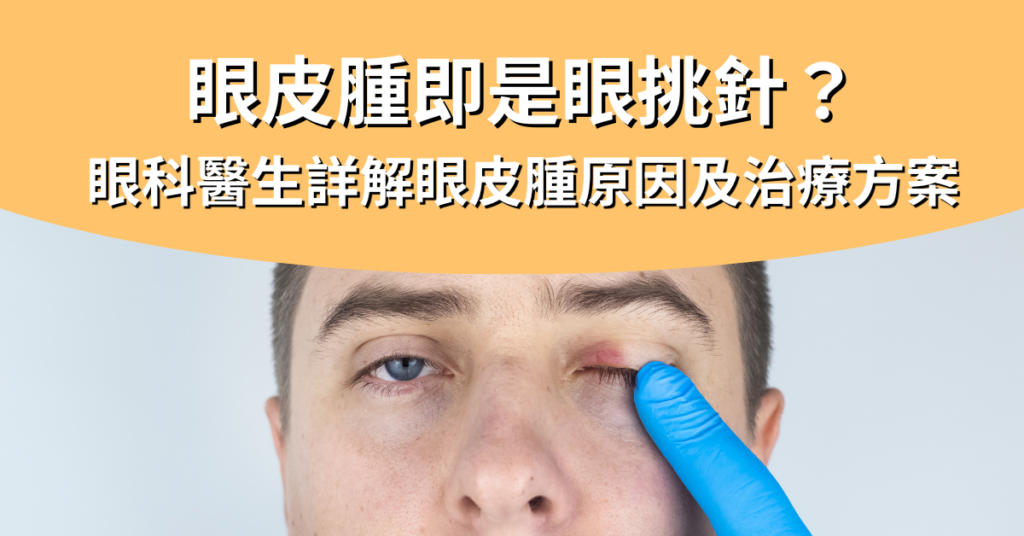
Swollen Eyelids: Is It Eyelid Puffiness? An Ophthalmologist Explains Causes and Treatment Options

Swollen eyelids are a common condition, with either the upper or lower eyelids potentially becoming puffy. Some cases cause no pain or itching, while others may be accompanied by redness, swelling, pain, and itching in the eyelids.

Common Causes of Swollen Eyelids

There are various causes of puffy eyelids, with edema being the most common. Potential causes of edema include drinking too much water or consuming excessive salt before bedtime. Additionally, insufficient sleep and high levels of stress may also lead to puffiness in the upper and lower eyelids. However, this type of eyelid swelling typically does not cause pain or itching and can usually be alleviated by making appropriate adjustments to lifestyle and dietary habits.

However, in some cases, swollen eyelids may be caused by more serious underlying factors. If persistent swelling is accompanied by pain or discomfort, it is advisable to consult a doctor to determine the cause of the eye swelling and receive appropriate treatment.

The following are some causes of eye swelling that may require medical intervention:

Eye Allergy

Swollen or puffy eyes may be caused by allergies to dust, pollen, certain foods, medications, or other substances. Allergic redness and swelling around the eyes can also occur on just one eyelid, possibly because the hand touched an allergen and then touched that single eye.

Stye

Stye, also known as a hordeolum, primarily forms when the oil glands along the eyelid margin become blocked, leading to inflammation or bacterial infection. This causes swelling and pain in the inner or outer eyelid, with a noticeable lump appearing on the eyelid, giving the appearance of a swollen eyelid.

Conjunctivitis

Conjunctivitis, also known as pink eye, is typically caused by viruses, bacteria, or allergies. It leads to redness, a burning or dry sensation, increased discharge, and swelling and pain in the eyes and eyelids. Generally, patients with conjunctivitis experience swelling in both the upper and lower eyelids simultaneously. It is recommended to seek appropriate treatment from an ophthalmologist.

Blepharitis

Blepharitis can occur on either the upper or lower eyelid. This inflammation causes redness, swelling, dryness, itching, and stinging in the eyelids. Causes include overgrowth of Staphylococcus aureus, chronic dermatitis, or prolonged inadequate makeup removal leading to eyelid redness and allergic reactions.

Hyperthyroidism

Hyperthyroidism (Graves' disease) is an autoimmune disorder. When the body's immune system malfunctions, it mistakenly identifies healthy tissues as foreign invaders and releases antibodies to attack healthy cells.Hyperthyroidism (Graves' disease) targets the extraocular muscles, orbital tissues, and eyelid structures, leading to symptoms such as eyelid swelling, puffy eyes, and protruding eyes. In severe cases, there is even a risk of blindness.

Cellulitis

Sinusitis caused by the common cold may lead to serious complications such as orbital cellulitis if left untreated. Patients with cellulitis may experience eye swelling, red and swollen eyelids, heat and pain, and sudden vision loss.

mosquito bites

If one eyelid is swollen and itchy, and blinking causes slight pain, it may be due to an insect bite. As long as you maintain good eye hygiene, it should improve on its own within a few days. However, there is also a chance of further inflammation and swelling in the eyelid. It is advisable to monitor the condition closely and seek medical attention if necessary.

Methods for Reducing Eye Puffiness

Ice pack

Applying ice packs appropriately can help alleviate the sensation of swelling and heat in the upper and lower eyelids caused by insect bites or allergies. However, this does not provide a curative effect; it only temporarily relieves discomfort.

Hot compress

Applying heat can promote blood circulation while also helping to soften and drain blocked oils or pus. Proper heat application can resolve eye issues such as styes and blepharitis.

Massage around the eyes

Gently pressing around the eyes with your index or middle finger can help reduce puffiness and alleviate itching. Be sure to thoroughly wash your hands before massaging to prevent bacterial eye infections.

Pharmacotherapy

Antibiotics, eye ointments, and eye drops can effectively control bacterial infections and reduce symptoms of eyelid inflammation and swelling. Since eyelid swelling can stem from numerous causes, different medications may be prescribed depending on the underlying cause and severity of symptoms. These may include antihistamines, antithyroid drugs, immunosuppressants, and others. Therefore, patients must strictly follow their doctor's prescription and instructions to effectively address eyelid swelling.

Surgical treatment

For more severe conditions such as chalazion, cellulitis, or hyperthyroidism, if a series of treatments fails to achieve satisfactory results, doctors may recommend surgical intervention to address the root cause of eyelid swelling.

In summary, there are many causes of eyelid swelling, and it should never be taken lightly. If you experience persistent swelling, heat, or pain in the eyelid, it is advisable to seek prompt examination by an ophthalmologist and actively pursue treatment.

Frequently Asked Questions

How can I reduce puffy eyelids?

The simplest way to reduce puffy eyelids is to apply cold or warm compresses. Additionally, maintaining good sleep and rest is crucial. If the cause is unclear, it's still advisable to consult an ophthalmologist for an examination.

What should I do if my lower eyelids are swollen?

Swelling of the lower eyelid may be caused by allergies, blepharitis, or edema. It is recommended to apply cold compresses to reduce swelling and seek help from an ophthalmologist to determine the cause.

Should I see a doctor for swollen eyelids?

If eyelid swelling persists or is accompanied by other symptoms such as pain or vision deterioration, it is recommended to seek medical attention promptly.

Why do my upper/lower eyelids suddenly swell up without any pain?

Upper/lower eyelids suddenly swell without pain may indicate a mild allergy or infection, or could simply be edema. If symptoms persist or worsen, it is advisable to seek medical examination.

What can I do about puffy eyelids when I wake up in the morning?

Waking up with puffy eyelids may simply be due to water retention, which usually subsides on its own. Applying an ice pack can also help reduce the swelling.

眼皮腫即是眼挑針?眼科醫生詳解眼皮腫原因及治療方案 Read More »

眼角膜受損

Damage to the cornea can lead to blindness! What should be done?

The cornea is located at the front of the eyeball. Because it is exposed to the external environment, the cornea is more susceptible to damage. If an injured cornea is not treated with care, the wound may fail to heal over time, leading to ulceration and potentially causing permanent vision impairment.

When dealing with skin wounds, we can use adhesive tape or ointment to promote healing; but if the cornea is unfortunately damaged, how should we handle it to avoid scarring or other complications?

What is the cornea?

The cornea is a transparent membrane located at the front of the eye, in front of the iris and pupil, forming the eye's outermost layer. Its primary function is to allow light to enter the eyeball, enabling the formation of clear visual images. The cornea not only prevents bacteria from entering the eye but is also richly innervated with sensory nerves. Should any foreign object come into contact with the cornea, the eyelids will immediately close to protect the eye.

Causes of Corneal Damage

There are many causes of corneal damage, with common situations including:

  • Foreign Body Injury: Sand entering the eye, being poked by a fingernail, or other sharp objects can cause corneal abrasions. After corneal injury, vision becomes immediately blurred and the eye feels painful. Additionally, accidental exposure to chemicals can damage the cornea and even lead to severe corneal ulcers.
  • Eye conditions such as ingrown eyelashes, incomplete eyelid closure, and dry eye syndrome can all cause eye pain, stinging sensations, and corneal abrasions.
  • Improper use of contact lenses: Inserting contact lenses into the eye using improper techniques can easily damage the cornea. Therefore, when wearing contact lenses, strictly follow the instructions and carefully place the lenses into the eye. UV rays reflected off snow can also cause eye irritation.
  • Misuse of eye drops: Long-term use of steroid-containing eye drops may cause corneal thinning and even perforation.
  • Ultraviolet rays: Prolonged exposure of the eyes to ultraviolet radiation (snowy terrain, ocean surface) can cause corneal cell death and result in severe pain.

Symptoms of Corneal Damage

Symptoms of corneal damage include:

  • Vision loss: Following corneal injury, vision becomes blurred. Objects appear as if viewed through a transparent film or haze, with a noticeable decrease in visual clarity.
  • Eye pain: Patients may experience eye discomfort or a stinging sensation, particularly when exposed to light, accompanied by photophobia.
  • Foreign body sensation in the eye: When the cornea is scratched, the eye may feel like there's something in it and appear blurry, as if a transparent film has been placed over it.
  • Other symptoms may also include involuntary tearing, conjunctivitis .

Treatment Methods for Corneal Injuries

Minor corneal damage typically heals naturally within 1 to 2 days. However, prompt treatment is essential when the cornea is injured. If you experience significant discomfort, it is recommended to seek immediate care at an eye clinic to address the injury. Below are some common treatment approaches:

  • Immediately rinse your eyes: If you experience a foreign body sensation or discomfort in your eyes, promptly use eye drops to flush out any debris. Avoid rubbing your eyes to prevent further damage to the cornea.
  • Medication: Damage to the cornea is typically treated primarily with eye drops. Using antibiotic eye drops or artificial tears can reduce the risk of infection and aid in corneal healing. If the patient continues to experience pain or the condition worsens, they should seek immediate medical attention.
  • Take appropriate breaks: Reducing screen time, especially avoiding excessive use of electronic devices, helps the cornea repair itself.

Complications Following Corneal Damage

If an eye injury does not receive prompt and appropriate treatment, it may lead to serious complications. Common complications following corneal damage include:

  • Permanent vision loss: Scar tissue formation may cause vision impairment, which may not fully recover even after surgery.
  • Corneal Ulcer: Untreated corneal injuries may lead to corneal ulcers, a potentially dangerous condition that can cause blindness.
  • Light sensitivity: Following a corneal injury, the eye may become more sensitive, leading to increased photophobia.

Consult an ophthalmologist immediately.

Eye injuries can be minor or serious. If you experience any discomfort in your eyes, consult an ophthalmologist promptly for examination. Let a professional eye doctor develop an effective treatment plan to safeguard your eye health.

Frequently Asked Questions

How long does it take for a corneal injury to heal?

The healing time for a corneal scratch depends on the extent of the damage. Generally, minor corneal scratches may heal on their own within a few days, while more severe corneal injuries may take several weeks to fully recover.

Can the cornea heal itself after damage?

Yes, the cornea possesses a certain capacity for self-repair. Minor injuries typically heal on their own within a few days, but severe damage may require medical intervention. Using appropriate eye drops for corneal injuries can also promote healing.

Can damaged corneas heal?

In most cases, corneal damage can fully heal, especially minor injuries. However, severe complications or corneal ulcers may result in permanent vision loss.

How can you tell if your cornea is damaged?

If you experience a foreign body sensation, blurred vision, or stinging pain in your eyes, this may indicate corneal damage. Sudden vision loss or symptoms such as photophobia should also prompt consideration of possible corneal injury.

How many days does it take for a corneal injury to heal?

The healing time for corneal injuries typically ranges from several days to one week. Minor injuries usually heal quickly on their own, but severe injuries may require more time and should be treated by a medical professional.

Can the cornea regenerate?

Yes, the cornea possesses a certain degree of regenerative capacity. Corneal epithelial cells typically regenerate rapidly after injury, thereby repairing minor abrasions. However, deeper corneal injuries may require a longer recovery period and could potentially leave scars that impair vision.

眼角膜受損可致失明!該點樣處理先好? Read More »

Amblyopia_Cover Image

There is a golden period for treating amblyopia. Early detection can improve the cure rate.

Amblyopia, also known as "lazy eye," is one of the most common visual development issues in children. It primarily occurs during the critical period of visual development when, for various reasons, the eye fails to properly transmit visual information to the brain, thereby impairing normal vision development. If left untreated, amblyopia may result in permanent vision loss, making early detection and intervention crucial.

Definition of Amblyopia

Amblyopia typically develops during infancy or childhood. It refers to reduced visual acuity in one or both eyes compared to the normal level for children of the same age, resulting from poor eye development or insufficient visual stimulation to the brain.

If a child with amblyopia fails to achieve the expected visual acuity for their age after wearing corrective glasses or contact lenses, or if there is a difference of two or more lines between the two eyes (e.g., 0.5 and 0.7), they will be diagnosed with lazy eye.

Amblyopia Symptoms

Generally speaking, amblyopia cannot be detected by the naked eye, but we can identify it through a child's daily behavior. Characteristics of amblyopia (lazy eye) in young children include:

  • Unable to see things clearly, such as needing to get very close when reading or watching TV.
  • The child frequently crosses their eyes or habitually closes one eye when looking at things.
  • The child frequently tilts their head or squints.
  • Abnormal depth perception and stereoscopic vision make it difficult to judge distances, leading to frequent falls.
  • Light sensitivity
  • Poor binocular coordination, manifested as strabismus, where one of the child's eyes may deviate to the left/right or up/down.

Causes of Amblyopia

Refractive Amblyopia

When children have refractive errors ( high myopia, hyperopia, or astigmatism) and do not receive timely correction, their visual acuity cannot develop normally, leading to refractive amblyopia.

Strabismic Amblyopia

Strabismic amblyopia occurs when both eyes cannot focus on the same target simultaneously. Parents may notice their child's eyes turning inward or outward. This condition causes the brain to suppress visual input from one eye to prevent double vision. Over time, the suppressed eye is prone to developing amblyopia.

Form perception deprivation

Form-deprivation amblyopia results from conditions affecting the front of the eye, such as congenital cataracts or ptosis, which prevent light from entering the eye properly. This causes blurred vision, leading to amblyopia symptoms in children.

Congenital Amblyopia

Congenital amblyopia is primarily associated with familial inheritance, with symptoms typically emerging during early childhood. Additionally, premature birth or oxygen deprivation at birth may also contribute to congenital amblyopia.

Amblyopia Treatment

Amblyopia formation is closely linked to the visual pathway, so most treatment approaches focus on stimulating the development of the brain's visual pathways:

Blindfold therapy

Patching therapy is one of the most commonly used methods for treating amblyopia. It involves covering the dominant eye with an eye patch, eye mask, or eye cover to force the child to use the amblyopic eye, thereby stimulating its development. The duration of patching therapy is determined by the patient's condition and must be continued until the visual acuity in both eyes is similar.

Vision Training

Vision training enhances the visual acuity of amblyopic eyes through a series of visual activities. These exercises may involve using specialized visual stimulation devices or amblyopia training games on mobile phones to improve eye coordination and focus.

Refractive Correction

Wearing properly fitted glasses or contact lenses to correct high hyperopia, myopia, and astigmatism forms the foundation of amblyopia treatment. By improving the eye's focusing ability, this helps the amblyopic eye receive clear visual input, thereby enhancing visual acuity.

Surgical treatment

If a child has amblyopia caused by congenital cataracts, ptosis, or similar conditions, surgery may be considered to correct these issues. This allows light to properly reach the retina, thereby improving lazy eye.

Golden Period for Amblyopia Treatment

The effectiveness of amblyopia treatment in children is closely related to the age at which treatment begins. It is generally recognized that the optimal treatment window for amblyopia is between the ages of 3 and 7. During this period, the child's visual system is not yet fully matured and responds most effectively to treatment. Therefore, early detection and prompt initiation of treatment can significantly improve the success rate of amblyopia correction and prevent irreversible vision impairment later in life.

Frequently Asked Questions

Can amblyopia be improved?

As long as the golden period for amblyopia treatment has not been missed, it is possible to improve or even cure amblyopia with the help of a professional ophthalmologist. Common treatment methods include patching therapy, visual training, and refractive correction.

What happens if amblyopia isn't corrected?

If the critical period for amblyopia treatment is missed, it may result in permanent vision impairment.

Is it necessary to patch the eye for amblyopia?

Patch therapy is one method for treating amblyopia, but whether patching is necessary and the duration of patching should be determined based on a doctor's recommendation.

What is the approximate cost of amblyopia treatment?

The cost of amblyopia treatment varies depending on the specific treatment plan. Parents can inquire about the approximate cost with their ophthalmologist after diagnosis.

What is the price of the amblyopia training device?

There are several types of amblyopia training devices. Doctors will select specific visual stimulation devices or rotating prisms for treatment based on the child's condition, so the prices of these devices may vary.

Are there any recommended ophthalmologists specializing in amblyopia treatment in Hong Kong?

Hong Kong Vision Eye Center is equipped with state-of-the-art facilities and staffed by experienced ophthalmologists, enabling children to receive comprehensive eye examinations and the best possible treatment. If your child is experiencing amblyopia or other eye conditions, feel free to schedule a consultation anytime!

治療弱視有黃金期 提早發現可提高治癒率 Read More »

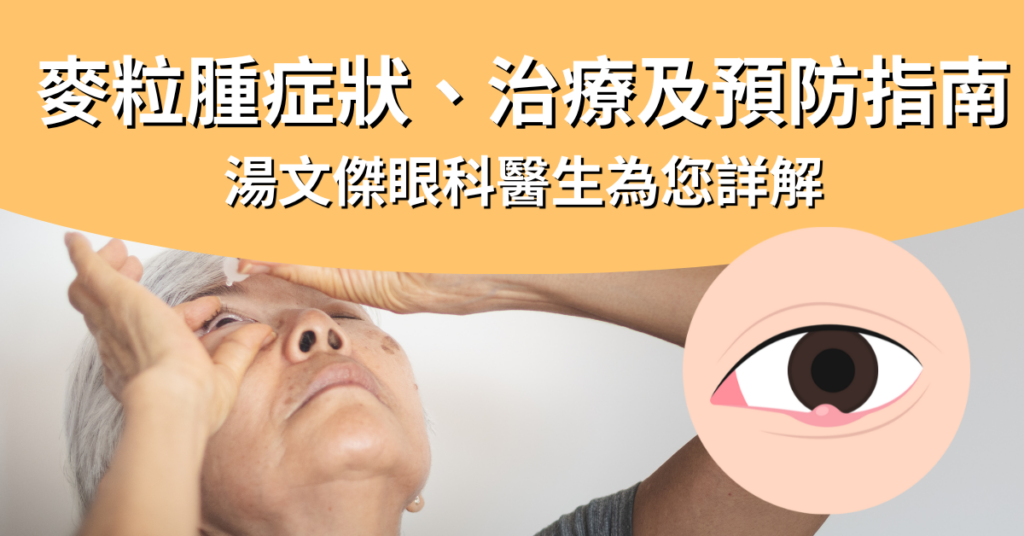
精選圖片_麥粒腫 : 原因、症狀、治療及預防指南

Stye: Causes, Symptoms, Treatment, and Prevention Guide

麥粒腫,也就是我們常說的眼挑針,雖然它並不是什麼嚴重的眼疾,但眼皮突然冒出一粒東西,多少都會對日常生活造成困擾。儘管這種病症常見且多數情況下無需醫療干預,但了解其原因、症狀、治療方法以及預防措施對於減少發病和加速康復非常重要。

本文將全面介紹麥粒腫的相關資訊,讓您更好地認識和處理這種眼部問題。

什麼是麥粒腫?

麥粒腫,也稱為「瞼緣炎」或「針眼」,是一種常見的眼部炎症。麥粒腫的形成原因主要是因為眼瞼邊緣的油脂腺體阻塞,導致細菌感染,腺體或毛囊發炎,形成一個小而疼痛的膿腫。麥粒腫通常在眼瞼的內側或外側形成,表現為紅腫、疼痛和局部熱感。

另外,許多人會誤以為麥粒腫與霰粒腫是一樣的眼部炎症,其實這兩者的形成原因和疼痛程度有所不同。霰粒腫是由眼瞼腺體慢性發炎而引起的無痛性腫塊,而麥粒腫則是細菌感染引起的,會感覺紅腫熱痛。霰粒腫通常較大且不疼痛,而麥粒腫則較小但疼痛明顯。

麥粒腫類型

麥粒腫主要有2種類型,即是外麥粒腫和內麥粒腫。

  • 外麥粒腫:位於睫毛根部,會形成黃色膿包,一般較快痊癒。
  • 內麥粒腫:位於眼瞼內部,發炎時間較長,通常會比外麥粒腫更加痛。

麥粒腫症狀

  • 眼瞼紅腫
  • 眼瞼局部疼痛
  • 眼瞼局部熱感
  • 眼瞼邊緣或內側出現小膿腫
  • 眼部異物感
  • 眼部流淚
  • Swollen eyelids

麥粒腫原因

麥粒腫的形成原因通常是由瞼板線的腺體油脂分泌過旺,導致眼皮內生油脂粒,並堵著毛囊或腺體時,細菌就會繁殖並引發感染,導致眼皮內生瘡。此外,不良的眼部衛生習慣、觸摸眼睛、使用受污染的化妝品和隱形眼鏡等也可能增加麥粒腫的風險。

麥粒腫治療方式

瞼緣炎不算是嚴重眼疾,長針眼初期可以自行在家進行熱敷及按摩,幫助排出內眼皮的油脂粒,這個方法不用多久麥粒腫就會好。如果熱敷和按摩無法改善,建議尋求眼科醫生幫助去改善麥粒腫,治療方式包括使用麥粒腫藥膏、口服抗生素、手術等等。

  1. 熱敷:每日敷4~5次,每次約10-15分鐘,幫助膿腫自行排出。
  2. 按摩:用手指輕推。如果針眼長在上眼瞼,手指就從眼皮往下推;如果針眼長在下眼瞼,就從眼袋往上輕推。
  3. 麥粒腫藥膏:在醫生指導下使用眼皮發炎藥膏或眼藥水去控制感染。
  4. 口服抗生素:在嚴重感染或併發症情況下,醫生可能會開口服抗生素。
  5. 手術引流:對於無法自行排出的麥粒腫,醫生可能會進行小手術排出膿液。

如何預防產生麥粒腫

  1. 保持眼部清潔:定期清潔眼瞼,避免細菌滋生。
  2. 避免觸摸眼睛:用手觸摸眼睛前要洗手,減少細菌感染機會。
  3. 不與他人共用毛巾或化妝品:減少交叉感染風險。
  4. 更換化妝品:定期更換眼部化妝品,特別是睫毛膏和眼線筆。
  5. 正確使用隱形眼鏡:佩戴隱形眼鏡時遵守衛生規範,避免細菌感染。
  6. 管理皮膚健康:治療皮膚病,如痤瘡和脂溢性皮炎,減少眼皮內生瘡的風險。

通過了解麥粒腫的原因、症狀及治療方式,我們可以更好地預防和應對這種常見的眼部問題。

如果有持續或嚴重的症狀,請及時就醫,以獲得專業的治療建議。如果有更多問題,建議隨時向眼科醫生進行諮詢

Frequently Asked Questions

麥粒腫等於霰粒腫嗎?

不,麥粒腫是細菌感染引起的疼痛性膿腫,而霰粒腫是由腺體阻塞引起的無痛性腫塊。

麥粒腫會自己好嗎?

是的,許多麥粒腫會在幾天到一周內自行痊癒,但適當的治療可以加快康復過程。

麥粒腫多久會消?

通常在一到兩周內,但如果感染嚴重或未得到適當治療,可能需要更長時間。

麥粒腫可以擠嗎?

不建議擠壓麥粒腫,這樣可能會加重感染並引發併發症。

麥粒腫需要看醫生嗎?

如果麥粒腫持續不退、疼痛加劇或影響視力,應該及時就醫。

麥粒腫不能吃什麼?

沒有特定的飲食禁忌,但保持均衡飲食和良好的營養有助於提高免疫力。

麥粒腫具有傳染性嗎?

麥粒腫本身不具有傳染性,但引起感染的細菌可能會傳播,因此應保持良好的個人衛生。

可以戳破麥粒腫嗎?

不建議自行戳破麥粒腫,這樣可能會引發嚴重感染,如,蜂窩性組織炎、腦內發炎等,建議交由醫生處理。

麥粒腫 : 原因、症狀、治療及預防指南 Read More »

黃斑病變食療

Dietary Therapy for Macular Degeneration: 6 Key Nutrients at a Glance

Macular degeneration (MD) commonly affects individuals over the age of 65, hence it is also known as age-related macular degeneration (AMD). Patients with this eye condition experience symptoms such as blurred central vision and distorted vision, which in severe cases can lead to blindness.

Since macular degeneration is an incurable eye disease, once diagnosed, only certain treatments or dietary approaches can slow its progression. Therefore, preventing macular degeneration becomes crucial, and modifying one's diet or adopting specific dietary therapies is one of the most direct methods. This article will outline key nutrients and dietary habits for managing macular degeneration through nutrition, helping readers maintain healthy vision.

6 Key Nutrients for Preventing Macular Degeneration

The following are nutrients beneficial for preventing macular degeneration and some corresponding food references:

  • Lutein: Spinach, asparagus, carrots, cauliflower, pumpkin, etc.
  • Vitamin A: Red sweet potatoes, egg yolks, beef liver, mangoes, goji berries, etc.
  • Vitamin B complex: Salmon, pork, avocado, milk, nuts, etc.
  • Vitamin C: Lemons, kiwis, oranges, papayas, strawberries, etc.
  • Vitamin E: Salmon, almonds, cashews, wheat germ, olive oil, etc.
  • Zinc: Whole grains, seafood, meat, and legumes

葉黃素

Lutein is a vital component of the retina and macula, serving as the primary source of retinal pigment. It not only possesses antioxidant properties but also absorbs harmful light, reducing eye damage from light exposure and lowering the risk of developing macular degeneration.

Vitamin A

Appropriate supplementation of vitamin A helps maintain normal retinal epithelial cell function and promotes metabolism in the cornea and retina.

Vitamin B Complex

The B vitamin complex includes multiple vitamins such as B1, B2, B6, and B12, which effectively maintain photoreceptor and retinal nerve cells while preventing cellular aging. These vitamins help promote blood circulation within the eye and alleviate eye fatigue. Individuals who frequently strain their eyes are advised to supplement with these nutrients to reduce the risk of developing macular degeneration.

Vitamin C

Increasing vitamin C intake not only helps prevent macular degeneration but also guards against eye conditions such as cataracts, glaucoma, and retinal disorders. Vitamin C possesses powerful antioxidant properties that shield the eyes from free radical damage. It also enhances blood circulation in the retinal microvasculature, thereby helping to prevent macular degeneration.

Vitamin E

Vitamin E possesses free radical scavenging properties and can slow the oxidation of lutein, thereby maintaining eye health and helping prevent macular degeneration. Furthermore, vitamin E is primarily concentrated in the retinal pigment epithelium layer and photoreceptor cells, making it one of the essential nutrients for preserving retinal health.

Zinc

Zinc possesses significant antioxidant properties and has been confirmed by numerous scholars to effectively maintain eye health and prevent macular degeneration. Furthermore, zinc aids in the metabolic function of vitamin A within the eye, helping to maintain normal retinal epithelial function and preserve visual health.

Dietary Habits for Preventing Macular Degeneration

In addition to specific nutrients, good dietary habits are also key to preventing macular degeneration. Here are several dietary approaches that support vision health:

Low Glycemic Diet

Diabetics are more susceptible to macular degeneration and a range of eye diseases than the general population. This is because excessively high blood sugar levels can damage the retina and even cause retinal detachment. Therefore, ophthalmologists generally recommend that diabetic patients follow a low-glycemic diet to reduce advanced glycation end products (AGEs). This approach helps control blood sugar while also preventing eye conditions such as retinal detachment and macular degeneration.

A low-glycemic diet , as the name suggests, involves consuming foods with low glycemic loads to minimize blood sugar fluctuations. Examples include whole grains, vegetables, and lean meats, which are considered low-glycemic foods. Conversely, white rice, white bread, and processed meats are classified as high-glycemic foods.

Beyond individuals with diabetes, the general population may also consider adopting a long-term low-glycemic diet to maintain overall health. The simplest approach to implementing a low-glycemic diet is to follow dietary guidelines for diabetes management. This not only helps prevent macular degeneration but also reduces the risk of developing diabetes.

Mediterranean Diet

A study in Australia found that participants following a Mediterranean diet had a 41% lower risk of developing macular degeneration compared to those not following the diet, confirming that the Mediterranean diet can help prevent macular degeneration.

The Mediterranean diet emphasizes fresh vegetables, fruits, fish, olive oil, and nuts, with limited red meat and dairy products. This dietary pattern is rich in antioxidants and unsaturated fatty acids, effectively reducing eye inflammation and helping prevent macular degeneration.

If you wish to prevent or improve macular degeneration through the Mediterranean diet, it is recommended to consult your ophthalmologist for further advice or seek additional knowledge and dietary guidance on preventing macular degeneration from your nutritionist.

Balanced Diet

If you are unable to follow a low-glycemic diet or Mediterranean diet to prevent macular degeneration due to work or other reasons, then strive to ensure balanced nutrition daily. Aim to consume two servings of fruit and five different colored vegetables each day, while reducing intake of fast food or foods high in oil, salt, and sugar.If needed, consult a nutritionist to create a personalized dietary plan for preventing macular degeneration or consider appropriate supplements. Maintaining a balanced diet not only helps prevent macular degeneration but also supports overall health.

If you suspect you have macular degeneration, do not blindly trust folk remedies or unproven treatments. It is essential to consult an ophthalmologist promptly and undergo a thorough examination. Allow a professional doctor to develop the most effective treatment plan for you.

Frequently Asked Questions

What soups are recommended for macular degeneration?

If you simply wish to prevent macular degeneration, any soup containing a balanced mix of various nutrients is suitable for consumption. For patients already diagnosed with macular degeneration, it is advisable to consult a nutritionist or ophthalmologist to select soups that are effective for treating the condition.

Can macular degeneration be cured solely through dietary therapy?

Currently, there is no complete cure for macular degeneration. However, appropriate treatment and dietary management may slow the progression of the disease. It is strongly recommended to seek immediate medical attention if you suspect you have macular degeneration.

黃斑病變食療 6大營養素一次看 Read More »

Causes and Treatment Methods for Floaters

Causes, Symptoms, and Treatment of Floaters Detailed Explanation by an Ophthalmologist

Floaters are a common vision issue where patients see floating dark spots, tadpole-shaped figures, thread-like objects, and other shapes in their field of vision. Floaters come in many forms, and each patient describes them differently. Can floaters be treated? Will they go away on their own? Dr. Tong Wenjie, an ophthalmologist, will address these questions below.

What is floaters?

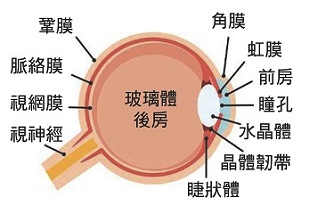
Floaters are medically known as vitreous degeneration. Inside our eyeball lies a transparent, gel-like substance called the vitreous humor, situated at the center of the eye—behind the lens and in front of the retina.Under normal conditions, the vitreous fills the entire vitreous cavity, maintaining the eye's shape and ensuring light is properly refracted onto the retina to form images. When vitreous degeneration occurs, the gel-like substance within liquefies, forming tiny fibers that float within the vitreous cavity—these are the dark spots patients perceive.

Causes of Floaters

The primary causes of floaters can be broadly categorized into three types: physiological, degenerative, and pathological.

physiological

Physiological floaters commonly occur in individuals under 40 or those who overuse their eyes long-term, such as garment workers, teachers, and office workers who spend extended periods at computers.Generally, up to 80% of floaters cases are physiological. Patients may perceive dark spots or lines within their visual field, which are caused by impurities within the vitreous humor. Currently, there are no medications or surgical procedures to treat this type of floaters. However, there is no need for excessive concern, as these dark spots will typically fade from the visual field over time.

Degenerative

Inside the eyeball is a transparent gel-like substance called the vitreous humor, located behind the lens and in front of the retina.As we age, this vitreous body degenerates and breaks down into tiny fibers. These fibers float within the vitreous, causing us to see dark spots or patches in our vision. Some people may also see thread-like or worm-like shapes. As long as the dark spots in the eye do not increase in number and remain relatively stationary, this is considered benign floaters, and there is no need for excessive worry.

pathological

Pathological floaters arise from other eye conditions or systemic vascular diseases, such as: traction from external force, trauma, or systemic vascular disorders like retinal detachment, diabetes, or hypertension. These can all lead to vitreous detachment and hemorrhage, causing dark spots or even dark patches in the visual field.If left untreated, this type of floater can potentially lead to permanent vision loss. Patients are advised to seek treatment for floaters as early as possible.

Symptoms of Floaters

The initial symptoms of floaters are easily recognizable. Patients perceive floating objects within their field of vision—visible yet elusive—particularly noticeable under bright light or against a light background. Floaters manifest in diverse shapes, so each patient observes different forms:

  • Black spots in the eye
  • The eyes see lines
  • See the mesh
  • cloud-like formation
  • The eyes see things that look like worms, one after another.

If you experience worsening symptoms of floaters, such as a sudden increase in floaters, flashes of light in the eyes, dark shadows in the eyes, vision obstruction, or blurred vision, you should immediately seek a thorough examination by an ophthalmologist and follow the doctor's recommended treatment plan to improve the floaters.

Treatment Methods for Floaters

Generally, early-stage floaters do not require immediate treatment. Most people adapt to the presence of dark spots over time, or these spots may settle at the bottom of the vitreous over time, no longer affecting vision. However, if you notice an increase in dark spots, experience shadows in your vision, or feel these spots are impacting your daily life, you may consider laser treatment or floater surgery to improve the dark spots in your eyes.

Laser therapy

Laser treatment is suitable for larger, concentrated vitreous fibers. By breaking these fibers into smaller fragments with laser energy, symptoms of floaters can be improved or eliminated.Performed under local anesthesia, the procedure is painless and takes approximately 15 to 20 minutes. However, this treatment is not suitable for everyone. If the fibers are loose or located too close to the macula or lens, laser therapy should be avoided to prevent complications such as cataracts or macular damage.

Vitrectomy

Vitrectomy surgery involves removing the vitreous gel inside the eye through a small incision and replacing it with a solution to maintain the eye's shape. The procedure typically takes about 10 to 15 minutes. While this surgery can effectively clear fibrous debris, it may also cause bleeding or retinal tears, potentially leading to new floaters. Therefore, most physicians do not recommend this surgery for treating floaters.

Additionally, many patients attempt to alleviate symptoms of eye degeneration by using eye drops and request floaters eye drops from ophthalmologists. It is important to note that eye drops cannot penetrate the vitreous humor, so relying solely on eye drops cannot treat vitreous degeneration. Remember not to casually trust floaters eye drops recommended by non-professionals.

Preventing Floaters

Floaters are primarily caused by vitreous degeneration due to aging and high myopia. Currently, there is no way to completely prevent floaters from occurring, but we can slow down the progression of eye degeneration through daily care. Here are some methods to help prevent floaters:

  • Avoid excessive use of electronic devices (take a 5- to 10-minute break after every hour of screen time).
  • Read or work in well-lit conditions whenever possible to prevent worsening myopia.
  • Ensure a balanced diet daily and reduce intake of foods high in oil, salt, and sugar.
  • Increase your intake of nutrients such as carotenoids, anthocyanins, and vitamins.
  • Get regular physical and eye exams

Frequently Asked Questions

How can floaters be eliminated?

If you feel that the dark spots in your vision are significantly impacting your daily life, you may consider laser treatment or vitrectomy surgery to eliminate floaters.

Why did I suddenly develop floaters?

Floaters may result from physiological, degenerative, or pathological causes. It is recommended to consult a professional ophthalmologist to accurately determine the cause of your floaters and the appropriate treatment method.

Will floaters disappear on their own?

Floaters do not disappear on their own, but most people gradually adapt to their presence over time.

What happens if you ignore floaters?

Benign floaters generally require no intervention. However, monitor whether the number of dark spots increases. If you experience significant visual obstruction, seek prompt medical attention to avoid delayed treatment that could lead to blindness.

Is floaters a complication of cataract surgery?

The side effects of cataract surgery do not include floaters. Some patients notice floaters after cataract surgery because their vision was too blurry before the procedure to detect the pre-existing floaters.

飛蚊症原因、症狀及治療方法 眼科醫生為您詳解 Read More »

Conjunctivitis_Cover Image

Conjunctivitis (Pink Eye): Causes and Treatment Methods

Conjunctivitis, also known as pink eye, is a common eye condition. Early signs or precursors typically include itchy eyes and a sensation of having something in the eye. As it progresses, the entire eye may become red, accompanied by a burning sensation and possible blurred vision.Conjunctivitis can be caused by various factors, including viruses, bacteria, and allergies. Understanding the different types, symptoms, causes, and treatments of conjunctivitis can help us better prevent and manage this condition.

What is conjunctivitis?

Conjunctivitis, also known as pink eye, is an inflammation that causes redness, pain, and itching in the eyes. The conjunctiva is a thin membrane covering the eyelids and the white part of the eye, serving to moisturize and protect the eye. However, when this membrane becomes inflamed or irritated, the tiny blood vessels within it become engorged and swollen, leading to redness in the eye.Symptoms of conjunctivitis include redness, swelling, itching, increased tearing, and discharge. Depending on the underlying cause, symptoms may vary slightly.

Types of Conjunctivitis (Pink Eye)

Viral Conjunctivitis

Viral conjunctivitis is associated with the respiratory tract and caused by viral infections, with adenoviruses and enteroviruses being the most common pathogens. This type of conjunctivitis is highly contagious and typically spreads through direct contact with an infected person's secretions or contaminated objects. Symptoms include redness and swelling of the eyes, tearing, a burning sensation, and clear, watery discharge. Some patients may also experience inflammation at the inner corner of the eye.

Bacterial conjunctivitis

Bacterial conjunctivitis is caused by bacterial infection, with common pathogens including Staphylococcus aureus, Streptococcus, and Streptococcus pneumoniae. Symptoms of this type of pink eye include redness and swelling of the eye, pain, discharge of thick white or yellow mucus, and eyelids sticking together, especially upon waking in the morning. Inflammation of the eye caused by bacteria requires prompt treatment to prevent more serious eye health issues.

Allergic conjunctivitis

Allergic conjunctivitis is the most common type. It is triggered by allergens and is typically associated with seasonal or perennial allergies. This type of conjunctivitis is not contagious but causes extreme discomfort.

Seasonal allergies

Seasonal allergic conjunctivitis typically occurs in spring and fall and is associated with allergens such as pollen and grasses. Symptoms of this type of pink eye include itchy eyes, tearing, redness, and increased discharge.

Perennial allergies

Perennial allergic conjunctivitis can occur throughout the year, typically triggered by allergens such as dust, dust mites, pet dander, and mold. Its symptoms resemble those of seasonal allergies, though they are generally milder.

Giant Column Sensitive

Giant papillary conjunctivitis is a relatively uncommon allergic conjunctivitis typically associated with contact lens wear.Long-term contact lens wearers develop an uneven conjunctival surface, leading to eye inflammation. This type of red eye condition presents with severe itching and discharge. The solution is to never purchase contact lenses without professional guidance. Always seek a qualified ophthalmologist for fitting and follow their care recommendations to reduce the risk of complications and long-term effects.

Conjunctivitis (Pink Eye) Symptoms

  • red and swollen eyes
  • Tears
  • Itchy eyes
  • burning sensation
  • Increased discharge (which may be watery, thick, or purulent)
  • Swollen eyelids
  • A foreign body sensation in the eye
  • Blurred vision (in some severe cases)

Causes of Conjunctivitis

The causes of eye inflammation can generally be divided into three major categories: viral infections, bacterial infections, and allergies. Beyond these three types, contagion is also a common cause of eye inflammation.Conjunctivitis is typically spread through direct contact with an infected person's secretions or indirect contact with contaminated objects. Both viral and bacterial conjunctivitis are highly contagious, placing individuals in close contact with infected persons—such as family members, classmates, and coworkers—at higher risk. Conjunctivitis caused by allergens, however, is non-contagious and usually relates to an individual's allergic constitution.

High-risk groups for conjunctivitis:

  • Children and preschoolers: Because they are easily spread in school and kindergarten settings.
  • Individuals who have come into contact with infected persons: including household members and close contacts
  • Individuals with allergic constitutions: Prone to developing allergic conjunctivitis
  • Contact lens wearers: particularly those who wear them improperly or fail to follow hygiene guidelines

Treatment Methods for Conjunctivitis (Pink Eye)

How long does it take for a bacterial eye infection to heal? How can conjunctivitis be treated quickly? These are undoubtedly among the most pressing questions for anyone suffering from conjunctivitis. The treatment for pink eye depends on the underlying cause of the inflammation. Different types of pink eye require different approaches. Early diagnosis and appropriate treatment can alleviate eye inflammation symptoms, shorten the duration of the illness, and prevent complications.

Viral Conjunctivitis

Viral conjunctivitis resolves on its own without specific treatment, with symptoms typically subsiding within a few days to two weeks. Patients may use eye drops for pink eye and apply cold, damp compresses to reduce swelling and discomfort. It is important to note that due to its high contagiousness, patients should avoid touching their eyes whenever possible and frequently wash their hands to minimize transmission.

Bacterial conjunctivitis

Bacterial conjunctivitis typically requires antibiotic treatment. Antibiotic eye ointments or drops effectively treat pink eye, alleviate bacterial infections, shorten the duration of illness, and reduce the risk of transmission. When using antibiotics, follow your doctor's instructions and complete the full course of treatment.

Allergic conjunctivitis

The primary treatment for allergic conjunctivitis is avoiding allergens.If accidental exposure to an allergen causes allergic conjunctivitis, will it resolve on its own? As long as you promptly clean your eyes and avoid touching them with your hands, this type of allergic conjunctivitis will typically resolve within hours or days. If symptoms are particularly bothersome, a doctor may prescribe anti-allergy medication tailored to the patient's condition to alleviate inflammation of the conjunctiva.

How to prevent conjunctivitis?

  • Maintain good personal hygiene and wash your hands frequently.
  • Avoid touching or rubbing your eyes.
  • Do not share personal items such as towels and pillows with others.
  • Clean contact lenses regularly and follow proper wearing and cleaning guidelines.
  • Avoid contact with individuals infected with conjunctivitis.
  • During allergy season, try to avoid going outdoors or wear protective eyewear.
  • Avoid using expired or contaminated cosmetics.

We hope this article helps you better understand conjunctivitis. If you have further questions, feel free to click the button below to consult our professional ophthalmologists.

Frequently Asked Questions

How long does pink eye take to heal?

The course of conjunctivitis depends on the cause of the inflammation. Viral pink eye typically resolves on its own within a few days to two weeks; bacterial conjunctivitis usually improves within a week after antibiotic treatment; the duration of allergic conjunctivitis depends on exposure to the allergen, with symptoms lasting from hours to days.

What should I do about conjunctivitis (pink eye)?

If you suspect you have conjunctivitis, seek medical attention promptly to determine the cause and receive appropriate treatment. Avoid close contact with others to prevent spreading the infection, and maintain good personal hygiene.

Can I go to work with conjunctivitis?

After being diagnosed with conjunctivitis, especially viral or bacterial conjunctivitis, it is recommended to avoid going to work or school until the infectious period has ended to prevent spreading it to others. Patients with allergic conjunctivitis can decide whether to take time off based on their own symptoms.

How can conjunctivitis be cured quickly?

Early diagnosis and appropriate treatment can accelerate recovery from conjunctival inflammation. For bacterial conjunctivitis, following the doctor's instructions for antibiotic use is crucial. For viral conjunctivitis, the primary goals are symptom relief and preventing transmission. Allergic conjunctivitis requires avoiding allergens and using anti-allergy medications.

Can conjunctivitis cause blindness?

Conjunctivitis typically does not cause blindness, but if left untreated or accompanied by other eye conditions, it may lead to serious complications that affect vision. Therefore, early diagnosis and treatment are crucial.

結膜炎(紅眼症)原因及治療方法 Read More »

smile vs lasik

SMILE vs. LASIK: Which is Better? Dr. Tong Wenjie Explains in Detail

SMILE微笑矯視(英文:Small Incision Lenticule Extraction)和 LASIK角膜切割激光矯視(英文:Laser Assisted in Situ Keratomileusis) 是兩種常見的激光視力矯正手術,各有特點和適用情況。

LASIK 使用準分子激光製作角膜瓣,再重塑角膜以矯正視力,適用於近視、遠視和散光。SMILE 則使用飛秒激光在角膜內部製作透鏡狀組織,通過小切口取出,主要治療近視和散光。

相較於 LASIK,SMILE 傷口更小,恢復更快,術後不適感和乾眼症狀較少。這兩種眼睛手術究竟有何不同?適合什麼人群?應該點揀先好?下文將為您一一解說。

什麼是 LASIK 激光矯視?

LASIK激光矯視(英文:Laser-Assisted In Situ Keratomileusis)起源於 1990 年代,於1992年引入香港,在香港是一種常見的眼科手術。

LASIK手術基本原理是通過飛秒激光打磨角膜中層去改變角膜形狀,從而矯正視力問題。LASIK可用於治療1500度或以下的近視、600度或以下的遠視和散光,通過飛秒激光精確地重新塑造角膜,能使光線正確聚焦在視網膜上,從而改善視力。

自 LASIK 手術問世以來,其技術不斷進步,手術過程變得更加精確和安全。數以萬計的患者已經通過 LASIK 手術擺脫了眼鏡和隱形眼鏡,享受更清晰的視力。如今,LASIK 手術已經發展成為一種高度成熟且被廣泛接受的視力矯正方式。

LASIK 手術流程

  1. 消毒和麻醉:在手術開始前,醫生會在患者的眼睛周圍消毒和滴入麻醉劑,以確保手術過程中不會感到不適。
  2. 製作角膜瓣:醫生使用飛秒激光切割角膜片,然後將其掀開,暴露出下方的角膜中層部分。
  3. 激光重塑角膜:利用准分子激光精確地移除部分角膜組織,以重新塑造角膜形狀。
  4. 復位角膜片:重塑完成後,將角膜瓣復位,傷口會自然癒合,因此不需要縫合。
  5. 術後護理:手術後,醫生會給予一些護理指導,包括使用抗生素眼藥水和人工淚液,並建議定期回診檢查。

什麼是 SMILE 微笑矯視?

SMILE微笑激光矯視(英文:Small Incision Lenticule Extraction)是一種新型的激光矯視手術,於 2011 年面市,2014年引入香港。SMILE矯視的操作原理是利用飛秒激光,隔著上層角膜去切割角膜中層,然後通過一個小切口將其取出,以改變角膜弧度,從而達到矯視效果。這種手術方式不需要製作大的角膜瓣,因此對角膜的損傷更小。

SMILE 激光矯視可用於治療散光、近視、老花等視力問題,具有高精度和低風險的特點。由於切口小,術後恢復時間更短,患者的舒適度也更高。隨著技術的進步,香港的SMILE眼睛手術已逐漸成為許多患者的首選視力矯正手術之一。

另外,為了讓眼科醫師在做SMILE手術的時候更有效率及更安全,近期也推出了升級版SMILE PRO的儀器。SMILE PRO主打激光頻率快,對敏感緊張,害怕眼球無法專注的患者來說是一大福音。

SMILE 手術流程

  1. 消毒:眼科醫生會使用眼部手術專用消毒藥水幫你清潔皮膚、眼珠、眼睫毛等眼睛周圍。
  2. 切割角膜透鏡:眼科醫生會用SMILE儀器的激光,隔著上層角膜去切割角膜透鏡,即是角膜中層部分。這就是SMILE微笑激光矯視和LASIK的不同之處。
  3. 製作微切口:利用激光在上層角膜開一個約2~4mm的微切口。
  4. 取出透鏡:用儀器將已切割角膜透鏡從微切口抽出,再合上切口即可。
  5. 術後護理:手術後,醫生會給予護理指導,包括使用抗生素眼藥水和人工淚液,並建議定期覆診檢查。

LASIK vs SMILE 比較

LASIK和SMILE各有各的好處,並不能說邊個比較好,如果想要通過手術去矯正視力,建議您到正規的眼科中心去諮詢醫生,相信在一系列的檢查和諮詢後醫生會給您最好的治療方案。

LASIKSMILE
適用人士最高1500度近視最高600度遠視最高600度散光最高1000度近視最高500度散光老花
手術時間(單眼)約 10 分鐘約 5 分鐘
激光程序時間(單眼)製作角膜瓣:10秒激光重塑角膜:10~30秒約25秒 (smile pro可縮短至10秒)
傷口大小約 20 毫米約 2-4 毫米
角膜自然癒合時間數周數小時/數天內
術後不適感可能有輕微不適感不適感較少
後遺症可能有角膜瓣移位風險smile矯視風險極低
Benefits恢復快,視力改善明顯切口小,角膜結構更穩定
壞處有角膜瓣相關風險技術較新,長期效果數據較少
Dry eyesThere is輕微
痛楚手術後幾乎無痛手術後幾乎無痛

無論是 LASIK 還是做SMILE,兩者都是有效的視力矯正手術,各有其優點和適用情況。患者應該根據自身的眼部條件和需求,與專業眼科醫生進行詳細討論,選擇最適合自己的手術方式。透過現代科技的進步,相信越來越多的人能夠擺脫眼鏡和隱形眼鏡的束縛,享受更清晰的視力和更高的生活品質。

Frequently Asked Questions

LASIK 和 SMILE 術後會反彈嗎?

數據顯示,有超過95%的患者在LASIK術後多年仍保持良好效果,只有一小部分人在術後10年內需要進行二次手術去改善視力;至於SMILE微笑矯視的切口較細,手術後角膜也較完整,通常矯視後反彈機會都會較低。

LASIK 和 SMILE 的價格如何?價錢昂貴嗎?

LASIK 和 SMILE 的價格視個人情況而定。這取決於您想要改善什麼視力問題、手術是單只眼還是雙眼,種種因素都會影響LASIK 和 SMILE 的價格,因此建議您向信任的眼科醫生預約諮詢。

手術後多久可以恢復工作?

大多數人可以在 LASIK 手術後的 1~3 天內恢復工作,而 SMILE手術後恢復時間可能更短。每個人的情況不同,建議在術後聽取醫生建議。

SMILE術後該如何護理?

關於SMILE術後如何護理最主要還是得跟著醫生指示用藥、定期進行術後覆診、1周內避免眼睛接觸污水、避免戴con或化妝等,更多護理相關內容可到SMILE 微笑激光矯視查看。

SMILE 矯視有何風險?

SMILE 矯視風SMILE矯視雖然風險較低,但仍存在一些潛在SMILE後遺症,例如:眼乾、夜間視力下降、畏光等問題;而角膜層間發炎、細菌感染等情況則較為罕見。

SMILE同LASIK邊個好?湯文傑眼科醫生為您詳解 Read More »

Symptoms of presbyopia

Symptoms and Causes of Presbyopia

Presbyopia is a normal physiological phenomenon. Its primary characteristic is a decline in near vision, particularly when reading or performing close-up tasks. Presbyopia is a vision problem that develops with age; symptoms typically begin to appear around the age of 40. It is caused by the gradual deterioration of the ciliary muscles and the lens, resulting in a slower ability to focus.

8 Common Symptoms of Presbyopia

Although presbyopia isn’t considered a serious eye condition, the degree of presbyopia tends to worsen with age, and its symptoms become increasingly noticeable, which can significantly impact daily life and work efficiency. Here are some symptoms that may indicate you have presbyopia:

  1. When reading or looking at a phone, I have to hold it more than 40 centimeters away from my eyes to see the text clearly.
  2. Eyes tend to feel tired, dry, or sore.
  3. It is difficult to see nearby objects in dimly lit environments.
  4. When I look at something in the distance and then shift my gaze to something closer, it feels like the focus is slower
  5. You need to blink frequently or rub your eyes to try to adjust your focus.
  6. I have less time to read, so I need more time to rest.
  7. Blurred or fuzzy vision, especially when looking at things up close.
  8. Performing detailed work, such as intricate painting or crafting, requires more time and effort.

2 Ways to Self-Test for Presbyopia

In fact, the early symptoms of presbyopia are not very noticeable, and many people mistake them for eye strain or temporary blurred vision caused by overuse. Below are two methods you can use at home to check if you have developed presbyopia. However, these are not professional diagnostic methods. If you notice symptoms of presbyopia, we recommend that you visit a professional eye care center for a comprehensive examination and to develop a treatment plan tailored to your needs.

Banknote Testing

  1. Take out a bill and place it where you can see it most clearly.
  2. Then focus on the fine print on the banknote.
  3. Look away from the banknote and focus on an object about 2 to 3 meters away for approximately 5 seconds.
  4. Then look back at that line of small print and see how many seconds it takes to make out the text.

Focusing within 1 second is considered normal; Taking longer than 1 second indicates a risk of developing presbyopia; Taking over 3 seconds confirms the presence of presbyopia.

Symptoms and Screening for Presbyopia

  • When looking at objects, I find myself wanting to take off my glasses—yet without them, I see more clearly.
  • Feeling that your home or office is dimmer than before
  • Often misread numbers or text
  • I often feel eye strain.
  • Stiffness and soreness in the shoulders and neck
  • Frequently frowns, experiences dizziness

These are all common signs of presbyopia. If you experience three or more of these symptoms, you may have presbyopia. We recommend consulting an ophthalmologist as soon as possible to get professional advice and assistance.

Causes of Presbyopia

The primary cause of presbyopia is the gradual loss of flexibility and elasticity in the ciliary muscles and lens of the eye, which prevents the eye from accurately adjusting its focus. This leads to a decline in near vision, resulting in difficulty seeing objects up close. Presbyopia is typically age-related, but it can also be influenced by other factors.

In addition to natural aging, the following factors may also contribute to the development of presbyopia:

  • Genetic factors: Genetics may influence a person’s susceptibility to presbyopia and the age at which it develops.
  • Chronic eye strain: Prolonged exposure to electronic screens or other close-up work may cause presbyopia symptoms to appear at a young age.
  • Environmental factors: Harsh environmental conditions, such as intense ultraviolet radiation or pollutants, may also accelerate the progression of presbyopia.

How to Prevent and Treat Presbyopia

Almost everyone will eventually experience presbyopia. Although there is currently no proven method to prevent it, there are ways to slow its progression, such as maintaining good eye care habits, giving your eyes adequate rest, and consuming plenty of eye-nourishing nutrients.

If you start noticing signs of presbyopia, there’s no need to worry too much. You can choose from various options to address presbyopia, such as reading glasses, reading contact lenses, LBV laser vision correction, or Presbymax laser surgery.

In summary, presbyopia is an age-related vision condition. To slow the progression of its symptoms, it is important to maintain good eye health on a daily basis and undergo regular eye exams. Early intervention and treatment are essential for effectively preserving good vision and maintaining quality of life.

老花眼症狀及成因 Read More »

乾眼症眼藥水

Is eye drops enough for dry eye syndrome? An ophthalmologist breaks it down for you.

乾眼症,顧名思義即是感覺眼乾乾,稍微用眼工作一會就覺得眼睛疲倦、酸澀,嚴重影響生活質量。乾眼症通常是由於淚水分泌不足或瞼板腺分泌異常等而導致眼球表面乾燥,症狀包括眼睛乾澀、灼熱感、模糊視力、異物感和眼紅等。

因此,許多人會隨意購買標榜治療乾眼症的眼藥水來緩解症狀,然而,這些眼藥水並不一定適合每個人。下文就帶您了解更多乾眼症眼藥水的資訊和眼乾的解決方法。

乾眼症滴眼藥水會好嗎?

乾眼症滴眼藥水可以在一定程度上舒緩症狀,原理是補充眼球所需的淚液,減少磨擦。然而,不同的眼藥水含有不同的成分,有些可能含有防腐劑或藥物成分,長期使用會對眼球造成傷害。因此,不建議隨便購買眼藥水。若有乾眼症狀,最好先諮詢眼科醫生,確定病因並根據醫生建議選擇適合的眼藥水。

乾眼症眼藥水的種類

Artificial tears

人工淚液是最常見的乾眼症眼藥水,適合症狀較輕的患者,其主要成分包含保持黏度的纖維素,防止蒸發的分散劑及防腐劑等。人工淚液可以減輕乾眼症狀,避免角膜傷害,並維持眼球表面的光滑。人造淚水包括藥水型、凝露型和藥膏型三種,您可以先諮詢眼科醫生再選擇適合的人造淚水去改善眼乾症狀。

  • 藥水型:這是最常見的水狀眼藥水,每款產品所含的潤滑劑和保濕劑成分不同,因此效果也有所差異。
  • 凝露型:比藥水型更黏稠,保濕效果較好,能延長水分在眼中的停留時間。點用後可能會導致輕微視力模糊,若擔心影響工作,可於晚上睡前使用。
  • 藥膏型:效果最持久,使用後閉眼5分鐘,並轉動眼球使藥膏均勻分布。由於會導致短暫的視力模糊,建議在晚上睡前使用。

💧 想知道自己的乾眼嚴重程度?

花 2 分鐘完成乾眼症指數(OSDI)評估問卷,初步了解乾眼對您日常生活的影響,及早掌握自己的眼睛狀況。

👉 立即完成 OSDI 乾眼症評估問卷

Autologous serum 

有些較嚴重的乾眼症患者可能無法通過滴人造淚水來緩解症狀,這時眼科醫生就會建議使用自體血清眼藥水。自體血清眼藥水是利用患者自己的血液製成,這些血清含有生長因子,具有抗炎和促進癒合的效果,而且能有效滋潤眼球。

由於這種眼藥水不含防腐劑,因此在使用時需要特別小心,避免眼藥水受污染。

抗炎眼藥水

這類眼藥水除了含有抗炎成分,還有類固醇和環孢菌素等成分,雖然抗炎眼藥水能減輕乾眼症狀,但長期使用含有類固醇的眼藥水可能會造成其他更嚴重的眼部疾病,因此使用前需要聽取醫生的建議。

眼睛乾澀即是乾眼症?眼藥水邊隻好?

不少人在眼睛不舒服時,常會隨意使用親友推介的眼藥水來舒緩不適。然而,眼乾不一定是乾眼症引起的。如果使用錯誤的藥物,不僅無法改善不適,還可能使情況惡化。

當你懷疑自己患上乾眼症時,可以根據以下問題進行自我檢測:

  1. 常常眼睛乾澀或疲倦?
  2. 眼皮緊縮或沉重?
  3. Blurred vision with a foreign body sensation?
  4. Do your eyes often feel itchy?
  5. 早晨起床時眼睛分泌物多且黏稠?
  6. 眼睛對光、風、煙等外在刺激很敏感?
  7. 在有冷氣的地方眼睛感到不適?
  8. 眼睛有灼熱感或刺痛感?

如果出現2個或以上的症狀,很大可能是患上乾眼症。然而,在購買乾眼症眼藥水前,需要先了解乾眼症成因,才能進行正確的治療。究竟眼藥水變隻好,建議在進行檢查後再諮詢眼科醫生會比較好。

如何正確使用乾眼症眼藥水?

在獲得醫生的藥方後,正確的使用眼藥水亦是相當重要的,如果沒有正確的滴眼藥水,藥效有可能會降低,導致需要更長的時間去改善乾眼症。下面就為您列出一般使用乾眼症眼藥水的步驟:

  1. 確保雙手清潔
  2. 將頭仰後,眼向上望,輕輕把下眼皮拉下成袋狀
  3. 根據醫生的建議用量將眼藥水滴入眼袋內
  4. 滴藥後輕閉眼睛,用清潔紙巾抹去流出眼外的多餘藥水,同時以手指輕壓眼角鼻樑處, 以防止藥水流失。

除了滴眼藥水,還有哪些眼乾解決方法?

滴眼藥水是最普遍治療乾眼症的方法,如果無法改善症狀,或您需要快速解決眼乾的方案,便可以考慮其他更快速有效的治療方法:

強脈衝光(IPL)療程

強脈衝光療程利用脈衝光發出的能量軟化瞼板腺體阻塞的油脂,改善油脂品質和幫助消炎,特別適合瞼緣炎患者。

LipiFlow 熱量脈動

LipiFlow熱度脈動治療是以局部加熱按摩方式,將阻塞的瞼板腺的油脂融化,讓油脂可以正常分泌,緩解乾眼症狀。這種治療方法可以持續9個月至3年的效果,特別適合無法熱敷的患者。

BlephEx 眼瞼衛生

BlephEx是一種深層清潔方法,能去除眼瞼和睫毛根部的細菌、生物膜、蠕形蟎、頭皮屑、片狀和死細胞堆積,保持瞼板腺開口處通暢,改善眼睛乾澀的症狀。

Lacrimal Duct Occlusion Surgery

淚小管栓塞手術通過阻塞淚小管開口,讓淚液留在眼表面,維持眼球上的淚膜穩定,以緩解乾眼症。

最後,建議大家不要自行購買不適合的乾眼症眼藥水,也不要隨意推介他人使用您覺得有效的乾眼症眼藥水,因為乾眼症的成因不同,解決方法也會有所不同,如果感覺眼睛不適,可以和我們的眼科醫生預約,進行進一步的檢查。

乾眼症滴眼藥水即可?眼科醫生為您剖析 Read More »