【COVID-19】 Can the virus be transmitted through the eyes?
To date, information about the novel coronavirus in Wuhan remains limited, including its transmissibility and severity. It bears significant resemblance to SARS in many aspects, with the novel coronavirus sharing 85% genetic similarity to SARS. According to the Centers for Disease Control and Prevention, the primary transmission route is from animals to humans. However, we know the virus can also spread between people through three main pathways:
∙Airborne particles (viral particles from coughing or sneezing);
∙Close contact (touching or shaking hands);
∙ Objects or surfaces contaminated with viral particles (then touching the nose or eyes before washing hands);
Do citizens need to wear protective goggles? [Wuhan pneumonia] What symptoms appear during theincubation period?
Early symptoms resemble those of influenza, with an average incubation period of 7 to 14 days. Many mistakenly believe the virus spreads through airborne transmission, but viruses exposed to air will die. Only viruses protected by moisture within respiratory droplets can spread and infect others. When droplets come into contact with mucous membranes like the eyes, the virus can enter the body through these membranes. This mechanism applies to the novel coronavirus as well. Research has shown that after isolating the virus, it was proven to readily bind to the human angiotensin-converting enzyme 2 (ACE2) receptor, which is primarily found in cells of the lower respiratory tract.Therefore, healthcare workers performing high-risk procedures like intubation must wear face shields covering their eyes. Infection occurs in this setting only when eye protection is absent. However, for the general public, the primary transmission route is droplet spread. Wearing masks in public spaces is sufficient. Since no one sneezes directly into your eyes, ordinary citizens generally do not need to wear eye shields to prevent COVID-19.
【COVID-19】Wearing a mask is paramount! "Nose-picking and eye-rubbing" increase transmission risk!
Viruses can spread through droplets or particles. While masks can block most viruses and prevent others' saliva from escaping your mouth and nose, it remains crucial to clean your hands, avoid touching your face, and ensure masks are changed regularly.Wash your hands after touching public surfaces, before eating, after using the restroom, and upon returning home. Thoroughly rub your palms, backs of hands, between fingers, and especially fingertips for at least 20 seconds. Additionally, viruses can survive on phones for up to 24 hours! The National Health Commission and National Administration of Traditional Chinese Medicine released the "Diagnosis and Treatment Protocol for Novel Coronavirus Pneumonia (Trial Version 4)" on January 28 this year.The guidelines reveal that the virus loses its activity when exposed to ultraviolet light and heat (56°C for 30 minutes). and that lipophilic solvents like diethyl ether, 70% ethanol, chlorine-based disinfectants, peracetic acid, and chloroform can effectively eliminate live viruses. Therefore, it is recommended to regularly wipe your phone with disinfectant wipes containing 70% alcohol. Furthermore, eyeglasses may also carry viruses. Clean them with hand sanitizer, avoiding alcohol or other chemical cleaners that could potentially damage the lenses.
In summary, when visiting high-risk areas or encountering suspected cases, maintain a distance of 1 to 1.5 meters and limit stays to less than 30 minutes. Frequently clean hands with hand sanitizer to avoid touching the mouth, eyes, and nose with virus-contaminated hands. Do not take conjunctival inflammation symptoms such as itchy or red eyes lightly; closely monitor changes in condition and seek medical attention promptly.
| Five Key Tips for Preventing Viral Infections |
| 1. Regularly disinfect your phone by wiping it down with disinfectant wipes containing 70% alcohol. |
| 2. Wash your hands frequently with warm water and hand soap, ideally for at least 20 seconds. |
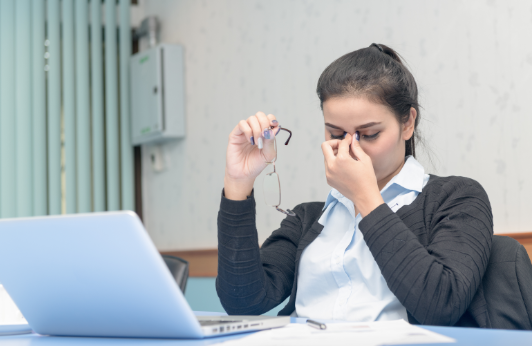
| 3. Avoid rubbing your eyes or picking your nose with your hands. |
| 4. Maintain healthy lifestyle habits. |
| 5. Do not take conjunctival inflammation symptoms such as itchy or red eyes lightly. Closely monitor changes in the condition and seek medical attention promptly. |
Hong Kong Vision Eye Center Dr. Tong Man Kit, Ophthalmologist https://www.hkbrighteye.com/