Image_Femtosecond Laser Cataract Surgery_FLACS_Benefits

FLACS Femtosecond Laser-Assisted Cataract Surgery

The application of femtosecond laser (FLACS) in refractive surgery has brought about significant transformation. Laser vision correction procedures such asLASIK and SMILEare widely used in refractive surgery. However,femtosecond laser-assisted cataract surgery (FLACS) provides surgeons with a highly precise alternative to replace the unpredictable and technically demanding steps in traditional cataract surgery.

Current technology

Cataract surgery is typically performed under local anesthesia. In the operating room, the surgeon uses a microscope and ultrasonic phacoemulsification technology to remove the cloudy natural lens and implant a suitable intraocular lens.

Diagram_Comparison

New Technology

FLACS connects to an optical imaging system to guide the laser in performing corneal incisions, capsulorhexis, and lens fragmentation steps. This technology offers patients a new option, changing the requirements associated with traditional techniques.

Benefits of FLACS Femtosecond Laser

FLACS Femtosecond Laser The goal is To enhance accuracy and refractive outcomes while ensuring safety and surgical simplicity. Many critical steps in cataract surgery, such as capsulorhexis and lens extraction, involve corneal incision structure, anterior capsule dimensions and shape, as well as the alignment of the intraocular lens with the visual axis.

  • Precise corneal incisions provide better wound healing outcomes.
  • Predictable astigmatism correction and reduced risk of endophthalmitis
  • Can reduce ultrasonic emulsification time and energy
  • It can reduce damage to corneal endothelial cells and other complications, such as corneal and macular edema.
  • Precise anterior capsulotomy effectively predicts lens position.
  • Significantly enhance and maximize the visual benefits of high-end intraocular lenses
Image_FLACS Technology_Cataracts
The accompanying diagram illustrates the FLACS technology.

In summary, compared to traditional phacoemulsification cataract surgery techniques, femtosecond laser ( FLACS ) offers relative advantages in terms of precision, predictability, and application in challenging scenarios such as mature cataracts, particularly when implanting advanced intraocular lenses.

Want to learn more about the cataract surgery process?

You may also be interested in:

How to Choose an Intraocular Lens?
—Guiding You to Select the Most Suitable Intraocular Lens

The Right Cataract Surgery for Me
— Cataract Surgery Options Offered at Our Clinic


What should I prepare before surgery?

The Process and New Technologies of Cataract Surgery
— Discover How FLACS Technology Transforms the Surgical Approach

Common Misconceptions About Cataracts
— Correcting Misunderstandings About Cataracts

FLACS 飛秒激光輔助性白內障手術​ Read More »

Cover Image_Cataracts_Common Misconceptions

Common Misconceptions About Cataracts

number-one (1)

只有長者才會患白內障嗎?

白內障會影響任何人,從嬰兒到90多歲的人。

長期暴露於紫外線下可能會使白內障惡化,但即使避開紫外線的人,在變老時仍會患上白內障。

除了年長因素外,先天性、外傷、糖尿病、藥物及放射等皆可能會引起白內障。 
number-2

80歲已沒有必要做白內障手術?

白內障是導致長者失明的一大眼病。即使未至失明,但長者會長期處於視力模糊的狀態,不單止嚴重影響長者的生活質素,也會造成危險。

目前沒有治療白內障的有效藥物,治療白內障最理想的方法就是做手術,摘除已混濁的晶狀體,換上人工晶體。

不論任何年齡,若生活上有需要,並且身體情況許可,皆可考慮接受白內障手術。

number-3

白內障手術只能在完全成熟的白內障上進行嗎?

否。患者不需等待白內障成熟。

白內障到了晚期,晶狀體會膨脹甚至溶解,繼而引發青光眼,導致不可逆轉的失明,而且晚期白內障手術難度較大, 視力恢復也更慢。

number-four

白內障手術會很痛?

白內障手術大多會採用眼部麻醉,痛楚很小,大部分長者都能接受。

有文獻報道,相比於第一隻眼的白內障手術,第二隻眼做白內障手術時患者的痛感略有增加。 
number-5

人工晶體壽命很短?

現時人工晶體的物料,物理及化學性質非常穩定,患者可終身使用。 

視力不良一定是白內障引起的?
白內障手術完成後,視力是否馬上就會變好?

You may also be interested in:

How to Choose an Intraocular Lens?
—Guiding You to Select the Most Suitable Intraocular Lens

The Right Cataract Surgery for Me
— Cataract Surgery Options Offered at Our Clinic


What should I prepare before surgery?

The Process and New Technologies of Cataract Surgery
— Discover How FLACS Technology Transforms the Surgical Approach

Common Misconceptions About Cataracts
— Correcting Misunderstandings About Cataracts

常見的白內障誤區 Read More »

Visual Migraines vs. Migraine Auras: What's the Difference?

Ocular migraine is a rare condition characterized by temporary loss of vision in one eye, or even temporary blindness. It is caused by reduced blood flow or vasospasm in the retina or the blood vessels behind the eye.

In ocular migraine, the patient's vision typically returns to normal within an hour. Ocular migraine may occur without pain or alongside (or following) a migraine headache.

Unfortunately, the term "ocular migraine" is often used to describe a more common (and harmless) condition—known as visual migraine or migraine aura—characterized by temporary visual disturbances that typically resolve within 30 minutes.

Unlike ocular migraine, visual migraine typically affects both eyes.

Now, let's take a closer look at ocular migraines and visual migraines:

Ocular Migraine and Visual Migraine Symptoms:

Symptoms of ocular migraine typically include a small blind spot that affects central vision in one eye. This blind spot may enlarge, making it unsafe to drive or read with the affected eye.

In some cases, the entire visual field of one eye may be affected. Typically, this episode lasts less than an hour.

Visual migraine symptoms may vary and can include:

1. Flicker blind spot at or near the center of the visual field

2. A wavy or jagged ring of colored light surrounding the central blind spot

3. Blind spots that slowly migrate across the entire field of vision

Visual migraine symptoms typically affect both eyes and last for 30 minutes or less. A migraine headache may occur shortly after the visual symptoms subside, or there may be no headache at all.

If you experience blind spots or other visual disturbances and are unsure whether it's an ocular migraine or a visual migraine, cover one eye at a time. If the visual disturbance occurs in only one eye, it is likely an ocular migraine. If it affects both eyes, it may be a visual migraine.

However, do not take any risks. If you suddenly notice any blind spots in your vision, immediately call or consult an ophthalmologist to determine whether it is harmless or a potential sign of a more serious condition, such as retinal detachment.

What causes ocular and visual migraines?

It is believed that ocular migraines share the same etiology as migraines.

Migraine has a genetic basis, with some studies indicating that up to 70% of individuals with the condition have a family history of migraine.

According to the World Health Organization, migraines appear to be triggered by the activation of deep brain mechanisms that release inflammatory substances around nerves and blood vessels in the head and brain.

Imaging studies have revealed changes in blood flow to the brain during ocular migraine and migraine aura episodes. However, the underlying reasons for these alterations and the mechanisms leading to the spontaneous resolution of ocular migraine and visual migraine remain unknown.

Common migraine triggers that may cause migraine attacks (including ocular migraine and visual migraine) include certain foods such as aged cheese, caffeinated beverages, red wine, smoked meats, and chocolate.

Food additives, such as monosodium glutamate (MSG) and artificial sweeteners, can also trigger migraines in some individuals.

Other potential migraine triggers include cigarette smoke, perfume and other strong odors, glaring lights or flickering lights, lack of sleep, and emotional stress.

Treatment and Prevention

As previously noted, visual disturbances caused by ocular migraines and visual migraines typically resolve within an hour or less without treatment.

If the task you are performing requires clear vision, stop what you are doing and rest until your vision returns to normal when experiencing an ocular migraine or visual migraine.

If you are driving, pull over to the side of the road and wait until your vision has fully recovered.

If you experience visual disturbances with migraine, consult your family doctor or neurologist to evaluate your migraine attacks.

Your doctor can advise you on the latest medications for treating migraines, including those designed to prevent future attacks.

It is best to keep a food and activity diary before the onset of ocular migraines or migraine auras to identify potential triggers that may be avoided in the future.

If your ocular migraines or migraine auras (visual migraines) appear to be stress-related, you can reduce the frequency of migraine attacks without medication by following these simple methods:

Eat healthy meals regularly.

Avoid common migraine triggers

Adequate sleep

Methods to try for stress relief, such as yoga and massage

Visual Migraines vs. Migraines with Aura: What's the Difference? Read More »

If your eyes suddenly turn red, what should you do?

Pink eye indicates some form of ocular inflammation. This condition is typically benign and self-limiting. Recognizing red flags that warrant urgent referral to an ophthalmologist is crucial for preventing long-term complications. Referral is essential when patients experience severe eye pain, copious purulent discharge, vision loss, distorted pupils, severe photophobia, ocular trauma, or herpes infection.The cause of red eye can be diagnosed through a detailed medical history and thorough eye examination.

Bleeding or congestion
Is there any pain?
Has your vision been affected?
Are there any other associated symptoms?

Treatment options for pink eye in certain situations :

1. Viral Conjunctivitis : Treatment is supportive and may include cold compresses and artificial tears. Topical antibiotics are rarely used, as secondary bacterial infections are uncommon. One study indicates SARS-CoV-2 can be transmitted via droplets, but infected patients are unlikely to spread the virus through tears.Researchers at Singapore's National Centre for Infectious Diseases collected tear samples from 17 COVID-19 patients from the onset of symptoms until recovery, typically on day 20.None of the patients presented with ocular symptoms, though one developed conjunctival swelling during hospitalization. The virus was not detected in any of the 64 tear samples collected during the study period; however, viral load was detected in nasal and throat swabs.

2. Bacterial conjunctivitis : Antibiotics form the mainstay of treatment, with selection based on cost-effectiveness and local bacterial resistance patterns.

3. Chlamydial conjunctivitis : Treatment includes topical erythromycin eye ointment, along with oral therapy using azithromycin (single 1-gram dose) or doxycycline (100 mg twice daily for 14 days) to clear genital infection. Sexual partners must be identified and treated.

4. Allergic Conjunctivitis : Avoiding allergen exposure and using artificial tears are effective methods for relieving symptoms in mild cases. Over-the-counter antihistamines/vasoconstrictors are also viable options, while topical steroids may be required to treat acute flare-ups.

5. Dry Eye Syndrome: Treatment involves frequent application of artificial tears and ointments throughout the day and night to reduce evaporation rates. Newer therapies include topical environmental spore-containing eye drops, which increase tear production. Omega-3 fatty acids have also been shown to be beneficial.

6. Scleritis: Topical NSAIDs have not demonstrated significant benefit over placebo in treating scleritis. Topical steroids may be useful for severe cases, though the condition is typically self-limiting.

7. Subconjunctival hemorrhage: Warm compresses and ophthalmic lubricants are sufficient. Recurrent bleeding may require a physical examination.

If your eyes suddenly turn red, what should you do? Read More »

【COVID-19】Symptoms? Transmission Routes? Incubation Period?

【COVID-19】 Can the virus be transmitted through the eyes?

To date, information about the novel coronavirus in Wuhan remains limited, including its transmissibility and severity. It bears significant resemblance to SARS in many aspects, with the novel coronavirus sharing 85% genetic similarity to SARS. According to the Centers for Disease Control and Prevention, the primary transmission route is from animals to humans. However, we know the virus can also spread between people through three main pathways:

∙Airborne particles (viral particles from coughing or sneezing); 

∙Close contact (touching or shaking hands); 

∙ Objects or surfaces contaminated with viral particles (then touching the nose or eyes before washing hands);  

Do citizens need to wear protective goggles? [Wuhan pneumonia] What symptoms appear during theincubation period?

Early symptoms resemble those of influenza, with an average incubation period of 7 to 14 days. Many mistakenly believe the virus spreads through airborne transmission, but viruses exposed to air will die. Only viruses protected by moisture within respiratory droplets can spread and infect others. When droplets come into contact with mucous membranes like the eyes, the virus can enter the body through these membranes. This mechanism applies to the novel coronavirus as well. Research has shown that after isolating the virus, it was proven to readily bind to the human angiotensin-converting enzyme 2 (ACE2) receptor, which is primarily found in cells of the lower respiratory tract.Therefore, healthcare workers performing high-risk procedures like intubation must wear face shields covering their eyes. Infection occurs in this setting only when eye protection is absent. However, for the general public, the primary transmission route is droplet spread. Wearing masks in public spaces is sufficient. Since no one sneezes directly into your eyes, ordinary citizens generally do not need to wear eye shields to prevent COVID-19.

【COVID-19】Wearing a mask is paramount! "Nose-picking and eye-rubbing" increase transmission risk!

Viruses can spread through droplets or particles. While masks can block most viruses and prevent others' saliva from escaping your mouth and nose, it remains crucial to clean your hands, avoid touching your face, and ensure masks are changed regularly.Wash your hands after touching public surfaces, before eating, after using the restroom, and upon returning home. Thoroughly rub your palms, backs of hands, between fingers, and especially fingertips for at least 20 seconds. Additionally, viruses can survive on phones for up to 24 hours! The National Health Commission and National Administration of Traditional Chinese Medicine released the "Diagnosis and Treatment Protocol for Novel Coronavirus Pneumonia (Trial Version 4)" on January 28 this year.The guidelines reveal that the virus loses its activity when exposed to ultraviolet light and heat (56°C for 30 minutes). and that lipophilic solvents like diethyl ether, 70% ethanol, chlorine-based disinfectants, peracetic acid, and chloroform can effectively eliminate live viruses. Therefore, it is recommended to regularly wipe your phone with disinfectant wipes containing 70% alcohol. Furthermore, eyeglasses may also carry viruses. Clean them with hand sanitizer, avoiding alcohol or other chemical cleaners that could potentially damage the lenses.

In summary, when visiting high-risk areas or encountering suspected cases, maintain a distance of 1 to 1.5 meters and limit stays to less than 30 minutes. Frequently clean hands with hand sanitizer to avoid touching the mouth, eyes, and nose with virus-contaminated hands. Do not take conjunctival inflammation symptoms such as itchy or red eyes lightly; closely monitor changes in condition and seek medical attention promptly.

Five Key Tips for Preventing Viral Infections
1. Regularly disinfect your phone by wiping it down with disinfectant wipes containing 70% alcohol.
2. Wash your hands frequently with warm water and hand soap, ideally for at least 20 seconds.
3. Avoid rubbing your eyes or picking your nose with your hands.
4. Maintain healthy lifestyle habits.
5. Do not take conjunctival inflammation symptoms such as itchy or red eyes lightly. Closely monitor changes in the condition and seek medical attention promptly.

Hong Kong Vision Eye Center Dr. Tong Man Kit, Ophthalmologist https://www.hkbrighteye.com/

【COVID-19】Symptoms? Transmission Routes? Incubation Period? Read More »

激光手術治療之前要諮詢您的外科醫生的 7 個問題

如果您的近視度數高和視力影響生活質量或履行工作職責的能力,則可能已經考慮過 激光眼科手術。這項先進的程序已於1999年在美國獲得批准,使成千上萬的人的視力,工作能力以及生活質量得到顯著改善, 而且非常安全。

本文詳細介紹了有關激光矯視手術7 個最常見的問題,以幫助確定該過程是否會為您提供所需的結果。


我可以期待什麼結果?


評估後,您的眼科醫生會知道您的近視。這些眼睛狀況是由屈光不正引起的,屈光不正的特徵是眼睛的形狀不允許光線聚焦在視網膜上,從而導致圖像顯得模糊。


激光矯視手術有潛在風險嗎?


激光矯視是一種成功率很高的手術。 手術後出現短暫模糊,光敏,流淚和輕度不適是正常的。 術後乾眼症很常見,原因是淚液產生減少。建議您用眼藥水以幫助解決乾眼症。感染或併發症很少。大多數患者很快就會從1-2天內康復。


年齡會成為激光矯視手術成功的因素嗎?


SMILE 和 LASIK已獲得FDA批准,適用於18歲以上的患者。儘管僅年齡並不一定會影響手術成功率,但一些醫生認為理想的患者年齡在35至45歲之間。


我的健康狀況會不會影響手術?


某些疾病,例如糖尿病,自身免疫性疾病,某些眼外傷和眼病可能會排除LASIK。經過全面的激光矯視手術評估,您的外科醫生將能夠為您提供專家見解。


手術是不是一次姓, 以後需要再次進行增進手術?


例如高屈光不正或年齡較大,可能會增加再次進行手術的可能性。


手術前我應該停止服藥嗎?


這是一個很重要的問題,問您的醫生您是否正在服用任何處方藥或非處方藥。您的醫生可能建議您停止使用某些藥物,例如維甲酸和抗組胺藥。


我需要多長時間才能恢復手術?


一般而言,您幾天之內就能看清一切,可以執行日常任務。外科醫生摘下眼罩後,您的視線可能會模糊,但是幾天之內應該會消失,並且視力會逐漸改善。可能需要數週的時間才能完全恢復 。

激光手術治療之前要諮詢您的外科醫生的 7 個問題 Read More »

What is excessive blinking?

眨眼

眨眼是我們保護眼睛免受疲勞的方法。

一個孩子平均每分鐘眨眼3 – 17次。

超出此範圍均被視為過度眨眼,可能表示眼睛不適或有問題。

眨眼過多可能是由於多種原因-從面部抽搐到眼睛極度乾燥的任何原因。

對於新手父母來說,很難確定孩子可能面臨的健康問題。

不像發燒和咳嗽的症狀很容易注意到。

過度眨眼原因

您的孩子可能由於以下原因過度眨眼:

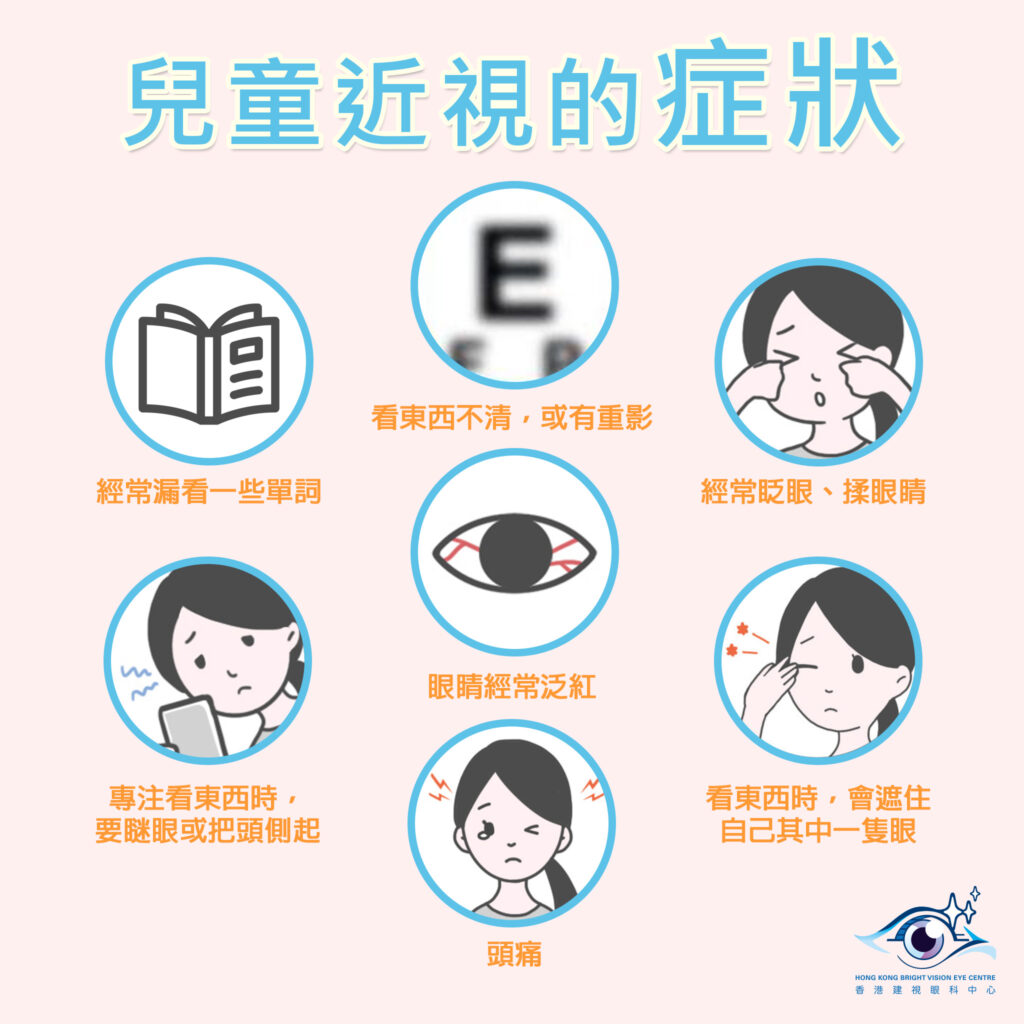
  1. 抽動-面部抽動會導致過度眨眼。抽動症是肌肉痙攣,會影響眼睛內部和周圍的肌肉。
  2. 近視- 過度眨眼的常見原因是近視。據觀察,這些兒童因眼睛流淚,頭痛,視力模糊,而且過度眨眼。 
  3. 眼睛過敏- 如果您的孩子眨眼過多,眼睛流淚或眼睛周圍有過多分泌物,則可能是過敏。
  4. 眼睛疲勞- 當孩子們這些日子長時間看電視和使用電腦和其他電子設備時常見 。在弱光下閱讀,在屏幕上花費太多時間以及睡眠不足會導致疲勞。
  5. 強迫症強迫症(OCD)是一種心理疾病,會影響許多兒童,但往往得不到診斷。這種心理狀況也會導致過度眨眼或面部抽動。
  6. 瞼緣炎- 是眼瞼中的細菌感染。這是兒童過度眨眼的原因之一。

你如何幫助你的孩子? 

以下幾種方法可以幫助兒童眨眼睛: 

有多種方法可以治療兒童眨眼過多。

根據診斷,不同的治療方案包括:  

  1. 保濕和消炎眼藥水 
  2. 眼鏡 
  3. 心理治療 
  4. 抗組胺眼藥水

何時需要關注 孩子眼睛眨眼時發生其他症狀,如斜視和對日常生活和事物缺乏認同。

當您發現此類事情,那麼您必須立即諮詢眼科醫生。

在絕大多數情況下,這個問題可以通過簡單的非處方(局部)藥水治療來解決,但如果情況沒有改善,可根據美國兒科健康兒童學會的建議採取口服藥物 。

如果不讓你的孩子養成了過度眨眼的習慣,遲早他們會克服這種習慣。

什麼是過度眨眼? Read More »