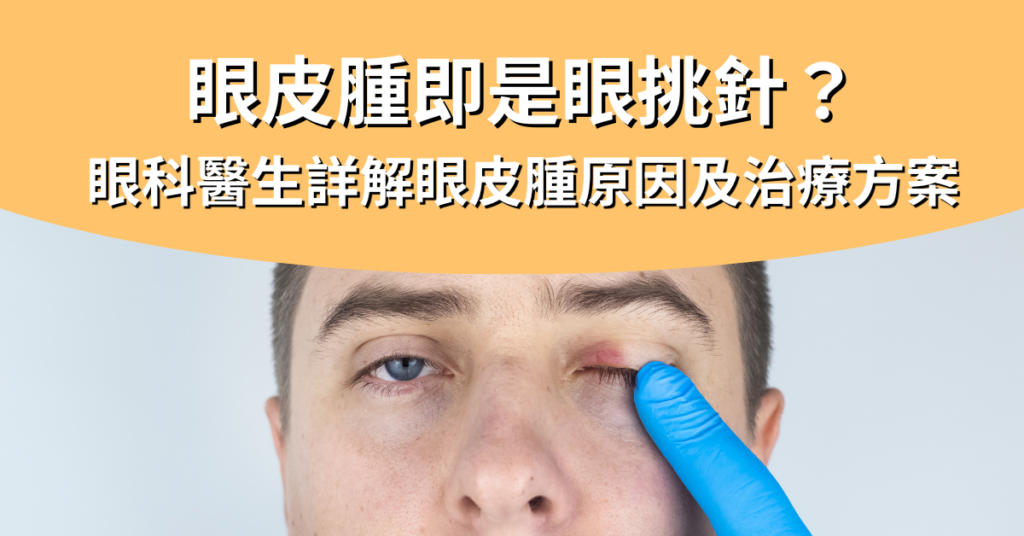
Swollen eyelids are a common condition, with either the upper or lower eyelids potentially becoming puffy. Some cases cause no pain or itching, while others may be accompanied by redness, swelling, pain, and itching in the eyelids.
Common Causes of Swollen Eyelids
There are various causes of puffy eyelids, with edema being the most common. Potential causes of edema include drinking too much water or consuming excessive salt before bedtime. Additionally, insufficient sleep and high levels of stress may also lead to puffiness in the upper and lower eyelids. However, this type of eyelid swelling typically does not cause pain or itching and can usually be alleviated by making appropriate adjustments to lifestyle and dietary habits.
However, in some cases, swollen eyelids may be caused by more serious underlying factors. If persistent swelling is accompanied by pain or discomfort, it is advisable to consult a doctor to determine the cause of the eye swelling and receive appropriate treatment.
The following are some causes of eye swelling that may require medical intervention:
Eye Allergy
Swollen or puffy eyes may be caused by allergies to dust, pollen, certain foods, medications, or other substances. Allergic redness and swelling around the eyes can also occur on just one eyelid, possibly because the hand touched an allergen and then touched that single eye.
Stye
Stye, also known as a hordeolum, primarily forms when the oil glands along the eyelid margin become blocked, leading to inflammation or bacterial infection. This causes swelling and pain in the inner or outer eyelid, with a noticeable lump appearing on the eyelid, giving the appearance of a swollen eyelid.
Conjunctivitis
Conjunctivitis, also known as pink eye, is typically caused by viruses, bacteria, or allergies. It leads to redness, a burning or dry sensation, increased discharge, and swelling and pain in the eyes and eyelids. Generally, patients with conjunctivitis experience swelling in both the upper and lower eyelids simultaneously. It is recommended to seek appropriate treatment from an ophthalmologist.
Blepharitis
Blepharitis can occur on either the upper or lower eyelid. This inflammation causes redness, swelling, dryness, itching, and stinging in the eyelids. Causes include overgrowth of Staphylococcus aureus, chronic dermatitis, or prolonged inadequate makeup removal leading to eyelid redness and allergic reactions.
Hyperthyroidism
Hyperthyroidism (Graves' disease) is an autoimmune disorder. When the body's immune system malfunctions, it mistakenly identifies healthy tissues as foreign invaders and releases antibodies to attack healthy cells.Hyperthyroidism (Graves' disease) targets the extraocular muscles, orbital tissues, and eyelid structures, leading to symptoms such as eyelid swelling, puffy eyes, and protruding eyes. In severe cases, there is even a risk of blindness.
Cellulitis
Sinusitis caused by the common cold may lead to serious complications such as orbital cellulitis if left untreated. Patients with cellulitis may experience eye swelling, red and swollen eyelids, heat and pain, and sudden vision loss.
mosquito bites
If one eyelid is swollen and itchy, and blinking causes slight pain, it may be due to an insect bite. As long as you maintain good eye hygiene, it should improve on its own within a few days. However, there is also a chance of further inflammation and swelling in the eyelid. It is advisable to monitor the condition closely and seek medical attention if necessary.
Methods for Reducing Eye Puffiness
Ice pack
Applying ice packs appropriately can help alleviate the sensation of swelling and heat in the upper and lower eyelids caused by insect bites or allergies. However, this does not provide a curative effect; it only temporarily relieves discomfort.
Hot compress
Applying heat can promote blood circulation while also helping to soften and drain blocked oils or pus. Proper heat application can resolve eye issues such as styes and blepharitis.
Massage around the eyes
Gently pressing around the eyes with your index or middle finger can help reduce puffiness and alleviate itching. Be sure to thoroughly wash your hands before massaging to prevent bacterial eye infections.
Pharmacotherapy
Antibiotics, eye ointments, and eye drops can effectively control bacterial infections and reduce symptoms of eyelid inflammation and swelling. Since eyelid swelling can stem from numerous causes, different medications may be prescribed depending on the underlying cause and severity of symptoms. These may include antihistamines, antithyroid drugs, immunosuppressants, and others. Therefore, patients must strictly follow their doctor's prescription and instructions to effectively address eyelid swelling.
Surgical treatment
For more severe conditions such as chalazion, cellulitis, or hyperthyroidism, if a series of treatments fails to achieve satisfactory results, doctors may recommend surgical intervention to address the root cause of eyelid swelling.
In summary, there are many causes of eyelid swelling, and it should never be taken lightly. If you experience persistent swelling, heat, or pain in the eyelid, it is advisable to seek prompt examination by an ophthalmologist and actively pursue treatment.
Frequently Asked Questions
The simplest way to reduce puffy eyelids is to apply cold or warm compresses. Additionally, maintaining good sleep and rest is crucial. If the cause is unclear, it's still advisable to consult an ophthalmologist for an examination.
Swelling of the lower eyelid may be caused by allergies, blepharitis, or edema. It is recommended to apply cold compresses to reduce swelling and seek help from an ophthalmologist to determine the cause.
If eyelid swelling persists or is accompanied by other symptoms such as pain or vision deterioration, it is recommended to seek medical attention promptly.
Upper/lower eyelids suddenly swell without pain may indicate a mild allergy or infection, or could simply be edema. If symptoms persist or worsen, it is advisable to seek medical examination.
Waking up with puffy eyelids may simply be due to water retention, which usually subsides on its own. Applying an ice pack can also help reduce the swelling.