Many seniors experience blurred vision and may attribute it to age-related decline, but have they considered that it could stem from an eye disease?
Table of Contents
ToggleEye Disease Symptoms
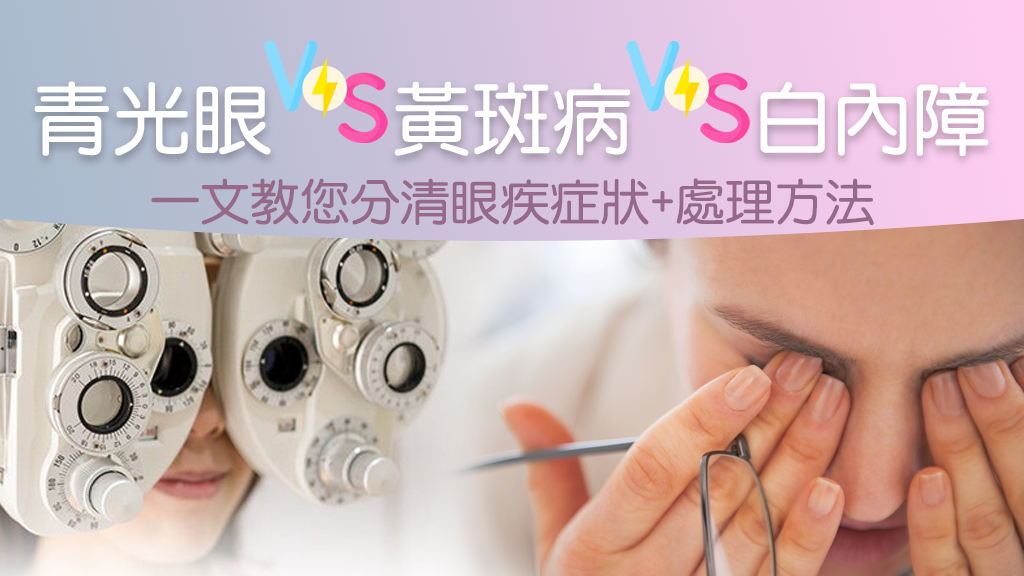
First, determine whether vision loss is sudden or gradual, and whether it affects central vision, the entire visual field, or peripheral vision. Also note if it's accompanied by eye pain. How can we distinguish between macular degeneration, cataracts, and glaucoma? Take cataracts as an example: vision in older adults typically declines gradually and affects the entire visual field. Macular degeneration, conversely, causes sudden, acute vision loss affecting central vision.Glaucoma also gradually affects vision, typically starting with peripheral vision loss.
These three conditions are easily confused, and seniors can check for them through various methods. One method involves using "checkered paper." This grid-patterned paper allows seniors to observe whether straight lines appear curved. Such distortions can indicate the presence of macular degeneration. For other issues, an ophthalmologist's examination is necessary to determine the specific eye condition.
How to treat it?
Diabetic retinopathy typically presents with two complications, primarily caused by oxygen deprivation leading to vascular proliferation. When blood vessels proliferate, these fragile vessels may leak, resulting in vitreous hemorrhage or macular edema. To prevent this, intravitreal injections are commonly administered to inhibit vascular proliferation and thereby reduce oxygen deprivation.
Cataracts are primarily treated through minimally invasive cataract surgery, which involves removing the clouded lens and implanting an artificial lens. Finally, glaucoma can be managed through early intervention to prevent ongoing damage to the optic nerve. There is no cure for glaucoma; treatment focuses on monitoring eye pressure through regular testing and managing it with eye drops, surgery, or laser procedures to slow nerve damage.
Seniors can prevent eye diseases by making lifestyle changes, such as: reducing sugar and salt intake; consuming foods rich in vitamin A, carotenoids, or omega fatty acids for their antioxidant effects; engaging in at least 30 minutes of aerobic exercise daily; and avoiding smoking. Regular eye examinations are essential for early prevention and treatment. Minimizing exposure of the eyes to ultraviolet light is crucial for preventing various eye conditions.
Source: Topic