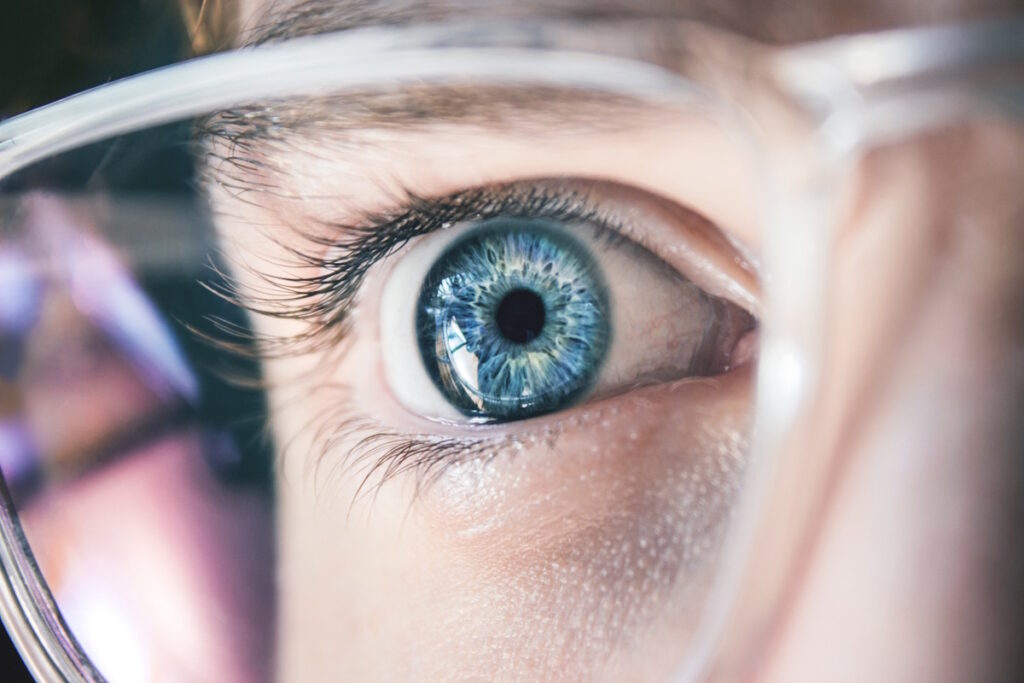
醫生叫觀察,白內障幾時先要真正出手?

The doctor said to observe; when should cataract surgery be considered?

Coming out of the clinic with an eye exam report in hand, the doctor’s final words were “Let’s observe it first, don’t rush.” But when I got home, I could still see the aperture when driving at night; when reading the newspaper, I had to squint to see the text clearly; when I was going down the stairs, I wasn’t sure of the level; when exactly is “urgent”? Does it have to wait until I can’t see anything at all?

Observing doesn't mean your cataract stops developing; nor does it mean waiting will be free of cost. What the doctor means is that the current visual impairment hasn't reached the threshold for surgery. But this threshold varies from person to person and is determined by your quality of life, not just by the numbers on the visual acuity chart.

What you really need to know is: are there objective standards that tell you when you have crossed the line?

"Observation" is not an endless wait.

CataractIt is a degenerative process in which the vitreous body within the eye gradually becomes cloudy; it is most common with age and is also associated with long-term exposure to ultraviolet light, diabetes, and steroid medications.

When the cataract is mild and has limited impact on daily life, regular follow-up visits and temporary observation are reasonable choices. However, “observing” has two prerequisites: first, the visual problem is mild; second, the quality of life is not significantly affected. Once either of these conditions changes, continuing to wait is not the most reasonable arrangement.

Waiting for too long, is there any cost?

Many people think that if you don't have cataract surgery, you'll at most be unable to see clearly and won't have any other problems. But in reality, the long-term effects of poor vision are more severe than you might think.

Regarding the risk of falls, patients with cataracts are significantly more likely to suffer a bone fracture due to impaired deep perception, with the impact being particularly pronounced among those aged 65 and older; this also has long-term effects on mobility and self-confidence.

Another often overlooked issue is the timing of the surgery. If the cataract has reached a “overmature” stage, the lens nucleus hardens, requiring higher ultrasound energy, prolonging the surgery time and resulting in a relatively slower recovery after the procedure. From a medical perspective, timely treatment is more beneficial for the surgical outcome.

Driving safety also needs to be taken into consideration. Glaucoma-induced glare, reduced night vision acuity, and reduced contrast sensitivity can cause visual reaction delays. Even if you feel you can still drive, these subtle changes are silently accumulating risks on the road.

But is it true that I have reached the time for surgery?

Clinically, ophthalmologists usually evaluate from several perspectives: you can compare your situation to:

Evaluation indicators Description
Best corrected visual acuity is less than 0.5 Even with glasses on, the visual acuity remains below 0.5, which is a commonly used clinical reference point; it must be combined with the overall condition to make a judgment.
Daily life is affected Reading requires special lighting, nighttime driving is difficult, TV contrast decreases, and strong outdoor light makes it uncomfortable.
Changing glasses no longer improves vision The refractive index has changed, but my vision with the new glasses is still poor; the problem lies with the lens itself, not the refractive index.
The other eye has poorer vision. If one eye also has macular degeneration or glaucoma, cataract should be treated as soon as possible to maintain eye balance.

💬 Book an eye assessment

Not sure if it’s time for surgery yet? Feel free to inquire and learn more about your eye condition.

WhatsApp inquiry

Evaluation is crucial before deciding to have surgery.

Corneal transplant surgery is a relatively mature outpatient procedure, usually performed under local anesthesia (eye drops are administered), the entire process takes about 20 to 25 minutes, and patients can return home the same day and rest comfortably.

Detailed pre-surgery evaluations are indispensable, including ocular biometrics (calculating the appropriate lens refractive index), corneal topography, retinal examination, and an overall assessment of eye health.Artificial crystalWith options ranging from single-focus to multi-focus to wide-angle, your doctor will provide detailed recommendations based on your profession, lifestyle, and eye condition.

🔍 Preliminary self-assessment of cataract intraocular lens (free · done on mobile phone)

Not sure if cataract surgery is right for you or which lens is the right one? It's completely free and can be done using your phone, giving you instant insight into your eye condition and lens choice.

Start a free evaluation →

Common questions FAQ

Q1: The doctor told me to observe it; does that mean the cataract is not serious and doesn't need surgery?

"Observation" means that the current degree of cataracts does not yet meet the threshold for immediate surgery, but it does not mean that it will never need to be treated. Cataracts are a process of continuous deterioration; regular follow-up examinations and monitoring of visual changes are at the core of the observation period, not a static wait.

Q2: It is said that cataract surgery can only be performed when the cataract is "ripe"; is this true?

This is an outdated concept. Modern ultrasound-assisted cataract surgery does not require the cataract to be "ripe." The earlier the cataract is treated, the softer the lens becomes, and the lower the surgical difficulty is. Post-operative recovery is often more successful. Overripe cataracts, on the other hand, make the surgery more difficult.

Q3: If cataract surgery is not performed, will the vision continue to deteriorate?

Cataracts are irreversible degenerative conditions; currently, there are no eye medications or drugs that can reverse cataracts. The rate of visual impairment varies from person to person; regular eye examinations help gauge the progress and make informed decisions in a timely manner.

Q4: Is cataract surgery performed under local anesthesia or general anesthesia? Will it be painful?

The vast majority of cataract surgeries are performed under local anesthesia (eye drops). Patients remain fully conscious throughout the procedure, with only minor discomfort. The entire process usually takes 20 to 30 minutes, and they can return home the same day after the surgery.

Q5: How long does it take for vision to return to normal after cataract surgery?

Most patients experience significant improvement in vision on the first day after surgery; full stabilization usually takes several weeks. The doctor will schedule follow-up visits after the surgery to confirm eye pressure, wound healing, and visual recovery.

Q6: After cataract surgery, does the artificial lens need to be replaced?

Artificial lenses are usually designed for permanent use; after implantation, they generally do not need to be replaced. In some cases, blurred posterior capsule may occur several years after the procedure; vision can be restored with laser treatment, without the need for another surgery.

Q7: Can cataract surgery also treat presbyopia at the same time?

Yes. Using multi-focus or wide-angle lenses, cataract surgery can simultaneously correct farsightedness and myopia, reducing the need for glasses after the procedure. The doctor will recommend the most suitable lens solution based on your work nature, lifestyle, and eye condition.

The “observance period” for cataracts is meaningful, but “observance” does not mean indefinite waiting. When visual impairment begins to interfere with your daily life, such as driving, reading, or nighttime activities, it is time to seriously discuss it with your doctor and evaluate the specific timing and plan for surgery.

💬 Book an eye assessment

If you would like to learn about the extent of your cataract and the timing of the surgery, please feel free to contact us for further information and to arrange a detailed ophthalmological evaluation.

WhatsApp inquiry

The doctor said to observe; when should cataract surgery be considered? Read More »

50歲後視力開始退化?怕光、眩光、矇眼可能唔只係「年紀大咗」

Are you afraid of seeing clearly after age 50? Learn about the early and middle stages of cataracts and their treatment|Cenvis Eye Clinic

This summer, have you noticed that you are more afraid of light than before? Even though you have sunglasses, the sunlight still makes you feel itchy and headaches; when driving at night, the glare from oncoming headlights seems to be a circle bigger than before; or when watching TV or using a mobile phone, the picture becomes increasingly blurry and the colors are not as vivid?

You might think it’s because you’re too tired or that the refractive error has deepened; just replace your glasses. But if you’re over 50, these symptoms combined together may be early signs that cataracts are quietly developing. Most people wait until vision has seriously affected their quality of life before taking action.

In fact, understanding your eye condition early on is the most important step in protecting your eyesight.

Why are cataract symptoms especially pronounced in the summer?

Hong Kong’s summers are often 28 to 33 degrees Celsius, with high UV index, and the strong urban reflection light make it the most stressful season for the eyes throughout the year.

For patients with cataracts, the intense sunlight in the summer makes the symptoms more noticeable: the lens of a normal eye is clear and transparent, allowing light to focus clearly on the retina. But when the lens begins to become cloudy (i.e., cataracts), light is scattered as it enters the eye, causing glare and halos. This is why you feel particularly uncomfortable in bright light.

Another summer phenomenon is the moment of "going from indoors to outdoors." In an air-conditioned room, the light is dim, and when you step out into the blazing sun, your pupils need to contract quickly to adjust. Cataracts reduce the crystalline lens's ability to adjust, making this adaptation process slower, more uncomfortable, and even temporarily making it impossible to see clearly.

If you’ve noticed that it’s getting harder to go out in public these past few weeks, it’s time to pay attention to your eyes.

Early to middle-stage symptoms of cataracts

Cataracts are progressive eye diseases; early symptoms are often subtle and can be easily overlooked or mistaken for normal vision deterioration. The following are common early to intermediate cataract symptoms:

Early cataract symptoms

  • There is a noticeable glare or halo under the sunlight or car headlights
  • Night vision is worse than before, making driving especially difficult.
  • The colors look too yellow and dark, not very vivid.
  • The vision changes frequently; after wearing the glasses for a short time, I feel that it is not clear enough anymore.
  • Sometimes you don't even need glasses to see things up close (the temporary "return to childhood" phenomenon is actually due to changes in the lens density).

Symptoms of intermediate-stage cataracts

  • On sunny days, you need to blink frequently or squint to see clearly.
  • When reading or using a mobile phone, the text edges are blurred and there are heavy shadows.
  • The contrast has decreased, and dark text is not clearly visible on light backgrounds.
  • When there is insufficient indoor light at night, visual acuity noticeably decreases.

Not all symptoms of cataracts appear at the same time, but if you experience two or more of them, it is recommended that you seriously consider undergoing an eye examination.

Cataracts are a chronic disease that does not develop suddenly or improve on its own.The sooner you understand your situation, the sooner you have the opportunity to make appropriate arrangements.

Glaucoma assessment tool

🔍 Not sure what kind of cataract I have and what crystal options I have?

Just about 3 minutes Fill out the questionnaire to provide you with preliminary artificial lens options based on your lifestyle and visual needs. After filling out the questionnaire, the analysis results will be sent to your email.

Immediately fill out the preliminary assessment →

Why should we pay special attention after the age of 50?

Cataracts are eye diseases closely related to age. It is quite common for people over 50 to suffer from varying degrees of cataracts, and among those over 65, cataracts are one of the main causes of visual impairment.

In addition to age, the following factors also accelerate the development of cataracts:

☀️ Prolonged exposure to ultraviolet radiation

Hong Kong has long had high UV index in the summer; people who spend a long time in strong sunlight without proper eye protection will accelerate the oxidation and clouding of the lens.

🩺 Chronic diseases

People with diabetes or who have been taking corticosteroids for a long time are at a higher risk of developing cataracts than the general population, and the onset of the disease may also be earlier.

🧬 Genetic factors

If parents or siblings have a history of cataracts, the risk of developing the disease themselves is also relatively higher.

👁️ There are also eye problems

Having high myopia or having had eye trauma are also risk factors for cataracts.

"Waiting to have cataract surgery until you can see clearly is a misunderstanding"

Many people have a deeply ingrained concept: "Cataracts can only be treated after they mature."

But the modern medical viewpoint is not that way. Waiting for the cataract to fully mature before treating it causes the lens to become harder and denser, making the surgery more difficult and with a relatively greater impact on the eye tissues. At the same time, highly mature cataracts can lead to complications such as glaucoma, posing additional risks to vision.

More importantly, if cataracts are already significantly affecting your daily life—such as difficulty seeing clearly outdoors, driving at night, or reading—you really don't need to wait any longer. Modern cataract surgery techniques are mature, and you don't have to wait until you are completely unable to see clearly before having the procedure.

The following situations suggest that you should seriously consider consulting an ophthalmologist:

  • The symptoms have affected driving safety.
  • Poor visual clarity when reading or working affects efficiency
  • Having difficulty with nighttime activities (such as going out after dinner)
  • The degree of change in a short period of time
  • There is a noticeable discomfort in strong light, affecting the desire to engage in outdoor activities.

Even if you are not at this level yet, if you have early symptoms, undergoing a detailed eye examination can help you clearly understand your current condition and when you need to follow up.

💬 Book an eye assessment

Suspecting cataracts? Please contact us to arrange a detailed eye examination to understand your eye condition.

WhatsApp inquiry for cataract examination

Modern cataract surgery techniques

If the ophthalmological evaluation confirms that the cataract needs to be treated, modern cataract surgery involves making a small incision and using ultrasound emulsification technology (Phacoemulsification) to break up the cloudy lens and remove it, then implanting a suitable artificial lens. The entire process is generally performed under local anesthesia, and the surgical procedure is relatively short.

The choice of artificial lenses varies depending on the person, including different types such as single-focus lenses, trifocal lenses, and presbyopia correction lenses. The best option for you will depend on the detailed evaluation by an ophthalmologist based on your eye condition.

If you want to have a preliminary understanding of the different crystal options first, you can fill out our free questionnaire to provide preliminary guidance based on your daily habits.

Things you need to know before the surgery

Pre-operative evaluation
The complete pre-operative evaluation includes corneal topography, eye axis measurements, and macular scans, with the aim of accurately calculating the artificial lens refractive index and assessing the overall health of the eyes. If dry eye syndrome is present, it must be properly treated before the procedure, as dry eye syndrome can affect the accuracy of pre-operative measurements and subsequently impact the visual acuity after the procedure.

Post-operative recovery
After surgery, regular follow-up visits are usually required. The doctor will monitor the recovery of vision and any complications. Initial post-operative treatment requires the use of eye drops as directed by the doctor, and avoiding rubbing the eyes and contact with sewage. In general, vision gradually improves within a short period after the surgery, but individual cases vary.

Possible situations that may occur after the procedure
Some patients may experience post-operative cloudy lens (commonly known as "posterior cataract") within a short period after the surgery. This condition can be treated with outpatient laser therapy and does not require another surgical procedure.

Glaucoma Information Video

Want to learn more about cataract rejuvenation? Let's break down the misconceptions about cataract surgery one by one for you!

Common questions FAQ

Q1: I am afraid of light and glare; is it necessarily cataracts?

There are various causes of light sensitivity and glare, including dry eye syndrome, corneal problems, and cataracts. It is not always a cataract; a detailed eye examination is recommended to assess the exact cause and provide targeted treatment.

Q2: Can cataracts be "dissolved" with eye drops or medication?

Currently, there are no widely accepted medications in medicine that can reverse or dissolve cataracts. The most effective method for treating cataracts today is surgery, which involves replacing the cloudy lens to restore clear vision.

Q3: Is cataract surgery very dangerous?

Corneal transplant surgery is one of the most advanced surgical techniques in ophthalmology. Among patients suitable for surgery, serious complications are relatively rare. However, any surgery carries risks, and detailed pre-operative evaluation and full communication with the doctor are essential to understand the individual’s situation and related considerations.

Q4: Both eyes have cataracts; do I have to do both at the same time?

Generally, the surgery will not be performed on both eyes at the same time. Usually, the weaker or more noticeable eye will be operated on first, and the other eye will be considered after recovery is stable. The specific arrangements will be decided by the doctor based on the patient's condition.

Q5: After undergoing cataract surgery, do I still not need to wear glasses?

This depends on the type of artificial lens chosen and the post-operative refractive condition. Choosing a single-focus lens usually still requires glasses to aid reading; multi-focus or three-focus lenses can reduce the need for glasses, but may not be completely necessary. Thorough communication with the doctor about visual expectations before the procedure helps choose the most suitable option.

Q6: Is it too early to have cataract surgery at the age of 50?

The timing of cataract surgery is not solely determined by age, but rather by the extent of the cataract's impact on daily life and the overall health of the eyes. If cataracts have already affected quality of life and are deemed appropriate by a doctor after evaluation, age is not the sole factor to consider.

Q7: I want to know if I really have cataracts and what should I do?

Book an appointment with an ophthalmologist for a detailed eye examination, including slit-lamp examination and dilated eye examination. The doctor can directly observe the degree of cloudiness of the lens and determine whether there is cataracts and its severity, and explain the appropriate follow-up treatment for you.


In the summer, my eyes feel particularly uncomfortable. As I am already over 50 years old, I shouldn't take it lightly just because it's "too hot" or "my age has increased."

Fear of light, glare, blurred vision, and color distortion—each of these symptoms may not be serious in and of themselves, but when combined, they are signals that your eyes are sending you.

Cataracts are treatable diseases. By learning about your eye condition early and discussing it with an ophthalmologist, you can make the best decision for yourself at the most appropriate time, rather than regretting it when vision has seriously affected your life.

Rather than worrying about the results, it would be better to undergo a professional eye examination to get a clear understanding of your condition.

💬 Book an eye assessment

Suspecting cataracts? Please contact us to arrange a detailed eye examination to understand your eye condition.

WhatsApp inquiry for cataract examination

Are you afraid of seeing clearly after age 50? Learn about the early and middle stages of cataracts and their treatment|Cenvis Eye Clinic Read More »

夜晚睇嘢好唔清楚?點解睇啲燈會有光圈?

Is it hard to see things clearly at night? Why do lights have a lens effect?

Starting at the beginning of this year, you noticed that driving at night was getting more and more difficult.

The headlights of oncoming vehicles seem particularly bright, making you squint to see them. There are halos around the red and green lights, making it difficult to tell whether it’s red or green. The streetlights seem to have several layers of shadows, so you have to be very focused to see clearly the road ahead.

You think it's because the car lights are too bright, or that you're too tired.

But recently you’ve noticed that you drive slower and slower at night. Before you could drive at speeds of 80-90, now you dare to drive only at speeds of 50-60. Your family members have started to notice and ask you if you’re not feeling well.

You start to wonder: is it really your eyes that are the problem?

When it gets dark, seeing things becomes unclear; the lights have a halo effect, and the headlights are particularly glaring. These are not simply signs of aging of the eyes; they may be early warning signs of cataracts.Moreover, if you delay handling the issue, it will only become more serious and may affect your driving safety.

Why is it so hard to see things clearly at night?

Many people have had similar experiences: driving in the daytime is fine, but as soon as night falls, problems start to appear.

You might be thinking:

  • Is it because my night vision is poor?
  • Do I need to wear night vision glasses?
  • Is it because I've gotten older and my eyes naturally become worse?

But in fact, the problem with night vision and cataracts are closely related.

How does cataracts affect night vision?

Cataracts are the gradual clouding of the lens. When the lens begins to cloud, light passing through it is refracted.Diffusion and refraction,This leads to the following problems:

1. Glare

Strong light from oncoming vehicles, such as headlights and streetlights, is scattered by the cloudy crystalline lens, making it particularly blinding. This isn't because the lights are too bright; it's because your crystalline lens is scattering the light.

2. Why do the lights have a lens effect when viewed?

You will see a ring of light around the red and green traffic lights and streetlights. This is caused by the uneven refraction of light passing through the cloudy crystalline lens. In medicine, it is called a "halo" (Halos), which is one of the very typical symptoms of cataracts.

3. Contrast decreases

The light at night is already weak, and cataracts can make it harder for you to distinguish between objects and backgrounds. For example, you may not be able to see the white lines on the road clearly, or you may not be able to see pedestrians in front of you.

4. Blurred vision

Overall visual acuity declines, especially in low-light environments.

Why isn't it as severe during the day?

This is a question that many people have wondered about. Why is it okay to drive in the daytime, but not at night?

The reason isPupillary size。

Time Pupillary State Location of light passing through
Daytime The light is sufficient, the pupils will be dilated.Shrink Light mainly passes through the crystalline lens.Central(Usually the last part that becomes cloudy)
At night If the light is insufficient, the pupil willZoom in Light passes through the crystal structure.Surrounding area(Usually the parts that are more cloudy earlier)

Therefore, in patients with early cataracts, the difficulty in seeing clearly at night is much more pronounced than during the day.

Have you ever experienced this situation?

If you are driving at night and experience any of the following situations, please be aware:

The headlights of oncoming vehicles are particularly glaring.

You might find the headlights of oncoming vehicles to be blindingly bright, making you squint or squint to see through them. Sometimes you even have to slow down to let the oncoming vehicle pass before you dare to continue driving.

Looking at the lights, I can see the aperture.

When you look at the red and green lights, you'll see a circle of light around them. Sometimes you can't even tell if it's a red light or a green light, so you have to look at other vehicles to know for sure.

Street lights have heavy shadows or star-like lights

The streetlights look like they are emitting a lot of light, like a "star explosion." You might also see a slight shadow on the streetlights; one light looks like it has two or three other lights.

Driving at night requires special caution.

You find that your driving speed gets slower at night because you have to be extra careful to see clearly the road ahead. Before, you might have been driving at 80-90 km/h, but now you dare to only drive at 50-60 km/h.

Avoid driving at night

You start trying to avoid going out at night, or ask your family members to drive. If you absolutely have to go out, you’ll choose to take public transportation or a taxi.

Rainy nights are even worse.

On rainy nights, the situation becomes even more severe. The wet road surface reflects light, and combined with the halo effect caused by cataracts, it makes it almost impossible to see the road ahead clearly.

Glaucoma surgery is an effective treatment method.

Many people are very afraid of the word "surgery," but in factCataract surgery is one of the common and mature eye surgeries.。

How is the surgery performed?

Modern cataract surgery is called "ultrasound emulsification surgery":

  1. Local anesthesia: Eye drops provide anesthesia; the process does not cause pain.
  2. Minimally invasive incision: 喺角膜邊緣開一個2-3毫米嘅小切口
  3. Emulsified crystalline bodies: Use ultrasound to shatter the cloudy crystalline structure, then extract it.
  4. Implantation of artificial lens: Insert an artificial crystal to replace the original crystalline lens.

The entire surgery usually only takes20 minutes,On that day, you can go home.

Will the night vision improve after the surgery?

Yes.

Many patients who underwent surgery are impressed by the feeling after the operation: "I can finally see clearly while driving at night! I no longer have halos around the lights!"

  • The glare problem will be greatly improved.
  • The halo will disappear or be significantly reduced
  • The contrast will be restored
  • Overall vision will be much clearer.

Some patients even said that after the surgery they could drive better at night than before, because the artificial lens is more transparent than their original crystalline lens (even before it became cloudy).

How to choose artificial crystal?

Different types of artificial lenses are suitable for different needs. If you want to know which type of artificial lens is right for you, you can use ourFree Artificial Lens Initial Evaluation Tool,In just 3 minutes, you can get a preliminary understanding of which type of crystal is best suited for you:

👉 Preliminary evaluation of cataract intraocular lens (3-minute test)

Of course, the final choice still needs to be made by an ophthalmologist based on your detailed examination results and lifestyle needs.

How long after the surgery can I drive?

Driving type Recovery time
Daytime driving After the surgery1-to-2-weeks
Driving at night After the surgery3-to-4-weeks(Waiting for vision to stabilize completely)

But the actual situation depends on each person's recovery rate and the doctor's assessment.

💬 Book an appointment for cataract examination

Having trouble seeing clearly at night? Book an appointment for a detailed examination immediately to find out if it’s a cataract problem.

WhatsApp inquiry

Common questions FAQ

1. I'm already in my 40s; is it too early to develop cataracts?

Cataracts don't only affect older people. Although most cataract patients are over 60 years old, early cataracts can also occur at ages between 40 and 50. Especially if you have nearsightedness, diabetes, or prolonged exposure to ultraviolet light, cataracts will appear earlier.

2. Will cataracts heal on their own?

No. Cataract is a process of degeneration of the crystalline lens protein; it is irreversible. No medication or eye drops can make cataracts disappear. Surgery is currently the only effective treatment method.

3. Can I wait for the cataract to "settle down" before having surgery?

This is an outdated concept. In the past, cataract surgery technology was not advanced enough; it had to wait until the cataract was very severe before it could be performed. But modern cataract surgery technology is already very mature; it doesn't need to wait until it is "ripe." On the contrary, if you wait until the cataract is too severe, the difficulty of the surgery will increase, and the risk and potential complications will also increase.

4. Will cataract surgery be painful?

Modern cataract surgery is performed under local anesthesia; the procedure does not cause pain. You will be awake during the surgery, but you will not feel any pain. There may be some sensation of foreign body after the surgery, but it usually disappears within a few days.

5. How well can vision improve after cataract surgery?

The vision after cataract surgery depends on the health of the other parts of your eyes. If your retina, macula, and optic nerve are healthy, the vision after surgery can usually be restored to near normal levels. Many people who undergo surgery say: "Finally I can regain clear vision, no longer needing to constantly wear new glasses."

6. Will the cataract recur after cataract surgery?

No. Because the surgery involves completely removing the cloudy lens and replacing it with an artificial lens. The artificial lens will no longer be cloudy, so the cataract will not recur.

However, a small number of people (about 10-20%) may experience Posterior Capsule Opacification (PCO) within a few months to a few years after surgery. This is not a recurrence of cataract, but rather an increase in the posterior capsule membrane that supports the artificial lens. If this occurs, the posterior capsule can be opened with a laser (YAG Laser), a process that takes only a few minutes and does not require further surgery.

7. If I have diabetes, will it increase the risk of cataracts?

Yes. Diabetes can accelerate the development of cataracts, and in people with diabetes, cataracts usually appear earlier than in the general population. If you have diabetes, you should have regular eye exams to detect cataracts and other diabetic eye diseases (such as diabetic retinopathy) early.

8. When it gets dark, I can hardly see anything; is that definitely cataracts?

Not necessarily. Poor night vision can also be caused by other reasons, such as astigmatism, corneal problems, and dry eye syndrome. But if youEven with new glasses, I still can't see things clearly.,And alsoThe situation continues or worsens,In that case, there is a very high chance that it is cataracts. The accurate method is to see an ophthalmologist for a detailed examination.

9. How much does cataract surgery cost?

The cost of cataract surgery depends on the type of artificial lens you choose and the surgical method. Basic single-focus artificial lens surgery generally costs between a few thousand and 15,000 yuan. If you choose multifocal or refractive lens surgery, the cost will be higher. Some medical insurance plans cover cataract surgery; we suggest you first check with your insurance plan.

10. When should I have cataract surgery?

There is no one standard answer; it depends on how the cataract affects your daily life. If the cataract is already affecting your work, driving, reading, or other daily activities, you may consider surgery. You don’t have to wait until your vision is very bad to have it done. Modern cataract surgery techniques are very advanced; the earlier you get it done, the lower the surgical difficulty and the faster the recovery.


More information about cataracts

Want to learn more about cataracts? You can watch our cataract education video series:


Conclusion

When it gets dark, seeing things becomes unclear; the lights have halos, and the headlights are blinding. These are not simply the natural aging of your eyes; they are most likely early warning signs of cataracts.

If you’ve tried wearing new glasses, reducing driving at night, and avoiding headlights, but the problem persists, it means you need a professional assessment.

Cataracts do not heal on their own; they only worsen over time. The sooner you are diagnosed and treated, the sooner you can regain clear vision and drive safely.

Don't wait until vision problems severely affect daily life or even lead to accidents before taking action.One professional examination can determine your condition and the appropriate treatment plan.

💬 Book an appointment for cataract examination now

Does nighttime vision problems affect driving safety? Book an immediate appointment for a comprehensive eye examination.

WhatsApp inquiry for cataracts

Is it hard to see things clearly at night? Why do lights have a lens effect? Read More »

矯視後度數反彈的情況常見嗎

Is it common for presbyopia to rebound after refractive surgery?

The so-called "regression of vision" refers to the situation where the vision that had already been corrected returns after completing laser refractive surgery, resulting in nearsightedness, farsightedness, or astigmatism. However, after a period of time, the nearsightedness or astigmatism returns, requiring the need to re-wear glasses or contact lenses, or even considering undergoing another refractive surgery.

In most cases, the rebound is relatively mild, such as recovering 50 to 100 degrees, and it will not return to the near-sighted state seen before the surgery. Slight fluctuations in vision are normal; for example, in the first few weeks or months after the surgery, vision may be good or bad, with night glare and halos gradually stabilizing as the cornea recovers; this is not necessarily considered a "true rebound."

The main reasons for the rebound after refractive surgery

Corneal repair and deformation

The structural changes of myopia are still ongoing, especially in young patients with a pre-operative refractive error that is higher than normal. If surgery is performed before the myopia is fully stabilized, the eyeball may continue to elongate and the refractive error will naturally increase again.

Excessive eye strain and working close up often

Long-term use of computers, mobile phones, and reading close objects by Hong Kong people causes the ciliary muscles to contract continuously, keeping the eyes strained. In the long run, this can worsen the development of myopia and, if left untreated after refractive surgery, it also increases the risk of recurrence.

Improper post-operative care or no follow-up

Failure to visit the eye doctor on time, discontinuing medication without consulting a doctor, not following the doctor's instructions to avoid rubbing the eyes, and engaging in strenuous exercise can all affect the corneal recovery and stability, increasing the risk of unstable or even progressive vision loss.

How to reduce the risk of rebound after refractive surgery?

It is generally recommended that the near-sightedness be stable for at least 1–2 years without any significant deepening before considering refractive surgery to avoid surgery during the development phase of myopia and reduce the effectiveness of the treatment.

Wear sunglasses

Sunglasses can effectively block the ultraviolet light from damaging the fragile cornea, prevent dust and foreign objects from entering the eyes, and reduce the sensitivity and discomfort of the eyes to strong light.

Strictly follow the doctor's instructions

Take your eye drops on time, avoid rubbing your eyes, stop swimming for 3 months, and visit the doctor on time to allow the cornea enough time to recover and stabilize.

Long-term eye-care habits

Use a near-distance screen for 20–30 minutes each day to rest your eyes and stare at distant objects for a few minutes; this will reduce the long-term tension in the ciliary muscles; maintain adequate sleep and proper lighting.

如何減低矯視後反彈風險

What should I do if the rebound occurs?

Professional eye and cornea examinations

An ophthalmologist or optometrist will examine the current refractive error, corneal thickness and shape, eye pressure, and anterior chamber to determine whether it is a minor physiological fluctuation or a true refractive recovery, and to rule out problems such as corneal expansion.

Wearing glasses or contact lenses

If the refractive error is not significant, or the patient no longer wishes to undergo surgery, they can wear glasses with a moderate prescription or soft or hard contact lenses to restore clear vision.

Evaluate whether it is appropriate to undergo a "second refractive surgery"

With the safety assessment passed, there is a chance to recommend a second refractive surgery. Dr. Tong Wenyang, an ophthalmologist, explained that if a second refractive surgery is to be performed, two important conditions must be met. First, through a corneal topography examination, to understand the results of the first laser refractive surgery, such as whether the laser was accurately applied to the center of the cornea. Second, it is necessary to evaluate whether the corneal thickness is sufficient to ensure safe continuation of the refractive surgery.

SMILE Smile Vision Correction Technology

The latest laser vision correction technology is SMILE Smile correction lensThe principle is to use laser to improve nearsightedness and farsightedness based on the patient's refractive index requirements.

Dr. Yu Wenjie, an ophthalmology specialist, explained that SMILE is different from traditional laser vision correction procedures: traditional techniques require creating a 20 mm long incision on the cornea to form a corneal flap, then opening the flap to thin the cornea using laser. In contrast, SMILE requires only a small incision of about 2 to 4 mm, extracting corneal tissue through this tiny wound to correct myopia. This minimally invasive method reduces the area of corneal surface damage and enhances post-operative stability and comfort.

Even if you have good eyesight, it is recommended to have an eye examination once a year to detect changes in vision or problems with the cornea early and treat them promptly.

💬 Book an SMILE laser vision correction consultation

WhatsApp Booked SMILE Laser Vision Consultation

Is it common for presbyopia to rebound after refractive surgery? Read More »

白內障檢查評估

How important is pre-surgery evaluation for cataracts? If you don't do these few things properly, your vision after surgery may not be as good as you expected.

After undergoing cataract surgery, why is there a discrepancy between the vision and expectations? Often, the problem isn’t on the day of the surgery, but rather before it.

You may have heard someone close to you say after having cataract surgery, “Why do I still need to wear glasses?” “Why do I still see a lot of halos when driving at night?” “Didn’t the doctor say that it would be clearer after the surgery?”

These are not surgical failures; they are simply a difference between expectations and reality. Most of this difference can be avoided before the procedure.

The purpose of cataract examinations is to lay the foundation for the post-operative visual acuity results through complete and accurate eye measurements. The evaluation includes measurements of the eye axis, corneal topography, macular scans, and refractive error measurements, which not only provide precise calculations for the degree of implantation of the artificial lens but also confirm whether the patient’s eye condition is suitable for a specific type of artificial lens to avoid suboptimal results due to incompatible conditions. Additionally, the examination can also identify issues that need to be addressed beforehand, such as dry eye syndrome; if the tear film is not stabilized promptly, it may affect the accuracy of refractive error measurements; it can also detect potential limitations such as macular health, eye pressure, or corneal cell condition at an early stage, allowing doctors to adjust the surgical plan or modify the patient’s expectations in advance, ensuring a more comprehensive surgical planning.

The day of the surgery isn't the most important day.

Many people think that the success or failure of cataract surgery is decided by the doctor in the operating room for the next few minutes. But the reality is:The refractive index of the artificial lens implanted in your eye is calculated based on the data measured before the procedure. The data is accurate; the refractive index is accurate; if the data deviates, the refractive index will also deviate.And which type of lens to choose is also something that needs to be decided before the procedure. Choosing the wrong type not only fails to achieve the vision effect you want, but may also cause unexpected discomfort after the procedure. The pre-surgery examination for cataract surgery is the process of ensuring that these two things are done accurately.

Glaucoma examination evaluation

Accurate data on the eyes checked thoroughly

The complete pre-surgery examination for cataract surgery includes: eye axis measurements, corneal topography, macular scans, and refractive error measurements. These data are used to evaluate whether the implantation of the artificial lens is accurate and serve as the basis for the visual acuity results after the procedure.

Confirm whether your eye shape is suitable for the lens you want.

Different artificial lenses have different requirements for the eyes. Evaluation helps you confirm whether you are truly suited to the option you are considering, and prevents disappointment after the procedure.

Pre-assessment requires solving the problems that need to be addressed.

If dry eye syndrome is detected during the examination, the tear film needs to be stabilized before the procedure. Otherwise, the number of crystals will not be accurate. Knowing this, we can arrange for proper treatment in advance, which will not affect the surgical schedule.

Discovering potential issues that may affect the post-operative results

Healthy macular health and the condition of the eye pressure and corneal cells are the "ceiling" of your vision after the surgery. If detected early, doctors can adjust the plan or modify your expectations in advance.


If the pre-operative evaluation is not thorough enough, what could happen?

Rather than explaining what each check is for, let's just tell you what you want to know most:What happens if you don't do it properly?

Situation 1: The measurement results are inaccurate; glasses must still be worn after the procedure.

If the preoperative eye measurements are inaccurate, for example if you have dry eyes but didn’t know about it beforehand, or the measurement conditions are not ideal, the calculated artificial lens power may be inaccurate. Although visual acuity improves after the surgery, you still need glasses to achieve clear vision, which loses the meaning of the surgery itself.

Situation 2: Choosing a crystal that is not suitable for you after the surgery眩Severe light

Multi-distance focal lensIt is possible to achieve clear vision from far to near, which sounds appealing. However, these types of lenses have specific requirements for the eye. If the cornea has certain conditions or the macula has slight degeneration, the chances of experiencing glare and halos after surgery will increase significantly, and driving at night or even daily life will be affected.

Without proper pre-surgery evaluation and testing, neither you nor the doctor will know if you are truly suitable.

Situation 3: Other eye problems are ignored, and the visual acuity after the surgery does not reach the expected level.

Some people have cataracts, but at the same time, macular degeneration or eye pressure problems are not detected. The cataract surgery was successfully completed, but the vision is still not ideal because there are other factors affecting vision besides the cataract itself. A comprehensive pre-surgery evaluation confirms whether there are any other factors besides the cataract that could affect the post-operative results.

The questions you are most concerned about can be answered by the pre-surgery evaluation.

Preoperative evaluation is not just a quantitative measurement; it is an opportunity for you and your doctor to truly understand the condition of your eyes.

After completing the evaluation, you should have a clear understanding of:

  • What is the actual condition of your eyes and which type of artificial lens is suitable for you?
  • What is the reasonable expectation of post-surgery vision? (Does it really mean that I don't need to wear glasses?)
  • If you have dry eyes or other eye conditions, it is advisable to address them before the surgery or to consider them when performing the surgery.
  • What is the entire surgical process, and what do you need to prepare?

Not everyone is suited for the highest-end artificial crystal. But everyone deserves an honest, comprehensive evaluation that gives you a clear understanding of your options before making a decision.

Not sure which type of artificial lens is right for you? Use the 3-minute preliminary pairing test to find the direction that best suits your lifestyle.

👉 Take the test now

💬 Inquire about pre-surgery evaluation for cataract surgery

Understanding the true condition of your eyes is the first step to making a good decision.

WhatsApp inquiry


Common questions FAQ

Q1: How long does the pre-surgery evaluation take?

Usually about 45 minutes to 1.5 hours. If it is found that dry eye or other problems need to be addressed first, the doctor will arrange for appropriate follow-up and confirm the surgery time.

Q2: Is the evaluation process painful?

Most of the procedures are non-contact procedures that do not cause discomfort. Some procedures require dilating eye drops; after dilating the eyes, you may experience some glare for a few hours. It is recommended that you assess whether you should drive yourself that day.

Q3: I have dry eyes; can I have cataract surgery?

No. Having dry eyes does not mean you cannot have surgery; however, it requires treatment before the procedure. After stabilizing the tear film, the refractive index will be measured to ensure the data is accurate. The doctor will arrange the appropriate treatment based on your individual situation.

Q4: How long after the pre-operative examination can I have the surgery?

After completing the assessment and confirming the plan, it is generally possible to schedule the surgery according to individual circumstances. If dry eye syndrome or other issues need to be addressed first, the relevant treatment will be completed first, and the surgery will then be scheduled.

Q5: Do I have to undergo a pre-surgery evaluation to know which crystal to use?

Yes. Online information or recommendations from friends are only a reference. To determine whether you are suitable for a particular type of crystal, you must undergo a detailed evaluation by your own eyes. Each person's eye condition is different, and there is no one answer that applies to everyone.

Q6: Can the pre-surgery evaluation tell me how well my vision will improve after the surgery?

Evaluation can help doctors more accurately predict the postoperative results and communicate reasonable expectations with you. However, the eyes are a biological organ, and there are individual differences; the role of evaluation is to reduce uncertainty and provide you with clearer information before making a decision.

Conclusion

Glaucoma surgery isn’t “just doing it”; it’s “doing it correctly first.”

The value of pre-surgery evaluations goes beyond simply providing the doctor with data; it also helps you truly understand your eyes and ensure that the chosen treatment is truly suitable for you. Post-surgery vision is what you reasonably expect.

💬 Preoperative evaluation for cataract surgery

Everything was done well before the surgery; there were few regrets after the surgery. Please feel free to contact us to arrange a detailed evaluation.

WhatsApp inquiry

How important is pre-surgery evaluation for cataracts? If you don't do these few things properly, your vision after surgery may not be as good as you expected. Read More »

白內障唔係老人家先有?30、40歲都中招的5大原因

Glaucoma isn't only for the elderly; here are the top 5 reasons why it can affect people aged 30 to 40.

Suddenly, your nearsightedness deepened by several diopters; you start to see blurry images and see halos around the light source—you might think it’s due to overusing your eyes, or that it’s time to replace your glasses, but have you ever thought that these could be early symptoms of cataracts?

I'm so young, I won't have cataracts, right?

This statement is one of the most common ones heard in an ophthalmology clinic. It is precisely because of this deeply ingrained belief that many people in their 30s and 40s ignore early symptoms and only go for an examination when their vision has already noticeably affected their daily life, only to discover that cataracts have actually started forming long ago.

Cataracts are eye diseases caused by clouding of the lens. The most common cause is age-related degeneration—but it is not the only cause. Clinically, ophthalmologists have seen young patients under the age of 18 who require surgery for cataracts. Cataract aging is a real problem that is seriously underestimated.


Why does cataracts become more common with age? 5 reasons

Reason one: Far-sightedness

People with high myopia (usually 600 degrees or higher) have longer eyeball lengths and the lens is subjected to greater pressure over a long period of time, which can lead to degeneration several decades earlier than in the general population.

What is even more important to note is that people with high myopia sometimes mistake the early symptoms of cataracts—a sudden increase in the myopia degree—as “the myopia getting worse,” and ignore them. If you already have high myopia and the degree changes significantly over a short period of time, it is recommended to undergo a comprehensive eye examination to rule out the possibility of cataracts.

Reason 2: Diabetes

Poor blood sugar control can accelerate the denaturation of proteins within the lens, causing the lens to become cloudy earlier. The age at which diabetic patients develop cataracts is often earlier than that of people of the same age, and the progression can be faster.

If you have diabetes, regular eye exams are an important part of monitoring cataracts and other diabetic eye complications (such as diabetic retinopathy), and you should not wait until symptoms appear before seeing a doctor.

Reason 3: Long-term use of steroids

Steroids are commonly used medications to treat many chronic diseases—including oral medications, eye drops, and even topical creams. Long-term use of steroids, regardless of the form, has the potential to cause cataracts.

In clinical practice, we have seen young patients under 20 years of age who have used external steroid creams for a long time to treat their eczema. The ingredients in these creams contain steroids, and prolonged use causes the crystals to prematurely clump together, requiring surgical treatment.

If you use corticosteroids on a long-term basis, it is recommended to undergo regular eye examinations to understand the effects on eye health.

Reason 4: The eyeball has been injured

Eye injuries that have been hit or punctured can still lead to traumatic cataract later on, even if they are treated properly at the time. This type of cataract can appear only a few years or even decades after the injury, often causing the patient to be surprised.

If you have a history of eye injuries, it is important to inform your ophthalmologist regularly and undergo evaluation to detect problems early.

Reason 5: Previously had conjunctivitis (conjunctivitis).

Keratitis is inflammation inside the eyeball. Repeated episodes of keratitis can cause the internal environment of the eye to be chronically affected by inflammation, increasing the risk of early cataract formation. At the same time, the steroid medications required to treat keratitis are also one of the factors that trigger cataract formation.

People with a history of conjunctivitis are at a higher risk of developing cataracts; regular eye check-ups are particularly important.


The early symptoms of cataracts in young people are easily misinterpreted as being caused by other reasons.

The early symptoms of cataracts often aren't sudden "seeing things" but rather some easily overlooked or misunderstood signs:

  • Near-sightedness suddenly increases in severity in the short term—In theory, the near-sightedness should be relatively stable after adulthood. If you notice that the nearsightedness has deepened significantly over a short period of time, it is worth undergoing a comprehensive eye examination to rule out the possibility of cataracts.
  • There is a significant difference in the way things are seen or viewed.—Especially when the single-eye appears with severe blurring, it is one of the common symptoms of early cataracts; it is easy to be mistaken for eye fatigue.
  • Very sensitive to light and easily afraid of it——Some types of cataracts, especially those that form around the lens, initially present with sensitivity to light; however, vision may not decline significantly and may be easily overlooked.
  • The color of the object changes to yellow or becomes dull.—Crystal turbidity can change color perception, but because it is gradual, many people don't notice it immediately.
  • It is difficult to see things at night, and there are halos around the lights.——When driving at night, seeing light from a light source around you means that the crystal is cloudy, which affects the refraction of light.

If you experience any of the above symptoms, it does not necessarily mean you have cataracts; however, it is worth undergoing an eye examination to determine the cause.

💬 Book an eye assessment

An ophthalmologist will perform a comprehensive eye examination for you to help you understand the risk of cataracts and the condition of your eyes early on.

WhatsApp inquiry


Why can't you just wait until the symptoms become obvious before seeing a doctor?

Many people have the habit of “waiting until they feel really uncomfortable before seeing a doctor.” But cataracts have a characteristic feature—they are progressive in nature; the early symptoms are mild, and by the time they are truly noticed, the visual acuity has already dropped significantly.

More importantly, if cataracts are not treated over the long term, the cloudy lens will continuously expand, potentially compressing the anterior chamber of the eye and causing serious complications such as acute glaucoma. Severe cataracts can also obstruct the doctor from observing the retina through the lens, making it difficult to diagnose the disease.Cataract或Macular degenerationOther eye diseases are more difficult to detect early.

Early detection and early evaluation do not mean immediate surgery; rather, it involves understanding the true condition of your eyes and having the doctor determine the most appropriate time for treatment based on the situation.


Not sure which type of artificial lens is right for you? Use the 3-minute preliminary pairing test to find the direction that best suits your lifestyle.

👉 Take the test now

Common questions FAQ

Q1: I'm only 30 years old, so is it really possible to develop cataracts?

The main cause of cataracts is age-related degeneration, but people with high myopia, diabetes, long-term use of steroids, eye trauma, or history of conjunctivitis may have a significantly earlier onset of cataracts. In clinical practice, young patients under 20 have been seen needing surgery for cataracts. If you have any of the above risk factors, regular eye examinations are an important step in early detection of the problem.

Q2: Is increased nearsightedness always caused by cataracts?

No, there are many possible causes for increased nearsightedness. Cataracts are just one of them. However, if you are an adult, the nearsightedness level should be relatively stable in theory. If there is a noticeable change in the short term, it is recommended to undergo a comprehensive eye examination to determine the cause.

Q3: Can cataracts be reversed with eye drops or other methods?

Currently, there are no effective medications in medicine that can reverse the cloudy crystals. Eye drops may temporarily relieve some symptoms, but they cannot treat the cataract itself. Once the crystals become cloudy, surgery is usually the only option to remove them and implant artificial lenses.

Q4: Do cataracts always have to be treated if they are very serious?

No need. Modern cataract surgery uses ultrasound-assisted micro-incision technology, with a wound approximately 2.2 mm in size. It is not necessary to wait for the lens to be sufficiently hardened before surgery. On the contrary, waiting too long can lead to the lens swelling excessively, triggering complications such as acute glaucoma, and also making the surgery more difficult. When cataracts have affected the quality of daily life, it is the appropriate time to assess the timing of the surgery.

Q5: I have high myopia; will the refraction calculation during cataract surgery be inaccurate?

People with high myopia have longer eyeball axes, and calculating the refractive index requires more precise measurements. Modern calculation methods have significantly improved; doctors use the appropriate calculation formulas based on your eye measurements to ensure accurate refraction. It is helpful to provide the doctor with accurate information about your eye history and any eye surgeries you have undergone before the procedure, which can help improve the accuracy of the calculation.

Q6: After having cataract surgery, will my nearsightedness disappear?

When performing cataract surgery to implant an artificial lens, doctors calculate the lens power based on your visual needs. In general, the near-sightedness problem can be treated simultaneously. However, the specific post-operative visual goal needs to be discussed in detail with the doctor before the procedure, depending on your eye condition and lifestyle needs.

Q7: I have eczema and have been using ointment for a long time. Is it really possible to develop cataracts?

Long-term use of topical steroid creams, especially on the eye area, may increase the risk of cataracts. If you have a habit of using topical steroids on a regular basis, it is recommended to undergo regular eye examinations to understand the impact on eye health. Before using any topical steroid cream, it is also advisable to check the ingredients and consult a doctor.


Cataracts are not a problem limited to older people. People with severe nearsightedness, diabetes, long-term use of steroids, eye injuries, or a history of corneal inflammation are among the high-risk groups for early cataract development.

Understanding your risk factors and recognizing early symptoms are the first steps in protecting your vision. You don't need to wait until you "can't see" to take action—early evaluation and understanding of your eye's true condition are the responsible attitude towards your vision.

If you have any of the above risk factors, or if you have recently noticed any changes in your vision, please contact us to schedule an evaluation. An ophthalmologist will conduct a comprehensive examination and provide you with an explanation.

💬 Book an eye assessment

An ophthalmologist will perform a comprehensive eye examination for you to help you understand the risk of cataracts and the condition of your eyes early on.

WhatsApp inquiry

Glaucoma isn't only for the elderly; here are the top 5 reasons why it can affect people aged 30 to 40. Read More »

醫生話要做白內障手術 到底邊隻晶體先係適合你?

The doctor said I need cataract surgery. Which one of the single-focus, three-focus, and wide-field lenses is best for me?

This question is a stumbling block for almost everyone who has been diagnosed with cataracts and is about to undergo surgery. Researching online, some people say trifocal is good, some say wide-field vision is the new technology, and some say single-focus is the most stable option, but looking at it all makes it even more confusing.

The reason for the difficulty in choosing is not a lack of information, but ratherMost of the information is about the crystal itself, but no one helps you figure it out: how your life is, that’s the direction you should consider taking.

This article is meant to help you understand how to find the crystal orientation that best suits your daily needs, from "completely clueless about what to choose" to "knowing exactly what you want."


Why choose a crystal when you don't have to choose the "one that's the newest and most expensive"?

Many people's intuition is: since it's for long-term use, of course they choose the most expensive and latest one.

But the reality of ophthalmology is that,Not all eyes are suitable for high-end lenses. If you have uncorrected refractive error in the cornea, mild macular degeneration, or dry eye syndrome, attempting to implant a trifocal lens may actually have a worse outcome than expected; the halo effect may be more pronounced than you imagined.

Crystal selection is a "eye condition × life needs" equation. Both factors must be taken into account to achieve truly satisfactory post-operative vision.

This article will first help you understand the “needs of life” half, because this half is the part you are most familiar with.


First ask yourself three questions:

You don't need to know the answer right away, but before you understand the different crystal orientations, think about this:

① Do you spend most of your time looking at things from a distance (computer), or close up (phone, book)?

② Do you have a habit of driving at night? Are you sensitive to glare?

③ After the surgery, do you mind wearing glasses continuously? Do you completely refuse to wear them, or are you okay with wearing them for a little while?

If you think about these 3 points carefully, the content of your facial expression will become more directional.


3 lifestyle scenarios to help you find the crystal orientation that suits you best

Situation 1: "Stability is the most important thing; wearing glasses after surgery is okay."

You may be in this situation if:

  • I've already gotten used to wearing glasses; I can continue wearing reading glasses after the surgery without any problems.
  • There is a need for frequent driving at night, which is more sensitive to changes in light.
  • The eye itself has other conditions (such as mild macular degeneration or corneal problems)
  • I hope the recovery period is short and the visual acuity stabilizes quickly after the surgery.

Possible directions of understanding: single-focus crystals

Single-focus lenses are the most straightforward solution. They are usually configured for clear distance vision; near vision requires the use of reading glasses. Their advantages include clear images, fewer glare problems at night, and a short adaptation period for the brain. For people with certain limitations in their eyes or who are generally comfortable wearing glasses in their daily lives, this is a stable and reliable option.

Some doctors may use advanced single-focus lenses that can extend the distance vision to intermediate distances (such as the distance from the computer screen), reducing the need for glasses while retaining the clarity of single-focus lens images.


Situation Two: "I hope I won't have to change glasses frequently after the procedure; I want to be able to see both close and far distances at the same time."

You may be in this situation if:

  • After the surgery, daily life should be able to resume without the need to frequently change glasses for watching TV, using a computer, or using a mobile phone.
  • It doesn't matter if it takes a while to adjust to the new vision.
  • The demand for driving at night is not very frequent, or the ability to adapt to the glare is stronger.
  • The eyes are generally in good condition (cornea, macula, and tear film are stable).

Possible directions of understanding: Three-point crystal

Tri-focus lenses distribute light across three focal lengths: far, medium, and near. This is intended to cover most of the visual needs of everyday life. For people who wish to reduce their reliance on glasses after surgery and need both near and far vision in their daily life, this is a common choice.

What needs to be understood is that some people experience halos or slight visual displacement during the adaptation period (usually a few weeks to several months), which is a process the brain uses to process new visual information. Knowing the expected duration of the adaptation period beforehand can help reduce unnecessary anxiety after the procedure.


Situation Three: "I need clear distance vision, but driving at night is my daily routine."

You may be in this situation if:

  • My daily work involves looking at things from a distance and using a computer; I can accept wearing glasses when I need to see things up close.
  • I have a habit of driving frequently at night, so I am more concerned about the glare problem.
  • I hope to reduce my dependence on glasses, but I don't want to risk the risk of glare adaptation.
  • Pursuing a balance between visual quality and comfort

Possible directions of understanding: Wide-field imaging (EDOF)

Extended Depth of Focus (EDO) provides continuous clear vision up to medium distances by extending the depth of field. Compared to tri-focus lenses, the night glare problem is generally less noticeable. For those who need to drive at night and at the same time want to reduce their dependence on glasses for distance vision, this is a direction worth exploring.

Some doctors adopt the "dual-eye collaboration" approach, focusing on implanting wide-angle lenses to process distant vision to mid-range distances, while retaining a small amount of near vision with the non-dominant eye to achieve a more comprehensive field of view coverage for both eyes.


💬 Want to find the crystal orientation that suits you best?

Welcome to contact us. Based on your eye condition and lifestyle needs, we will conduct a comprehensive evaluation and explanation for you.

WhatsApp inquiry


There is something more important than choosing a crystal.

Understanding the different crystal orientations is only the first step.

The final direction of the lens’s orientation also requires the doctor to confirm the actual condition of your eyes through precise pre-operative examinations, including corneal curvature, refractive error, eye axis length, macular condition, and tear film health. These data are essential for accurately calculating the lens power and determining whether you are suitable for a specific lens type.

Special attention should be paid to dry eye syndrome. Research has found that a significant proportion of cataract surgery patients already have clinical symptoms of dry eye before the surgery, and if dry eye is not properly treated before the surgery, it may affect the accuracy of corneal measurements and subsequently the calculation results of artificial lens refractive index. If you experience dry eyes and blurred vision on a regular basis, please inform the doctor during the preoperative evaluation.

Understanding your own life needs will help you clarify your direction; pre-operative evaluation will help you confirm whether it really is suitable; combined with this, it forms a complete decision.


Simple comparison of three types of crystals

Single-focus crystal Three-focus crystal Wide-view crystal (EDOF)
Visual range Long-distance is the main focus Far, Middle, and Near As far as the mid-distance
Post-operative eyeglasses dependency Look for near-vision reading glasses Generally lower Looking closer, eyeglasses may still be needed.
Nighttime halo Less often There may be a period of adjustment. Less compared to
Adaptation period Shorter Several weeks to several months Between the two
More suitable The need for wearing glasses after surgery and driving at night is high. Hope to reduce the dependence on glasses and improve the quality of the eyes. Driving at night + the desire to reduce wearing glasses for long distances

*The above information is for reference only; the actual choice should be based on the individual's eye condition and lifestyle needs, and recommended by a doctor after evaluation.


Common questions FAQ

Q1: Are cataract lenses better the more expensive they are?

No, the choice of lens depends on your eye condition and lifestyle needs, not just the price. Some people’s eye conditions or lifestyle habits actually make single-focus lenses more suitable; forcing the use of high-end lenses may not achieve the expected results. The most important thing is to make a suitable choice based on your own situation.

Q2: What is the biggest difference between the three-focus and wide-field lenses (EDOF)?

The three-focus lens covers distances from far, medium, and near. The goal is to minimize the need for glasses after surgery; the wide-angle lens covers distances from medium to far; near vision may still require glasses, but the problem of night glare is generally relatively minor. There is a trade-off between the two; it must be evaluated based on the individual's eye condition and lifestyle.

Q3: After undergoing cataract surgery, can I also correct my farsightedness?

If you already have refractive errors, your doctor may consider implanting a Toric IOL during the surgery to address these problems simultaneously. However, accurate measurements of corneal refractive errors are required before the procedure to confirm whether they are suitable and how to choose the best option.

Q4: After the cataract lens is implanted, will it age or move?

Currently, the physical and chemical properties of artificial lenses are stable; under normal circumstances, they can be used for life. Displacement is also rare. Regular follow-up visits after the procedure ensure that the doctor continuously evaluates the lens position and the overall condition of the eyes.

Q5: How long does it take for visual acuity to stabilize after the surgery?

It depends on the type of lens. Monofocal lenses usually have a faster stabilization; multi-focus or wide-angle lenses require brain adaptation time, which generally ranges from several weeks to several months. If you have any questions about any changes in vision during the adaptation period, you should consult your doctor immediately.

Q6: How do I know when it’s time for me to have surgery?

If you notice that your vision continues to deteriorate, your vision becomes blurry or unclear, colors appear yellowish, halos appear around the light source, or your near-sightedness suddenly increases in the short term, it is recommended that you undergo an eye examination as soon as possible to assess the degree of cataract development and its impact on daily life.

Q7: Do both eyes need to be implanted with the same type of lens?

Not necessarily. Depending on the individual's eye condition and visual needs, doctors sometimes recommend using different approaches in combination—for example, implanting different lenses in the primary and non-primary eyes to allow the two eyes to work together for a more comprehensive field of vision coverage. The specific approach depends on the results of the pre-operative evaluation.

Q8: I have dry eyes, can I have cataract surgery?

Having dry eye syndrome does not mean you cannot undergo cataract surgery. However, proper management of dry eye syndrome before the procedure is crucial. Dry eye syndrome can affect the accuracy of pre-operative corneal measurements, and subsequently the calculation of the artificial lens refractive index. If you have dry eye symptoms, you must inform the doctor during the pre-operative evaluation; the doctor will arrange appropriate treatment based on the situation.


Conclusion

Corneal surgery is an important decision, but choosing the lens does not have to be something that causes you anxiety.

Understanding your lifestyle and visual needs is the part you can proactively prepare for. The remaining evaluation of eye conditions, calculation of lens refractive index, and final plan confirmation are left to the ophthalmologist to help you determine through detailed examination.

If you have already been diagnosed with cataracts and are learning about the surgical options, or you are not yet sure about your eye condition, please contact us to schedule an evaluation. An ophthalmologist will conduct a comprehensive examination and explanation for you, helping you understand the most suitable treatment path for you.

💬 Book an appointment for cataract evaluation

The ophthalmologist will perform a comprehensive evaluation and explanation based on your eye condition and lifestyle needs.

WhatsApp inquiry

The doctor said I need cataract surgery. Which one of the single-focus, three-focus, and wide-field lenses is best for me? Read More »

視力模糊以為老花?出現 3 個徵狀恐永久失明!

This type of eye disease is the leading cause of blindness worldwide! Confusing blurred vision as presbyopia? 3 warning signs that could lead to permanent blindness!

Even though the glasses are perfectly adjusted, why do I still see blurry images? Watching TV requires me to sit closer and closer, and even walking down the street feels like there’s a difference in contrast. It’s like a layer of fog has been lifted? Many people think this is just “advanced cataracts” or “deep myopia,” hoping to drag it out. In fact, this kind of “ignoring” may be the most dangerous sign. Cataracts are the leading cause of blindness worldwide, accounting for more than 50% of cases of visual impairment. If blurred vision, sensitivity to light, or sudden and rapid increase in nearsightedness occur, these are not ordinary signs of aging; they are the final warnings from the lens. Once cataracts “overmature,” not only will they trigger permanent blindness such as glaucoma, but the surgical risk will also increase significantly.

Blurred vision isn't necessarily a sign of something wrong: Why shouldn't you "wait for it to get better"?

Many elderly people in Hong Kong, even middle-aged individuals, still have the old belief that cataract surgery can only be performed when the lens is completely opaque. However, from the perspective of modern ophthalmology, this idea is actually incorrect.

When cataracts reach an advanced stage, the originally transparent lens becomes extremely cloudy, swollen, or even dissolved. This condition causes increased eye pressure, which in turn leads to glaucoma or retinal inflammation. These complications cause irreversible vision loss. Additionally, overmature cataracts cause the lens fibers to become very rigid, increasing the difficulty of surgery, and restoring vision will be slower.

Early cataract symptoms

Early symptoms may not be noticeable, but the following signs warrant attention:

Eyes are easily fatigued and sensitive to light
It feels particularly glaring in strong light.
The problem of glare appears
When you look at the headlights at night, you can see a glow.
The image appears to be distorted.
That is, single-eye parallax, with the image overlapping.
The refractive index often changes
The near-sightedness suddenly increased within a short period of time.

These 5 high-risk groups: No matter who they are, they could very well be "seeing no sunlight tomorrow."

Glaucoma is no longer a condition limited to people over 60 years old. In recent years, more and more people in their 40s and 50s are seeking medical treatment for glaucoma. If you fall into the following categories, you need to be especially careful:

⚠People aged 50 and over: Crystalline structures naturally age with age, and protein degradation leads to turbidity.
⚠People with deep near vision (600 degrees or more): When myopia is too severe, it can worsen eye degeneration and cause cataracts to appear earlier.
⚠Diabetic patients: High blood sugar is a major factor in the formation of cataracts, and the incidence is significantly higher.
⚠People who use steroids for a long time: Whether it is used to treat eczema or other conditions, long-term use of steroid creams or medications can trigger cataracts.
⚠The eyes have been injured or inflamed: Conjunctivitis, eye trauma, or having undergone eye surgery are all potential causes.

Dystrophic retinal disease syndrome (DLS): a warning sign of aging

Nowadays, urban people can’t live without their mobile phones and computers. Long-term screen viewing is extremely harmful to the eyes. In clinical practice, it has been found that young and middle-aged patients develop “dysfunctional lens syndrome” (DLS).

DLS can be considered the early stage of cataracts. The lens remains partially opaque (not "ripe"), but has already begun to harden, losing its ability to focus, resulting in decreased near vision, reduced contrast, and poor night vision. If you notice that your nearsightedness is increasing and that your vision is blurred, it may be a sign of DLS.

Modernized solutions: Personalized surgery and artificial lenses

Corneal transplant surgery is currently the only effective treatment method. Current technology has advanced significantly; the procedure is usually performed under local anesthesia and takes about 20 to 25 minutes.

Femtosecond laser-assisted cataract surgery (FLACS)

Compared to traditional ultrasound emulsification technology, FLACS utilizes precise laser to perform corneal incisions and anterior capsule incisions.

Higher precision:Replacing manual operation to reduce errors.
Reduce ultrasonic energy:Protects the corneal epithelial cells and reduces post-operative edema.
Wounds heal better:Precise cutouts help predict scatter light levels and reduce the risk of infection.

Artificial crystal "personalized" selection

Artificial crystals are meant to last a lifetime, so they must be designed based on individual lifestyle needs.

🔵

Single-focus artificial lens
Most commonly used, the image is clear, but post-surgery, you usually need to wear reading glasses to handle activities at close range.

🟢

Three-focus artificial lens
Provides far, intermediate, and near all-around vision, significantly reducing the need for glasses.

🟣

Contact lens artificial lens
The latest technology provides a wide continuous field of view, reducing glare and dazzling light, making it suitable for nighttime driving.

Rather than blindly pursuing expensive lenses, it's better to conduct a detailed examination and choose the best option for you based on your corneal topography, macular health, and visual needs (such as whether you need to drive at night).

💬 Book an evaluation immediately

Blurred vision isn't necessarily presbyopia! Our comprehensive eye assessment will help you grasp the golden treatment period in time.

WhatsApp inquiry for cataract evaluation

After cataract surgery: Ensuring success is key

Successful surgery is just the first step; proper post-operative care can ensure optimal vision recovery.

👁 Eye cleaning and protection
Follow your doctor's instructions to take the drops; avoid rubbing your eyes; and wear eye protection when sleeping.
🏋️ Avoid strenuous exercise
Do not lift heavy objects or engage in impact sports within one month after the procedure to prevent the crystals from shifting.
🚿 Prevent pollution and infection
Avoid entering water from the toilet within two weeks after the procedure; be especially careful when washing your hair.
☀️ Adapt to light
At first, you might find the environment very bright; we recommend wearing sunglasses when going out.

Causes of blurred vision after surgery

If your vision worsens after the surgery, don't worry too much. The most common cause is posterior capsule opacity (commonly known as "recurrent cataract"). This is because the cells in the posterior capsule grow and become thicker, and clear vision can be restored with simple laser treatment in the outpatient setting.

What can a professional inspection help you with?

Many eye symptoms overlap; it is difficult to distinguish them from cataracts, presbyopia, or macular degeneration based on self-perception alone. Professional eye examinations include:

🔬
Crater lamp inspection:Directly observe the degree of crystal structure turbidity.
🔬
Infrared eyelid gland scan:Evaluate whether you have dry eye syndrome (MGD), as dry eye can affect the accuracy of surgical measurements.
🔬
Optical imaging system:Accurately measure the eyeball length and corneal curvature, and calculate the refractive index of the artificial lens.

If your daily life is already affected by vision problems, it is the right time for surgery.

Have you been diagnosed with cataracts or are you considering surgery? Use the 3-minute personal lens matching test to find out which direction your lifestyle is best suited for.

👉 Take the test now

Common questions FAQ

1. Can cataract surgery cure the problem? Will it recur?

The cloudy natural crystals after surgery have been removed and replaced with artificial crystals, so the cataract itself will not recur. However, some patients may experience “posterior capsule clouding,” which can be treated with laser surgery.

2. Will the surgery be painful?

Most surgeries are performed under local anesthesia, during which the patient remains awake but does not feel any pain; only a slight pressure sensation is felt.

3. I have both nearsightedness and farsightedness; can the surgery be done at the same time?

Yes. By choosing the appropriate “personalized” intraocular lens, the surgery can simultaneously correct the problems of nearsightedness, farsightedness, astigmatism, and presbyopia.

4. How long is the lifespan of an artificial crystal?

Modern artificial crystal materials are very stable, highly biocompatible, do not cause allergies in humans, and can be used for an entire lifetime without the need for periodic replacement.

5. If I have glaucoma, can I still have cataract surgery?

Yes. In fact, for some patients with angle-closure glaucoma, removing the thickened cataract lens helps open the drainage angle in the eye and improve the eye pressure.

6. How long after the surgery can I return to work?

Generally speaking, visual acuity has improved significantly the day after the surgery. As long as you do not engage in strenuous physical labor or work in harsh environments, you can usually resume normal work within a week.

7. Why haven't the cataract medications I've been taking been effective for a long time?

Currently, there are no effective medications in medicine that can treat or reverse cataracts; surgery is the only definitive treatment option.

In conclusion: Don't wait any longer; find the clear world as soon as possible.

A decrease in vision can significantly impact quality of life and increase the risk of falls and injuries among older adults. If you notice blurred vision, dark colors, or that changing glasses doesn't solve the problem, don't blindly try health supplements.

Rather than groping in the dark, it’s better to undergo a detailed full-eye examination. By identifying the true cause of vision loss, we can then develop the most suitable treatment plan for you. Addressing the issue early not only makes surgery safer, but also allows you to regain a clear and vibrant life more quickly.

💬 Book an evaluation immediately

Blurred vision isn't necessarily presbyopia! Our comprehensive eye assessment will help you grasp the golden treatment period in time.

WhatsApp inquiry for cataract evaluation

This type of eye disease is the leading cause of blindness worldwide! Confusing blurred vision as presbyopia? 3 warning signs that could lead to permanent blindness! Read More »

隱形眼鏡 乾眼症

Can wearing contact lenses cause dry eyes? Can people with dry eyes wear contact lenses?

隱形眼鏡為不少人帶來方便與美觀,但同時也常與「乾眼症」劃上關聯。不少人配戴後感到眼乾、刺痛或異物感,便懷疑自己是否得了乾眼症。好多病人都會問:「以前戴足成日 Con 都冇事,點解而家戴兩三個鐘就眼乾眼痛?」又或者:「我本身有乾眼症,仲可唔可以戴隱形眼鏡?」隱形眼鏡本身不一定直接造成乾眼症,但如果淚膜不穩定,再長期戴 Con,就好容易令乾眼問題惡化。

乾眼症能否戴隱形眼鏡

甚麼是乾眼症

Dry eye syndrome是一種因淚液分泌不足或淚液蒸發過快,導致眼球表面缺乏足夠滋潤的狀況。正常情況下,眼睛表面有一層三層結構的淚膜(油脂層、水液層、黏液層),能滋潤角膜、帶走灰塵、阻擋細菌。但當淚液質量或分量不足,就會出現眼乾、痕癢、刺痛、視力模糊等不適,長期更可能影響角膜健康。

隱形眼鏡不是直接造成乾眼症的成因,但長期配戴不合適的隱形眼鏡或鏡片保養不當,也會導致乾眼症。鏡片覆蓋角膜後,會減少氧氣接觸及影響淚液分布,因此容易讓眼睛感到乾澀。

乾眼症能否戴隱形眼鏡?

乾眼症能否戴隱形眼鏡視乎嚴重程度同淚膜狀態,而不是一刀切完全不可以戴。

1. 輕度乾眼

好多時經過合適治療之後,選好合適鏡片仍然可以間中戴 Con,但不建議每日長時間佩戴,儘可能減少配戴。

2. 中度以上乾眼

建議先處理好淚膜問題,治療好瞼板腺炎症、控制發炎、穩定淚膜,期間甚至可能要暫停戴隱形眼鏡。

合適乾眼症患者的隱形眼鏡類型

乾眼症並不代表完全不能戴隱形眼鏡,但需要更謹慎選擇。相較於柔軟隱形眼鏡,硬式透氣隱形眼鏡 (RGP) 可能是更合適的選擇。由於其材質不會吸收眼表的水分,可減少眼睛乾澀的情況,同時硬式設計亦有助於維持眼球形狀,提供更穩定、清晰的視力矯正效果。

另一方面,隱形眼鏡的透氣性也是乾眼症患者需要重視的關鍵因素。選擇高透氣性的鏡片能讓角膜獲得充足的氧氣,減輕因缺氧引起的不適與乾澀感。這類鏡片能在確保視力品質的同時,可增加佩戴舒適度,有助保持角膜健康。

戴隱形眼鏡的注意事項

💧 Want to know how severe your dry eye is?

It takes 2 minutes to complete.Dry Eye Syndrome Index (OSDI) assessment questionnaireGet a preliminary understanding of how dry eyes affect your daily life and take early control of your eye condition.

👉 Complete the OSDI Dry Eye Assessment Questionnaire immediately

為減低乾眼症風險,配戴隱形眼鏡需可遵守以下原則:

  • 控制佩戴時間:不要由朝戴到晚,盡量控制在醫生或視光師建議的時數之內,1天不能超過8小時,遵守每日建議佩戴時限,不可過夜或長時間連續使用。
  • 使用合適的清潔保存液,並保持鏡盒衛生。
  • 感到不適、紅眼或流淚時,應立即取下並休息。
  • 定期檢查眼睛健康,隨時根據狀況調整鏡片類型。
  • 如果經常眼乾、眼紅、畏光、視力時清時矇,應盡早找眼科專科醫生檢查。

Conclusion

定期檢查眼睛健康是為了視力健康、預防眼睛受損的重要步驟。透過專業眼科醫生的評估,可以了解自身的眼睛狀況,隨時根據狀況調整鏡片類型。醫生同時能持續監測您的視力與眼部健康,及早發現並處理潛在問題。

💬 Book an eye examination immediately

眼乾持續影響工作?為你評估情況,提供最適合的方案


WhatsApp inquiry

Can wearing contact lenses cause dry eyes? Can people with dry eyes wear contact lenses? Read More »

眼矇矇以為係老花?其實可能係白內障初期警號

Are your eyes blurry and you think it’s cataracts? Actually, it may be an early warning sign of cataracts.

The vision becomes increasingly blurred, even with new glasses? When driving at night, the headlights of oncoming vehicles are especially glaring, and you can see the lights around the red and green lights flickering? You might think to yourself, "Is it because I'm too tired? My farsightedness is getting worse?"Actually, these may be early warning signs of cataracts. Many people aged 40-60 years consider cataracts to be presbyopia, which ultimately delays the golden treatment period.Cataracts and presbyopia are two completely different eye problems that require different treatment methods. Mismanaging them can waste time and money and may even cause vision to continue to deteriorate.

Cataract vs Presbyopia: Why is it so easy to get it wrong?

Many people have had a similar experience: when they go to the eye store to get new glasses, after having their vision tested, the owner says, "Your farsightedness has deepened; you need to get a stronger pair." After getting the new glasses, at first it seemed like the vision had improved slightly, but after a few months it started to blur again. So you went back to have them adjusted again, and the vision deepened even more, but the effect became increasingly short-lived.

If you have this situation, the problem may not be with the farsightedness but with the cataract.

The basic differences between cataracts and presbyopia

PresbyopiaThis is a natural phenomenon of aging of the eyes. The crystalline lens within the eye loses elasticity with age, resulting in blurred near vision. It usually starts to appear after age 40, with symptoms being: blurred near vision but normal distance vision; wearing reading glasses can improve it; seeing things better in well-lit environments.

CataractThe crystalline lens in the eye is cloudy. The originally transparent lens gradually becomes cloudy, blocking the light from entering the eye, causing a decrease in visual acuity. The symptoms are: blurred vision in both near and far vision; wearing glasses does not improve it; the light becomes more intense and more blurry the stronger it is.

The biggest difference is:Presbyopia can be corrected with glasses, but cataracts cannot be corrected with glasses; it can only be treated through surgery.

5 Common Early Warning Signs of Glaucoma That Are Often Ignored

Early cataract symptoms are easy to confuse with other eye problems. The following 5 warning signs should be especially noted if you experience 2 or more of them:

1. Vision is blurry, but wearing new glasses doesn't improve it

If you go for an eye exam, the refractive error may not change much, or even if you get new glasses, you might still be blurry. This is because the problem with cataracts isn’t caused by the refractive index of the eye, but by the cloudy lens obstructing the light.

2. Night vision is particularly poor and sensitive to light

You might find driving at night becomes increasingly difficult: the headlights of oncoming vehicles are especially glaring, there are glare from street lights, and the red and green lights seem to have heavy shadows.

3. The colors become less vivid, as if there is a layer of gauze between them.

Have you noticed that white clothes look slightly yellowish? Blue and purple colors are becoming increasingly difficult to distinguish? Cataracts can cause the lens to gradually turn yellow or brown.

4. Sudden increase in nearsightedness (especially in middle-aged and elderly people)

If you are between 40 and 50 years old and have had stable myopia before, but suddenly find that your myopia has deepened or even that you don't have myopia at all but start seeing things blurry when looking at a distance, this may be a sign of "nuclear cataract".

5. Heavy shadows or multiple images appear in the single-lens camera

If you see a double image when looking with one eye, this is a typical symptom of cataracts.

Self-test: Should I see a doctor?

If you have any of the following conditions, it is recommended that you seek immediate medical attention from an ophthalmologist for a detailed examination:

Immediate inspection is required:

  • Vision suddenly dropped significantly
  • Unusual monocular vision (one eye is blurry a lot)
  • Poor night vision seriously affects driving safety
  • Daily life or work has been affected by visual impairment

Recommended for recent checkups:

  • Vision still not improving after wearing new glasses
  • Out of the 5 warning signs mentioned above, 2 or more have occurred.
  • Over 50 years old, never had cataract surgery
  • Have risk factors such as diabetes, high myopia, and long-term use of steroids

Remember:Early detection of cataracts can lead to more treatment options and better visual prognosis.

What can be done for early cataracts? Does surgery have to be done?

Many people immediately think of surgery when they hear the term "cataract," but that's not necessarily the case. The treatment for cataracts depends on the severity and impact on daily life.

Initial stage: observing and adjusting lifestyle habits

If the cataract is still mild and does not affect daily life, you can first slow down the progression of the condition by following the following methods:

  1. Protect your eyes from UV damageWhen going out, wear sunglasses and choose lenses with UV400 protection.
  2. Control blood sugarDiabetes can accelerate the progression of cataracts.
  3. Quit smokingSmokers are 2-3 times more likely to develop cataracts than non-smokers.
  4. Balanced dietEat plenty of antioxidants, such as vitamins C, E, and beta-carotene.
  5. Regular checkupsFor initial cataracts, you need to visit the doctor once every six months to a year.

When should surgery be considered?

Generally speaking, if cataracts have already affected your quality of daily life, you may consider surgery.The timing of the surgery should be decided by you and the doctor together.

💬 Book an appointment for cataract examination

Blurred vision worries you might have cataracts? Book an appointment now for a detailed examination to detect and treat it early.

WhatsApp inquiry

The consequences of delaying cataract treatment

Cataracts are a progressive disease that gets worse over time and cannot be cured on its own. Delaying treatment may lead to the following consequences:

Visual acuity continues to deteriorate, affecting quality of life

You may have unintentionally adjusted your lifestyle: no longer going out at night, no longer reading, and reducing social activities.

Increase the risk of falling and other accidents

Poor vision increases the risk of falls, especially among older adults. Studies have shown that people with cataracts are 2-3 times more likely to fall than those with normal vision.

Overripe cataracts increase the difficulty of surgery

Overripe cataracts can make the lens core very hard, increasing the difficulty of surgery, and the visual recovery effect may also be affected.

How is cataract surgery performed?

If you suspect you have cataracts, an ophthalmologist will perform a comprehensive eye examination for you, including visual acuity testing, slit-lamp examinations, fundus examinations, eye pressure measurements, and optical biometry. The entire examination process usually takes 30-45 minutes and is comfortable.

What is presbyopia and what is cataract? If you are unsure, take a preliminary pairing test in 3 minutes to help you determine your next steps.

👉 Take the test now

Common questions FAQ

1. Is cataracts always only seen in older people?

No. Although age is a major risk factor for cataracts, younger people can also develop cataracts.

2. Can wearing glasses improve cataracts?

No. Cataracts are cloudy lens conditions; even glasses with the correct prescription cannot improve vision.

3. Is there any way to prevent cataracts?

Although it cannot be completely prevented, it can slow down the progression of cataracts: quitting smoking, wearing sunglasses to protect against UV rays, controlling blood sugar levels, and eating a balanced diet.

4. Will cataracts be transmitted or inherited?

Cataracts are not contagious. However, some types of cataracts may be hereditary; if there is a family history of cataracts in your household, regular check-ups are recommended.

5. Will cataracts recur after cataract surgery?

Cataract surgery involves removing the cloudy lens and replacing it with an artificial lens, so it won't recur. However, in a small number of patients, post-surgery may result in "posterior capsule opacity," which can be treated with laser therapy.

In conclusion: Don't treat him as an old man anymore.

Blurred vision isn't necessarily caused by cataracts. If you wear new glasses but still have blurry vision, or if your night vision is particularly poor or colors appear less vivid, these could be early warning signs of cataracts.Rather than just guessing and worrying, it's better to undergo a detailed eye examination and find the true cause of the vision problem.

💬 Book an appointment for cataract examination now

Worried about cataracts? Let us perform a comprehensive evaluation for you.

WhatsApp inquiry for cataracts

Are your eyes blurry and you think it’s cataracts? Actually, it may be an early warning sign of cataracts. Read More »