Table of Contents
ToggleIs pink eye also a symptom of COVID-19?
Amid the COVID-19 pandemic, attention has largely focused on prevention measures, infection symptoms, and recovery treatments, with less emphasis on the link between infection and vision risks. It turns out that conjunctivitis can also be an early sign of COVID-19. Concerns have arisen about whether droplets entering the eyes could cause infection, and whether wearing glasses offers any protective benefit. Below, an ophthalmologist addresses these questions one by one.
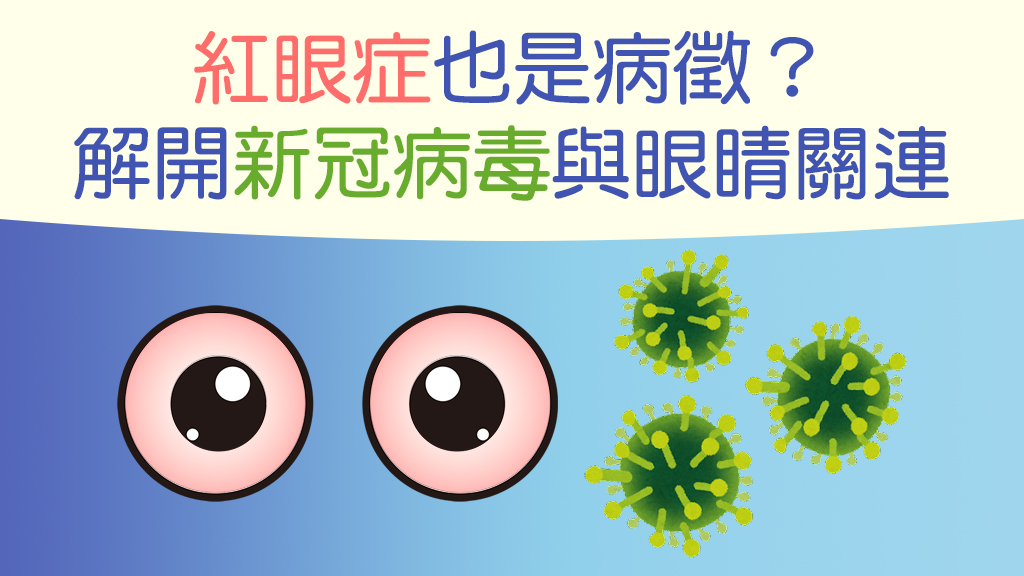
Patients with mild COVID-19 commonly experience symptoms such as runny nose, headache, fatigue, sore throat, cough, and even muscle pain, vomiting, or diarrhea. Some claim that red eye syndrome (medically known as conjunctivitis) is also an early sign of COVID-19 infection. What is true and what is false? Ophthalmologist Tang Wenjie explains: "Pink eye or conjunctivitis occurring alongside upper respiratory infections (such as the common cold or flu) could potentially be a sign of COVID-19 infection. Conjunctivitis typically presents with redness and inflammation of the eye's conjunctiva. A study published in the Journal of Medical Virology examined 30 patients hospitalized for COVID-19, one of whom was diagnosed with conjunctivitis."
Pink eye can lead to various eye conditions.
According to the aforementioned research, while the likelihood of patients developing conjunctivitis is relatively low, reports indicate that the novel coronavirus is associated with other ocular issues beyond conjunctivitis. These include episcleritis, uveitis, lacrimal gland inflammation, and inflammation of the retina and optic nerve. Although equally rare, some of these conditions carry the potential to cause vision loss.
Citizens wear masks when going out daily, but their greatest concern is that COVID-19 droplets might enter their eyes and cause infection. Dr. Tang stated that while ocular transmission has not been definitively proven by research, mucous membranes—found throughout many body cavities and organs including the respiratory tract—are typically most susceptible to infection by novel coronaviruses and other viruses."The surface of the eye and the inner eyelid are also covered by mucous membranes known as the conjunctiva. Therefore, if infected droplets enter the eye, it could potentially lead to infection." Published reports indicate that SARS-CoV-2 may be transmitted through aerosols and conjunctival contact.
Safety goggles offer superior protection.
Dr. Tong stated, "Glasses and sunglasses cannot fully block respiratory droplets sprayed directly toward you. Instead, protective eyewear that shields the sides and the area around the eyes offers better protection."In fact, the primary transmission route for the novel coronavirus is still considered to be respiratory droplets between people. However, the virus can also survive on surfaces for several days. Therefore, touching an infected surface and then touching your eyes, nose, or mouth without washing your hands could lead to infection, though this risk is generally considered low.
Can cleaning the eyes with water or over-the-counter eye drops reduce the risk of infection? He explained that the eye surface has its own protective mechanisms, including antimicrobial proteins and natural lubrication. Therefore, daily cleaning or rinsing the eyes with water is unnecessary and may actually wash away some of the natural protective barriers on the eye surface, thereby increasing the risk of infection.If the eyes become inflamed or red, using over-the-counter artificial tears may help relieve symptoms. However, if symptoms persist, it is advisable to seek prompt medical attention from an ophthalmologist.
Remove contact lenses to maintain hygiene
Not only have I heard from myopia sufferers expressing concerns that frequent insertion and removal of contact lenses might increase the risk of COVID-19 infection, but Dr. Tong has reassured us: under proper hygiene conditions, there is no evidence that wearing contact lenses elevates the risk of contracting the virus."However, contact lens wearers tend to touch their eyes more frequently than the general population. The American Academy of Ophthalmology recommends that contact lens wearers temporarily switch to eyeglasses to reduce the risk of COVID-19 infection. Additionally, eyeglasses can somewhat reduce the risk of irritation caused by contact lens wear and act as a barrier, discouraging people from touching their eyes. While not the best protection, glasses can also serve as a partial shield against respiratory droplets."
Despite this, the American Academy of Ophthalmology states that as long as contact lenses are properly cared for during daily wear, maintaining hygiene and washing hands frequently is sufficient. If redness occurs in the eyes, discontinue wearing contact lenses and seek medical attention.
5 Key Methods to Prevent COVID-19 Infection
To reduce the risk of contracting the novel coronavirus, Dr. Tong offers the following recommendations:
- Wash hands with soap and water for at least 20 seconds.
- Avoid touching your eyes, nose, and mouth as much as possible.- Reduce Contact
- Maintain social distancing; use two arm lengths (about 6 feet) as a guideline.
- Avoid poorly ventilated indoor spaces or areas whenever possible.
- If you are sick, stay home unless you need to seek medical care. - Cover coughs and sneezes
- When coughing or sneezing, cover your mouth and nose with a tissue.
- After coughing or sneezing, immediately wash your hands with soap and water for at least 20 seconds.
- Wear a mask in public settings to cover your mouth and nose.
Current evidence indicates that the novel coronavirus can survive on various surfaces for hours or even days. In home and community settings, cleaning visibly soiled surfaces followed by disinfection is the best way to prevent COVID-19 and other viral respiratory illnesses.
Vaccination has been proven to significantly reduce the risk of contracting COVID-19 and lessen the severity of symptoms.