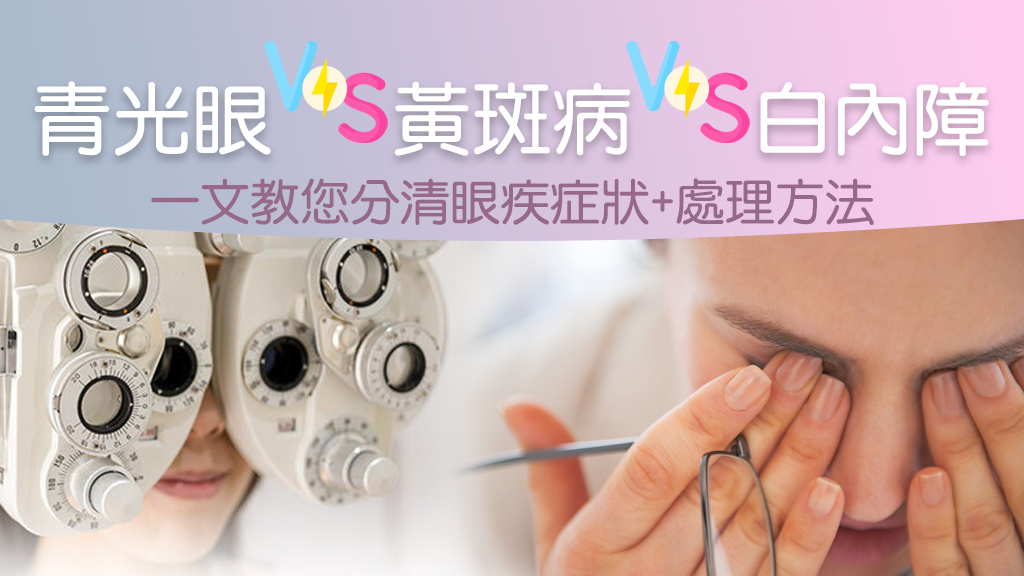
封面圖_比較_青光眼_黃斑病_白內障

[Treating Eye Diseases] Glaucoma VS Retinal Disease VS Cataract: An Ophthalmologist Explains Eye Diseases Symptoms + Treatment Methods

Elderly people often have blurred vision, which may be due to degenerative problems that prevent them from seeing clearly. But have you ever thought that the problem may be due to eye disease?

Eye disease symptoms

First, it is necessary to distinguish whether the visual acuity is declining suddenly or gradually; the impact of the visual impairment is the intermediate range or the entire image, or is it limited to peripheral vision? Moreover, is there any accompanying pain in the eyes? How can macular degeneration, cataract, and glaucoma be distinguished? In the case of cataract, for example, the visual acuity of older adults generally declines gradually; it also affects the entire image. In contrast, macular degeneration has a sudden, acute decline in visual acuity, affecting central vision. Glaucoma also gradually affects visual acuity; it usually first affects peripheral vision.

These three diseases are easily confused. Older adults can check for them in several ways. One method is using a checkerboard paper. A checkerboard is a square-shaped paper that older adults can use to check whether the lines have changed into curves. This can help determine whether macular degeneration is present. For other problems, an eye specialist’s examination is required to determine the exact cause of the eye condition.

How to cure it?

Diabetic retinopathy generally has two complications: hypoxia, which leads to the growth of blood vessels; and leakage of those fragile blood vessels, which can lead to vitreous hemorrhage or macular edema. To prevent this, injections of eye medications are usually administered to stop the growth of blood vessels and thereby reduce hypoxia.

Glaucoma is basically treated with minimally invasive cataract surgery to remove the cloudy lens and implant an artificial lens. Lastly, glaucoma is controlled through early treatment by controlling the nerve fibers and preventing them from continuing to damage the optic nerve. There is no treatment for glaucoma; only through testing, medication, surgery, or laser to control eye pressure can slow the damage to the optic nerve.

Older adults can prevent eye diseases by changing their daily habits, such as eating less sugar and salt; eating foods rich in vitamins A, carotenoids, or omega-3 fatty acids, which have antioxidant effects; doing at least 30 minutes of aerobic exercise; and not smoking. Older adults should have regular eye exams to prevent and treat eye diseases early. Avoiding exposure to ultraviolet light as much as possible can prevent various eye diseases.

Source of data:Topic
[Treating Eye Diseases] Glaucoma VS Retinal Disease VS Cataract: An Ophthalmologist Explains Eye Diseases Symptoms + Treatment Methods Read More »

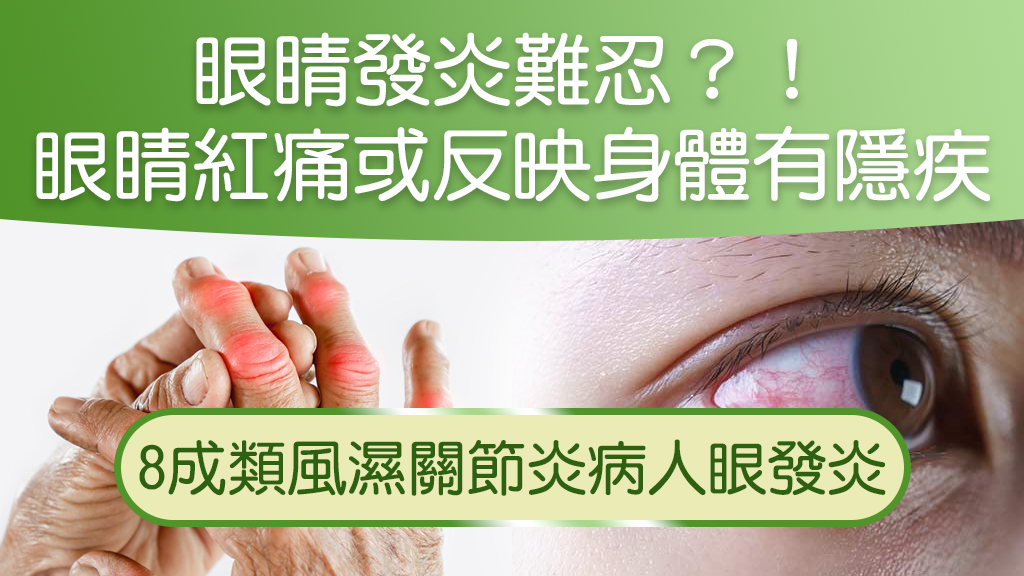
封面圖_眼睛紅痛_隱疾_風濕關節炎_眼發炎

[Inflammation of the eyes] Red, painful eyes or other signs of illness: doctor: 80% of patients with rheumatoid arthritis have inflammation of the eyes

Many doctors use the eyes as a window into the body's health condition. Especially for long-term patients, which diseases can affect the eyes?

Diseases that affect the eyes

Conditions such as eye pain, red eyes, and inflammation of the eyes are generally experienced by older adults. However, if the condition persists, we may worry that there is another underlying health issue. One of these is an autoimmune disease, which causes various inflammatory conditions in the body. The eyes are also one of the affected organs; if left untreated or not addressed properly, they can lead to continued visual impairment and even the risk of blindness.

Symptoms and treatment of immune system diseases

Immune system diseases occur in people of different ages. The most common are rheumatoid arthritis, dry joint syndrome, ankylosing spondylitis, or lupus erythematosus. In the case of rheumatoid arthritis, patients may experience pain in the lower back, hip pain, or a feeling of tightness in the back when getting up due to inflammatory symptoms. Due to inflammation, calcification occurs. The joints become fused together, making it difficult to get up in the morning or to reach your toes when bending down; this can affect joint function over time. The first line of treatment is systemic therapy, usually prescribed by a rheumatologist. Oral anti-inflammatory medications are usually prescribed.

In first-line treatment, steroids are commonly used, but if we use high doses of steroids or continuous treatment, we generally switch to second-line drugs to reduce the side effects caused by steroids. In this case, biopharmaceuticals and immunosuppressants are used as second-line drugs to control long-term treatment.

Research shows that 80% of patients have at least one episode of eye inflammation in their lifetime. Conjunctivitis is one of these inflammations, which releases cells that cause visual impairment. These cells combine with proteins in the eye and accumulate in the anterior chamber, causing the anterior chamber fluid to not drain away, leading to increased eye pressure, damage to the optic nerve, and the development of glaucoma.

To treat the inflammation, a blood test is usually performed to look for inflammatory factors and X-rays are taken, such as X-rays of the lungs or the lumbar spine, to see if there are any problems with the lungs or the lumbar spine. If so, medication is usually used to control the inflammation (a type of anti-inflammatory steroid eye drop). Additionally, to check for any side effects or complications, eye drops for glaucoma are used to control the eye pressure, so ophthalmologists and rheumatologists work together to care for and treat the patient.

Remedy

There are different types of eye drops; some are ordinary moisturizing eye drops that do not help the condition; sometimes they can even delay treatment; others have the effect of constricting blood vessels, but they do not control inflammation, so it is possible to mistakenly believe that the condition is continuing to improve; finally, if the treatment dose is insufficient or the time of administration is insufficient, it will delay treatment, causing irreversible problems in the eyes.

Coronavirus

Sinusitis is accompanied by respiratory infections such as the flu or a viral cold. In fact, it is also one of the symptoms of COVID-19. The most common symptom of sinusitis is the swelling of the conjunctiva around the eye, or a condition of redness and inflammation. Research shows that 30 COVID-19 patients underwent an examination during their hospitalization, and one of them was found to have symptoms of sinusitis, so there is a close connection.

To prevent COVID-19, first of all, we must wash our hands frequently, using water and soap for at least 20 seconds. Additionally, we need to maintain appropriate social distancing of 1.5 meters, and we need to maintain good air circulation to protect ourselves from COVID-19.

Source of data:Topic

[Inflammation of the eyes] Red, painful eyes or other signs of illness: doctor: 80% of patients with rheumatoid arthritis have inflammation of the eyes Read More »

封面圖_預防方法_乾眼症

How to prevent dry eye syndrome?

日常生活中有很多行為都可能會引發乾眼症,我們應該盡量避免進行,以及讓眼睛有一個舒適的生活環境。究竟有哪些方法可預防乾眼症呢?

1. 避免眼球受刺激
吹冷氣或使用電風扇時,應讓出風口遠離眼部,不宜直吹眼睛。

2. 適當休息
無論是使用電子產品、工作或讀書時,謹記20/20/20護眼法則,多提示自己眨眼,每隔20分鐘眨眼20秒,將視線看向20英呎(約6公尺)遠景,減少近距離及長時間固定使用眼睛,可長久保持眼睛健康。


圖示_小女孩_讀書

3. 減少配戴隱形眼鏡時間
由於乾眼症患者的淚液較少,戴隱形眼鏡可能會刮傷角膜,傷害眼睛健康,應盡量減少配戴隱形眼鏡,建議少於8小時。


圖示_戴隱形眼_眼睛健康

4. 戒掉不良習慣
不宜熬夜,讓眼睛得到充分休息。另外應避免吸煙或接觸二手煙,由煙霧會刺激眼睛,因此亦是造成淚水過度蒸發的原因。


5. 飲食習慣
適量補充含Omega-3 或維他命A的食物,例如選擇三文魚、核桃等富含 Omega-3 的食物;另外,紅蘿蔔、菠菜等則含有豐富維他命A。

How to prevent dry eye syndrome? Read More »

封面圖_兒童近視_控制方面_注意

Tips for Controlling Childhood Myopia

What aspects of children's myopia control need attention? Smart eye care tips you need to know

Nowadays, children often use computers for school lessons; even when they are not in school, they still frequently use mobile phones and tablets. This leads to the phenomenon of “not taking the device off their hands,” and many children are therefore prone to develop myopia from an early age. A survey has shown that half of children aged 4 to 12 who suffer from myopia during the pandemic have been taught to study using electronic devices, which has led to the worsening of their myopia levels and may very well lead to deep myopia in the future, possibly causing more serious eye problems. Therefore, as parents, it is essential to teach children from an early age to protect their eyes and to take good care of them.Child myopia controlTo avoid worsening myopia, here are nine tips that I would like to share with you: When using smart phones, computers, the Internet, or reading, please be mindful of the following:

Every 20 minutes, give your eyes a break.

Keep sufficient light source when reading

Maintain a distance of at least 30 centimeters.

Adjust the screen brightness to a comfortable level

Do not watch while lying in bed or in a car.

Increase the time spent doing daily outdoor activities

Go to bed and wake up early every day

Eat more foods rich in vitamin A
For example, carrots

Get comprehensive eye exams early and regularly

Tips for Controlling Childhood Myopia Read More »

封面圖_兒童近視的成因_近視症狀

Causes and symptoms of childhood myopia

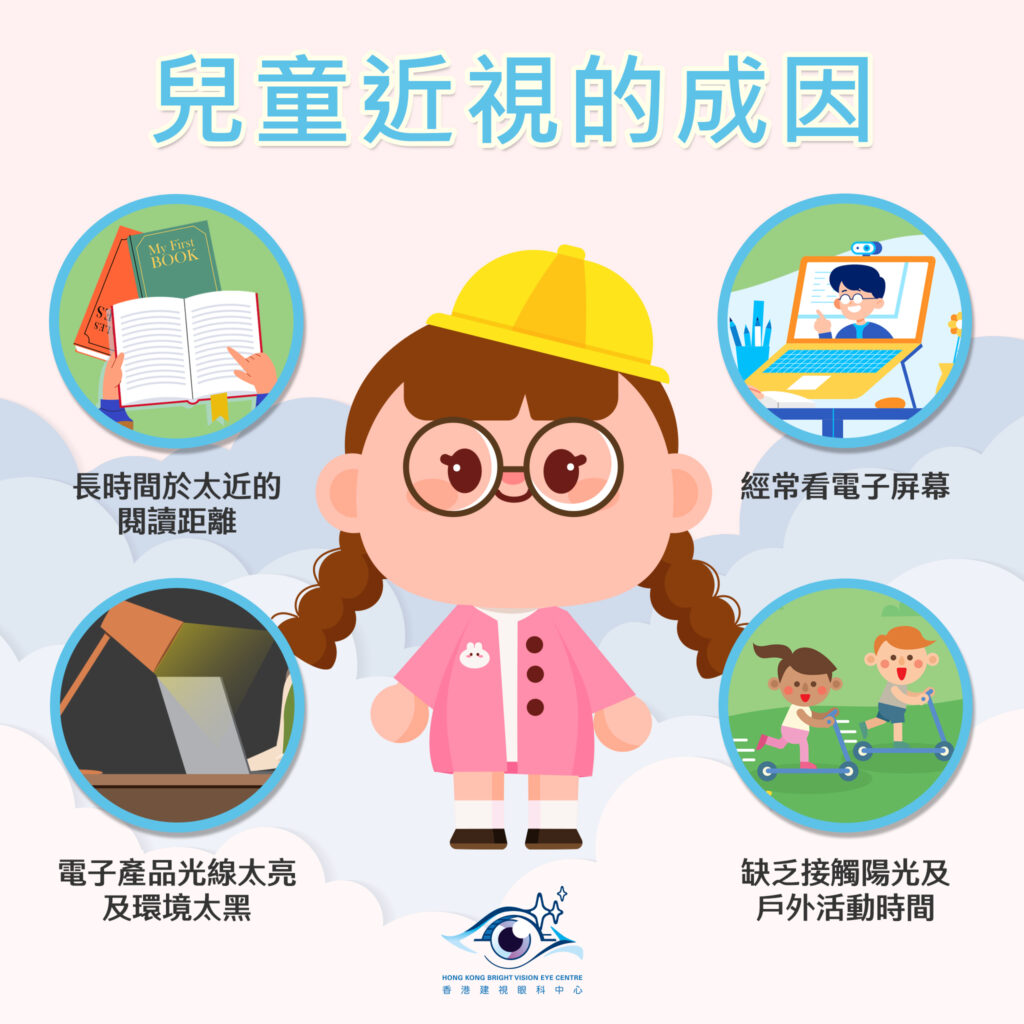
兒童近視的成因

香港是全球患近視比率最高的地方之一,大約有接近18%的兒童在6歲時已患有近視!究竟是甚麼成因造成兒童近視呢?

Myopia(Myopia)是由於眼軸過長,在眼睛調節放鬆望遠的狀態下,平行光線經眼球屈光系統後聚焦在視網膜之前,造成看遠的景物模糊不清,看近的景物則比較清楚。

近視可以是先天遺傳,但後天環境因素亦是導致近視的主要成因,例如:

  • 長時間於太近的閱讀距離
  • 電子產品光線太亮及環境太黑
  • 經常看電子屏幕
  • 缺乏接觸陽光及戶外活動時間

兒童近視的症狀

點樣發現小朋友患上近視?
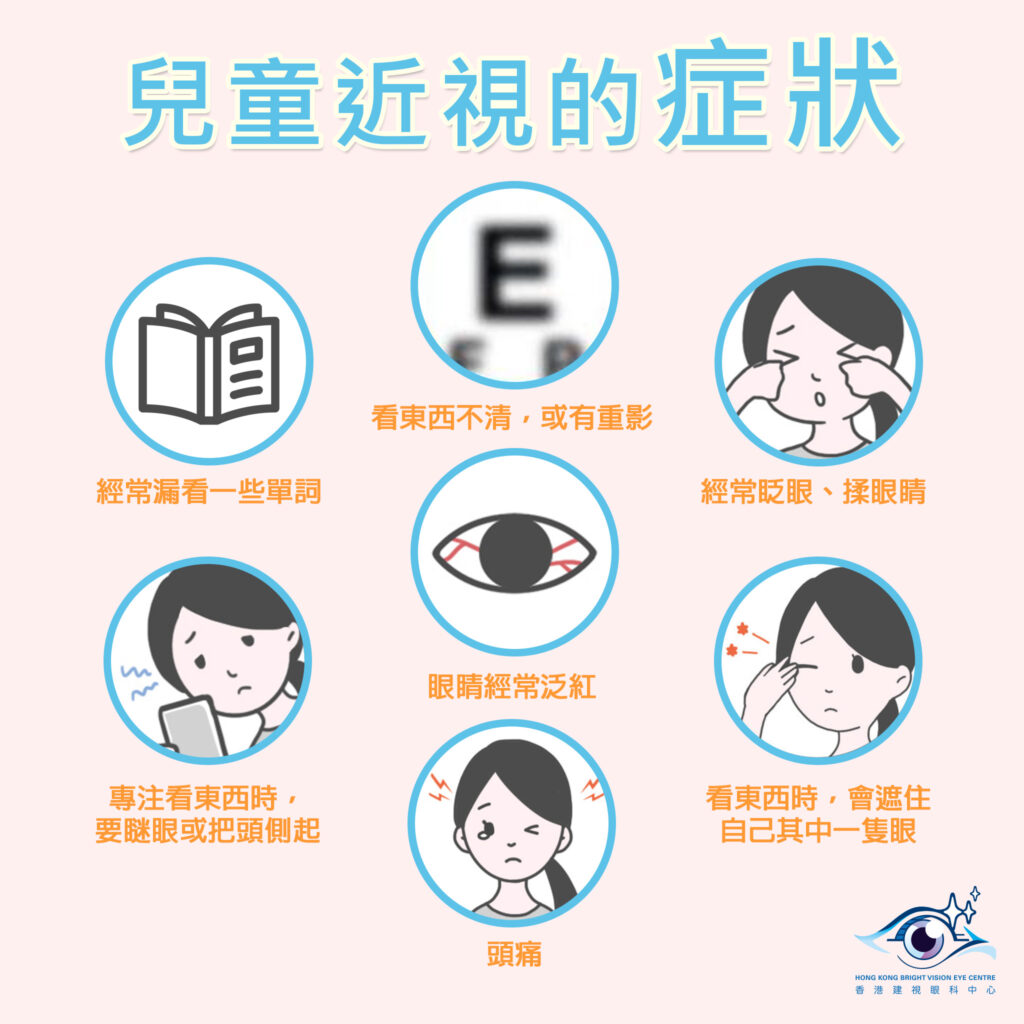
家長需要經常留意小朋友有沒有出現以下行為:

  • 訴說自己有頭痛
  • 訴說自己看東西不清(或有重影)
  • 經常眨眼、揉眼睛
  • 眼睛經常泛紅
  • 專注看電子屏幕或看書時,要瞇眼或把頭側起才能看清
  • 看電子屏幕或看書時,會遮住自己其中一隻眼 
  • 閱讀時經常會漏看一些單詞

如果家長發現小朋友經常出現以上行為,好大機會患有近視,建議家長盡快帶子女驗眼,向眼科醫生諮詢專業意見。

Early control of children's myopia
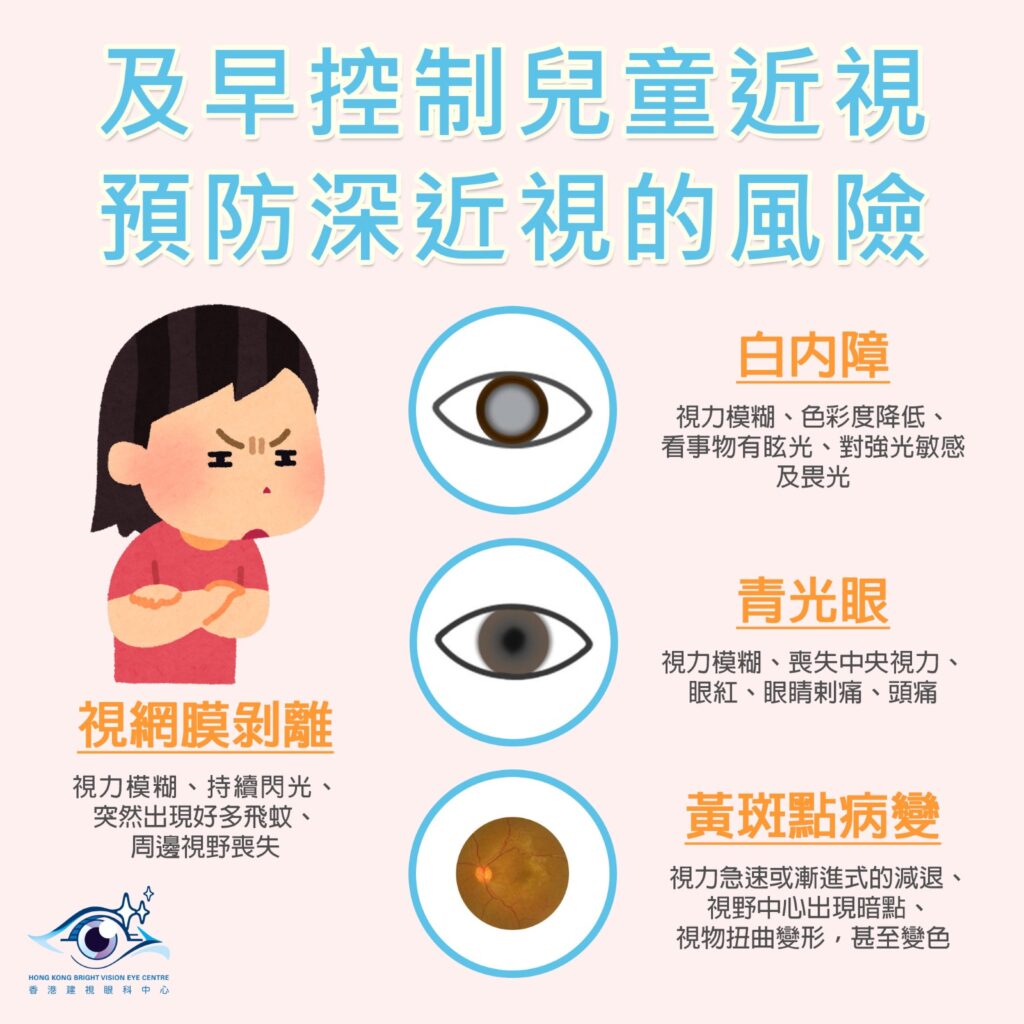
可預防加深近視的風險

兒童近視 不可忽視!

小朋友經常看電子屏幕,患上近視的機會大大增加。如果家長發現子女患有近近,建議向專業眼科醫生諮詢,採取適合的矯視治療。現時有一項「Children's AI near-sighted control program」,此計劃可以預測小朋友三年後的近視變化,從而可為小朋友提供個人化近視矯視治療方案。

若不採取矯視治療的話,很大機會令近視度數加深,眼軸增長會導致視網膜越來越薄,同時增加患上各種眼科疾病的風險,例如造成Retinal detachment、Macular degeneration,Cataract及Cataract等,這些併發症都會影響視力,嚴重者甚至失明,喪失視力,因此建議盡早控制兒童近視,矯正要及時!

及早帶小朋友驗眼,可有效避免或延緩出現近視加深的情況,減低將來變成深度近視的機會及風險。

各位家長記得提醒小朋友,由改善日常生活習慣開始,從小好好保護眼睛!

Causes and symptoms of childhood myopia Read More »

封面圖_新冠病毒病徵_紅眼症_湯文傑眼科醫生

Is red-eye syndrome also a symptom of the novel coronavirus disease?

Is red-eye syndrome also a symptom of the novel coronavirus disease?

With the COVID-19 pandemic raging, people are focusing more on prevention, infection symptoms, and rehabilitation treatment, and less on the relationship between infection and visual risk. In fact, red eye syndrome is also an early sign of the novel coronavirus, and people are concerned about whether droplets can be infected by falling into the eyes, and whether wearing glasses has any effect on prevention. The following is a detailed answer from an ophthalmologist.

In mild cases of COVID-19, common symptoms include runny nose, headache, fatigue, sore throat, cough, and even muscle aches and vomiting. It is also believed that red eye syndrome (the medical term is conjunctivitis), which is an early sign of the novel coronavirus, is also a common symptom of COVID-19. Which is true or false? OphthalmologistYu WenjieExplanation: Red eye syndrome or conjunctivitis is accompanied by upper respiratory tract infections (such as colds and flu). It may also be a sign of infection with the novel coronavirus. The common symptoms of conjunctivitis are the symptoms of swollen or red eyes and inflammation; a study published in the Journal of Medical Virology examined 30 patients admitted for COVID-19 and found that one patient had conjunctivitis.

Red-eye syndrome can cause various eye diseases.

According to the aforementioned study, although the incidence of conjunctivitis in patients is lower, in addition to conjunctivitis, reports indicate that the novel coronavirus is associated with other eye problems, including external epithelial membrane inflammation, choroidal inflammation, inflammation of the lacrimal glands, inflammation of the retina and optic nerve, although these are also rare, some of these problems can lead to loss of vision.

Residents wear masks when going out in their daily lives, but they are most concerned about the possibility of the novel coronavirus virus spreading to the eyes, causing infection. Dr. Tu said that the transmission of the virus to the eyes has not yet been thoroughly studied; however, the mucous membranes in many body cavities and organs, including the respiratory tract, are usually the most susceptible to infection with the novel coronavirus and viruses. The surface of the eyes and the inner eyelids are also known as the mucous membranes of the conjunctiva, so if the infected droplets fall into the eyes, they may easily become infected. Published reports indicate that the novel coronavirus 2 (SARS-CoV-2) may be transmitted through aerosol contact with the mucous membranes.

Eye protection goggles are a valuable asset

It was thought that glasses and sunglasses could act as a barrier, but it was actually just a “misunderstanding.” Dr. Tu said, “Both glasses and sunglasses cannot completely block respiratory droplets sprayed toward you; instead, protective goggles on the sides and around the eyes provide better protection.” In fact, the transmission method of the novel coronavirus is still believed to be primarily through respiratory droplets transmitted between people, but the virus can survive on surfaces for several days. Therefore, touching infected surfaces and then touching the eyes, nose, or mouth without washing hands can lead to infection, but this risk is generally considered very low.

Cleaning the eyes with water or over-the-counter eye drops can reduce the risk of infection. He points out that the eyes have their own protective mechanisms, including antimicrobial proteins and natural lubrication. Therefore, daily cleaning or rinsing the eyes with water is unnecessary and may actually wash away some of the natural protective barriers on the eye surface, thereby increasing the risk of infection. If the eyes become inflamed or red, using over-the-counter artificial tears may help alleviate the symptoms; however, if the symptoms persist, it is recommended to seek medical attention as soon as possible.

Remove contact lenses to maintain hygiene

Not only have people with myopia said that wearing and removing contact lenses frequently increases the risk of contracting the novel coronavirus, but Dr. Tu has given reassuring words. Under appropriate sanitary conditions, there is no evidence that wearing contact lenses increases the risk of contracting the novel coronavirus. However, contact lens wearers touch their eyes more frequently than the general population. The American Academy of Ophthalmology recommends that contact lens wearers temporarily switch to wearing glasses to reduce the risk of contracting the novel coronavirus. Additionally, glasses can partially reduce the risk of irritation caused by wearing contact lenses and serve as a barrier that prevents touching the eyes before stopping. Although not the best protection, glasses can also serve as a partial protective cover against respiratory droplets.

Despite this, the American Optometric Association states that as long as proper daily care is taken when wearing contact lenses, ensuring hygiene and washing hands frequently, the problem can be resolved. If the eyes become red, the wearing of contact lenses should be stopped and medical attention should be sought.

5 Major Ways to Prevent COVID-19 Infection

To reduce the risk of contracting the new coronavirus, Dr. Yu has the following recommendations:

  1. Clean your hands frequently
    - Wash your hands with soap and water for at least 20 seconds.
    - Try to avoid touching your eyes, nose, and mouth as much as possible.

  2. Reduce contact
    - Maintain social distance; please use the length of two arms (about 6 feet) as the guiding distance.
    - Try to avoid entering indoor or outdoor spaces with poor air circulation.
    - If you are ill, please stay at home unless you need medical care.

  3. Covering coughs and sneezes
    - When coughing or sneezing, please use a tissue to cover your mouth and nose.
    - Immediately wash your hands with soap and water for at least 20 seconds after coughing or sneezing.
    - Wearing a mask in public places to cover the mouth and nose.

  4. Clean and disinfect the surface of objects
    - Current evidence indicates that the novel coronavirus can survive on the surfaces of various materials for several hours or even days. Cleaning visibly dirty surfaces and then disinfecting them in a home or community setting is the best way to prevent the novel coronavirus and other viral respiratory diseases.

  5. Getting vaccinated with the COVID-19 vaccine
    -Vaccination has been shown to significantly reduce the risk of infection with the novel coronavirus and alleviate the severity of symptoms.

Is red-eye syndrome also a symptom of the novel coronavirus disease? Read More »

白內障手術

Customizing cataract surgery

CataractSurgeryAdvantages of personalization

The eyes are like fingerprints; each person's two eyes are different, so when a person suffers from an eye disease, the symptoms are also different.CataractThe situation with each eye is not always the same. Many doctors have tried to find a special artificial lens that is suitable for every clinical situation to treat all patients with cataracts; however, no one artificial lens is suitable for all patients, and cataract surgery must be "personalized."

Simply put,Doctors will tailor appropriate artificial lenses based on the patient's needs and the optical aberration curve.

Factors to be considered include:
The patient's age, lifestyle, expectations regarding visual acuity, post-refractive surgery status, corneal topography, tomography, aberration, eye surface health, pupil size, and macular health.

 Current new technologies can accurately evaluate the above factors, allowing doctors to formulate cataract surgery plans based on your eye condition.,With the hope of achieving the best visual results after the surgery.

In addition to evaluating the technical aspects, doctors also recommend determining it based on visual needs.CataractDetails of the surgery: hobbies, whether to choose to wear reading glasses, the amount of work done while working close up, and whether night driving is required.

Cataract surgeryThe best visual acuity after surgery depends on accurate pre-operative evaluation and measurement, surgical technique, and careful selection of the implanted artificial lens.

Procedures tailored to the individual eye condition can also help improve the correction of myopia and/or hyperopia. Myopia refers to light focusing differently, which causes blurred vision at both near and far distances; hyperopia is the loss of near vision as one ages.

 Therefore, cataract patients are no longer limited to simply replacing their cloudy cataracts with artificial lenses; instead, they are now assisted in achieving high-definition vision after cataract surgery through personalized surgical procedures.

Customizing cataract surgery Read More »

白內障_晶狀體功能障礙綜合症

Age-related cataract and crystalline lens dysfunction syndrome

Age-related cataract and crystalline lens dysfunction syndrome: With today's advanced technology, urban residents are constantly surrounded by mobile phones and computers. Prolonged screen time not only makes our eyes tired but also very harmful to our eyes. At the same time,CataractThere is a trend toward youthification.

A middle-aged patient had noticed that his myopia was continuously increasing and that he saw double images when looking at things. After a detailed examination, he was diagnosed with Dysfunctional Lens Syndrome (DLS).

Dysfunctional lens syndrome (DLS) is a widespread disease that has long been overlooked. This condition usually occurs in young people, although cataracts are not yet mature; patients describe it asCataractSymptoms have therefore manifested the characteristic features of the syndrome.

In layman's terms, DLS can be consideredCataractIn the early stages, the crystalline lens begins to harden, losing its ability to focus and near-vision, and contrast and night vision decrease. Ophthalmologists use advanced diagnostics to show this.CataractDensity, the condition of light refracting through the crystalline lens, or slit lamp photographs, help us understand the characteristic features of this pre-synoptic condition and the associated decline in visual acuity in patients.

EarlyCataractThe patient's symptoms are not obvious; common ones include: eyes that are easily fatigued and sensitive to light, problems with glare, seeing double, and frequent changes in refractive index. Traditional thinking is that cataracts must be "ripe" before surgery can be performed; but the truth is exactly the opposite: overripe cataracts only worsen the condition and cause the patient to miss the best opportunity to undergo surgery.TreatmentTiming. If daily life and work are affected by vision problems, surgery can be performed. With advanced diagnostic methods, advanced technology, the selection of multi-functional artificial lenses, and the emergence of laser cataract surgery, complex corneal disorders are more easily identified and treated.

Age-related cataract and crystalline lens dysfunction syndrome Read More »

白內障

Which people are most likely to develop cataracts?

Which people are most likely to develop cataracts?

Cataracts are characterized by the cloudiness of the lens in the eye, which impairs vision. In the past, cataracts mostly occurred in people aged 60 and older, but in recent years more and more people who are relatively younger are seeking medical treatment for cataracts. They are generally between the ages of 40 and 50, and generally suffer from profound myopia (i.e., 600 degrees or more).

Long-term use of corticosteroids or increased cataract

CataractThere are several risk factors: people with diabetes or who need to use steroids for a long time are at a higher risk of developing cataracts in the long term. One 18-year-old boy with eczema sought medical attention because his vision became blurry, and was eventually diagnosed with cataracts and required surgery.Artificial crystalReplacement surgery. Upon detailed examination of the patient’s medical history, it was revealed that the patient had suffered from eczema for many years. He had sought help from various traditional and Western medicine practitioners and even from so-called “god doctors” to control the condition. He suspected that the medication used contained steroids, which could have caused the cataract. Therefore, the patient was advised to use steroid creams under the supervision of a doctor. If the origin or ingredients of the product are unknown, careful verification is necessary.

In addition, conditions such as conjunctivitis, eye trauma, eye surgery, or acute glaucoma are all potential causes of cataracts.

The effect of nearsightedness on cataracts may be even more significant. It is generally estimated that too deep a nearsightedness exacerbates the deterioration problem and leads to cataracts. In younger patients with cataracts, the nearsightedness is usually found to have deepened suddenly by 200 to 300 degrees, requiring frequent replacement of glasses; after trying it for a few times, they find it unusual and seek medical attention.OphthalmologistAfter undergoing an examination, I discovered that I had cataracts. Some patients also experience symptoms such as glare and sensitivity to light when viewing images on a computer monitor; upon undergoing an eye examination, they were diagnosed with cataracts.

Removing cataracts doesn't need to wait for it to "mature."

Cataracts are not only common, but are also the main cause of vision loss. Currently, there is no medication to treat cataracts; patients must undergo surgery to replace the artificial lens to restore their original vision. Many people mistakenly believe that cataracts must be “more mature” to undergo surgery; this is actually a misunderstanding, especially for younger patients whose cataracts have significantly affected daily life and work, especially when reading documents, using a computer, or even driving. In these cases, it is appropriate to undergo cataract removal surgery.

Through a small corneal incision, the doctor removes the cloudy lens and implants an artificial lens. If you have developing cataracts, you do not have to wait until it is mature to remove it; usually, it only takes about 15-20 minutes. In most cases, the doctor can use local anesthesia to speed up the recovery time.


Source: Metro Daily

Which people are most likely to develop cataracts? Read More »

封面圖_白內障_手術前_須知

Pre-surgery information for cataract surgery

Pre-surgery information for cataract surgery

What should patients prepare before undergoing cataract surgery? Here are 5 things to keep in mind:

圖示_男生_冥想

1. You must get enough sleep and relax your mind the night before the surgery.

圖示_T恤

2. It is advisable to wear loose-fitting clothing and avoid wearing high-necked shirts.

圖示_眼睛解剖學_視神經_視網膜_黃斑

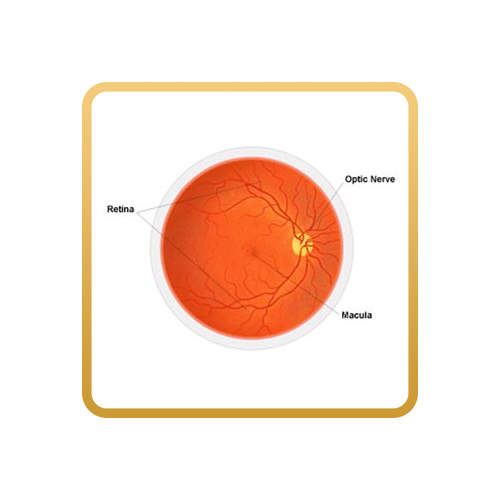
3. You can start using anti-inflammatory medications 3 days before the surgery to reduce the risk of macular edema occurring after the surgery.

圖示_藥物

4. Diabetes and blood pressure medications must continue to be taken.

圖示_建議_醫生

5. If you are using anticoagulants, it is recommended that you discontinue their use for 3 to 7 days after consulting a cardiologist.

圖示_醫生_診斷

You must also know that,
Cataract surgery is a personalized procedure.

Customizing cataract surgery

The eyes are like fingerprints; each person's two eyes are different, so when a person suffers from an eye disease, the symptoms are also different.CataractThe condition of each eye is not always the same.

Many doctors have tried to find a special lens that is suitable for each clinical situation to treat all patients with cataracts. However, no one lens is suitable for everyone, so cataract surgery must be "personalized."

Simply put,
The doctor will base the treatment on the patient's needs and the optical aberration curve.
Appropriate artificial crystals are formulated separately.

Factors to be considered include:

  • The patient's age
  • Lifestyle
  • Expectations for vision
  • State after refractive surgery
  • Corneal topography map
  • CT scan
  • Like difference
  • Healthy eye surface
  • Pupillary size
  • Healthy Macula

Current new technologies can accurately assess the aforementioned factors, allowing doctors to tailor cataract surgery to the patient's eye condition and ensure the best visual outcomes after the surgery.

In addition to evaluating technical aspects, doctors also recommend determining the appropriate artificial lens based on visual needs, such as:

  • Hobbies
  • Whether to choose to wear reading glasses
  • Workload in close proximity
  • Whether you need to drive at night or not, etc.

The best vision after cataract surgery,
It depends on accurate evaluation and measurement before the surgery.
Surgical techniques and the careful selection of artificial lens implants.

Customized procedures based on the individual eye condition can even help patients better correct their astigmatism and other vision problems./Or it could be old cataracts.

Amblyopia refers to light focusing differently, which causes blurred vision at both near and far distances; farsightedness, on the other hand, occurs as people age and leads to loss of near vision.

Today, cataract patients are no longer limited to simply replacing their cloudy cataracts with implanted artificial lenses; instead, they undergo personalized treatment.CataractThe surgical design helps patients achieve high-definition vision after cataract surgery.

Perhaps you are also interested in:

How to choose artificial crystal? 
—Teach you how to choose the most suitable artificial crystal

Suitable for my cataract surgery
—The cataract surgery options offered by our clinic

Pre-surgery information for cataract surgery
—手術前該做好什麼準備呢?

The process of cataract surgery and new technologies
—Tell you how FLACS technology creates different surgical procedures

Common cataract misconceptions
—矯正對白內障認知

Pre-surgery information for cataract surgery Read More »