FLACS Sub-second Laser Assisted Cataract Surgery

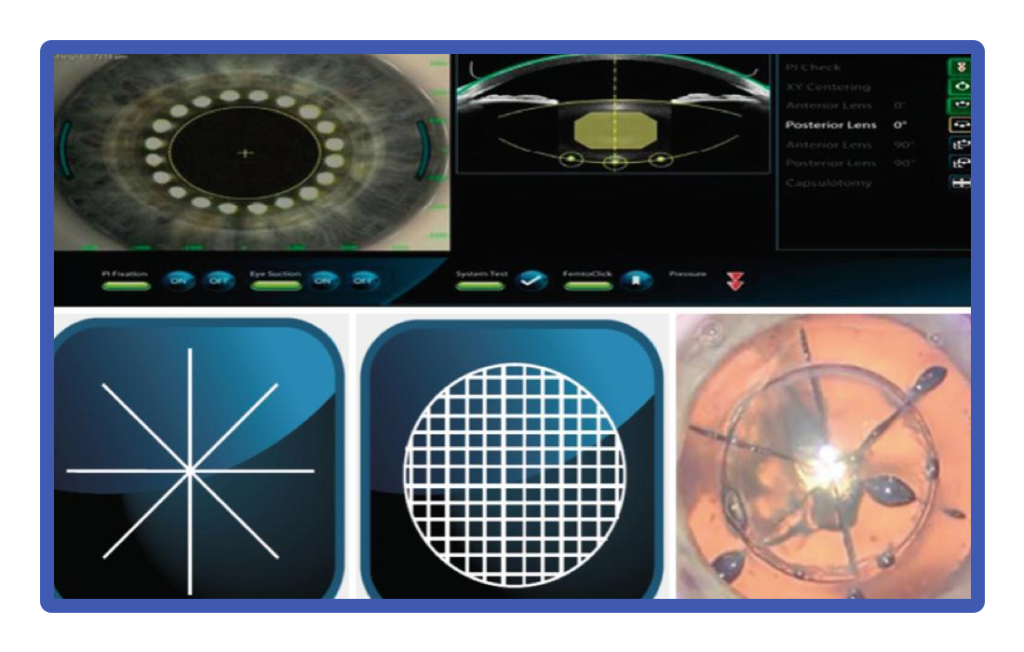
FLACS Sub-second Laser Assisted Cataract Surgery Read More »

FLACS Sub-second Laser Assisted Cataract Surgery Read More »

Occipital migraine is a rare disease characterized by temporary loss of vision in one eye, or even temporary blindness. Occipital migraine is caused by reduced blood flow to the retina or the blood vessels behind the eye.
In ocular migraine, the patient’s visual acuity usually returns to normal within an hour. Ocular migraine can be painless or occur simultaneously with (or following) migraine.
Unfortunately, the term “ocular migraine” is often used to describe a more common (harmless) condition—called visual migraine or migraine premonition—whose characteristic is temporary visual impairment that usually disappears within 30 minutes.
Unlike ocular migraine, visual migraine usually affects both eyes.
Now let's take a closer look at ocular migraine and visual migraine:
Symptoms of ocular and visual migraine:
Symptoms of ocular migraine typically include a small blind spot that affects the central vision of one eye. This blind spot becomes larger, making it unsafe to drive or to read with the affected eye.
In some cases, the entire field of vision in one eye may be affected. Usually, this condition lasts for less than an hour.
The visual migraine symptoms may vary, and may include:
1. Flashing blind spots near the center of the field of view or near the center
2. Colored light waves around the central blind spot in the form of a wave or a serrated pattern
3. Blind spots that move slowly across the entire field of view
Symptoms of visual migraine usually affect both eyes and last for 30 minutes or less. Soon after the visual migraine symptoms subside, a headache may occur, or there may be no headache at all.
If you experience a blind spot or other visual impairment and are unsure whether it is ocular migraine or visual migraine, please cover one eye at a time. If only one eye experiences visual impairment, it is most likely ocular migraine. If it affects both eyes, it may be visual migraine.
However, do not take any risks. If you suddenly encounter any blind spots in your field of vision, please immediately call or consult an ophthalmologist to determine whether it is harmless or a sign of a more serious condition (such as retinal detachment).
What causes eye and visual migraine?
People believe that ocular migraine and migraine are caused by the same underlying causes.
Migraine has a hereditary basis; some studies show that up to 70% of people with the disease have a family history of the disorder.
According to the World Health Organization, migraine appears to be caused by activation of deep brain mechanisms that release inflammatory substances around the nerves and blood vessels in the head and brain.
Imaging studies have found that during migraine headaches and pre-migraine headaches, blood flow to the brain changes. However, the reason for this phenomenon and the causes of spontaneous resolution of migraine headaches and visual migraine headaches remain unknown.
Common trigger factors for migraine attacks that may lead to a person experiencing a migraine include certain foods, such as aged cheese, caffeinated beverages, red wine, smoked meat, and chocolate.
Food additives such as monosodium glutamate (MSG) and artificial sweeteners can also cause migraines in some people.
Other potential triggers of migraine include cigarette smoke, perfumes and other strong odors, bright lights or flashing lights, lack of sleep, and emotional stress.
Treatment and prevention
As already noted, visual impairments caused by ocular migraine and visual aura usually disappear within an hour or less without requiring treatment.
If the task you are performing requires clear vision, if you experience eye or visual migraine, stop what you are doing and relax until your vision returns to normal.
If you are driving, please stop on the side of the road and wait until the visual impairment is completely resolved.
If you experience visual impairment accompanied by headaches, consult your family doctor or neurologist to evaluate the onset of your headaches.
Your doctor can provide you with advice on the latest medications for treating migraine headaches, including medications designed to prevent future attacks.
It is best to record your diet and activities before the onset of ocular or pre-ocular headaches to see if you can identify any triggers that might be avoided in the future.
If your migraine or pre-migraine (visual migraine) seems related to stress, you can reduce the frequency of your migraines without medication by following these simple methods:
. Regularly eat healthy meals
. Avoid common causes of migraine headaches
. Adequate sleep
. Try methods to relieve stress, such as yoga and massage.
Visual and visual migraine: what is the difference? Read More »
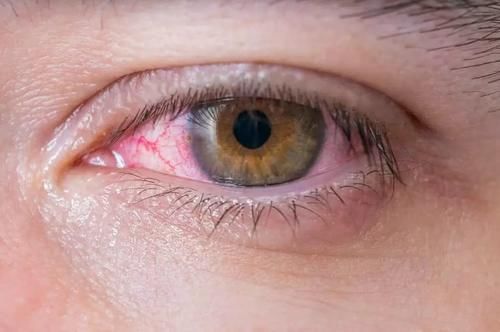
Red eye indicates some form of inflammation of the eyes. This condition is usually benign and self-limiting. Recognizing the warning signs of urgent referral to an ophthalmologist is crucial to prevent long-term complications. When patients experience severe eye pain, copious purulent secretions, loss of vision, distorted pupils, severe photophobia, external eye injury, and herpes infection, referral is necessary. The cause of red eye can be diagnosed through a detailed medical history and a careful eye examination.
| Bleeding or swelling |
| Is there any pain? |
| Has the vision been affected? |
| Are there any other complications? |
Treatment options for red eye in certain cases:
1. Viral conjunctivitis: Treatment is supportive and may include cold compresses and artificial tears. Local antibiotics are rarely used because secondary bacterial infections are uncommon. One study showed that SARS-CoV-2 can be transmitted through droplets, but infected patients are unlikely to transmit the virus through tears. Researchers from the National Infectious Diseases Centre in Singapore collected tear samples from 17 COVID-19 patients from the initial symptoms until recovery, which usually occurred on the 20th day. All patients showed no eye symptoms, but one patient developed conjunctival swelling during hospitalization. No virus was detected in the 64 tear samples collected during the study, however, viral load was detected in nasal and throat swabs.
2. Bacterial conjunctivitis:Antibiotics are the mainstay of treatment; the choice of antibiotics should be based on cost-effectiveness and local patterns of bacterial resistance.
3. Chlamydia conjunctivitis:Treatment methods include topical use of erythromycin eye ointment, as well as oral treatment with azithromycin (a single 1-gram dose) or potentomycin (two times daily, 100 mg each time, for 14 consecutive days) to clear up genital infections; the patient's sexual partner also needs to be monitored and treated.
4. Allergic conjunctivitis:Avoiding contact with allergens and using artificial tears are effective ways to relieve the symptoms of mild cases. Non-prescription antihistamines/vasoconstrictors are also viable options, sometimes requiring the use of topical steroids to treat acute attacks.
5. Dry eye syndrome:Treatment includes frequent application of ointment during the day and night, as well as the insertion of artificial tears to reduce evaporation rates. New treatment methods include topical ocular drops containing phospholipids that increase tear production. Omega-3 fatty acids have also been shown to be helpful.
6. Conjunctivitis: There has not yet been shown to be a significant benefit of topical NSAIDs compared to placebo in the treatment of conjunctivitis; topical corticosteroids may be useful in severe cases; however, they are usually self-limiting.
7. Subconjunctival hemorrhage: We can use only heat packs and ophthalmological lubricants; recurrent bleeding may require a physical examination.
My eyes suddenly turned red. That's what I should do. Read More »

【武漢肺炎】 眼睛可以傳播病毒嗎?
到目前為止,關於武漢新型冠狀病毒的信息有限,包括其傳播的容易程度和危險性。它在很多方面看起來與沙士 (SARS) 非常相似,新型冠狀病毒與SARS同源性達85%。根據疾病預防控制中心的說法,主要的傳播方式是從動物到人的。但是我們知道該病毒亦可以在人與人之間傳播,並且可以通過以下三大途徑 :
∙空氣(來自咳嗽或打噴嚏的病毒顆粒);
∙密切接觸(觸摸或握手);
∙上面帶有病毒顆粒的物體或表面(然後在洗手前觸摸鼻或眼);
病徵初期與流感相似,潛伏期平均7至14天。很多人誤解病毒浮在空氣中傳播,但暴露在空氣中的病毒也會死掉,只有活在飛沫裡的病毒有水分保護自己,才會傳播和感染。 飛沫碰到粘膜如眼睛,病毒會順著粘膜進入體內,對於新型冠狀病毒而言是一樣的。研究顯示, 分離出病毒後,證明了對人的血管收縮素轉化酶2 (ACE2) 受體容易存在結合能力,該受體主要存在於下呼吸道細胞中。因此進行插喉等高風險程序的醫護人員須戴覆蓋眼的面罩,在此環境下沒有戴護目鏡才會被感染。但我們普通大眾的常見傳染途徑就是飛沫傳播, 公共場所只要佩戴口罩就可以。因為沒有人會對著你的眼睛打噴嚏,所以一般市民則沒需要戴眼罩預防武漢肺炎。
【武漢肺炎】口罩佩戴最重要!「摳鼻、揉眼」更易成傳染途徑!
病毒可經飛沫或微粒傳播,雖然口罩可以阻絕大部份病毒和防止其他人的唾液飛出你的嘴和鼻,但是清潔雙手,避免觸摸臉部並確保定期更換口罩仍然非常重要。觸摸到公共設施、用餐前、如廁後、外出返家後都要洗手,並仔細搓洗雙手手心、手背、指縫、特別是指尖,至少要花費二十秒的時間。此外,病毒沾在手機上卻可存活二十四小時!國家衛健委與國家中醫藥管理局 在今年1月28日公布《新型冠狀病毒感染的肺炎診療方案(試行第四版)。方案新發現,病毒對紫外線和熱 ( 56℃ 30分鐘) 失去反應 ; 乙醚、70%乙醇、含氯消毒劑、過氧乙酸和氯仿等脂溶劑均可有效消滅活病毒。所以提醒大家要定期用含 70 % 濃度酒精的消毒濕紙巾拭擦手機。再者,眼鏡可能沾病毒,因此使用洗手液清潔,避免使用酒精或其它有化學特性的清潔劑,有機會損傷眼鏡。
總結而言,出入高風險地方,遇到可疑病例時,應保持1 至1.5 米的距離,停留少於30分鐘。應經常用洗手液潔手,以免沾病毒的手觸摸口,眼和鼻,出現眼癢、眼紅等結膜炎症狀時不要掉以輕心,密切觀察病情變化,及時就診。
| 預防病毒感染的五大提示 |
| 1. 定期用含 70 % 濃度酒精的消毒濕紙巾拭擦手機消毒。 |
| 2. 經常用溫水和洗手液洗手,最好洗20秒以上 。 |
| 3. 盡量避免用手揉眼睛和摳鼻子 。 |
| 4. 保持健康的生活習慣。 |
| 5. 出現眼癢、眼紅等結膜炎症狀時不要掉以輕心,密切觀察病情變化,及時就診。 |
香港建視眼科中心 湯文傑眼科醫生 https://www.hkbrighteye.com/
[Wuhan pneumonia] Symptoms? Contagious route? Incubation period? Read More »
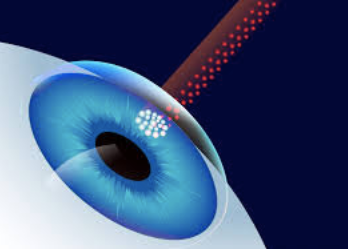
If your myopia is high and it affects your quality of life or ability to perform your work responsibilities, you may have already considered laser eye surgery. This advanced procedure was approved in the United States in 1999, which has significantly improved the vision, work ability, and quality of life of thousands of people, and is very safe.
This article details seven of the most common questions about laser vision correction surgery to help determine whether the procedure will provide the results you need.
After the evaluation, your ophthalmologist will know your nearsightedness. These eye conditions are caused by refractive errors, which are characterized by the shape of the eye not allowing light to focus on the retina, resulting in blurred images.
Laser refractive surgery is a highly successful procedure. Transient blurred vision, sensitivity to light, tearing, and mild discomfort are normal after the procedure. Dry eye syndrome is very common after the procedure; this is because tear production is reduced. You are advised to use eye drops to help resolve the dryness. Infections or complications are rare. Most patients recover quickly within 1-2 days.
SMILE and LASIK have been approved by the FDA and are available for patients over 18 years old. Although age alone does not necessarily affect the success rate of the surgery, some doctors believe that the ideal age for patients is between 35 and 45 years old.
Certain diseases, such as diabetes, autoimmune diseases, certain eye injuries and eye diseases may preclude LASIK. After a comprehensive laser vision correction evaluation, your surgeon will be able to provide you with expert insight.
For example, high refractive errors or being older may increase the likelihood of needing another surgery.
This is a very important question. Ask your doctor if you are taking any prescription or over-the-counter medications. Your doctor may recommend that you stop using certain medications, such as acetylsalicylic acid and antihistamines.
Generally, you will be able to see clearly within a few days and be able to perform daily tasks. After the surgeon removes the eye patch, your vision may be blurry, but it should disappear within a few days and your vision will gradually improve. It may take several weeks to fully recover.
7 Questions to Ask Your Surgeon Before Laser Surgery Treatment Read More »

Quick blinking is a way to protect our eyes from fatigue.
An average child blinks 3–17 times per minute.
Anything beyond this range is considered excessive blinking, which may indicate discomfort or a problem with the eyes.
Excessive blinking can be caused by a variety of reasons—from facial twitching to extremely dry eyes.
For new parents, it is difficult to determine the health problems that their child may face.
Unlike fever and cough symptoms, they are easy to notice.
Your child may blink excessively for the following reasons:
The following methods can help children blink:
There are various methods to treat children who blink excessively.
According to the diagnosis, the different treatment options include:
When to be concerned: Other symptoms occur when a child blinks, such as strabismus and a lack of recognition of everyday life and things.
When you notice any of these symptoms, you must immediately consult an ophthalmologist.
In most cases, this problem can be resolved with simple over-the-counter (topical) medications, but if the condition does not improve, oral medications can be taken according to the recommendations of the American Academy of Pediatrics.
If you don't get your child to develop the habit of blinking excessively, sooner or later they will overcome this habit.
What is excessive blinking? Read More »