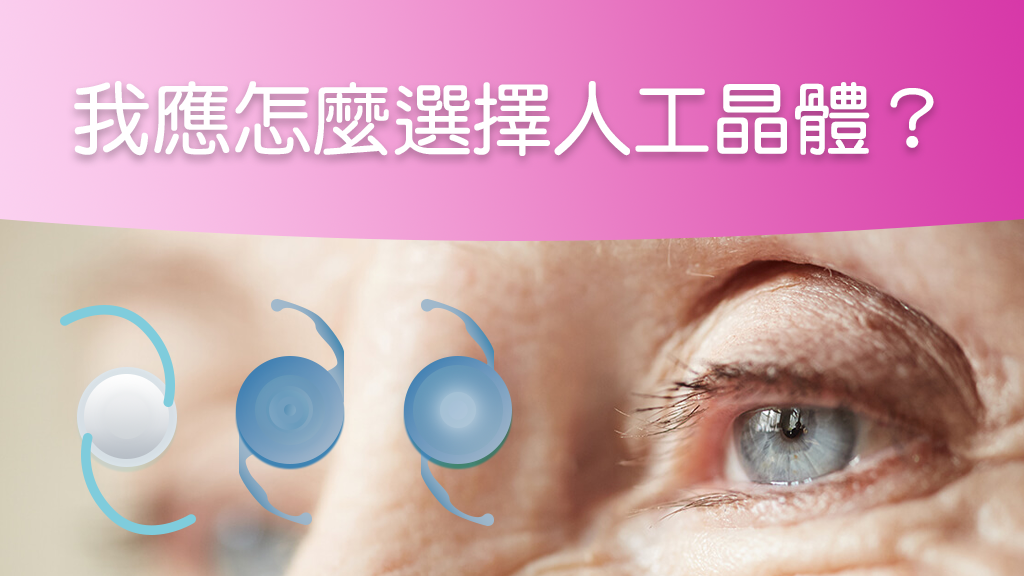
Presbyopia correction | Principle of laser presbyopia correction – Dr. Tong Wenjie
Presbyopia correction | Principle of laser presbyopia correction – Dr. Tong Wenjie Read More »

Dry eye is a symptom of dry eye syndrome; it sounds contradictory, but it is indeed the case.
This is because your body usually produces too much tears to help relieve these symptoms.
This leads to [reflexive tear secretion]. However, this is usually only used as a temporary measure.
Our tears are composed of water (aqueous), oil (lipid), and mucus (mucus protein). There are two main forms of dry eye: dehydration and evaporation.
When a person suffers from dry eye syndrome, the tear glands in the eyes do not produce enough tear fluid.
During evaporation, it is caused by meibomian gland dysfunction (MGD), in which the oil layer of the tear film is insufficient.
MGD affects most people with dry eye syndrome.
Malar fold gland dysfunction (MGD) is the blockage of the malar fold glands, therefore they do not secrete enough oil into the tear fluid.
Because the tear film on the eye surface evaporates too quickly, MGD is associated with dry eye syndrome.
It is also related to eyelid problems associated with blepharitis.
Some studies have found that up to 69% of the Asian population suffers from eyelid gland dysfunction, a condition that should not be ignored.
The weather in Hong Kong is humid and hot, which can easily cause various sensitivities. If children often experience eye irritation, watery eyes, or tearing, it may be an eye sensitivity. Parents are advised to observe their children closely to help them avoid allergens so that they do not accidentally rub their eyes, causing inflammation of the cornea and affecting their vision.
If the symptoms persist, parents should take their children to see a doctor. The doctor will prescribe eye drops containing antihistamines depending on the situation, or moisturizing eye drops without preservatives to relieve itching. Eye drops containing “hyperplastic cell stabilizers” can prevent the eye from becoming sensitive again.
Take 2 minutes to understand the severity of your dry eye and its impact on your daily life
Immediately assess my dry eye condition →Eye discharge without blinking may be a symptom of dry eye syndrome. Read More »
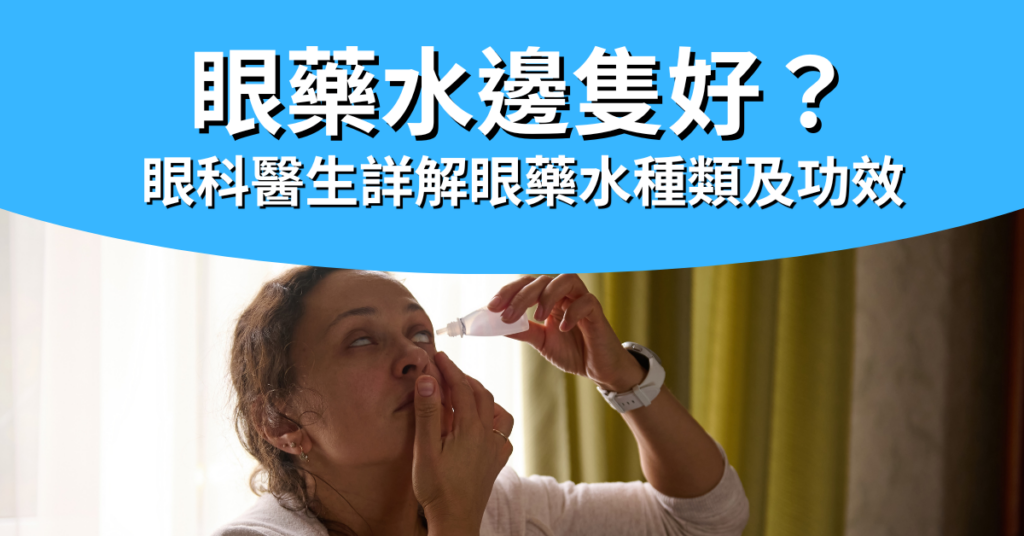
Eye drops are common eye care products used in modern life, whether to reduce eye fatigue, treat eye allergies, or relieve dry eyes.Dry eyesSymptoms: Eye drops can provide immediate and effective relief. However, if not used properly, they not only fail to provide relief but may even worsen the symptoms. Therefore, before choosing an eye drop, it is necessary to understand the different types of eye drops and their effectiveness, to avoid purchasing unsuitable eye drops that could harm the eyes instead.
Artificial tears are eye drops used to moisturize the eyes and relieve dry eye symptoms. Their ingredients mimic natural tears, including water, electrolytes, and some lubricants such as polyethylene glycol and carboxymethylcellulose. The best situations for using artificial tears are when the eyes are dry, fatigued, or exposed to air conditioning. These types of eye drops usually have no noticeable side effects, but for some people they may cause irritation or discomfort.Severe dry eye syndromeFor patients, disposable artificial tears that do not contain preservatives may be more suitable.
Antihistamine eye drops contain antihistamines or growth factor stabilizers and are an effective way to prevent and alleviate eye sensitivity. These eye drops are suitable for patients with allergic conjunctivitis or seasonal allergies. Anti-allergic eye drops are generally prescription medications in Hong Kong, so they must be used according to the doctor’s instructions to avoid causing eye diseases such as cataracts and glaucoma.
Eye drops containing vasoconstrictors can quickly relieve the symptoms of eye redness. Their ingredients are usually tetrahydrozoline or naphazoline. These eye drops are suitable for short-term use to quickly eliminate eye swelling. However, long-term use may lead to rebound swelling, which can worsen the red eye symptoms, so they are not recommended for long-term use.
Anti-inflammatory eye drops are suitable for red eye syndrome, corneal inflammation, and preventing inflammation after eye surgery. Anti-inflammatory eye drops contain ingredients such as steroids and antibiotics, so they must be used according to the instructions; long-term or improper use may lead toCataractSide effects such as cataracts.
Dry eyes and red eyes are common problems for people who wear contact lenses. Prolonged wear of contact lenses can cause dry eyes because the lenses themselves thin the lipid layer of the tear fluid, causing the cornea to become more sensitive, which in turn affects the function of the eyelid glands and accelerates the destruction of the tear film integrity, leading to dry eyes and even red eyes. Therefore, contact lens wearers need eye drops more than those who do not wear contact lenses.
Contact lens-specific eye drops usually contain gentle and non-irritating ingredients, making them the first choice for long-wearing contact lens wearers. These eye drops typically include moisturizing ingredients such as hyaluronic acid and collagen, which help to lubricate the contact lens and eyes during contact, reducing friction and discomfort, and have fewer side effects. However, caution should be taken to avoid any reactions with the lens material.
There are many types of eye drops available; never be tempted to buy the first one you see on the store shelf. Before purchasing an eye drop, you should first understand the specific symptoms of your eye condition and then choose the appropriate eye drop to relieve the discomfort. There are many reasons for watery eyes; if they are caused by inflammation of the cornea or conjunctiva, anti-inflammatory eye drops can be used to relieve the pain; if they are caused by obstruction of the nasal and lacrimal ducts, eye drops are not effective and you need to seek the advice of an ophthalmologist.
Additionally, some people will not want to spend money on it.Surgery for cataractHowever, purchasing eye drops specifically designed for treating cataracts does not provide any reliable evidence that they are effective in Hong Kong; therefore, it is recommended that they not be used lightly.
Before purchasing eye drops, it is recommended to first have a general understanding of their ingredients and side effects. Especially for those with a tendency to allergies, it is advisable to choose eye drops that are non-irritating, low in preservatives, or free of preservatives to avoid causing eye sensitivity or worsening symptoms. If you are concerned about purchasing an unsuitable eye drop or unsure whether the ingredients of that eye drop will affect your eyes, it is recommended to seek further consultation and treatment from an ophthalmologist.
The addition of preservatives to eye drops is intended to extend their shelf life and ensure their effectiveness. The normal concentration of preservatives in eye drops is strictly controlled within safe limits. Eye drops purchased through a legitimate channel will not harm the eyes as long as they are used correctly. However, if they are not taken in accordance with a doctor’s advice and used incorrectly over a prolonged period, dry eye syndrome may develop.
For those who are allergic to preservatives or feel that preservative eye drops worsen eye sensitivity, they can choose preservative-free eye drops. Preservative-free eye drops are also known as disposable eye drops. To ensure effectiveness and avoid bacterial infections, disposable eye drops should only be used once after opening; regardless of whether they have been used up or not, they must be discarded; the price is also relatively expensive.
After using eye drops, you may feel a bitter taste in your throat. There are mainly two reasons for this: One, it may be due to improper method of using the eye drops, which causes the eye drops to flow from the nasal passages into the nasal cavity and then into the throat. Two, the amount of eye drops used is too much, so the medicine is expelled through the nasal passages, causing a bitter taste in the throat.
Using the wrong method for eye drops not only causes the drops to enter the throat, but also greatly affects the effectiveness. Here is the correct method for using eye drops:
Overall, eye redness may not necessarily be dry eyes or eye sensitivity; it could be conditions such as corneal inflammation or red eye syndrome. For example, using the wrong eye medication not only fails to improve the situation but may even worsen it. To ensure proper treatment for the eyes, it is recommended to consult an ophthalmologist and use the eye medication recommended by the doctor.

隨着電腦、智能手機、平板電腦等普及,年輕的眼科病人正逐漸增加。
他們求診的原因多是眼倦、眼乾等,有時還伴有頭痛、肩頸痠痛等症狀。原來,這可能是患有「電腦視覺症候群」。
最常見症狀是
至於形成「電腦視覺症候群」的具體原因主要由於「視疲勞」。電腦熒幕上的文字或圖案,是以圖素或小點 組成,形成睫狀肌需要經常不斷放鬆及收縮,令這些肌肉負荷特別加重。除此之外, 這些症狀形成可能是由於:
預防或減輕症狀的一些重要因素
7 effective ways to eliminate eye fatigue Read More »

白內障初期無法從外觀判斷,須經過眼科細隙燈儀器檢查才能確定。在初期,水晶體會由透明狀,逐漸變黃,甚至產生深咖色,也就是俗稱的「變熟」。白內障的形成是水晶體的蛋白質因變異而導致混濁,混濁後就不可回復,所以目前無法靠吃藥或點藥水使白內障回復。
因此,進行Cataract surgery搭配Artificial crystal置換是目前臨床上唯一有效的治療方式。
白內障最常見的症狀是視力逐漸模糊,一般而言,早期的白內障的症狀並并不明顯,當病情逐漸加重時,患者便會發現:
白內障的初期症狀可能並不會影響日常生活,但隨著時間推移,水晶體混濁的部分可能會隨之擴散,導致更明顯的白內障症狀,甚至失明。
如果您有白內障症狀或發現視力有任何變化,請立即向我們的眼科醫生約診。
儘管白內障自我檢查無法替代專業眼科檢查,但有些簡單的觀察和注意事項可以讓你察覺是否存在潛在的白內障症狀。如果您發現已有白內障先兆,應及早諮詢眼科專業醫生的建議。
以下是一些白內障自我檢查的指南:
若符合以上其中數項,亦有可能是罹裏患白內障的先兆,請儘早與我們的眼科醫師預約,進行專業的檢查和診斷,及早發現和治療白內障有助於維護良好的視力和生活品質。
白內障主要成因是水晶體老化,是老人家常見的眼疾,但亦有可能由其他原因引起。以下是一些其他常見的白內障成因:
白內障被認爲是糖尿病患者視力問題的主要成因。這是因為糖尿病患血液中的糖分較高,高血糖會使水晶體腫脹及混濁,最終形成白內障。
眼睛受到外傷或創傷也可能成爲白內障的成因之一。這可能包括眼部手術、事故或其他傷害。
眼部組織的發炎可能導致白內障的發展。這可能是由於眼睛感染、眼部疾病或其他炎症性疾病引起的。
家族遺傳也有可能是白內障的成因之一。如果家族中有人患有白內障,其他成員可能也更容易患上白內障。
長期使用類固醇或在高劑量下使用類固醇都會增加罹患白內障的風險。這是因為類固醇可能會使水晶體變質,影響水晶體的透明度和正常功能。
高度近視者(200~300度)是白內障的高風險群體。這是因爲高度近視者的眼內結構已發生變化,這可能會增加水晶體的負擔,進而導致水晶體加速老化,最終促使白內障的形成。
了解這些白內障的成因有助於更好地預防及發現白內障的早期症狀,以獲得最佳治療時期。如果有白內障的病徵或風險因素,應及早向眼科醫師諮詢。
雖然白內障的最終治療方案都是微創手術,但眼科醫生都會在術前分析及瞭解患者罹患白內障的成因及症狀來判斷患者屬於哪一類型的白內障,避免錯過最佳治療黃金期。臨床上,我們大致將白內障分成6類:
核心型白內障是最常見的白內障類型,常發生在40歲左右的人身上,不過高度近視者有可能會更早發生。核心型白內障即水晶體從中間開始「[熟」],由於這類白內障發展較緩慢,大部分人在初期時不會有視力問題,甚至有些原有老花的人會覺得自己的老花眼有所改善。然而,隨著白內障逐漸成熟,視力便會快速下降,而且看到的顔色也會因爲光線進入的角度關係而導致辨別顔色能力減弱。
皮質型白內障發生在外圍皮質層,這種類型的白內障更好發於糖尿病患者。皮質型白內障的成因是由於水晶體皮質的變質造成混濁,導致水晶體周邊模糊,看不清楚。這類白內障在初期時症狀較不明顯,但它會漸漸向核心部位蔓延,就會開始產生視力模糊問題。
後囊型白內障由許多小斑點形成,主要發生在水晶體後囊膜的中央,與後囊膜老化或上皮細胞生長過度有關。這些小斑點會遮擋光線,使光線無法完整的到達視網膜,導致患者在强光下看事物時變得模糊、顔色不鮮艷;在夜間時則會看見眩光、光暈等問題。這類白內障通常比其它類型的白內障發展更快,尤其常發生在長期或大量服用類固醇的病患身上。
先天型白內障是指在出生時就存在的白內障。這可能是由於遺傳因素、母體感染或其他胎兒發育問題所引起的。
續發型白內障是由其他眼部問題或全身性疾病引起的。例如糖尿病、眼部炎症或使用某些含有類固醇藥物都可能導致續發型白內障。
創傷型白內障是由眼部創傷而引起,包括眼球受傷、手術後併并發症或其他意外事故。這些創傷可能導致水晶體混濁,進而影響視覺。
若感到視力異常或發現有白內障的病徵,建議及早就診查明病因,以免延誤診治。
一旦發生白內障,什麼時候要接受手術?在還沒有超音波晶體乳化術的年代,白內障手術傷口大,縫合時間以及恢復期較長,因此都是等到水晶體很熟很硬才開刀。目前因為「超音波晶體乳化術」的普及,白內障手術的成功率非常高,傷口很小,恢復快。
此外,因為一旦白內障過熟時,還可能併發青光眼、虹彩炎,嚴重可能失明,也增加手術的困難度。因此,手術最佳時機是只要發現白內障症狀明顯或視力已影響日常生活,就建議動手術更換水晶體。但若拖到此時才動手術,時機已經太晚。
了解更多白內障術後應該如何保養?
老花眼是一種與年齡有關的自然衰老現象,使人失去清晰看近物體的能力。每個人的生活中都會出現老花眼。即使一個人擁有一生的完美視力,也將開始看近物聚焦時遇到困難,特別是在執行如穿針的任務時。
目前沒有老花眼的根治方法。但是,有幾種治療方法可以糾正您的視力。根據您的狀況和生活方式,您可能可以選擇矯正眼鏡,隱形眼鏡, 激光矯視 或手術來矯正視力。
漸進鏡片上部設置為遠距離,而下部設置為近距離作業。但是,它們沒有可見的線,並且在處方的遠處和近處之間提供了更漸變的過渡效果。因為近視性老花與遠視性老化的佩戴需求不同, 我們不建議自行購買老花眼鏡 。
可彌補monovision技術的不足,為病人同時創造「融合區」(Blend Zone),藉以提供良好的近,中,遠距離視力,亦不會影響原有的色差及立體感敏銳度。
如果老人家有白內障,可以選擇一隻眼 (主力眼) 做到0度以方便去看遠景物,而另一隻眼 (非主力眼) 做到50至150度近視 (單眼視覺矯正)。但是,這種方法並不適合所有人。有些人發現根本無法適應。眼科醫生通常建議在進行手術之前先嘗試使用隱形眼鏡進行單眼視覺矯正測試。另外亦可以考慮放置多焦距的人工水晶體,以調節老花的程度。然而,醫生需要與患者討論可能的副作, 如出現光暈,眩光和較低的對比敏感度等視覺症狀。
How to improve farsightedness? These 3 methods you should know! Read More »

High myopia is a relatively severe level of myopia. Myopia of 600 degrees or more is medically defined as high myopia. Its formation is related to changes in the length of the eyeball. The normal length of the eyeball in adults is 22-27 mm. If the length is greater than 27 mm, it will cause high myopia. In almost all cases, heredity is closely related to the development of high myopia. If both parents are nearsighted, their children are also more likely to develop high myopia. High myopia itself usually does not cause a decrease in visual acuity. However, people with this condition are more likely to develop several other vision-threatening diseases, including:
In recent years, some high-myopic patients have undergone laser refractive surgery, and their myopia has decreased. As a result, they have forgotten to continue monitoring the potential problems that high myopia could cause in the first place. However, in reality, laser refractive surgery only changes the curvature of the cornea, and does not change the length of the eyeball. Therefore, all complications resulting from the eyeball being too long will not be reduced by laser refractive surgery!
In a recent study of the outcomes of cataract and cataract surgery in high-myopic patients, researchers found that cataracts in high-myopic eyes developed more quickly than in normal-sighted eyes. Additionally, the prevalence of comorbid diseases and complications (such as retinal detachment) in high-myopic eyes was higher.
Therefore, people with high myopia must undergo regular eye examinations so that their ophthalmologist can monitor the health of their eyes and look for signs of these symptoms and other complications of severe myopia.
High myopia threatens vision; the symptoms of cataracts cannot be ignored Read More »

There has always been a misunderstanding that parents advise children to delay starting to wear glasses, to minimize the time they wear them, or that glasses with a shallower prescription can prevent myopia from worsening.
Dr. Yu pointed out that the opposite is actually true: glasses with the right prescription can help you easily identify distant objects.
Conversely, using unsuitable lens prescriptions can lead to nearsightedness and may worsen your myopia.
If you experience headaches or eye fatigue when wearing glasses, this may mean that your prescription is too high or too low.
Of course, many people also have doubts: "I almost always wear glasses, but my vision is actually getting worse?"
If this happens, the reason may be that the child's eyeball is constantly growing, elongating, and the refractive index naturally increases.
Furthermore, if you have poor eye habits and stare at the screen for a long time, it will trigger nearsightedness.
Therefore, when reading on a mobile phone or tablet computer, please remember to do so in well-lit environments, lower the brightness of electronic devices, adjust the font size and spacing to a moderate level, and reduce eye strain;
Dr. Yu advises you: every 20 minutes of reading, look 20 feet away for 20 seconds; take a 20-second break to allow the ciliary muscles to rest and relax sufficiently.
There is no evidence that exercises such as massaging the area around the eyes can help slow the progression of myopia in children.
On the contrary, over-stretching the muscles around the eyes can cause the eye pressure to rise.
In addition, people with high myopia who rapidly turn their eyeballs also have a risk of retinal detachment.
Parents misunderstand that laser vision correction can reverse nearsightedness.
In fact, increased nearsightedness means the eyeball becomes longer; there is no way the eyeball can be shrunk back to its length when the child's vision is intact.
Laser vision correction changes the curvature of the cornea, allowing light to focus on the retina without the help of glasses or contact lenses.
The eyeball can still continue to grow.
Therefore, it is best for parents to let them participate in outdoor activities.
A study in Australia found that children who spend up to 14 hours outdoors per week help stimulate the secretion of dopamine and slow the progression of myopia.
What is pseudo-myopia? Can pseudo-myopia eye drops be used to distinguish between genuine and fake myopia? — Sometimes it’s not actually nearsighted; it just happens suddenly after overusing the eyes.
High myopia threatens vision; the symptoms of cataracts cannot be ignored — 高度近視本身通常不會導致視力下降。但是,患有這種疾病的人更有可能患上其他幾種威脅視力的疾病
#The consequences of nearsightedness without glasses # #: What happens when you don't wear glasses? Nearsightedness Without Glasses #Nearsightedness Without Glasses
Will wearing glasses for nearsightedness deepen it? How can I prevent it from deepening? Read More »