
SMILE Laser Vision Correction
SMILE (Small Incision Lenticule Extraction) is a novel vision correction technique utilizing the Carl Zeiss VisuMax femtosecond laser system to improve myopia , astigmatism, and presbyopia. The SMILE procedure involves making a small 2-4mm incision to extract a lenticule from the middle layer of the cornea, thereby reshaping its curvature to achieve vision correction.
To enhance efficiency and safety for ophthalmologists performing SMILE procedures, an upgraded SMILE PRO device has recently been introduced. Featuring a faster laser frequency, SMILE PRO offers significant benefits for patients who are sensitive, anxious, or struggle to maintain focus during the procedure.
SMILE laser vision correction is highly popular in Hong Kong. Clinical trials confirm that patients undergoing SMILE surgery report extremely high satisfaction with improvements in astigmatism and myopia, with stable long-term results. Compared to traditional laser-assisted in situ keratomileusis (LASIK), SMILE vision correction carries lower risks.
Related Reading: SMILE vs. LASIK—Which is Better?
SMILE PRO | SMILE | |
| 雷射時間 | 10秒 | 23秒 |
| 術前中心定位 | 視軸輔助導航系統 | 手動定位 |
| 術中自轉定位 | 自動調整 | 手動調整 |
為何選擇 香港建視眼科中心?
- 技術如 SMILE PRO 傷口較小,減少角膜瓣移位風險。
- 高精確度儀器: 使用如 Mel 90等激光設備,實現高度精確的角膜切割。
- 快速且復原快: 手術過程只需幾分鐘,通常次日視力即可改善,許多患者在幾天內恢復正常生活。
- 安全與個性化: 提供術前詳細檢查,根據個人度數(可處理高達 1500 度近視)及角膜厚度制定方案。
Who is eligible for SMILE laser vision correction?
Generally speaking, if you meet the following criteria, you may consider SMILE laser vision correction:
- Myopia below 1000 degrees and astigmatism below 500 degrees
- At least 18 years of age
- The prescription remained stable within one year, with no change exceeding 100 degrees.
- In good physical health, with no eye conditions resulting from illness.
- No severe dry eye or other eye conditions
- No wounds on the eyes
- Cornea normal
However, the above are only the most basic requirements. To determine whether you are suitable for SMILE vision correction, a comprehensive eye examination must be conducted by an ophthalmologist.
SMILE Laser Vision Correction Preoperative Examination
SMILE preoperative examination is an essential step before eye surgery. In addition to assessing the patient's eye condition, it helps determine the feasibility of the procedure and predict surgical outcomes.
Due to the need for particularly thorough examinations, the preoperative examination takes approximately 2 to 3 hours .
SMILE Eye Examination Services Include:
- Corneal topography examination (including posterior surface)
- Corneal Thickness Measurement
- Dry eye syndrome
- Pupil size
- Dilated Eye Examination
- Night Vision Simulation
- Intraocular Pressure Measurement
- Wavefront Analysis
- Sensitivity Comparison
- Fundus examination
- Eye Test
Additionally, before your examination, you should stop wearing contact lenses to prevent corneal compression, which may affect measurement results.
- Soft contact lenses (excluding toric lenses): Discontinue use 7 days prior.
- Soft contact lenses (including toric lenses): Discontinue use 14 days prior.
- Rigid gas permeable contact lenses: Discontinue use 30 days prior.
- Corrective Contact Lenses: Discontinue use 90 days prior.
SMILE Laser Vision Correction Pre-operative Preparation
After a series of detailed examinations by an ophthalmologist, the doctor will inform you based on the results whether you are suitable for SMILE laser vision correction to improve astigmatism/myopia/presbyopia. They will then develop the most suitable correction plan for you and schedule your surgery.
Before that, in addition to remembering not to wear contact lenses, you should also pay attention to the following matters:
- Avoid using any skincare products or cosmetics for 1-2 days prior to surgery. Refrain from applying perfume as well. This prevents these fine particles from entering the eyes and increasing the risk of infection.
- On the day of surgery, patients are advised to wear loose, comfortable clothing. Avoid tight-fitting, high-neck, or pullover garments to prevent injury to the eyes or dislodging of the protective eye shield while dressing.
SMILE Laser Vision Correction Procedure
Step 1: Disinfect
First, the ophthalmologist will use a special disinfectant solution for eye surgery to clean the skin, eyeball, eyelashes, and other areas around your eye.
Step 2: Cutting the corneal lens
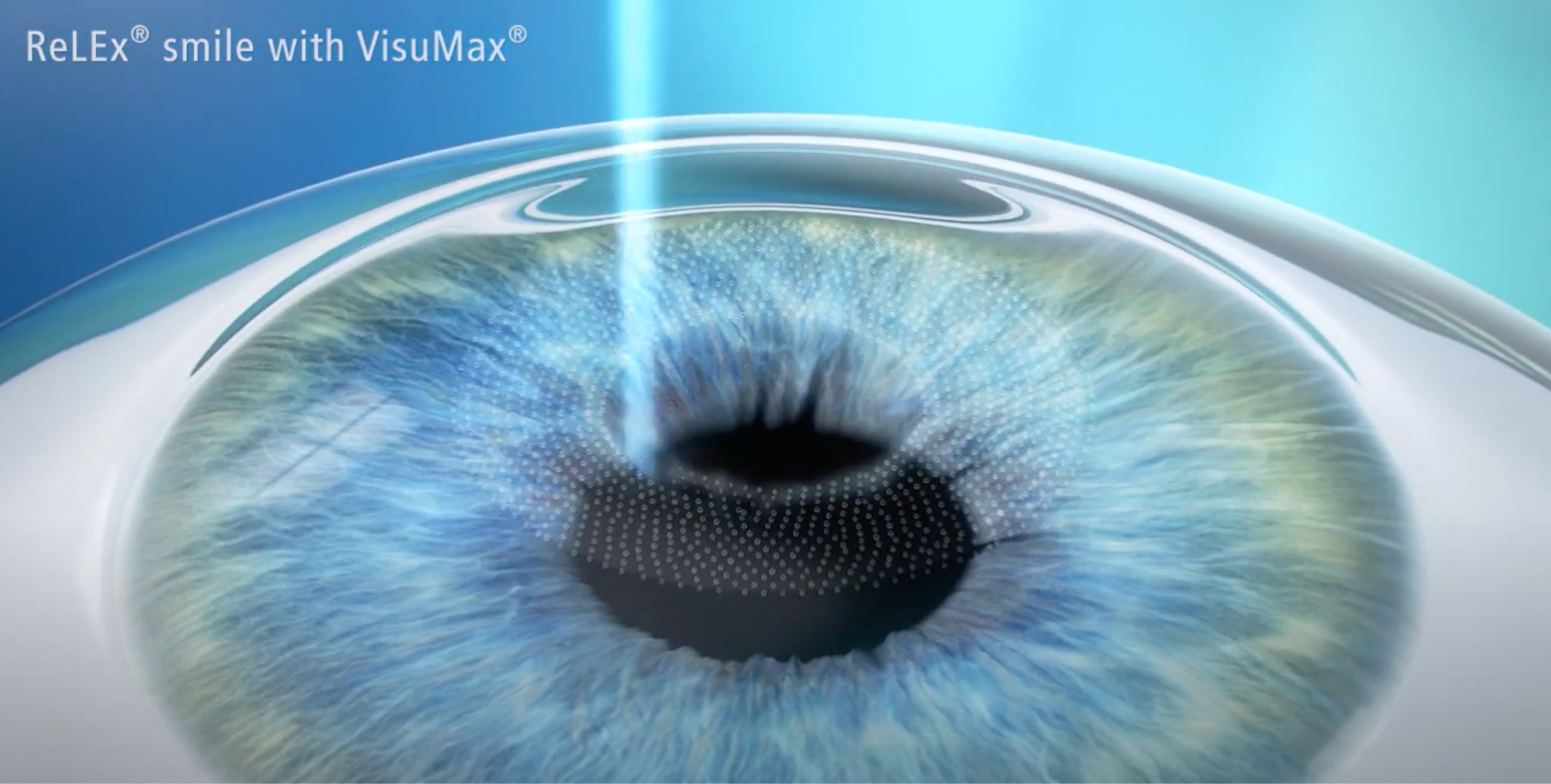
The ophthalmologist uses the SMILE laser to cut a corneal lens—the middle layer of the cornea—through the upper corneal layer. This is the unique feature of SMILE laser vision correction.
Step 3: Make a micro-incision
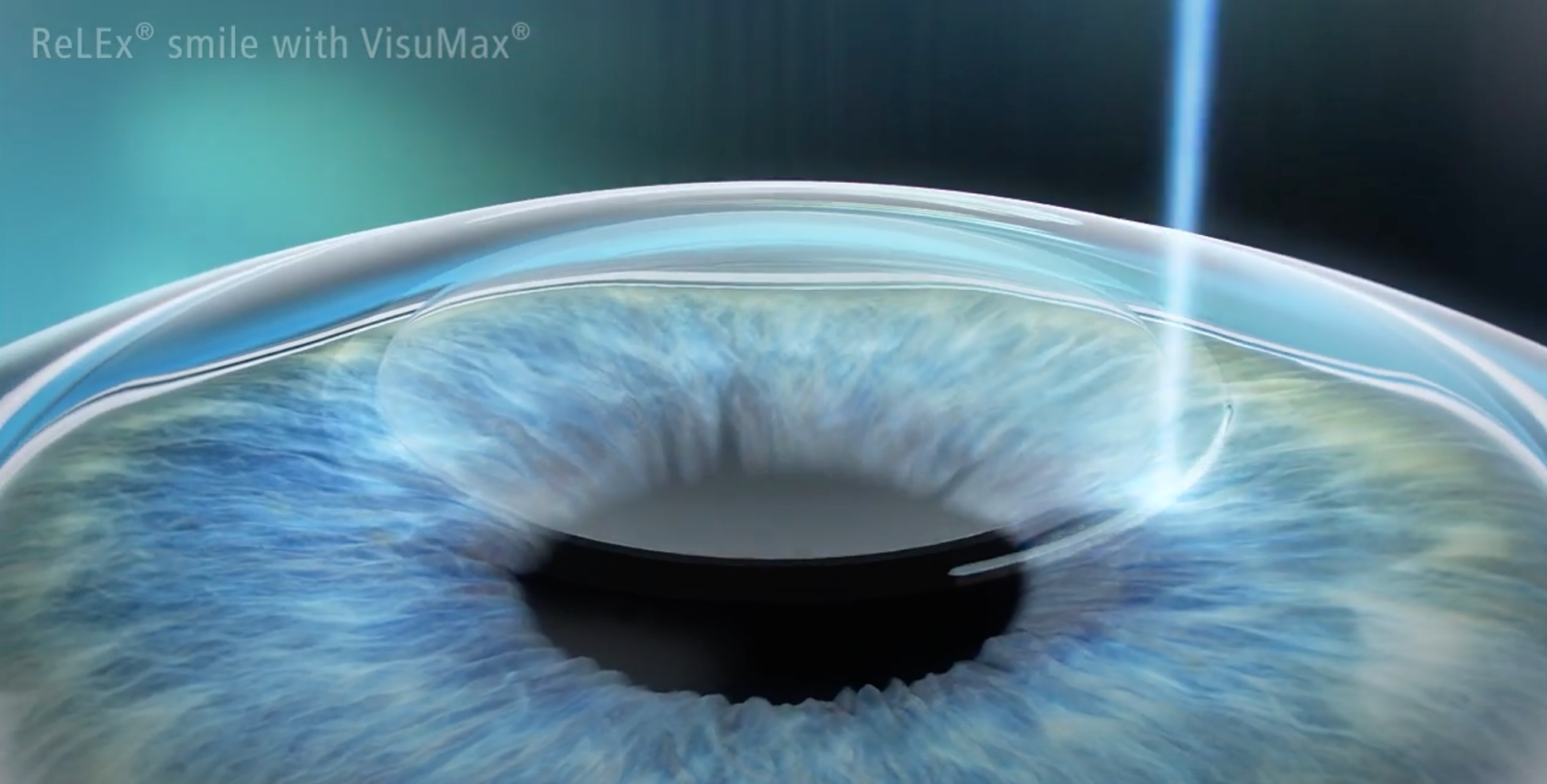
Using a laser, a micro-incision of approximately 2 to 4 mm is made in the upper layer of the cornea.
Step 4: Remove the corneal lens
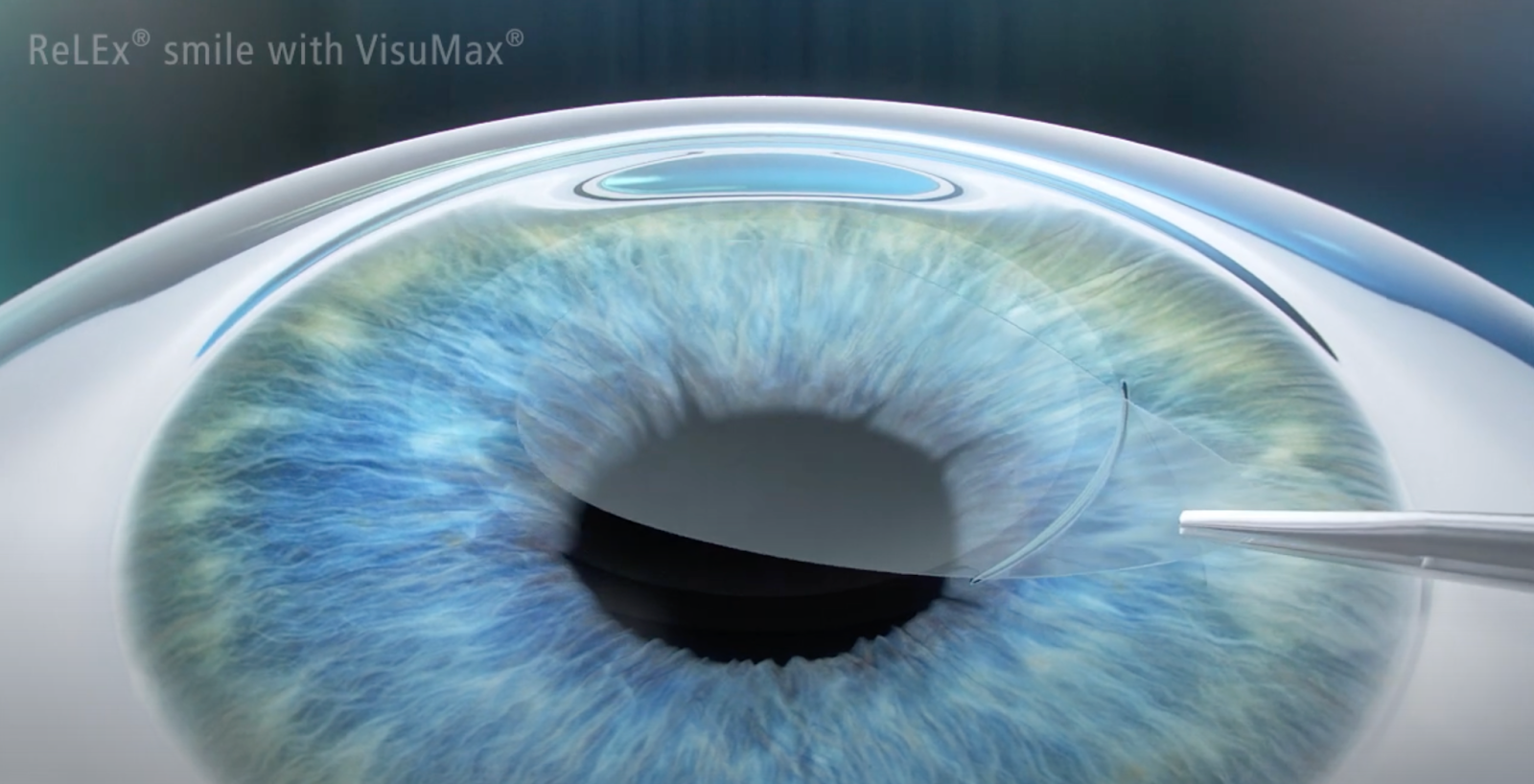
Use an instrument to extract the cut corneal lens through the micro-incision, then close the incision.
SMILE Postoperative Care
Although this type of eye surgery involves extremely small incisions, post-operative care for SMILE remains crucial. It helps patients recover quickly and enhances the success rate of the procedure.
- Follow your doctor's instructions when using eye drops or taking medication.
- It is normal to experience blurred vision or discomfort for several hours after surgery. Avoid rubbing your eyes during this time to prevent wound infection.
- Do not wash your hair within 24 hours after surgery.
- Avoid contact with contaminated water in the eyes for one week after surgery, especially swimming.
- An eye shield must be worn while sleeping for the first week after surgery.
- Avoid strenuous exercise and heavy lifting for one week after surgery.
- Avoid makeup and contact lens wear for 2 weeks after surgery, especially eye makeup.
- Wear sunglasses for one month after surgery to prevent UV exposure.
- Schedule regular follow-up appointments for postoperative examinations.
SMILE Laser Vision Correction Risks
Although SMILE refractive surgery carries lower risks, certain potential complications may still occur after the procedure:
Corneal infection or inflammation
Although the surgical incision is small, there remains a risk of bacterial infection or inflammation. However, with prompt treatment, recovery is possible.
Dry eye
Dry eye symptoms may occur within 3 months after surgery, which is normal. Artificial tears may be used as needed. If dry eye symptoms persist, it is recommended to consult an ophthalmologist to explore improvement methods.
Fluctuations in vision
Some patients may experience fluctuations in vision, which may take some time to stabilize.
Increased light sensitivity
Some patients may experience glare and light sensitivity, which can significantly impair nighttime driving. These symptoms may persist for several months or even become permanent.
Frequently Asked Questions
Am I a suitable candidate for SMILE laser vision correction surgery?
The basic requirements for SMILE laser vision correction are astigmatism not exceeding 500 diopters and myopia not exceeding 1000 diopters. As long as these thresholds are not exceeded, you may be eligible for the procedure. However, numerous factors can influence surgical outcomes. It is recommended to consult an ophthalmologist and undergo a comprehensive eye examination before making a decision.
Can SMILE laser vision correction surgery reverse myopia and guarantee perfect vision forever?
An increase in myopia means the eyeball has lengthened. Currently, there is no way to shrink the eyeball back to its original length when vision was normal. However, laser vision correction can help patients eliminate their dependence on glasses or contact lenses. The surgery does not shorten the eyeball; instead, it reshapes the cornea so that light can focus on the retina without the aid of glasses or contact lenses. Therefore, we still need to be mindful of the complications associated with high myopia.
Is SMILE safe?
SMILE is a minimally invasive procedure that requires only topical anesthetic eye drops, eliminating the need for general anesthesia. It is completed on the same day with no hospital stay required. The incision is very small, and SMILE complications are relatively fewer/milder, making it safer compared to other vision correction surgeries.
How long does it take for vision to recover after SMILE?
SMILE laser vision correction is a minimally invasive procedure. Patients typically regain 60–80% of their vision on the day of surgery, with most achieving optimal vision within 2–7 days. However, recovery times vary by individual, and in rare cases, it may take 1–3 months for full recovery.
Which SMILE vision correction clinic is the best?
Any Hong Kong eye center with a valid business license is qualified to perform SMILE laser vision correction.
What distinguishes SMILE from other laser vision correction procedures?
Compared to traditional laser-assisted in situ keratomileusis (LASIK) surgery, the Smile procedure does not require creating a corneal flap, reducing the wound area by nearly 80%. This results in a smaller surgical incision and a relatively lower risk of eye infection.
How much does SMILE cost? Is SMILE expensive?
The cost of SMILE varies depending on individual circumstances, as prices differ for single-eye and double-eye procedures. Postoperative medication requirements also vary from person to person. Therefore, we recommend scheduling a consultation with our specialist.