
What is Dry Eye Syndrome - Meibomian Gland Dysfunction (MGD)?
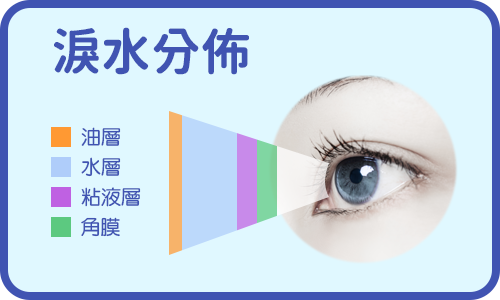
Our tears consist of three layers: the oil layer, the aqueous layer, and the mucous layer.
Oily layer (lipid layer):
This is the outermost layer of the tear film, slowing tear evaporation and lubricating the contact surface between the eyelids and the eyeball.
: The middle layer of the tear film, it smooths the corneal surface, supplies oxygen to corneal epithelial cells, defends against external pathogens, and removes metabolic waste products.
Mucous layer:
This innermost layer of the tear film creates a hydrophilic interface, enabling the tear layer to spread evenly across the ocular surface. It also nourishes and protects the cornea while smoothing its surface.
Dysfunction in any of these three layers may lead to dry eye syndrome.
Dry Eye Syndrome - Meibomian Gland Dysfunction (MGD) is a common chronic inflammatory condition.
This leads to blockage of the oil-producing glands, causing the oil they produce to thicken and deteriorate in quality, resulting in tear evaporation. It is one of the most prevalent eye conditions, accounting for 70% of all dry eye cases.
Causes of Meibomian Gland Dysfunction
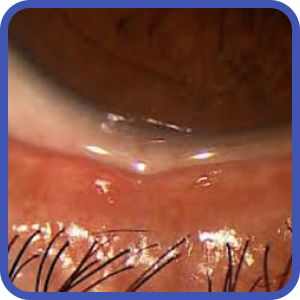
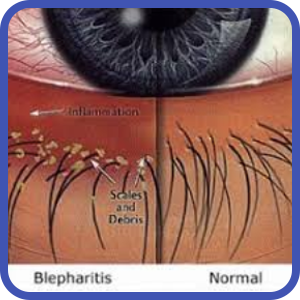
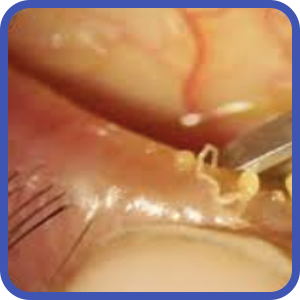
is caused by a biofilm of skin-residing bacteria covering the skin at the edge of the eyelid. The exotoxins produced by these bacteria can enter the meibomian glands, leading to meibomian gland obstruction and a decrease in the quality or quantity of tears.Skin Conditions
For example: Acne RosaceaIn modern Western diets, alterations in the levels of omega-3 and omega-6 fatty acids in the human body are common, leading to impaired lipid barrier function.
Dry Eye Syndrome - Symptoms of Meibomian Gland Dysfunction
When you hear "dry eye syndrome," what symptoms come to mind? Perhaps dry, tearless eyes.
But that's incorrect—it turns out "constant tearing" is actually the most common symptom of dry eye! When dryness or insufficient tears occur, the body typically produces excessive tears to help alleviate the discomfort. This is called "reflex lacrimation," which paradoxically leads to unstoppable tearing. It's important to note that "reflex lacrimation" is merely a temporary compensatory measure by the body and does not treat dry eye itself.
Common symptoms of dry eye syndrome:
- Hardened or sticky skin, or eyelids, especially near the base of the eyelashes
- Dry eyes (MGD accounts for 70% of all dry eye cases)
- envy
- Eye strain
- Blurred vision
- Constant tearing
- Headache
- Prone to drowsiness
- photophobia
- Difficulty in wearing contact lenses, resulting in unsuccessful fitting.
Understanding the Types of Dry Eye Syndrome
Dry eye syndrome can be classified into two types: "deficiency-type" and "evaporative."
1. Dry eye syndrome due to aqueous deficiency
Dry eye occurs when the tear glands fail to produce sufficient tears.
Treatment Methods:
- Artificial Tears/Gel
- Steroid eye drops
- Cyclosporine Eye Drops (RESTASIS®, Allergan)
- Punctal occlusion
- Reduce contact lens wear
- Humidifier
- Be mindful of your work environment and avoid sitting directly in front of air conditioning vents.
- Take appropriate breaks
2. Evaporative Dry Eye Syndrome
Most cases are caused by meibomian gland dysfunction (MGD), accounting for approximately 70% of all dry eye conditions. The meibomian glands are responsible for secreting the oily component of tears, which serves to slow tear evaporation. MGD is a common chronic inflammatory condition that causes blockage of these glands. With reduced oil in the tears, evaporation accelerates.
Test Yourself for Dry Eye Syndrome - Meibomian Gland Dysfunction (MGD)
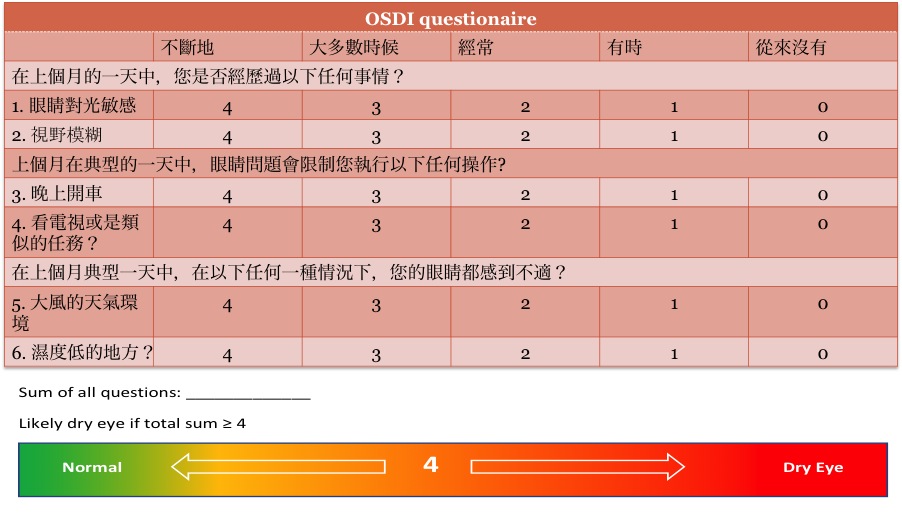
Dry Eye Syndrome - Meibomian Gland Dysfunction FAQ
Can dry eye syndrome be cured?
Currently, there is no treatment that can completely eliminate all symptoms caused by dry eye syndrome. Because dry eye syndrome is caused by multiple factors, treatment approaches for mild and severe symptoms differ significantly. Fortunately, numerous methods are available to manage this condition. Your ophthalmologist can help you find ways to alleviate your symptoms.
Below are treatment options for chronic dry eye syndrome, so you can find the one that works best for you.
- Many medications and procedures are available to treat chronic dry eye syndrome. Artificial tears can moisturize your eyes. If you have moderate dry eye symptoms, artificial tears alone may be sufficient. However, you will need to apply them multiple times daily.
- Additionally, two examples of alternative therapies that may help alleviate chronic dry eye symptoms include acupuncture and intense pulsed light therapy. One study suggests that acupuncture may offer benefits compared to artificial tears, though further research is needed to confirm this. One theory posits that acupuncture reduces pain and inflammation, thereby decreasing eye irritation and improving dry eye symptoms.
- Intense Pulsed Light (IPL) therapy is an alternative treatment commonly used to reduce symptoms of rosacea and acne. In a credible source study on chronic dry eye syndrome, 93% of participants reported satisfaction with their symptom severity following IPL treatment.
Will my eyes feel dry when wearing contact lenses?
The use of contact lenses is considered closely associated with dry eye syndrome. Approximately 80% of soft contact lens wearers and about 70% of rigid gas-permeable contact lens wearers complain of dry eyes.Tears act as a lubricant between the contact lens and the pupil (cornea) to protect your eyes. When tear production decreases, the cornea and conjunctiva become vulnerable to damage, which can reduce their resistance to bacteria and lead to serious corneal infections.
I've been using electronic devices all day, so my eyes feel dry. Are there any good preventative measures?
Precautions that can be taken when using electronic devices include:
- deliberate blinking
- Use a humidifier to add moisture to dry indoor air.
- Position the computer screen below eye level.
- The airflow from the air conditioner will not blow directly into your eye area.
- Take appropriate breaks
What are effective treatments for dry eye syndrome?
Depending on the patient's symptoms and condition, various dry eye treatments may be used. Mild dry eye can often be treated with eye drops that help retain moisture, lubricating eye drops containing moisturizing ingredients, and other formulations designed to replenish reduced tear production.Improving both the quality and quantity of tears is crucial in treatment, and lubricating eye drops often provide relief. However, if eye drops fail to manage dry eye, tear drainage can be reduced by artificially closing the tear ducts to slow tear outflow.
What happens if dry eye syndrome is left untreated?
Subjective symptoms such as dry eyes or a gritty sensation, as well as ocular surface diseases (injuries), may worsen. Additionally, bacteria may enter the eye through the injury and cause severe corneal infections. If individuals with these conditions wear contact lenses, their symptoms may deteriorate.
Is there a relationship between age and dry eye?
Tear production decreases with age due to diminished secretory function in the lacrimal glands responsible for tear generation. Reduced tear secretion is considered one cause of dry eye syndrome. On the other hand, tear drainage (lacrimal drainage) function may sometimes decline, leading to decreased tear outflow. This means dry eye syndrome does not always occur with advancing age.
I've been using eye drops purchased at the pharmacy. Is it okay to use them continuously?
If the eye drops you purchased at the pharmacy do not relieve your symptoms, please consult your ophthalmologist.
Tears play a role in delivering oxygen and nutrients to the cornea and killing bacteria that enter the eye. However, excessive use of eye drops may wash away this precious tear film. Additionally, eye drops purchased at pharmacies by dry eye patients may cause injury due to their ingredients, as these substances are not diluted by tears.

有散光又有老花,LBV 激光矯視可以一次過矯正?
散光同老花並存極為常見,LBV 老花激光矯視可以同時矯正嗎?了解散光類型對 LBV 嘅影響、術前評估重點,以及散光加老花術後視覺改變。
Consultation Registration