

How to treat dry eye syndrome?

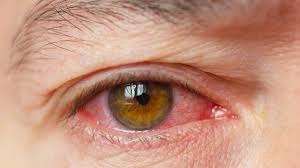
Persistent dryness, eye fatigue, drowsiness, and even headaches or blurred vision are all symptoms of dry eye syndrome. For urban dwellers, dry eye syndrome is a highly prevalent ophthalmic condition caused by meibomian gland dysfunction (MGD).Some patients may ignore these symptoms, but if left untreated, severe dry eye can damage the cornea and lead to corneal ulcers, causing vision loss or even blindness. How exactly is dry eye treated? Below, we break down common treatment methods for dry eye syndrome.

Dry eye syndrome

Dry Eye Self-Assessment

If you're concerned about the cost of dry eye testing, you can first conduct a self-assessment using the following questions. If you experience two or more symptoms, it's highly likely you have dry eye syndrome. We recommend scheduling an early consultation with our ophthalmologist for meibomian gland dysfunction testing and to receive appropriate dry eye treatment.

  1. Do you often experience dry or tired eyes?
  2. Feeling tightness or heaviness in your eyelids?
  3. Blurred vision with a foreign body sensation?
  4. Do your eyes often feel itchy?
  5. Do your eyes feel sticky and full of discharge when you wake up in the morning?
  6. Are your eyes sensitive to external stimuli such as light, wind, and smoke?
  7. Do you feel uncomfortable wearing glasses in air-conditioned areas?
  8. Do your eyes feel burning or stinging?

Dry Eye Syndrome - Meibomian Gland Dysfunction Examination

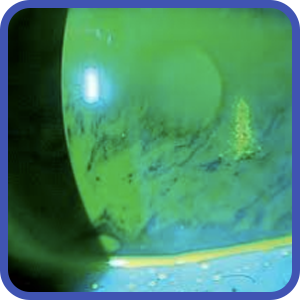
Through meibomian gland dysfunction testing, doctors can assess a patient's current dry eye condition and provide professional treatment methods.

Dry eye syndrome examination includes:

  • Ocular Surface Disease Index (OSDI) Questionnaire
  • Tear Osmolarity Measurement (Tear Salt Content) )
  • MMP-9 Protein Level Index ( Inflammatory Marker )
  • Tear Evaporation Test (How Fast Do Tears Evaporate?)
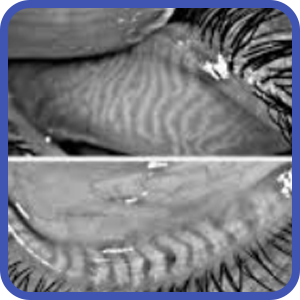
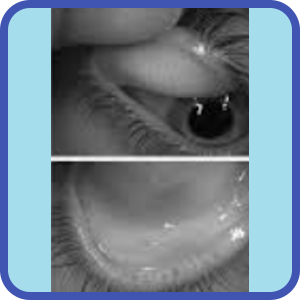
  • Infrared Meibomian Gland Imaging (displays the condition of the meibomian glands within the eyelid )
Meibomian Gland Dysfunction Examination

For information regarding dry eye examination and treatment costs, please contact us to learn more.

A Comprehensive Guide to Dry Eye Treatment Methods

If diagnosed with dry eye syndrome after testing, be prepared for long-term treatment and maintenance, as dry eye syndrome is an incurable eye condition. Doctors will tailor personalized treatment plans based on each patient's specific condition, and costs will naturally vary accordingly. Treatment typically involves the use of medical devices and/or medications. Below are common approaches for managing dry eye syndrome:

Treatment Plan 1: Intense Pulsed Light (IPL) Therapy


Proven to effectively improve meibomian gland obstruction, with anti-inflammatory properties and a rapid treatment duration, the procedure is comfortable and pain-free.

Intense Pulsed Light (IPL), also known as phototherapy, has long been widely used in treating skin-related conditions. With technological advancements, IPL has also been proven as an effective treatment for dry eye syndrome. By utilizing the energy emitted from pulsed light to enhance eyelid blood circulation, improve abnormal blood vessels, and specifically regulate oil secretion, optimal therapeutic results are achieved.

Number of treatments: At least 3 to 4 sessions are required, with each session spaced 2 to 4 weeks apart, depending on the severity of the condition.

*Especially recommended for patients with blepharitis

Intense Pulsed Light (IPL) Treatment for Dry Eye Syndrome

Instrument-Based Treatment Option 2: LipiFlow Vectored Thermal Pulsation
Vectored Thermal Pulsation (VTP) Therapy


U.S. Food and Drug Administration (FDA) Registered Device for Examination and Treatment of Meibomian Gland Dysfunction

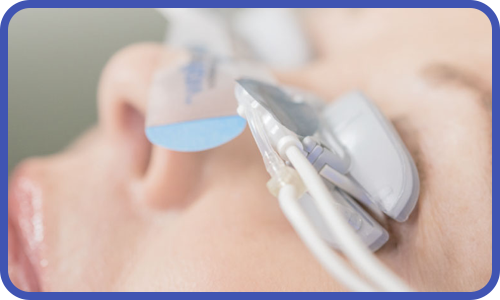
The procedure involves inserting a specialized treatment probe into the eyelid and applying heat massage to melt the long-term blockage of meibomian gland secretions . This promotes oil secretion, thereby unblocking the meibomian glands and alleviating dry eye symptoms. Treatment effects can last from 9 months to 3 years.

Dry Eye LipiFlow Treatment

Instrument-Based Treatment Protocol 3: BlephEx Eyelid Hygiene

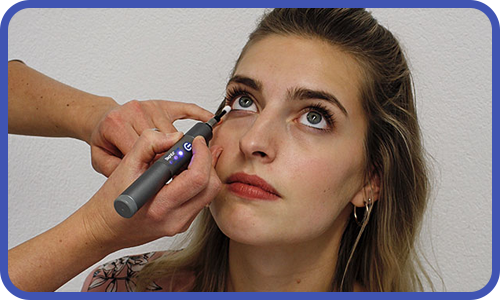
Blepharitis is an inflammation of the eyelids, typically caused by bacterial overgrowth, so we need to eliminate bacterial buildup. BlephEx helps deep clean and remove bacteria, biofilm, demodex mites, dandruff, flakes, and dead cells from the eyelids and lash roots. The process is safe and effective for maintaining eyelid hygiene.

Dry Eye Syndrome BlephEx Eyelid Hygiene

Lacrimal duct occlusion surgery:

Conventional dry eye treatments primarily focus on unblocking meibomian glands or using artificial tears. However, these methods may prove ineffective for patients with severe dry eye syndrome. In such cases, lacrimal duct occlusion surgery can be considered.Tear duct plugging involves blocking the opening of the tear duct using a plug, functioning similarly to a sink stopper. This allows tears to remain on the eye's surface, maintaining the stability of the tear film over the eyeball to alleviate dry eye symptoms. As for the cost of the procedure, it requires an in-clinic examination and consultation. This is because not everyone is suitable for this type of surgery.

Pharmacological Treatment for Dry Eye Syndrome

Medication:

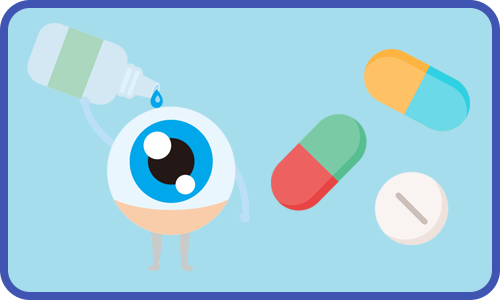
  • Prescription anti-inflammatory eye drops
  • Artificial Tears (Replenishing Oil)
  • Antibiotics: Reduce bacteria on the eye surface and improve the quality of meibum.
Pharmacological Treatment for Dry Eye Syndrome

Other dry eye treatment methods:


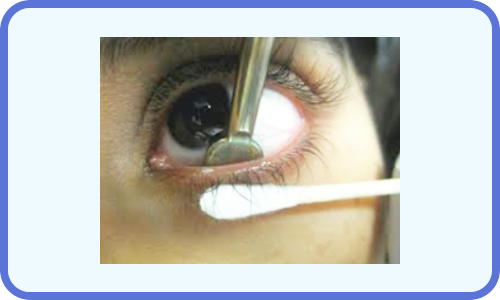
  • Applying pressure to the patient's eyelid to express the contents of the meibomian glands.
Meibomian Gland Expression Oil for Dry Eye Syndrome

If you have dry eye syndrome, how should you care for your eyes in daily life?

In addition to receiving early testing and treatment for dry eye syndrome, patients can incorporate daily care routines. Here are three recommendations:

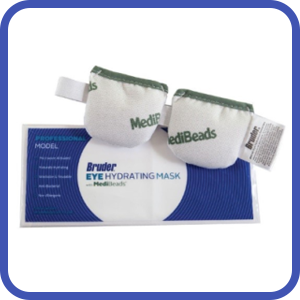
Warm Compress for Dry Eye Syndrome

Eye Warm Compress
Apply warm pressure to the eyes for at least 15 minutes once daily. It is recommended to do this before bedtime.

A towel soaked in hot water is not an appropriate compress, as it cannot sufficiently heat the meibomian glands.

Dry Eye Syndrome: Environmental Humidity and Work Environment

Pay attention to humidity and environmental conditions
Increasing environmental humidity and improving the work environment can alleviate eye irritation and dryness symptoms. Avoid direct exposure to fans or air conditioning blowing directly at your eyes. Also, avoid prolonged stays in areas like smoking zones or temples.

Omega-3 Supplements for Dry Eye Syndrome

Dietary Habits
Taking omega-3 supplements has been shown to possess anti-inflammatory properties.

Although dry eye syndrome cannot currently be completely cured, patients can improve symptoms and enhance their quality of life through proactive treatment and care. After developing dry eye syndrome, it is essential to seek regular medical care, follow your doctor's treatment plan, maintain good eye hygiene, and adopt healthy eye habits to prevent symptom worsening and the development of other eye conditions. If you have any further questions, click the button below to consult our ophthalmologists.

Consultation Registration